
Discover the Healing Power of Epsom Salt Baths

Epsom salt baths are a simple yet powerful way to improve your overall well-being. The magnesium and sulfate in Epsom salts provide numerous health benefits, from relieving muscle pain to reducing stress. Here’s how you can discover the healing power of Epsom salt baths.

Relieving Muscle Pain and Tension: Epsom salts are known for their ability to relax muscles and alleviate pain. The magnesium in Epsom salts helps reduce inflammation and ease muscle cramps.

Example: Add two cups of Epsom salts to your bathwater and soak for at least 20 minutes to relieve muscle soreness after a workout.

Reducing Stress and Promoting Relaxation: Soaking in an Epsom salt bath can help reduce stress and promote relaxation. The warm water combined with the soothing properties of magnesium helps calm the nervous system.

Example: Create a spa-like experience at home by adding a few drops of lavender essential oil to your Epsom salt bath and soaking in the tranquility.

Detoxifying the Body: Epsom salts can help draw out toxins from the body, promoting detoxification. This can help improve skin health and overall wellness.

Example: Take a detox bath by mixing Epsom salts with baking soda and soaking for 20-30 minutes. This can help cleanse your body and leave your skin feeling refreshed.

Improving Skin Health: Epsom salts can help exfoliate the skin, removing dead skin cells and leaving your skin soft and smooth. They also help reduce inflammation and treat conditions like eczema and psoriasis.

Example: Use Epsom salts as a gentle exfoliant by mixing them with a bit of water or oil and massaging onto your skin in the shower.

Promoting Better Sleep: A warm Epsom salt bath before bed can help improve sleep quality. The magnesium helps relax your muscles and mind, making it easier to fall asleep.

Example: Incorporate Epsom salt baths into your nightly routine to help you wind down and prepare for a restful night’s sleep.

Practical Tips for Epsom Salt Baths:

  1. Choose the Right Epsom Salts:
    • Look for high-quality, pure Epsom salts without added fragrances or chemicals.
  2. Set the Mood:
    • Create a relaxing environment with dim lighting, candles, and calming music to enhance your bath experience.
  3. Stay Hydrated:
    • Drink plenty of water before and after your bath to stay hydrated and support the detoxification process.
  4. Regular Routine:
    • Incorporate Epsom salt baths into your weekly routine for ongoing benefits to your health and well-being.

By incorporating Epsom salt baths into your self-care routine, you can experience their powerful healing benefits and enhance your overall well-being.


Embrace the Outdoors: Benefits of Nature Walks for Mental Health

Spending time in nature has numerous benefits for mental health. Nature walks, in particular, can help reduce stress, improve mood, and enhance overall well-being. Here’s how you can embrace the outdoors and reap the mental health benefits of nature walks.

Reducing Stress: Walking in nature helps lower cortisol levels, the hormone associated with stress. The calming effect of natural surroundings can help you relax and unwind.

Example: Take a 30-minute walk in a nearby park or nature reserve to experience the stress-relieving benefits of being in nature.

Improving Mood: Exposure to natural light and fresh air can boost serotonin levels, improving your mood and increasing feelings of happiness.

Example: Plan regular nature walks, especially on sunny days, to boost your mood and enjoy the uplifting effects of natural light.

Enhancing Focus and Creativity: Nature walks can enhance focus and creativity by providing a break from the constant stimulation of urban environments. The natural scenery helps clear your mind and inspire new ideas.

Example: Incorporate a short nature walk into your daily routine, especially if you need a mental break or a creativity boost.

Promoting Physical Health: Walking in nature is a form of physical exercise that benefits both the body and mind. It helps improve cardiovascular health, increase energy levels, and promote overall fitness.

Example: Combine your mental health routine with physical fitness by walking on trails that offer different terrains and inclines.

Connecting with Nature: Spending time in nature helps you feel more connected to the environment and appreciate its beauty. This connection can foster a sense of peace and well-being.

Example: Engage in mindful walking by paying attention to the sights, sounds, and smells around you. Notice the rustling leaves, chirping birds, and fresh scent of nature.

Practical Tips for Enjoying Nature Walks:

  1. Choose Scenic Routes:
    • Explore local parks, nature reserves, and hiking trails. Choose routes with diverse landscapes to keep your walks interesting.
  2. Walk with a Friend:
    • Walking with a friend or family member can make the experience more enjoyable and provide social benefits as well.
  3. Bring Essentials:
    • Carry water, a hat, and comfortable walking shoes. Don’t forget sunscreen and insect repellent if needed.
  4. Stay Present:
    • Focus on the present moment during your walk. Avoid distractions like phones or other electronic devices.

By embracing nature walks, you can improve your mental health, boost your mood, and enjoy the many benefits of spending time outdoors.

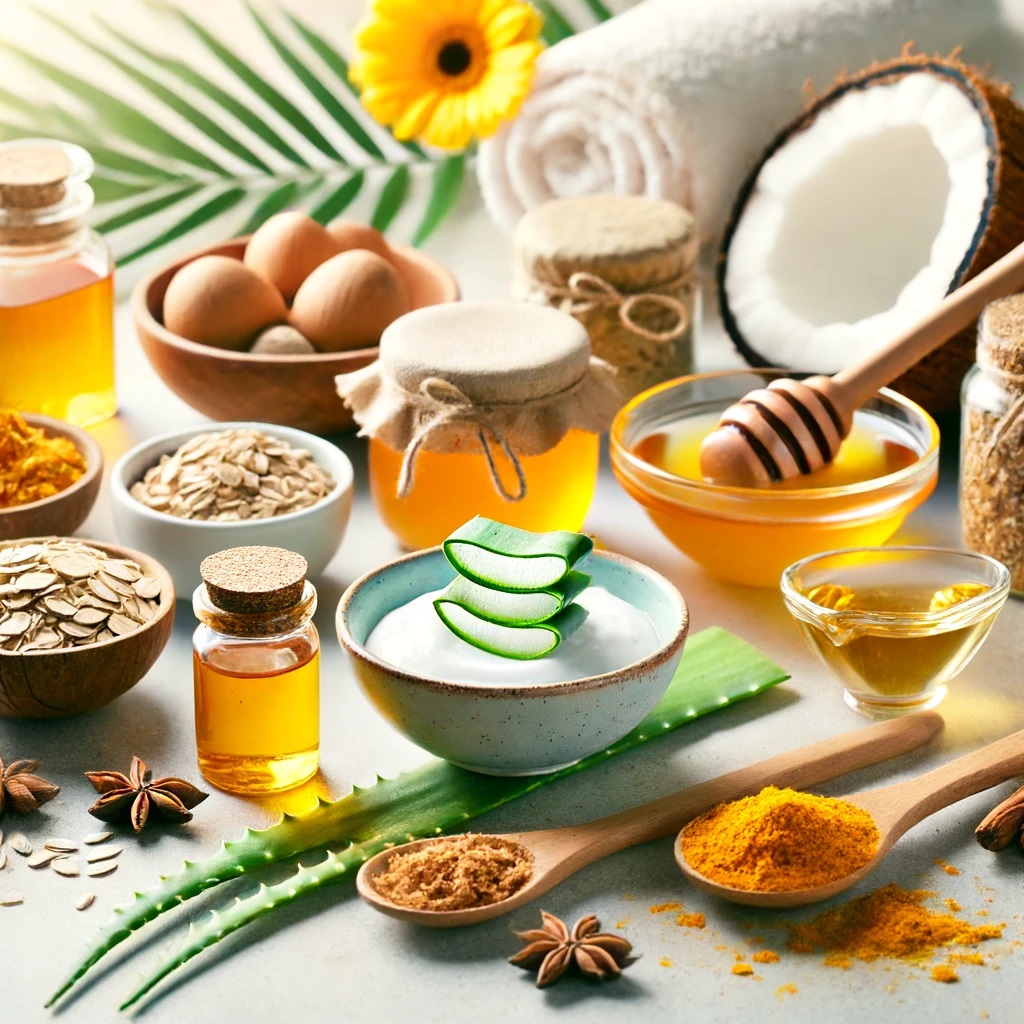
Holistic Skincare: Natural Ingredients for Glowing Skin

Achieving glowing, healthy skin doesn’t have to involve expensive products. Natural ingredients can be just as effective and are often gentler on your skin. Here’s how you can use some common natural ingredients in your skincare routine.

Honey for Moisturizing and Healing: Honey is a natural humectant, meaning it helps retain moisture in the skin. It also has antibacterial properties, making it great for acne-prone skin.

Example: Apply a thin layer of raw honey to your face and leave it on for 15-20 minutes before rinsing with warm water. This can help moisturize your skin and reduce acne.

Aloe Vera for Soothing and Hydration: Aloe vera is well-known for its soothing and hydrating properties. It can help calm irritated skin and provide deep moisture.

Example: Use fresh aloe vera gel as a moisturizer or apply it to sunburned skin for instant relief.

Coconut Oil for Deep Moisturizing: Coconut oil is rich in fatty acids, making it an excellent moisturizer for dry skin. It also has antibacterial properties, which can help with skin infections.

Example: Use coconut oil as a nighttime moisturizer or add it to your DIY body scrub for extra hydration.

Oatmeal for Exfoliation and Soothing: Oatmeal is a gentle exfoliant that can help remove dead skin cells. It also has anti-inflammatory properties, making it great for sensitive skin.

Example: Mix oatmeal with honey to create a soothing face scrub. Gently massage it onto your skin and rinse with warm water.

Turmeric for Brightening: Turmeric contains curcumin, which has anti-inflammatory and antioxidant properties. It can help brighten the skin and reduce dark spots.

Example: Create a face mask with turmeric, yogurt, and honey. Apply it to your face for 10-15 minutes before rinsing off for a brighter complexion.

DIY Recipes:

  1. Honey and Oatmeal Face Mask:
    • Mix 2 tablespoons of honey with 1 tablespoon of ground oatmeal.
    • Apply to your face and leave on for 15 minutes.
    • Rinse with warm water for soft, exfoliated skin.
  2. Aloe Vera and Coconut Oil Moisturizer:
    • Mix equal parts aloe vera gel and coconut oil.
    • Apply to your skin as a moisturizer, especially before bed.
  3. Turmeric Brightening Mask:
    • Mix 1 teaspoon of turmeric powder with 2 tablespoons of yogurt and 1 tablespoon of honey.
    • Apply to your face and leave on for 10-15 minutes.
    • Rinse with warm water for a glowing complexion.

Using these natural ingredients in your skincare routine can help you achieve healthy, glowing skin without the need for harsh chemicals.

10 Ways to Maintain Healthy Joints as You Age

Maintaining joint health is essential for mobility and quality of life as we age. Here are ten effective ways to keep your joints healthy and pain-free.

1. Stay Active

Regular exercise helps maintain joint flexibility and strengthens the muscles around the joints, providing better support. Activities like walking, swimming, and cycling are low-impact and beneficial for joint health. Learn more about joint-friendly exercises.

2. Maintain a Healthy Weight

Excess weight puts additional stress on your joints, especially the knees, hips, and back. Maintaining a healthy weight reduces this strain and helps prevent joint damage. Explore weight management tips.

3. Eat a Balanced Diet

A diet rich in fruits, vegetables, lean proteins, and healthy fats provides the nutrients necessary for joint health. Omega-3 fatty acids, found in fish, flaxseeds, and walnuts, have anti-inflammatory properties that can reduce joint pain. Read about joint-healthy foods.

4. Stay Hydrated

Water helps keep your joints lubricated. Adequate hydration is crucial for maintaining the health of the cartilage that cushions your joints. Aim to drink at least eight glasses of water a day. Understand the importance of hydration.

5. Avoid Overuse

Repetitive movements and overuse can lead to joint damage. Practice good ergonomics, take frequent breaks, and vary your activities to avoid straining the same joints repeatedly. Learn about preventing joint overuse.

6. Strengthen Your Core

A strong core stabilizes your body and reduces the risk of falls and injuries that can impact your joints. Incorporate exercises that strengthen your abdominal and back muscles into your fitness routine. Explore core strengthening exercises.

7. Use Proper Techniques

Whether lifting, exercising, or performing daily tasks, using proper techniques can prevent joint injuries. Avoid lifting heavy objects with your back; instead, use your legs and maintain a straight posture. Find out about safe lifting techniques.

8. Wear Supportive Footwear

Proper footwear provides support and reduces stress on your joints. Choose shoes that fit well and offer good arch support and cushioning. Avoid high heels and opt for shoes with a low heel and wide toe box. Get tips on selecting supportive footwear.

9. Supplement Wisely

Certain supplements, like glucosamine and chondroitin, may support joint health. Consult with your healthcare provider before starting any supplement regimen to ensure it’s safe and appropriate for you. Learn about joint health supplements.

10. Regular Check-Ups

Regular check-ups with your healthcare provider can help monitor your joint health and catch any issues early. Discuss any joint pain or discomfort with your doctor to develop a personalized plan for maintaining joint health. Read about the importance of regular check-ups.

Call to Action

Incorporate these habits into your daily routine to maintain healthy joints and enjoy a more active and pain-free life. Visit Holistic Wellness Guide for more tips and insights on maintaining joint health and overall well-being.

Herbal Teas for Every Mood: Natural Remedies in Your Cup

Herbal teas are not only delicious but also offer a variety of health benefits. By choosing the right herbal tea, you can enhance your mood and well-being naturally. Here’s how you can match your tea to your mood and enjoy its benefits.

Relaxation with Chamomile: Chamomile tea is well-known for its calming properties. It helps reduce stress and anxiety, making it a perfect choice for unwinding after a long day.

Example: Brew a cup of chamomile tea in the evening to help relax your mind and body, preparing you for a restful night’s sleep.

Boosting Energy with Peppermint: Peppermint tea is invigorating and can boost your energy levels naturally. Its refreshing flavor and aroma make it a great pick-me-up during the day.

Example: Start your morning with a cup of peppermint tea to awaken your senses and get ready for a productive day.

Aiding Digestion with Ginger: Ginger tea is excellent for digestion and can help soothe an upset stomach. Its warm and spicy flavor is perfect for after meals.

Example: Enjoy a cup of ginger tea after lunch to aid digestion and prevent bloating.

Supporting Immunity with Echinacea: Echinacea tea is known for its immune-boosting properties. It can help prevent colds and flu, especially during the winter months.

Example: Drink a cup of echinacea tea daily during flu season to strengthen your immune system.

Promoting Detox with Dandelion: Dandelion tea is a great detoxifier. It helps cleanse the liver and promotes healthy digestion.

Example: Incorporate dandelion tea into your routine as a gentle detox to support liver health and overall well-being.

By choosing the right herbal tea for your mood, you can enjoy a delicious beverage while also reaping the natural benefits of these wonderful herbs.

Mindful Morning Routines: Start Your Day with Yoga and Meditation

Starting the day with a calm and focused mindset can significantly enhance your overall well-being and productivity. Integrating yoga and meditation into your morning routine helps you begin the day with clarity and energy.

Begin with Gentle Yoga: Kickstart your morning with gentle yoga poses to wake up your body and mind. Poses like Cat-Cow, Downward-Facing Dog, and Child’s Pose are excellent for stretching and energizing your body.

Example: Spend 10 minutes in the morning practicing these poses on a yoga mat in a quiet space. This helps improve flexibility and reduce morning stiffness.

Transition to Meditation: After yoga, transition to a meditation session. Find a comfortable seated position, close your eyes, and focus on your breath. Meditation helps calm the mind, reduce stress, and set a positive tone for the day.

Example: Practice meditation for 10-15 minutes. Use guided meditation apps if needed, focusing on deep breathing and mindfulness.

Create a Peaceful Environment: Set up a dedicated space for your morning routine. Ensure it’s quiet, clutter-free, and filled with natural light. Adding elements like plants, candles, or soft music can enhance the ambiance.

Example: Designate a corner of your room for yoga and meditation. Decorate it with calming colors and inspirational quotes to motivate you.

Consistency is Key: Consistency is essential for reaping the benefits of yoga and meditation. Make this routine a daily habit to experience long-term improvements in your mental and physical health.

Example: Stick to your routine even on busy days. The consistency will help you maintain balance and resilience throughout your daily challenges.

By starting your day with yoga and meditation, you cultivate mindfulness and serenity, preparing yourself for whatever the day may bring.

10 Common Health Questions Answered: Insights and Practical Tips

Navigating health information can be overwhelming. Here, we address ten common health questions with insights and practical tips to help you maintain your well-being.

1. How Can I Improve My Immune System?

Improving your immune system involves a balanced diet, regular exercise, adequate sleep, and stress management. Foods rich in vitamins C and D, zinc, and antioxidants are beneficial. Regular physical activity and sufficient sleep also play crucial roles. Learn more about boosting your immune system.

2. What Are the Best Foods for Weight Loss?

Foods high in fiber, protein, and healthy fats can aid in weight loss. Incorporate fruits, vegetables, whole grains, lean proteins, and healthy fats like avocados and nuts into your diet. These foods help keep you full longer and provide essential nutrients. Discover more weight-loss foods.

3. How Can I Manage Stress Effectively?

Effective stress management includes mindfulness practices, regular physical activity, adequate sleep, and social support. Techniques such as meditation, deep breathing, and yoga can significantly reduce stress levels. Explore stress management techniques.

4. What Are the Benefits of Regular Exercise?

Regular exercise offers numerous benefits, including improved cardiovascular health, better mood, increased energy, and weight management. Aim for at least 150 minutes of moderate aerobic activity or 75 minutes of vigorous activity each week, along with muscle-strengthening exercises. Read about the benefits of exercise.

5. How Do I Maintain Healthy Skin?

Healthy skin requires a combination of proper hydration, a balanced diet, and a skincare routine that includes cleansing, moisturizing, and sun protection. Avoid smoking and limit alcohol consumption to maintain skin health. Learn about skincare tips.

6. What Should I Know About Heart Health?

Maintaining heart health involves a healthy diet, regular exercise, avoiding tobacco, and managing stress. Foods rich in omega-3 fatty acids, fiber, and antioxidants support heart health. Regular check-ups and monitoring blood pressure and cholesterol levels are also essential. Understand more about heart health.

7. How Can I Improve My Digestive Health?

Improving digestive health involves eating a diet high in fiber, staying hydrated, and incorporating probiotics. Avoiding excessive processed foods and eating smaller, more frequent meals can also help. Discover tips for better digestion.

8. What Are the Signs of Depression?

Signs of depression include persistent sadness, loss of interest in activities, changes in appetite or weight, sleep disturbances, and difficulty concentrating. If you experience these symptoms, seek help from a healthcare professional. Learn more about depression.

9. How Do I Manage Diabetes?

Managing diabetes involves monitoring blood sugar levels, eating a balanced diet, regular physical activity, and taking prescribed medications. It’s important to maintain a healthy weight and avoid excessive sugar and refined carbs. Read about diabetes management.

10. What Are the Health Benefits of Drinking Water?

Drinking water supports various bodily functions, including maintaining hydration, aiding digestion, regulating body temperature, and transporting nutrients. Aim to drink at least eight glasses of water a day. Explore the benefits of water.

Call to Action

Stay informed and proactive about your health by incorporating these tips into your daily routine. For more comprehensive health information, visit Holistic Wellness Guide.

10 Essential Habits to Build Muscle Effectively

Building muscle requires a combination of proper nutrition, effective training, and consistent habits. Here are ten essential habits to help you build muscle effectively, with helpful links for further reading.

1. Consistent Strength Training

Engage in regular strength training exercises at least three times a week. Focus on compound movements like squats, deadlifts, and bench presses that work multiple muscle groups simultaneously. Follow a structured training program to progressively increase the weight and intensity of your workouts. For a comprehensive guide, check out this strength training resource.

2. Prioritize Protein Intake

Protein is crucial for muscle repair and growth. Aim for 1.6 to 2.2 grams of protein per kilogram of body weight daily. Include high-quality protein sources such as lean meats, fish, eggs, dairy products, legumes, and protein supplements in your diet. Learn more about protein intake.

3. Stay Hydrated

Hydration is vital for overall health and muscle function. Drink plenty of water throughout the day, especially before, during, and after workouts. Staying hydrated helps maintain energy levels, improve performance, and aid in recovery. Read about the importance of hydration.

4. Get Adequate Sleep

Quality sleep is essential for muscle recovery and growth. Aim for 7-9 hours of sleep each night to ensure your body has enough time to repair and build muscle tissue. Establish a regular sleep routine and create a sleep-friendly environment. Explore tips for better sleep.

5. Eat Balanced Meals

A balanced diet provides the necessary nutrients for muscle growth. Include a mix of carbohydrates, proteins, and fats in your meals. Carbohydrates fuel your workouts, proteins aid in muscle repair, and fats support hormone production. Find balanced meal ideas.

6. Track Your Progress

Keep a training journal to track your workouts, weights, and repetitions. Monitoring your progress helps you stay motivated and make necessary adjustments to your training program. Regularly review and update your goals based on your progress. Learn how to track your fitness progress.

7. Manage Stress

Chronic stress can hinder muscle growth by increasing cortisol levels, which can break down muscle tissue. Practice stress management techniques such as meditation, deep breathing exercises, and mindfulness to keep stress levels in check. Discover stress management techniques.

8. Incorporate Rest Days

Rest days are crucial for muscle recovery. Avoid overtraining by scheduling rest days into your workout routine. On rest days, focus on light activities such as walking or stretching to promote blood flow and recovery. Read about the importance of rest days.

9. Use Proper Form

Using proper form during exercises minimizes the risk of injury and ensures you are effectively targeting the intended muscle groups. Consider working with a trainer or watching instructional videos to learn the correct techniques. Learn proper form.

10. Stay Consistent

Consistency is key to building muscle. Stick to your training and nutrition plan, and be patient with your progress. Building muscle takes time and dedication, but with consistent effort, you will see results. Explore tips for staying consistent.

Call to Action

Start incorporating these habits into your daily routine to build muscle effectively and achieve your fitness goals. Visit Holistic Wellness Guide for more tips and insights on maintaining a healthy and balanced lifestyle.

How Nisha Found Calm with Herbal Teas

inding Calm: How Nisha Managed Stress with Herbal Teas

Meet Nisha: Nisha, a 29-year-old nurse from Delhi, dealt with high levels of stress from her demanding job. Seeking natural ways to manage her stress, she turned to herbal teas.

Chamomile for Relaxation: Nisha started drinking chamomile tea to help her relax after a long day at work.

Example: Each evening, Nisha enjoyed a cup of chamomile tea, which helped her unwind and prepare for a restful night’s sleep.

Peppermint for Digestive Health: To support her digestive health, Nisha included peppermint tea in her daily routine.

Example: After meals, Nisha drank peppermint tea to aid digestion and reduce bloating.

Lemon Balm for Anxiety: Nisha discovered that lemon balm tea helped reduce her anxiety levels and promote a sense of calm.

Example: During particularly stressful days, Nisha sipped on lemon balm tea to help her stay calm and focused.

The Result: By incorporating these herbal teas into her routine, Nisha managed her stress more effectively and felt more balanced.

Priya’s Journey to Clear Skin with Natural Remedies

Clear and Radiant: Priya’s Journey to Clear Skin with Natural Remedies

Meet Priya: Priya, a 25-year-old student from Mumbai, struggled with acne and uneven skin tone. Frustrated with commercial products, she turned to natural remedies.

Cleansing with Honey: Priya started using raw honey as a gentle cleanser to reduce acne and hydrate her skin.

Example: Every morning, Priya cleansed her face with raw honey, leaving it on for a few minutes before rinsing.

Exfoliating with Oatmeal: She used oatmeal to exfoliate her skin and remove dead skin cells without irritation.

Example: Twice a week, Priya made a paste with ground oatmeal and water, gently scrubbing her face to reveal smoother skin.

Moisturizing with Aloe Vera: Priya applied fresh aloe vera gel to her skin to soothe inflammation and promote healing.

Example: Each night, Priya applied a thin layer of aloe vera gel to her face, helping to calm and hydrate her skin.

The Result: Within a few months, Priya’s skin became clearer and more radiant. Natural remedies provided a gentle yet effective solution for her skincare needs.