
Healthy Habits for a Productive Day: Tips from Successful People

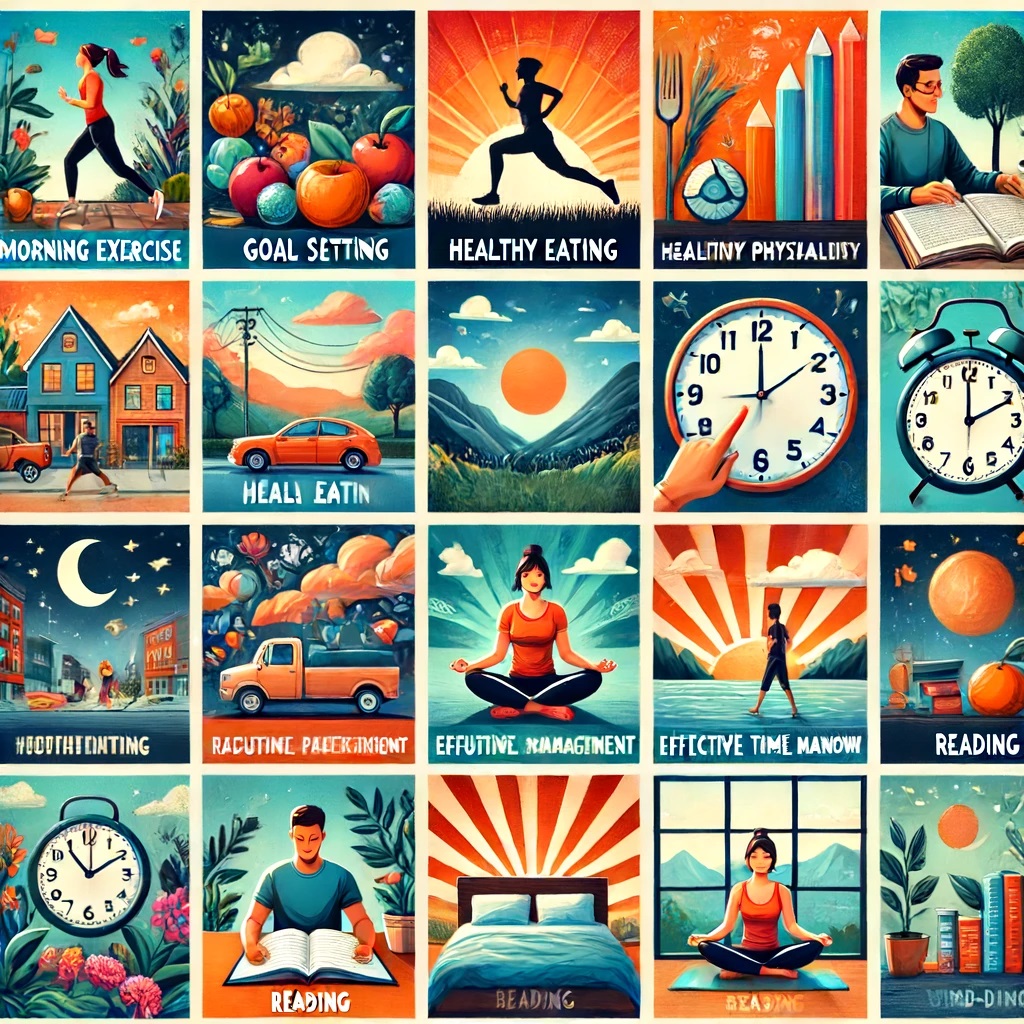
Productivity isn’t just about working hard; it’s about working smart. Successful people across various fields often share common habits that help them stay productive and maintain a healthy work-life balance. Here are some of their top tips and practices that you can incorporate into your daily routine for a more productive and fulfilling day.

1. Start Your Day Early

Many successful people, including CEOs and entrepreneurs, swear by the habit of waking up early. Starting your day early gives you a head start and allows you to tackle important tasks before the day gets busy.

  • Example: Apple CEO Tim Cook reportedly wakes up at 4:30 AM to get a head start on his day. Use the early morning hours for activities like exercise, meditation, or planning your day.

2. Prioritize Exercise

Regular physical activity is crucial for maintaining energy levels and mental clarity. Exercise helps reduce stress, improve mood, and increase overall productivity.

  • Example: Former First Lady Michelle Obama makes time for a daily workout. Aim for at least 30 minutes of physical activity, whether it’s a morning jog, a yoga session, or a trip to the gym.

3. Practice Mindfulness and Meditation

Mindfulness and meditation can help you stay focused, reduce stress, and improve mental clarity. Incorporating these practices into your daily routine can enhance your overall well-being and productivity.

  • Example: Media mogul Oprah Winfrey practices meditation daily. Spend a few minutes each morning in meditation or practice mindfulness throughout the day to stay present and focused.

4. Plan Your Day

Planning your day ahead of time helps you stay organized and ensures that you tackle your most important tasks. Use tools like to-do lists, calendars, or productivity apps to keep track of your schedule.

  • Example: Virgin Group founder Richard Branson uses lists to stay organized. Start your day by listing your top priorities and allocating specific times for each task.

5. Maintain a Healthy Diet

What you eat can significantly impact your energy levels and productivity. A balanced diet that includes plenty of fruits, vegetables, whole grains, and lean proteins can help you stay focused and energized throughout the day.

  • Example: Facebook COO Sheryl Sandberg emphasizes the importance of a healthy diet. Prepare nutritious meals and snacks ahead of time to avoid unhealthy choices during busy days.

6. Take Regular Breaks

Taking regular breaks is essential for maintaining productivity and preventing burnout. Short breaks can help you recharge and return to your tasks with renewed focus.

  • Example: Google encourages employees to take breaks and even provides nap pods in their offices. Use techniques like the Pomodoro Technique, where you work for 25 minutes and then take a 5-minute break.

7. Set Clear Goals

Setting clear, achievable goals helps you stay focused and motivated. Break down larger goals into smaller, manageable tasks and track your progress.

  • Example: Tesla and SpaceX CEO Elon Musk sets clear goals and timelines for his projects. Use SMART goals (Specific, Measurable, Achievable, Relevant, Time-bound) to outline your objectives.

8. Stay Hydrated

Staying hydrated is essential for maintaining concentration and energy levels. Keep a water bottle with you and make it a habit to drink water throughout the day.

  • Example: Model and entrepreneur Miranda Kerr emphasizes the importance of staying hydrated. Aim to drink at least eight glasses of water daily.

9. Foster a Positive Mindset

A positive mindset can significantly impact your productivity and overall happiness. Practice gratitude, stay optimistic, and focus on the positives in your life.

  • Example: Motivational speaker and author Tony Robbins practices gratitude daily. Start your day by listing things you are grateful for to cultivate a positive outlook.

10. Get Enough Sleep

Adequate sleep is crucial for cognitive function, memory, and overall health. Ensure you get 7-9 hours of quality sleep each night to stay productive and alert.

  • Example: Amazon founder Jeff Bezos prioritizes sleep to maintain productivity. Establish a relaxing bedtime routine and create a sleep-friendly environment to improve your sleep quality.

Digital Detox: How to Unplug and Reconnect with Life

In today’s fast-paced world, we are constantly surrounded by digital devices that demand our attention. While technology offers numerous benefits, it can also lead to stress, anxiety, and a sense of disconnection from the real world. A digital detox can help you unplug, reduce screen time, and reconnect with life. Here are some practical steps to help you embark on a successful digital detox.

Understanding the Need for a Digital Detox

Excessive screen time can have negative effects on both mental and physical health. It can lead to eye strain, poor posture, sleep disturbances, and increased stress levels. A digital detox allows you to take a break from technology, helping you regain balance and improve overall well-being.

Set Clear Goals and Boundaries

Start by setting clear goals for your digital detox. Determine what you want to achieve, whether it’s reducing screen time, improving sleep quality, or spending more time with loved ones. Establish specific boundaries, such as no screens during meals, no phone use after a certain hour, or designated screen-free days.

Create a Tech-Free Zone

Designate certain areas of your home as tech-free zones. For example, make your bedroom a sanctuary for rest and relaxation by removing all electronic devices. This can help improve sleep quality and create a peaceful environment. Similarly, create tech-free spaces in your living room or dining area to encourage face-to-face interactions.

Schedule Regular Digital Breaks

Incorporate regular digital breaks into your daily routine. Use techniques like the Pomodoro Technique, where you work for 25 minutes and then take a 5-minute break without any screens. During these breaks, engage in activities that relax and refresh you, such as stretching, deep breathing, or taking a short walk.

Engage in Offline Activities

Rediscover the joy of offline activities that don’t involve screens. Read a book, practice a hobby, exercise, or spend time outdoors. Engage in activities that stimulate your mind and body without the use of technology. For instance, take up gardening, painting, or cooking, and enjoy the satisfaction of creating something tangible.

Reconnect with Nature

Spending time in nature is a powerful way to disconnect from digital devices and reconnect with the world around you. Go for hikes, visit parks, or simply take a walk in your neighborhood. Nature has a calming effect that can reduce stress and improve mental clarity.

Practice Mindfulness and Meditation

Mindfulness and meditation can help you stay present and reduce the urge to constantly check your devices. Set aside time each day for mindfulness practices, such as meditation, deep breathing, or yoga. These practices can help you become more aware of your digital habits and make conscious choices about your screen time.

Limit Social Media Use

Social media can be a major source of distraction and stress. Limit your social media use by setting specific times for checking your accounts and avoiding mindless scrolling. Consider using apps that track and limit your social media usage. You can also declutter your feed by unfollowing accounts that don’t add value to your life.

Communicate Your Intentions

Inform your friends, family, and colleagues about your digital detox plans. This helps set expectations and reduces the likelihood of interruptions. Let them know how they can reach you in case of emergencies. By communicating your intentions, you also gain their support and understanding.

Reflect and Adjust

At the end of your digital detox, take time to reflect on your experience. Assess how the detox has impacted your well-being and identify any changes in your habits. Use this reflection to adjust your digital usage going forward. Consider making digital detoxes a regular practice, such as once a month or during vacations, to maintain a healthy balance.

High-Protein Meal Plan for a Week to Build Muscle

Building muscle requires a diet rich in protein to support muscle repair and growth. Here’s a high-protein meal plan for a week designed to help you build muscle effectively.

Day 1:

Breakfast: Scrambled eggs with spinach and feta cheese Snack: Greek yogurt with berries Lunch: Grilled chicken breast with quinoa and steamed broccoli Snack: Cottage cheese with pineapple Dinner: Baked salmon with sweet potatoes and asparagus

Day 2:

Breakfast: Protein smoothie with whey protein, banana, and almond milk Snack: Handful of almonds Lunch: Turkey and avocado wrap with whole-grain tortilla Snack: Hard-boiled eggs Dinner: Beef stir-fry with bell peppers, onions, and brown rice

Day 3:

Breakfast: Oatmeal with protein powder, chia seeds, and mixed berries Snack: Edamame Lunch: Tuna salad with mixed greens and olive oil dressing Snack: Protein bar Dinner: Chicken thighs with roasted Brussels sprouts and wild rice

Day 4:

Breakfast: Cottage cheese with sliced peaches and a sprinkle of granola Snack: Celery sticks with peanut butter Lunch: Lentil soup with a side of mixed vegetables Snack: String cheese Dinner: Grilled shrimp with quinoa and a side salad

Day 5:

Breakfast: Smoothie bowl with protein powder, spinach, banana, and flax seeds Snack: Roasted chickpeas Lunch: Chicken Caesar salad with a light dressing Snack: Pumpkin seeds Dinner: Pork chops with mashed sweet potatoes and green beans

Day 6:

Breakfast: Whole grain toast with avocado and poached eggs Snack: Protein shake Lunch: Black bean and quinoa salad with lime dressing Snack: Sliced turkey breast Dinner: Baked cod with brown rice and sautéed spinach

Day 7:

Breakfast: Greek yogurt parfait with granola and honey Snack: Mixed nuts Lunch: Grilled tofu with mixed vegetables and farro Snack: Apple slices with almond butter Dinner: Lamb chops with roasted carrots and parsnips

Harnessing the Power of Herbs: Natural Remedies for Common Ailments

Herbs have been used for centuries to treat various ailments and promote overall health. By incorporating natural remedies into your daily routine, you can take advantage of the healing properties of herbs to address common health issues. Here are some effective herbal remedies for common ailments, along with practical tips on how to use them.

1. Chamomile for Anxiety and Insomnia

Chamomile is known for its calming and soothing properties. It can help reduce anxiety and promote better sleep.

  • How to Use: Brew a cup of chamomile tea by steeping dried chamomile flowers in hot water for 5-10 minutes. Drink it before bedtime to relax and improve sleep quality.

2. Ginger for Nausea and Digestive Issues

Ginger is a powerful herb for treating nausea, motion sickness, and various digestive problems.

  • How to Use: Slice fresh ginger and steep it in hot water to make ginger tea. You can also chew on a small piece of raw ginger or take ginger supplements to alleviate nausea and improve digestion.

3. Peppermint for Headaches and Indigestion

Peppermint is effective in relieving headaches, migraines, and digestive issues such as bloating and indigestion.

  • How to Use: Drink peppermint tea made from fresh or dried peppermint leaves. You can also apply diluted peppermint oil to your temples to ease headache pain or inhale the aroma for a calming effect.

4. Echinacea for Immune Support

Echinacea is commonly used to boost the immune system and reduce the duration of colds and flu.

  • How to Use: Take echinacea supplements or drink echinacea tea during the onset of cold symptoms. For tea, steep dried echinacea leaves and flowers in hot water for 10-15 minutes.

5. Turmeric for Inflammation and Joint Pain

Turmeric contains curcumin, a compound with strong anti-inflammatory and antioxidant properties. It is beneficial for reducing inflammation and joint pain.

  • How to Use: Add turmeric powder to your cooking, make turmeric tea by boiling water with turmeric and a pinch of black pepper, or take curcumin supplements for more concentrated effects.

6. Lavender for Stress and Skin Irritations

Lavender is known for its relaxing aroma and can be used to relieve stress, anxiety, and skin irritations.

  • How to Use: Use lavender essential oil in a diffuser to create a calming atmosphere or add a few drops to a warm bath. For skin irritations, dilute lavender oil with a carrier oil and apply it to the affected area.

7. Garlic for Cardiovascular Health

Garlic is renowned for its cardiovascular benefits, including lowering blood pressure and cholesterol levels.

  • How to Use: Incorporate raw or cooked garlic into your meals. For a more potent effect, take garlic supplements after consulting with a healthcare provider.

8. Aloe Vera for Skin Conditions and Digestive Health

Aloe vera is commonly used for treating skin conditions like burns, cuts, and eczema. It also supports digestive health.

  • How to Use: Apply fresh aloe vera gel directly to the skin for burns and irritations. For digestive benefits, drink aloe vera juice or take aloe supplements.

9. Holy Basil (Tulsi) for Respiratory Health

Holy basil, also known as Tulsi, is effective in treating respiratory issues such as colds, coughs, and asthma.

  • How to Use: Brew Tulsi tea by steeping fresh or dried leaves in hot water. Drink it regularly to support respiratory health and boost immunity.

10. Rosemary for Cognitive Function

Rosemary is known to improve memory and cognitive function. It also has antioxidant and anti-inflammatory properties.

  • How to Use: Use fresh or dried rosemary in cooking, or brew rosemary tea. Inhaling rosemary essential oil can also help enhance focus and memory.

Eco-Friendly Living: Simple Steps to a Sustainable Lifestyle

Adopting an eco-friendly lifestyle is essential for preserving our planet and ensuring a sustainable future. By making small, conscious changes in our daily habits, we can significantly reduce our environmental footprint. Here are some practical steps to help you live more sustainably and contribute to a healthier planet.

Reduce, Reuse, Recycle

One of the most effective ways to live sustainably is by following the three R’s: reduce, reuse, and recycle. Start by minimizing your waste production. For example, choose products with minimal packaging, buy in bulk to reduce plastic use, and avoid single-use items. Reuse items whenever possible; for instance, repurpose glass jars for storage or use cloth bags for shopping. Finally, recycle properly by sorting your waste according to local recycling guidelines.

Energy Efficiency

Reducing energy consumption is crucial for lowering your carbon footprint. Simple changes can make a big difference. Switch to energy-efficient appliances, use LED light bulbs, and unplug devices when not in use. Additionally, consider installing a programmable thermostat to optimize heating and cooling in your home. For example, set your thermostat to lower temperatures at night or when you’re away from home.

Water Conservation

Conserving water is vital for sustainability. Take shorter showers, fix leaks promptly, and install water-saving fixtures like low-flow showerheads and faucets. Collect rainwater for gardening and use a broom instead of a hose to clean driveways and sidewalks. For instance, turn off the tap while brushing your teeth or washing dishes to save water.

Sustainable Transportation

Opt for eco-friendly transportation methods to reduce your carbon emissions. Walk, bike, carpool, or use public transportation whenever possible. If you drive, maintain your vehicle regularly to ensure it runs efficiently and consider switching to a hybrid or electric car. For example, plan your errands to minimize driving or join a carpool group for your daily commute.

Support Sustainable Brands

Choose products from companies that prioritize sustainability. Look for certifications such as Fair Trade, organic, or cruelty-free. Support local businesses and farmers’ markets to reduce transportation emissions and promote the local economy. For instance, buy eco-friendly cleaning products or clothing made from sustainable materials like organic cotton or recycled fabrics.

Reduce Plastic Use

Plastic pollution is a significant environmental issue. Reduce your plastic consumption by using reusable bags, bottles, and containers. Avoid products with excessive plastic packaging and choose alternatives like glass, metal, or biodegradable materials. For example, bring your reusable coffee cup to your favorite café or use beeswax wraps instead of plastic wrap.

Mindful Eating

Adopting a sustainable diet can have a positive impact on the environment. Reduce meat consumption and incorporate more plant-based foods into your diet. Choose organic and locally-sourced produce to minimize your carbon footprint. For instance, participate in Meatless Mondays or start a small vegetable garden at home.

Eco-Friendly Home

Create a sustainable home environment by using eco-friendly materials and practices. Insulate your home to reduce energy use, choose non-toxic paints and cleaning products, and incorporate natural light and ventilation. For example, use bamboo flooring or furniture made from reclaimed wood to reduce your environmental impact.

Waste Reduction

Minimize waste by composting food scraps and yard waste. Composting not only reduces landfill waste but also creates nutrient-rich soil for gardening. For instance, start a compost bin in your backyard or participate in a community composting program.

Educate and Advocate

Spread awareness about the importance of sustainability. Educate yourself and others about environmental issues and advocate for eco-friendly practices in your community. Join local environmental groups, participate in clean-up events, or support policies that promote sustainability. For example, organize a neighborhood recycling drive or advocate for bike lanes in your city.

The Science of Happiness: Proven Strategies for a Joyful Life

Happiness is a universal pursuit, yet achieving it can sometimes feel elusive. However, scientific research has uncovered several proven strategies that can help enhance joy and overall well-being. In this blog post, we’ll explore these strategies and provide practical tips to incorporate them into your daily life for a more fulfilling and joyful existence.

Gratitude Practice

Gratitude is a powerful emotion that can significantly boost happiness. Studies have shown that regularly expressing gratitude can improve mood, increase resilience, and strengthen relationships. To incorporate gratitude into your daily routine, start a gratitude journal. Each day, write down three things you are grateful for. This simple practice can shift your focus from what you lack to what you have, fostering a sense of appreciation and contentment.

Positive Relationships

Strong social connections are crucial for happiness. Building and maintaining positive relationships with family, friends, and colleagues can provide emotional support, increase feelings of belonging, and enhance overall life satisfaction. Make time to nurture your relationships by scheduling regular catch-ups, engaging in meaningful conversations, and showing appreciation for the people in your life. For example, organize a weekly family dinner or a monthly outing with friends to strengthen your bonds.

Mindfulness and Meditation

Mindfulness and meditation practices can help reduce stress, increase self-awareness, and promote emotional well-being. Research has shown that regular mindfulness meditation can enhance focus, improve mood, and reduce symptoms of anxiety and depression. To start, find a quiet place, sit comfortably, and focus on your breath. When your mind wanders, gently bring it back to your breath. Apps like Headspace and Calm offer guided meditations that can help you develop a consistent practice.

Acts of Kindness

Performing acts of kindness can boost happiness by fostering a sense of connection and purpose. Small gestures, such as helping a neighbor, volunteering, or simply offering a kind word, can make a big difference in someone else’s life and your own. Challenge yourself to perform one act of kindness each day. For instance, pay for someone’s coffee, help a colleague with a task, or write a thank-you note to express your appreciation.

Physical Activity

Regular physical activity is not only beneficial for your physical health but also for your mental well-being. Exercise releases endorphins, which are natural mood lifters. Aim for at least 30 minutes of moderate exercise most days of the week. Choose activities you enjoy, such as walking, dancing, swimming, or playing a sport. For example, start your day with a morning jog, join a local dance class, or take evening walks in your neighborhood.

Pursuing Meaningful Goals

Setting and pursuing meaningful goals can provide a sense of purpose and direction in life. When your goals align with your values and passions, achieving them can bring a deep sense of fulfillment. Break your goals into manageable steps and celebrate your progress along the way. For instance, if your goal is to learn a new skill, such as playing an instrument or speaking a new language, set aside dedicated time each week to practice and track your improvement.

Cultivating Optimism

Optimism is the ability to focus on the positive aspects of life and expect good things to happen. Cultivating optimism can enhance resilience, improve health, and increase happiness. Practice reframing negative thoughts into positive ones. For example, instead of thinking, “I can’t do this,” shift your mindset to, “This is challenging, but I can learn and grow from it.” Surround yourself with positive influences and inspirational content to reinforce an optimistic outlook.

Engaging in Hobbies and Interests

Participating in activities you enjoy can bring joy and satisfaction to your life. Hobbies and interests provide opportunities for creativity, relaxation, and social interaction. Make time for activities that excite and engage you, whether it’s painting, gardening, reading, or playing a musical instrument. For example, join a book club, take up a new hobby, or dedicate a weekend afternoon to a creative project.

Sleep and Relaxation

Adequate sleep and relaxation are essential for maintaining mental and physical health. Lack of sleep can negatively impact mood, cognitive function, and overall well-being. Aim for 7-9 hours of sleep each night and establish a relaxing bedtime routine to improve sleep quality. Techniques such as deep breathing, progressive muscle relaxation, or reading a book can help you unwind and prepare for a restful night’s sleep.

Wellness Wisdom from Around the World

Explore various wellness practices and traditions from different cultures around the world. This blog post highlights unique wellness rituals, natural remedies, and healthy habits from diverse cultures, offering readers a global perspective on health and well-being.

Japanese Forest Bathing (Shinrin-yoku)

Shinrin-yoku, or forest bathing, is a Japanese practice that involves immersing oneself in nature to improve mental and physical health. This practice encourages individuals to spend time in forests, taking in the sights, sounds, and smells of nature to promote relaxation and reduce stress.

In Japan, people often visit designated forest therapy trails to practice Shinrin-yoku. Studies have shown that spending time in forests can lower cortisol levels, reduce blood pressure, and enhance immune function. To incorporate forest bathing into your life, find a local park or nature reserve and spend time walking mindfully, focusing on the natural environment around you.

Indian Ayurvedic Practices

Ayurveda is a traditional Indian system of medicine that focuses on balance and harmony in the body through diet, herbal remedies, and lifestyle practices. Ayurvedic practices such as oil pulling, drinking herbal teas, and following dosha-balancing diets are integral to maintaining health.

For example, oil pulling involves swishing sesame or coconut oil in the mouth for 10-20 minutes to improve oral health. Herbal teas made from ingredients like turmeric, ginger, and tulsi are used to support digestion and immunity. Simple Ayurvedic routines, like waking up early, practicing yoga, and eating according to your dosha (body type), can help promote overall well-being.

Scandinavian Hygge

Hygge is a Danish and Norwegian concept that emphasizes coziness, comfort, and contentment through simple pleasures. Creating a hygge-inspired environment can improve mental health by fostering a sense of warmth and relaxation.

To cultivate hygge, focus on creating a cozy atmosphere at home. Light candles, wrap yourself in a warm blanket, and enjoy a hot beverage like tea or cocoa. Spend quality time with loved ones, engage in activities like reading or crafting, and appreciate the small moments of joy in everyday life.

Traditional Chinese Medicine (TCM)

TCM includes practices like acupuncture, herbal medicine, and Tai Chi to promote health and balance in the body. The principles of TCM focus on the flow of Qi (energy) and the balance of Yin and Yang.

Acupuncture involves inserting thin needles into specific points on the body to stimulate energy flow and relieve pain. Tai Chi, a form of gentle martial arts, combines slow movements with deep breathing to improve balance, flexibility, and mental clarity. Incorporate TCM herbs like ginseng, goji berries, and astragalus into your diet to support overall health.

Mediterranean Diet

The Mediterranean diet, inspired by the traditional eating habits of Mediterranean countries, is known for its health benefits, including heart health and longevity. This diet emphasizes fresh vegetables, fruits, whole grains, olive oil, and lean proteins like fish and poultry.

To adopt the Mediterranean diet, incorporate more plant-based foods into your meals, use olive oil as your primary fat source, and include fish in your diet at least twice a week. Enjoy meals with family and friends, savoring the flavors and fostering a sense of community.

African Herbal Remedies

Many African cultures use herbal remedies for healing and wellness, relying on the medicinal properties of native plants. Herbs like moringa, baobab, and rooibos are widely used for their health benefits.

Moringa leaves are rich in vitamins and minerals and can be added to smoothies or salads. Baobab fruit is high in vitamin C and can be used in baking or mixed into drinks. Rooibos tea, made from the leaves of a South African shrub, is known for its antioxidant properties and can be enjoyed hot or cold.

South American Mate Rituals

Mate is a traditional South American drink made from the leaves of the yerba mate plant, known for its stimulating and health-boosting properties. In countries like Argentina and Uruguay, drinking mate is a social ritual that brings people together.

To prepare mate, fill a gourd with yerba mate leaves, add hot water, and sip through a metal straw called a bombilla. Mate is rich in antioxidants and nutrients, providing an energy boost without the jitters of coffee. Incorporate mate into your daily routine to experience its unique benefits.

A Day in the Life of a Mindful Executive

Explore a typical day of a mindful executive who balances work responsibilities with mindfulness practices and healthy habits to maintain well-being and productivity.

Morning Routine: The mindful executive begins the day with intentional practices to set a positive tone.

Example: Wake up at 6 AM and start the day with a glass of warm lemon water. Spend 10 minutes practicing mindfulness meditation, followed by a light stretching routine to awaken the body.

Healthy Breakfast: A nourishing breakfast fuels the body and mind for the busy day ahead.

Example: Prepare a bowl of oatmeal topped with fresh berries, nuts, and a drizzle of honey. Enjoy this while reviewing the day’s schedule and setting intentions.

Commute with Purpose: Use the commute time as an opportunity for mindfulness or learning.

Example: Listen to a motivational podcast or an audiobook related to personal development during the commute to the office.

Mindful Work Practices: Incorporate mindfulness techniques to stay focused and calm throughout the workday.

Example: Begin the workday with a brief team meditation or mindfulness exercise. Schedule short breaks between meetings to stretch, breathe, and reset.

Lunch Break: Enjoy a balanced meal that supports sustained energy and mental clarity.

Example: Have a quinoa salad with mixed greens, avocado, cherry tomatoes, and grilled salmon. Take a walk outside after lunch to get fresh air and clear the mind.

Afternoon Focus: Maintain productivity with focused work periods and mindful breaks.

Example: Use the Pomodoro Technique to break work into intervals with short breaks. During breaks, practice deep breathing or do a quick mindfulness exercise.

Evening Wind-Down: Transition from work to personal time with activities that promote relaxation and well-being.

Example: Leave the office by 6 PM and head to a yoga class to unwind and release tension. Follow this with a light, nutritious dinner at home.

Family Time and Relaxation: Spend quality time with loved ones and engage in relaxing activities.

Example: Have a family dinner, then engage in a calming activity such as reading, playing a board game, or taking a walk together.

Nighttime Routine: Create a peaceful evening routine to prepare for restful sleep.

Example: Take a warm bath with lavender essential oil, followed by a cup of chamomile tea. Reflect on the day with a gratitude journal and set positive intentions for the next day.

A Day in the Life of a Wellness Enthusiast

Explore a day in the life of someone who is passionate about wellness. This blog post can highlight various healthy habits, activities, and routines that promote physical and mental well-being. The narrative style can make it engaging and relatable.

Morning Routine: The wellness enthusiast starts their day with a series of healthy habits.

Example: Wake up early and begin the day with a glass of warm lemon water to kickstart digestion. Follow this with a 20-minute yoga session to stretch and energize the body.

Healthy Breakfast: A nutrient-rich breakfast is essential for fueling the day.

Example: Prepare a smoothie bowl with spinach, banana, berries, chia seeds, and almond milk. Top it with granola and fresh fruit for added texture and flavor.

Mindfulness Practice: Incorporate mindfulness to maintain mental clarity and focus.

Example: Spend 10 minutes meditating or practicing deep breathing exercises. This helps set a positive tone for the rest of the day.

Work and Productivity: Balance work responsibilities with wellness breaks.

Example: During work hours, take short breaks to stand, stretch, and walk around. This helps maintain physical health and mental sharpness.

Lunch Break: Enjoy a balanced meal that supports energy and concentration.

Example: Have a salad with mixed greens, quinoa, avocado, cherry tomatoes, and grilled chicken, dressed with olive oil and lemon juice.

Afternoon Activities: Engage in activities that promote relaxation and creativity.

Example: Take a walk in nature or visit a park to unwind and rejuvenate. Alternatively, spend time on a creative hobby like painting or playing a musical instrument.

Evening Exercise: Stay active with an enjoyable workout session.

Example: Join a dance class or go for a bike ride. Choose activities that are fun and keep you motivated.

Dinner and Relaxation: End the day with a light, nutritious dinner and relaxation techniques.

Example: Prepare a vegetable stir-fry with tofu or fish, and enjoy it with brown rice. After dinner, practice gentle stretching or read a book to wind down.

Nighttime Routine: Create a calming bedtime routine to ensure restful sleep.

Example: Take a warm bath with Epsom salts, followed by a cup of chamomile tea. Reflect on the day with a gratitude journal and set intentions for the next day.

The Benefits of Regular Exercise for Mental Health

Regular exercise is not only essential for physical health but also has profound benefits for mental health. Engaging in physical activities can help reduce stress, improve mood, boost self-esteem, and enhance overall well-being. Here’s how regular exercise can positively impact your mental health.

Reducing Stress and Anxiety: Exercise helps lower stress levels and reduce anxiety. Physical activity increases the production of endorphins, which are natural mood lifters.

Example: Incorporate activities like jogging, swimming, or cycling into your routine to help alleviate stress and anxiety.

Improving Mood and Fighting Depression: Regular exercise can improve mood and act as a natural antidepressant. It helps increase the production of serotonin, a neurotransmitter that plays a crucial role in mood regulation.

Example: Join a fitness class or engage in a group sport to boost your mood and combat feelings of depression.

Boosting Self-Esteem and Confidence: Exercise can help improve self-esteem and confidence by enhancing your physical appearance and overall health. Achieving fitness goals can provide a sense of accomplishment.

Example: Set achievable fitness goals, such as running a 5K or mastering a new yoga pose, to build confidence and self-esteem.

Enhancing Cognitive Function: Physical activity improves cognitive function by increasing blood flow to the brain. It can enhance memory, concentration, and overall brain health.

Example: Incorporate exercises that require coordination and focus, such as dance or martial arts, to boost cognitive function.

Promoting Better Sleep: Regular exercise can help improve sleep quality and duration. Physical activity helps regulate your sleep-wake cycle and can alleviate insomnia.

Example: Engage in moderate-intensity exercises like brisk walking or swimming during the day to promote better sleep at night.

Providing Social Support: Participating in group exercises or sports can provide social support and reduce feelings of loneliness and isolation.

Example: Join a local sports team, fitness class, or running club to build social connections and enjoy the mental health benefits of exercise.

Practical Tips for Incorporating Exercise into Your Routine:

  1. Choose Activities You Enjoy:
    • Find physical activities that you enjoy and are more likely to stick with, such as dancing, hiking, or swimming.
  2. Set Realistic Goals:
    • Start with small, achievable goals and gradually increase the intensity and duration of your workouts.
  3. Make It a Habit:
    • Schedule regular exercise sessions into your daily routine to make it a consistent habit.
  4. Stay Motivated:
    • Keep yourself motivated by tracking your progress, joining exercise groups, or working out with a friend.

By incorporating regular exercise into your routine, you can experience significant improvements in your mental health and overall well-being.