

Herbal Teas for Wellness: Natural Remedies in a Cup

Herbal teas have been cherished for centuries as natural remedies for various ailments and to promote overall wellness. These teas, made from the leaves, flowers, seeds, and roots of different plants, offer unique health benefits. Here are some popular herbal teas and their wellness benefits, along with practical tips for incorporating them into your daily routine.

1. Chamomile Tea

Chamomile tea is renowned for its calming and soothing properties. It’s often used to reduce stress, promote relaxation, and improve sleep quality.

  • Benefits: Reduces anxiety, aids in digestion, and relieves insomnia.
  • Example: Drink a cup of chamomile tea before bedtime to help unwind and improve your sleep quality.

2. Peppermint Tea

Peppermint tea is refreshing and invigorating. It’s commonly used to relieve digestive issues and improve respiratory function.

  • Benefits: Eases indigestion, reduces nausea, and alleviates headaches.
  • Example: Sip on peppermint tea after meals to aid digestion and freshen your breath.

3. Ginger Tea

Ginger tea is a powerful remedy for nausea and digestive discomfort. It’s also known for its anti-inflammatory and immune-boosting properties.

  • Benefits: Relieves nausea, reduces inflammation, and boosts the immune system.
  • Example: Brew ginger tea when you’re feeling nauseous or to support your immune system during cold and flu season.

4. Hibiscus Tea

Hibiscus tea is a vibrant, tangy beverage rich in antioxidants. It’s known for its ability to lower blood pressure and support heart health.

  • Benefits: Lowers blood pressure, supports cardiovascular health, and provides antioxidant protection.
  • Example: Enjoy a refreshing glass of hibiscus tea iced on a hot day to stay hydrated and boost your heart health.

5. Echinacea Tea

Echinacea tea is widely used to boost the immune system and fight off infections. It’s particularly popular during the cold and flu season.

  • Benefits: Boosts the immune system, reduces the duration of colds, and fights infections.
  • Example: Drink echinacea tea at the first sign of a cold to help your body fend off the illness.

6. Rooibos Tea

Rooibos tea, also known as red bush tea, is caffeine-free and packed with antioxidants. It’s known for its anti-inflammatory properties and ability to promote skin health.

  • Benefits: Reduces inflammation, promotes healthy skin, and supports heart health.
  • Example: Include rooibos tea in your daily routine for a caffeine-free antioxidant boost.

7. Lemon Balm Tea

Lemon balm tea has a mild lemony flavor and is known for its calming effects. It’s often used to reduce anxiety and improve cognitive function.

  • Benefits: Reduces anxiety, improves mood, and enhances cognitive function.
  • Example: Drink lemon balm tea during stressful times to calm your nerves and improve focus.

8. Turmeric Tea

Turmeric tea, also known as golden milk, is renowned for its anti-inflammatory and antioxidant properties. It’s often used to support joint health and boost the immune system.

  • Benefits: Reduces inflammation, supports joint health, and boosts the immune system.
  • Example: Enjoy a warm cup of turmeric tea in the evening to benefit from its anti-inflammatory properties.

9. Lavender Tea

Lavender tea is soothing and aromatic. It’s commonly used to promote relaxation and alleviate headaches.

  • Benefits: Promotes relaxation, reduces anxiety, and alleviates headaches.
  • Example: Sip on lavender tea when you need to relax or before bedtime to help you sleep.

10. Dandelion Tea

Dandelion tea is a natural detoxifier and diuretic. It’s often used to support liver health and digestion.

  • Benefits: Supports liver health, aids digestion, and acts as a diuretic.
  • Example: Drink dandelion tea after a heavy meal to support digestion and detoxification.

How to Brew Herbal Teas

Brewing herbal tea is simple and can be done using fresh or dried herbs. Here’s a basic guide:

  1. Measure the Herbs: Use about 1 teaspoon of dried herbs or 1 tablespoon of fresh herbs per cup of water.
  2. Boil the Water: Bring water to a boil, then let it cool slightly before pouring over the herbs.
  3. Steep: Cover and steep the herbs for 5-10 minutes, depending on the desired strength.
  4. Strain: Strain the herbs from the water and enjoy your tea.

Incorporating Herbal Teas into Your Routine

  • Morning Boost: Start your day with an energizing tea like ginger or peppermint.
  • Midday Refresh: Enjoy a cup of hibiscus or lemon balm tea to recharge in the afternoon.
  • Evening Relaxation: Unwind with chamomile or lavender tea before bed.

Healing with Crystals: Harnessing the Power of Gemstones

Crystals and gemstones have been used for centuries for their healing properties and ability to enhance well-being. Each crystal has unique energy and benefits, making them powerful tools for physical, emotional, and spiritual healing. Here’s how you can harness the power of gemstones to improve your overall health and well-being.

Understanding Crystal Healing

Crystal healing involves placing gemstones on or around the body to draw out negative energy, balance the body’s energy, and promote healing. The belief is that crystals interact with the body’s energy field, or chakra system, to restore harmony and health.

Popular Healing Crystals and Their Benefits

1. Amethyst

Amethyst is known for its calming and protective properties. It’s often used to reduce stress, enhance spiritual awareness, and promote restful sleep.

  • Example: Place an amethyst crystal under your pillow or on your nightstand to help improve sleep quality and reduce insomnia.

2. Rose Quartz

Rose quartz is the stone of love and compassion. It’s believed to promote self-love, emotional healing, and harmony in relationships.

  • Example: Wear a rose quartz pendant or keep a small stone in your pocket to encourage feelings of love and compassion throughout the day.

3. Clear Quartz

Clear quartz is known as the “master healer” for its ability to amplify energy and thought. It’s used to enhance clarity, focus, and overall energy.

  • Example: Meditate with a clear quartz crystal to clear your mind and enhance your focus during meditation sessions.

4. Citrine

Citrine is associated with prosperity and abundance. It’s believed to attract success, wealth, and positive energy.

  • Example: Place a citrine crystal in your workspace or wallet to attract financial success and abundance.

5. Black Tourmaline

Black tourmaline is a powerful grounding stone that protects against negative energy and electromagnetic radiation.

  • Example: Keep a piece of black tourmaline near your computer or carry it with you to protect against negative energy and EMF exposure.

6. Selenite

Selenite is known for its purifying and cleansing properties. It’s used to clear negative energy and enhance mental clarity.

  • Example: Use a selenite wand to cleanse your aura or place selenite crystals in your home to promote a peaceful environment.

7. Labradorite

Labradorite is a stone of transformation and protection. It’s believed to enhance intuition, psychic abilities, and spiritual growth.

  • Example: Meditate with labradorite to enhance your intuition and connect with your higher self.

8. Hematite

Hematite is a grounding and protective stone. It’s used to absorb negative energy and promote emotional stability.

  • Example: Wear a hematite bracelet to stay grounded and protect yourself from negative energy throughout the day.

How to Use Healing Crystals

1. Wear Them as Jewelry

One of the easiest ways to benefit from crystals is by wearing them as jewelry. This keeps the crystals close to your body, allowing you to absorb their energy throughout the day.

  • Example: Choose crystal bracelets, necklaces, or rings made from your favorite gemstones to wear daily.

2. Place Them in Your Environment

Placing crystals in your home or workspace can help create a positive and healing environment.

  • Example: Arrange crystals in a grid or place them in areas where you spend a lot of time, such as your bedroom, living room, or office.

3. Meditate with Crystals

Meditating with crystals can enhance your meditation practice by providing focus and amplifying your intentions.

  • Example: Hold a crystal in your hand or place it on your body while meditating to deepen your meditation and connect with the crystal’s energy.

4. Use Them in Healing Practices

Crystals can be incorporated into various healing practices, such as Reiki, chakra balancing, and massage therapy.

  • Example: Place specific crystals on different chakra points to balance and align your energy centers during a healing session.

5. Create Crystal Elixirs

Crystal elixirs are made by infusing water with the energy of crystals. Drinking crystal-infused water can help you absorb the crystal’s healing properties.

  • Example: Place a cleansed crystal in a glass of water and let it sit for several hours or overnight. Remove the crystal and drink the infused water.

Cleansing and Charging Your Crystals

It’s important to regularly cleanse and charge your crystals to maintain their energy and effectiveness.

  • Example: Cleanse your crystals by rinsing them under running water, smudging them with sage, or placing them in sunlight or moonlight. Charge them by placing them on a selenite slab or in a crystal grid.

The Power of Positive Thinking: Transform Your Life with Optimism

Positive thinking is more than just a habit; it’s a powerful tool that can transform your life in numerous ways. By adopting a positive mindset, you can improve your mental health, enhance your physical well-being, and create a more fulfilling and optimistic life. Here’s how positive thinking can make a difference and practical ways to cultivate it in your daily life.

Understanding Positive Thinking: Positive thinking involves focusing on the good in any situation and maintaining an optimistic outlook. It doesn’t mean ignoring life’s challenges but rather approaching them with a positive attitude. For example, when faced with a setback at work, instead of feeling defeated, you might view it as an opportunity to learn and grow.

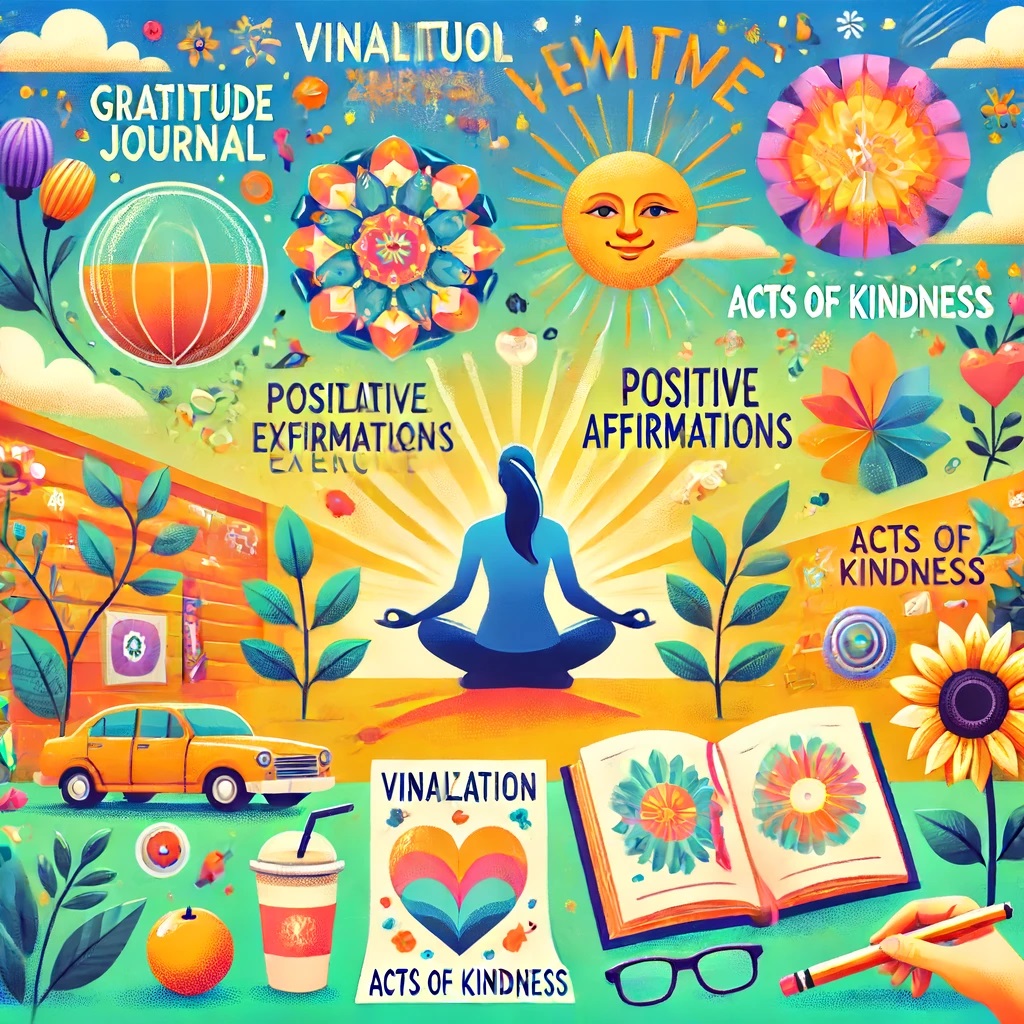
Daily Affirmations: Using daily affirmations can help promote positive thinking. For instance, start your day with affirmations like “I am capable and strong,” “I can handle whatever comes my way,” or “Today will be a great day.” Repeating these affirmations can help set a positive tone for your day.

Gratitude Practice: Incorporating gratitude into your routine can shift your focus from what’s lacking to what you have. Consider keeping a gratitude journal where you write down three things you’re thankful for each day. For example, “I am grateful for my supportive family,” “I appreciate the delicious meal I had today,” or “I am thankful for the sunny weather.”

Visualization Techniques: Visualization can help you achieve your goals by imagining yourself succeeding. Take a few minutes each day to visualize your goals as if they are already accomplished. For instance, if you aim to run a marathon, visualize yourself crossing the finish line, feeling strong and accomplished.

Surrounding Yourself with Positivity: Your environment can significantly influence your mindset. Surround yourself with positive influences, such as uplifting books, inspiring podcasts, and supportive friends. For example, join a local club or online community that shares your interests and values.

Mindfulness and Meditation: Mindfulness and meditation practices can help manage negative thoughts and cultivate a positive mindset. Spend a few minutes each day in meditation, focusing on your breath and letting go of negative thoughts. Apps like Headspace and Calm offer guided meditations that can help you get started.

Positive Self-Talk: Replacing negative self-talk with positive affirmations can boost your self-esteem and outlook. For example, if you catch yourself thinking, “I can’t do this,” replace it with, “I am capable of overcoming this challenge.”

Acts of Kindness: Performing acts of kindness can enhance your mood and promote positivity. Simple actions like complimenting a colleague, helping a neighbor, or volunteering at a local charity can make a big difference. These acts not only benefit others but also bring a sense of joy and fulfillment to your own life.

Setting Realistic Goals: Setting achievable goals can maintain your motivation and positive outlook. For instance, instead of setting a vague goal like “get fit,” set a specific and measurable goal like “exercise for 30 minutes three times a week.” Break larger goals into smaller, manageable steps, and celebrate your progress along the way.

Personal Stories and Testimonials: Many individuals have transformed their lives through positive thinking. For example, Sarah, a school teacher, found that starting each day with a gratitude journal helped her stay positive and resilient, even during challenging times. Similarly, John, a business executive, used daily affirmations and visualization techniques to stay motivated and achieve his career goals.

Holistic Approaches to Boosting Your Immune System

A strong immune system is essential for maintaining good health and preventing illness. While there are many ways to support immune function, holistic approaches focus on nurturing the body, mind, and spirit. Here are some effective holistic strategies to boost your immune system and promote overall well-being.

1. Nutrition: Fuel Your Body with Nutrient-Dense Foods

A balanced diet rich in vitamins, minerals, and antioxidants is crucial for immune health. Focus on whole, unprocessed foods that provide essential nutrients.

  • Example: Incorporate a variety of colorful fruits and vegetables, lean proteins, whole grains, nuts, and seeds into your diet. Foods high in vitamin C (like oranges, strawberries, and bell peppers) and zinc (like nuts, seeds, and legumes) are particularly beneficial for immune support.

2. Hydration: Drink Plenty of Water

Staying hydrated is vital for maintaining bodily functions and supporting the immune system. Water helps transport nutrients to cells and remove toxins from the body.

  • Example: Aim to drink at least 8 glasses of water a day. Herbal teas and natural fruit-infused water can also help keep you hydrated.

3. Sleep: Prioritize Restful Sleep

Quality sleep is essential for a healthy immune system. During sleep, the body repairs and regenerates, which is critical for immune function.

  • Example: Establish a regular sleep schedule by going to bed and waking up at the same time each day. Create a relaxing bedtime routine, such as reading or taking a warm bath, to signal to your body that it’s time to wind down.

4. Stress Management: Practice Mindfulness and Relaxation Techniques

Chronic stress can weaken the immune system. Practicing mindfulness and relaxation techniques can help manage stress levels and enhance immune function.

  • Example: Incorporate practices like meditation, deep breathing exercises, yoga, or tai chi into your daily routine. Apps like Headspace and Calm offer guided sessions to help you get started.

5. Exercise: Stay Active with Regular Physical Activity

Regular physical activity can boost the immune system by promoting good circulation and reducing stress. It also helps maintain a healthy weight, which is important for immune health.

  • Example: Aim for at least 30 minutes of moderate exercise most days of the week. Activities like walking, jogging, cycling, or dancing can be both enjoyable and beneficial.

6. Herbal Remedies: Support Your Immune System with Natural Herbs

Certain herbs have immune-boosting properties and can be incorporated into your daily routine to support overall health.

  • Example: Herbs like echinacea, elderberry, and astragalus are known for their immune-supportive effects. You can take these herbs in the form of teas, tinctures, or supplements after consulting with a healthcare provider.

7. Probiotics: Maintain Gut Health

A healthy gut microbiome is crucial for a strong immune system. Probiotics, which are beneficial bacteria, can help maintain gut health and support immune function.

  • Example: Include fermented foods like yogurt, kefir, sauerkraut, kimchi, and kombucha in your diet. You can also take a high-quality probiotic supplement.

8. Essential Oils: Utilize Aromatherapy for Immune Support

Aromatherapy with essential oils can enhance immune function and promote relaxation.

  • Example: Essential oils like eucalyptus, tea tree, and lavender have antimicrobial and stress-relieving properties. Use a diffuser to disperse the oils in your home, or add a few drops to a warm bath.

9. Social Connections: Foster Healthy Relationships

Strong social connections can positively impact your immune system. Engaging with friends and family can reduce stress and promote overall well-being.

  • Example: Schedule regular phone calls, video chats, or in-person meetings with loved ones. Participating in community activities or joining clubs can also help build a supportive social network.

10. Sunlight and Vitamin D: Get Natural Sun Exposure

Vitamin D, often called the “sunshine vitamin,” is vital for immune health. Sunlight exposure helps the body produce vitamin D.

  • Example: Spend time outdoors in natural sunlight for about 15-30 minutes a few times a week. If you live in an area with limited sun exposure, consider taking a vitamin D supplement after consulting with your healthcare provider.

The Benefits of Spending Time in Nature: Reconnect with the Outdoors

In our modern, fast-paced world, it’s easy to become disconnected from nature. However, spending time outdoors offers numerous benefits for our physical, mental, and emotional well-being. Reconnecting with nature can enhance your quality of life in many ways. Here’s how spending time in nature can benefit you and practical tips to incorporate more outdoor activities into your routine.

Physical Health Benefits

Spending time in nature can have profound effects on your physical health. Activities like walking, hiking, and cycling improve cardiovascular health, strengthen muscles, and enhance flexibility.

  • Example: Regularly hiking in a local nature reserve can improve your stamina and cardiovascular fitness while providing beautiful scenery to enjoy.

Mental Health Benefits

Nature has a calming effect on the mind. It can reduce stress, anxiety, and depression, while improving mood and mental clarity. The natural environment helps to lower cortisol levels and promotes relaxation.

  • Example: A daily walk in the park can significantly reduce stress levels and improve your mood, providing a break from the hustle and bustle of daily life.

Enhanced Creativity and Focus

Being in nature can boost creativity and improve focus. The natural environment allows your mind to rest and rejuvenate, which can enhance problem-solving skills and creativity.

  • Example: If you’re struggling with a work project, take a break and spend some time outdoors. You may find that the fresh air and natural surroundings help you come up with new ideas and solutions.

Improved Sleep

Exposure to natural light helps regulate your circadian rhythm, leading to better sleep. Spending time outdoors, especially in the morning, can improve the quality and duration of your sleep.

  • Example: Start your day with a morning walk in the sunlight to help set your internal clock and promote better sleep at night.

Increased Physical Activity

Nature encourages physical activity, which is essential for overall health. Outdoor activities like hiking, swimming, and gardening can help you stay active and fit.

  • Example: Join a local hiking group to explore different trails and stay motivated to exercise regularly in a fun and social way.

Connection to Nature and Mindfulness

Spending time in nature fosters a sense of connection to the environment and promotes mindfulness. It encourages you to be present and appreciate the beauty around you.

  • Example: Practice mindfulness by sitting quietly in a natural setting, focusing on the sounds, smells, and sights around you. This can help you feel more grounded and connected to the world.

Social Benefits

Outdoor activities can also be social activities. Hiking, picnicking, or playing sports in a park are great ways to connect with friends and family while enjoying nature.

  • Example: Organize a weekend picnic with friends in a local park. Bring along games and activities to enjoy together, fostering social connections and a love for the outdoors.

Boosted Immune System

Spending time in nature can boost your immune system. Exposure to diverse natural environments increases the diversity of beneficial microbes in your body, strengthening your immune response.

  • Example: Regular visits to different natural settings, such as forests, beaches, and mountains, can expose you to a variety of beneficial microbes and enhance your immune health.

Inspiration and Perspective

Nature can provide inspiration and a sense of perspective. Observing the vastness and beauty of the natural world can help you feel more connected and appreciative of life.

  • Example: Spend time in awe-inspiring natural locations, such as mountains or oceans, to gain a greater sense of perspective and inspiration.

Practical Tips to Reconnect with Nature

1. Make Outdoor Time a Priority

Schedule regular time in your week to spend outdoors. Treat it as an important part of your routine.

  • Example: Block off time in your calendar for outdoor activities, such as weekend hikes or evening walks.

2. Explore Local Parks and Trails

Take advantage of local parks, nature reserves, and trails. These are often easily accessible and offer a quick escape to nature.

  • Example: Research and visit different parks and trails in your area. Try to explore a new one each week to keep things interesting.

3. Practice Outdoor Hobbies

Engage in hobbies that take you outdoors, such as bird watching, photography, or gardening.

  • Example: Start a small garden in your backyard or join a community garden to spend more time outdoors and enjoy the therapeutic benefits of gardening.

4. Plan Outdoor Activities with Friends and Family

Incorporate social activities that involve spending time in nature. This makes it more enjoyable and helps you stay committed.

  • Example: Plan regular outdoor outings with friends and family, such as camping trips, beach days, or nature walks.

5. Unplug and Be Present

When spending time in nature, unplug from digital devices and be fully present in the moment.

  • Example: Leave your phone behind or turn it off when you go for a walk in the park. Focus on the sights, sounds, and smells around you.

6. Bring Nature Indoors

If you can’t get outside, bring nature indoors. Houseplants, natural light, and nature-inspired decor can help create a calming environment.

  • Example: Fill your living space with plants and natural elements, like wooden furniture and stone accents, to create a peaceful, nature-inspired atmosphere.

The Healing Power of Music: How Sound Can Improve Your Well-Being

Music has a profound impact on our emotions, mind, and body. It can evoke powerful feelings, reduce stress, and even promote physical healing. Here’s how you can harness the healing power of music to enhance your well-being.

The Science Behind Music Therapy

Music therapy is a well-established field that uses music to address physical, emotional, cognitive, and social needs. Research has shown that music can influence brain waves, heart rate, and hormone levels, leading to improved mood and reduced stress.

Benefits of Music for Well-Being

1. Stress Reduction

Listening to calming music can significantly reduce stress levels. Slow, soothing music can lower cortisol levels, reduce heart rate, and promote relaxation.

  • Example: Create a playlist of calming music or nature sounds and listen to it during stressful moments or before bed to help unwind.

2. Enhanced Mood

Music can elevate your mood and increase feelings of happiness. Upbeat, lively music can boost energy levels and improve overall emotional well-being.

  • Example: Start your day with an energizing playlist of your favorite upbeat songs to set a positive tone for the day.

3. Improved Sleep

Music can improve sleep quality by promoting relaxation and reducing anxiety. Listening to calming music before bed can help you fall asleep faster and enjoy a more restful sleep.

  • Example: Play soft, instrumental music or lullabies as part of your bedtime routine to enhance sleep quality.

4. Pain Management

Music can be an effective tool for pain management. It can distract from pain, reduce the perception of pain, and promote relaxation.

  • Example: Listen to your favorite music during medical procedures or while recovering from surgery to help manage pain and discomfort.

5. Cognitive Benefits

Music can enhance cognitive performance, including memory, attention, and problem-solving skills. Background music can improve focus and productivity.

  • Example: Play instrumental or classical music while studying or working to enhance concentration and cognitive function.

6. Emotional Expression

Music provides a powerful outlet for emotional expression. It can help process complex emotions and provide comfort during difficult times.

  • Example: Create a playlist that reflects your current emotions and listen to it when you need to process your feelings or find solace.

7. Physical Rehabilitation

Music can support physical rehabilitation by improving coordination, movement, and motivation. Rhythmic music can enhance motor skills and make exercise more enjoyable.

  • Example: Use rhythmic music during physical therapy sessions or workouts to improve movement and stay motivated.

Practical Ways to Incorporate Music into Your Daily Life

1. Create Personalized Playlists

Curate playlists for different moods and activities. Have a calming playlist for relaxation, an upbeat playlist for exercise, and a focus playlist for work or study.

  • Example: Use music streaming services like Spotify or Apple Music to create and organize your playlists based on your preferences and needs.

2. Play a Musical Instrument

Learning to play a musical instrument can provide mental stimulation, improve coordination, and offer a creative outlet.

  • Example: Take lessons for an instrument you’re interested in, such as the piano, guitar, or drums. Practice regularly to enjoy the cognitive and emotional benefits of playing music.

3. Attend Live Music Events

Experiencing live music can enhance your connection to music and provide a sense of community and joy.

  • Example: Attend concerts, music festivals, or local performances to enjoy live music and connect with others who share your interests.

4. Use Music for Meditation and Mindfulness

Incorporate music into your meditation or mindfulness practice to enhance relaxation and focus.

  • Example: Listen to ambient or instrumental music during meditation sessions to create a serene atmosphere and deepen your practice.

5. Explore Different Genres

Expand your musical horizons by exploring different genres and cultural music. This can enrich your listening experience and expose you to new sounds and rhythms.

  • Example: Try listening to classical, jazz, world music, or other genres that you might not be familiar with to discover new favorites and broaden your musical appreciation.

6. Music and Movement

Combine music with movement to enhance physical and emotional well-being. Dancing, yoga, and other forms of exercise can be more enjoyable and effective with music.

  • Example: Create a dance routine to your favorite songs, or use music during yoga practice to enhance the flow and rhythm of your movements.

Harnessing the Power of Meditation: Techniques for Beginners

Meditation is a powerful practice that can help reduce stress, improve mental clarity, and enhance overall well-being. For beginners, starting a meditation practice may seem daunting, but with simple techniques and consistent practice, anyone can harness its benefits. Here’s a guide to help you get started with meditation.

Understanding Meditation

Meditation involves focusing the mind and eliminating distractions to achieve a state of mental clarity and emotional calm. It can be practiced in various forms, such as mindfulness meditation, guided meditation, and transcendental meditation.

Benefits of Meditation

Regular meditation can reduce stress, enhance concentration, improve emotional health, increase self-awareness, and promote better sleep. It can also lower blood pressure and improve overall physical health.

Getting Started with Meditation

1. Find a Quiet Space

Choose a quiet, comfortable space where you won’t be disturbed. This helps create a conducive environment for meditation.

  • Example: Set up a corner in your home with a comfortable cushion or chair, dim lighting, and minimal distractions. This can become your dedicated meditation space.

2. Set a Regular Time

Establish a regular meditation routine by setting aside a specific time each day. Consistency is key to developing a successful practice.

  • Example: Start with 5-10 minutes of meditation each morning or evening. Gradually increase the duration as you become more comfortable with the practice.

3. Focus on Your Breath

One of the simplest and most effective meditation techniques is focusing on your breath. This helps anchor your mind and bring your attention to the present moment.

  • Example: Sit comfortably, close your eyes, and take slow, deep breaths. Focus on the sensation of the breath entering and leaving your nostrils. If your mind wanders, gently bring it back to your breath.

4. Guided Meditation

Guided meditation involves following along with a recorded meditation session led by an instructor. This can be especially helpful for beginners.

  • Example: Use meditation apps like Headspace, Calm, or Insight Timer, which offer a variety of guided meditation sessions for different needs and skill levels.

5. Body Scan Meditation

Body scan meditation involves paying attention to different parts of your body, from head to toe, to release tension and promote relaxation.

  • Example: Lie down or sit comfortably. Close your eyes and slowly bring your attention to each part of your body, starting from your toes and moving up to your head. Notice any sensations or areas of tension and relax them as you go.

6. Loving-Kindness Meditation

Loving-kindness meditation focuses on cultivating compassion and positive feelings toward yourself and others.

  • Example: Sit comfortably and close your eyes. Begin by silently repeating phrases like “May I be happy, may I be healthy, may I be safe, may I live with ease.” Gradually extend these wishes to loved ones, acquaintances, and even people you have conflicts with.

7. Walking Meditation

Walking meditation combines movement with mindfulness. It’s a great way to meditate if sitting still feels challenging.

  • Example: Find a quiet place where you can walk slowly. Pay attention to the sensation of each step, the movement of your legs, and the contact of your feet with the ground. Focus on your breathing and stay present with each step.

8. Use a Mantra

A mantra is a word or phrase repeated during meditation to help focus the mind and eliminate distractions.

  • Example: Choose a simple mantra like “peace,” “calm,” or “om.” Repeat it silently or aloud as you meditate, synchronizing it with your breath.

9. Start Small

As a beginner, it’s important to start with short meditation sessions and gradually increase the duration. This helps build your practice without feeling overwhelmed.

  • Example: Begin with 3-5 minutes of meditation each day. As you become more comfortable, gradually extend the sessions to 10, 15, or 20 minutes.

10. Be Patient and Compassionate

Meditation is a skill that takes time and practice to develop. Be patient with yourself and approach your practice with compassion, without judgment.

  • Example: If your mind wanders during meditation, gently bring your focus back to your breath or mantra. Understand that distractions are natural, and each session is an opportunity to practice refocusing.

The Art of Mindful Eating: Nourish Your Body and Soul

In a fast-paced world, eating often becomes a hurried activity, leading to poor digestion, overeating, and a disconnection from the joy of food. Mindful eating encourages us to slow down, savor each bite, and appreciate the nourishment that food provides. Here’s how to practice mindful eating to nourish your body and soul.

Understanding Mindful Eating

Mindful eating involves paying full attention to the experience of eating and drinking, both inside and outside the body. It’s about being present, noticing the colors, smells, textures, flavors, temperatures, and even the sounds of our food.

Benefits of Mindful Eating

Mindful eating can lead to improved digestion, better regulation of appetite, weight management, and a greater sense of enjoyment and satisfaction with meals. It can also reduce stress and foster a healthier relationship with food.

Tips for Practicing Mindful Eating

1. Eat Without Distractions

Eating without distractions helps you focus on your food and the experience of eating. Turn off the TV, put away your phone, and sit down at a table to eat.

  • Example: Make it a family rule to have meals at the table without any screens or gadgets. This encourages conversation and a shared appreciation for the meal.

2. Savor Each Bite

Take time to savor each bite of your food. Chew slowly and thoroughly, paying attention to the taste and texture.

  • Example: When eating a piece of fruit, notice its sweetness, juiciness, and texture. Enjoy the flavors fully before swallowing.

3. Listen to Your Body

Pay attention to your body’s hunger and fullness cues. Eat when you’re hungry and stop when you’re satisfied, not when you’re overly full.

  • Example: Before reaching for a second helping, pause for a moment and ask yourself if you’re still truly hungry. This can help prevent overeating.

4. Appreciate Your Food

Take a moment before eating to appreciate your food. Consider where it came from, how it was prepared, and the effort that went into bringing it to your table.

  • Example: Say a simple thank you or express gratitude for your meal before you start eating. This can enhance your appreciation and enjoyment of your food.

5. Engage Your Senses

Engage all your senses in the eating experience. Notice the colors, smells, and textures of your food.

  • Example: When eating a salad, observe the vibrant colors of the vegetables, the aroma of the dressing, and the crunch of the greens. This sensory engagement can make your meal more satisfying.

6. Eat Slowly

Eating slowly allows you to enjoy your food more and gives your body time to signal when it’s full.

  • Example: Set your fork down between bites and take a few deep breaths. This can help you pace yourself and eat more mindfully.

7. Reflect on Your Eating Habits

Take time to reflect on your eating habits and how they make you feel. Notice any patterns of emotional eating or times when you eat out of boredom or stress.

  • Example: Keep a food journal to track what you eat, when you eat, and how you feel afterward. This can help you identify areas for improvement and make more mindful choices.

8. Prepare Your Meals with Care

Preparing your meals with care can enhance the mindfulness of your eating experience. Choose fresh, wholesome ingredients and take time to enjoy the cooking process.

  • Example: Involve your family in meal preparation. This can make cooking more enjoyable and turn it into a shared, mindful activity.

9. Mindful Eating Practices

Incorporate specific mindful eating practices into your routine to enhance your awareness and enjoyment of food.

  • Example: Practice the “Raisin Meditation,” a common mindfulness exercise where you eat a single raisin slowly, noticing every aspect of its texture, taste, and smell. This practice can heighten your awareness and appreciation of food.

10. Enjoy the Social Aspect of Eating

Eating mindfully can also involve appreciating the social aspects of meals. Sharing a meal with loved ones can enhance the experience and create meaningful connections.

  • Example: Plan regular family dinners or gatherings with friends where you can enjoy food and each other’s company without distractions.

Embracing Minimalism: Simplify Your Life for Greater Happiness

Minimalism is more than just a trend; it’s a lifestyle choice that can lead to greater happiness, clarity, and freedom. By focusing on what truly matters and eliminating excess, you can create a more meaningful and fulfilling life. Here’s how to embrace minimalism and simplify your life for greater happiness.

Understanding Minimalism

Minimalism is about living with intention, focusing on the essentials, and letting go of the unnecessary. It’s not about deprivation but about creating space for what brings you joy and purpose.

Declutter Your Space

Start by decluttering your physical space. Remove items that no longer serve a purpose or bring you joy. A clutter-free environment can reduce stress and improve mental clarity.

  • Example: Go room by room and assess each item. Donate, sell, or recycle things you no longer need. Keep only what adds value to your life.

Simplify Your Wardrobe

A minimalist wardrobe, often called a capsule wardrobe, consists of versatile, timeless pieces that you love and wear regularly. This approach can save you time, reduce decision fatigue, and enhance your personal style.

  • Example: Sort your clothes into categories: keep, donate, and discard. Choose neutral colors and classic styles that can be mixed and matched easily.

Reduce Digital Clutter

Digital clutter can be just as overwhelming as physical clutter. Simplify your digital life by organizing files, deleting unnecessary apps, and unsubscribing from unwanted emails.

  • Example: Set aside time each week to clean your inbox, organize your desktop, and remove apps you don’t use. Consider using tools to manage your digital files efficiently.

Adopt Mindful Consumption

Minimalism encourages mindful consumption. Before making a purchase, consider whether the item is necessary and if it will add value to your life.

  • Example: Implement a 30-day rule for non-essential purchases. If you still want the item after 30 days, it’s likely a thoughtful addition. This helps curb impulse buying and promotes intentional spending.

Focus on Quality Over Quantity

Invest in high-quality items that last longer and serve multiple purposes. This approach not only reduces waste but also enhances your overall experience with the products you use.

  • Example: Choose durable, well-made items over cheap, disposable ones. For instance, invest in a sturdy pair of shoes that will last for years instead of buying several low-quality pairs.

Create a Simplified Schedule

A minimalist approach to your schedule means prioritizing activities that align with your values and bring you joy. Eliminate commitments that cause unnecessary stress or don’t contribute to your well-being.

  • Example: Review your weekly commitments and identify areas where you can cut back. Focus on activities that enrich your life, such as spending time with loved ones, pursuing hobbies, or practicing self-care.

Practice Mindfulness and Gratitude

Incorporate mindfulness and gratitude into your daily routine to cultivate a sense of contentment and appreciation for what you have.

  • Example: Start and end your day with a few minutes of mindfulness meditation. Keep a gratitude journal where you write down three things you’re grateful for each day.

Embrace Sustainable Living

Minimalism often aligns with sustainable living practices. Reduce your environmental footprint by choosing eco-friendly products, reducing waste, and conserving resources.

  • Example: Use reusable bags, bottles, and containers. Support brands that prioritize sustainability and ethical practices. Reduce energy consumption by turning off lights and appliances when not in use.

Build Meaningful Relationships

Focus on building and nurturing meaningful relationships rather than accumulating material possessions. Strong connections with others can significantly enhance your happiness and well-being.

  • Example: Prioritize quality time with family and friends. Engage in activities that foster deep connections, such as having heartfelt conversations, sharing meals, or working on projects together.

Live with Intention

Living with intention means making conscious choices that align with your values and goals. It involves being present in the moment and appreciating the simplicity of life.

  • Example: Regularly reflect on your values and goals to ensure your actions align with them. Practice mindfulness to stay grounded and fully engage with your daily experiences.

The Benefits of Journaling: A Path to Self-Discovery and Mental Clarity

Journaling is a powerful tool for self-discovery, mental clarity, and emotional well-being. By regularly putting your thoughts and feelings on paper, you can gain insights into your inner world, manage stress, and enhance your overall quality of life. Here are the benefits of journaling and practical tips to get started.

1. Self-Discovery and Personal Growth

Journaling allows you to explore your thoughts, emotions, and experiences, helping you understand yourself better. This self-awareness can lead to personal growth and a deeper understanding of your values, goals, and aspirations.

  • Example: By journaling about your daily experiences and reflecting on your reactions, you can identify patterns in your behavior and thoughts, which can lead to meaningful personal insights.

2. Stress Reduction and Emotional Release

Writing about your feelings can help you process and release pent-up emotions. Journaling provides a safe space to express yourself, reducing stress and emotional tension.

  • Example: When you’re feeling overwhelmed, take a few minutes to write about what’s bothering you. This can help you clarify your thoughts and feel more at ease.

3. Enhanced Mental Clarity

Journaling can improve your cognitive functioning by organizing your thoughts and making sense of complex issues. It can help you gain perspective and find solutions to problems.

  • Example: If you’re facing a difficult decision, writing down the pros and cons can help you see the situation more clearly and make a more informed choice.

4. Improved Emotional Intelligence

Regular journaling can enhance your emotional intelligence by helping you recognize and understand your emotions. This increased awareness can improve your relationships and communication skills.

  • Example: Reflect on your interactions with others and how they made you feel. Over time, this practice can help you become more empathetic and emotionally aware.

5. Goal Setting and Achievement

Journaling is an effective tool for setting and tracking goals. By writing down your objectives and monitoring your progress, you can stay motivated and focused on achieving your aspirations.

  • Example: Start a goal journal where you list your short-term and long-term goals. Regularly update your progress and celebrate your achievements, no matter how small.

6. Boosted Creativity

Writing regularly can stimulate your creative thinking and problem-solving skills. Journaling encourages you to explore new ideas and perspectives, which can enhance your creativity in other areas of your life.

  • Example: Use your journal for brainstorming sessions, jotting down any creative ideas or solutions that come to mind. This practice can help you think outside the box and develop innovative approaches to challenges.

7. Better Health

Research has shown that journaling can have positive effects on physical health by reducing stress and improving immune function. It can also contribute to better sleep and overall well-being.

  • Example: Incorporate journaling into your bedtime routine to unwind and reflect on your day. This can help you relax and improve the quality of your sleep.

8. Strengthened Memory and Comprehension

Writing about your experiences and learning can improve your memory and comprehension. Journaling helps reinforce information and makes it easier to recall later.

  • Example: After reading a book or attending a seminar, write a summary of what you’ve learned and how you can apply it to your life. This practice can deepen your understanding and retention of the material.

9. Increased Gratitude and Positivity

Gratitude journaling can shift your focus from negative to positive aspects of your life. By regularly noting things you’re thankful for, you can cultivate a more positive mindset.

  • Example: Start a gratitude journal where you write down three things you’re grateful for each day. This simple practice can boost your mood and overall happiness.

10. Building a Legacy

Journaling creates a personal record of your thoughts, experiences, and growth over time. This can be a valuable legacy for your future self and for loved ones who may read your journals one day.

  • Example: Keep a journal of significant life events, personal milestones, and reflections. Over time, this collection can become a cherished record of your life’s journey.