DIY Natural Remedies for Clear Skin

Achieving clear skin doesn’t have to involve harsh chemicals. These natural remedies can help clear up acne and leave your skin glowing.

1. Tea Tree Oil Spot Treatment

  • Ingredients: A few drops of tea tree oil, a cotton swab
  • Instructions: Dip a cotton swab in tea tree oil and apply directly to blemishes. Leave on overnight.
  • Story: Emma, a college student, struggled with occasional breakouts. She started using tea tree oil as a spot treatment and saw her skin clear up significantly. Emma now relies on this natural remedy for quick and effective acne control.

2. Apple Cider Vinegar Toner

  • Ingredients: 1 part apple cider vinegar, 2 parts water
  • Instructions: Mix apple cider vinegar with water and apply to the face with a cotton pad after cleansing.
  • Story: Mike, a fitness enthusiast, wanted a natural solution for his oily skin. He began using apple cider vinegar as a toner, which helped balance his skin’s pH and reduce oiliness. Mike now enjoys a clearer complexion and fewer breakouts.

3. Turmeric and Honey Mask

  • Ingredients: 1 teaspoon turmeric, 1 tablespoon honey
  • Instructions: Mix turmeric and honey, apply to the face, leave for 15-20 minutes, then rinse off with warm water.
  • Story: Sara, a busy mom, found her skin looking dull and tired. She tried a turmeric and honey mask, which brightened her complexion and reduced inflammation. Sara now uses this mask weekly to maintain her clear, glowing skin.
Holistic Skincare Routine for Sensitive Skin

Sensitive skin requires gentle care and soothing ingredients to prevent irritation. A holistic skincare routine can help calm and protect sensitive skin. Here’s a comprehensive guide for nurturing sensitive skin with natural remedies, diet tips, and daily practices.

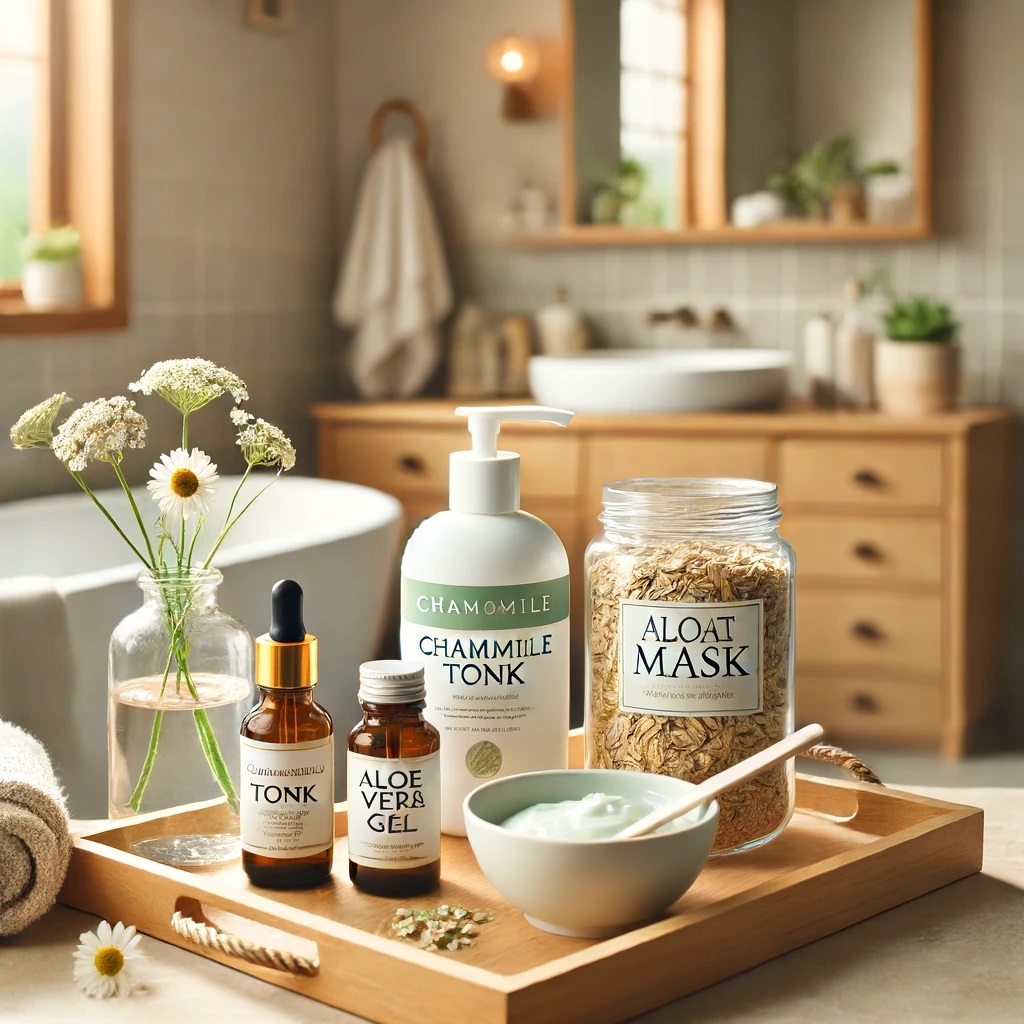
1. Soothing Chamomile and Oat Mask

  • Ingredients: 2 tablespoons finely ground oats, 1 tablespoon chamomile tea (cooled)
  • Instructions: Mix oats and chamomile tea to form a paste. Apply to the face and leave for 15-20 minutes before rinsing off with warm water.
  • Story: Mei, an artist, often experienced redness and irritation. She found relief in a chamomile and oat mask, which calmed her skin and reduced inflammation. Mei now uses this mask weekly to maintain her skin’s comfort and appearance.

2. Anti-Inflammatory Diet for Sensitive Skin

  • Breakfast: Smoothie with almond milk, banana, spinach, and turmeric
  • Lunch: Quinoa salad with roasted vegetables, chickpeas, and a turmeric dressing
  • Snack: Fresh cucumber slices with hummus
  • Dinner: Baked salmon with sweet potatoes and steamed broccoli
  • Story: Anika, a kindergarten teacher, realized her sensitive skin was exacerbated by certain foods. By switching to an anti-inflammatory diet, she saw a noticeable reduction in redness and sensitivity. Anika now enjoys a diet that supports her skin’s health.

3. Daily Practices for Sensitive Skin

  • Morning Routine: Cleanse with a gentle, fragrance-free cleanser, apply a soothing toner, use a hypoallergenic moisturizer, and finish with a mineral-based sunscreen.
  • Evening Routine: Remove makeup with a gentle cleansing oil, cleanse with a gentle, fragrance-free cleanser, apply a soothing toner, use a calming serum, and finish with a rich night cream.
  • Story: Sofia, a healthcare worker, had difficulty managing her sensitive skin amidst a busy schedule. By adopting a skincare routine with gentle and soothing products, she managed to keep her skin calm and comfortable. Sofia now enjoys a routine that fits her lifestyle and keeps her skin healthy.

Holistic Skincare Routine for Combination Skin

Combination skin, with its mix of oily and dry areas, requires a balanced approach. A holistic skincare routine can help manage both types and maintain overall skin health. Here’s a comprehensive guide for caring for combination skin with natural remedies, diet tips, and daily practices.

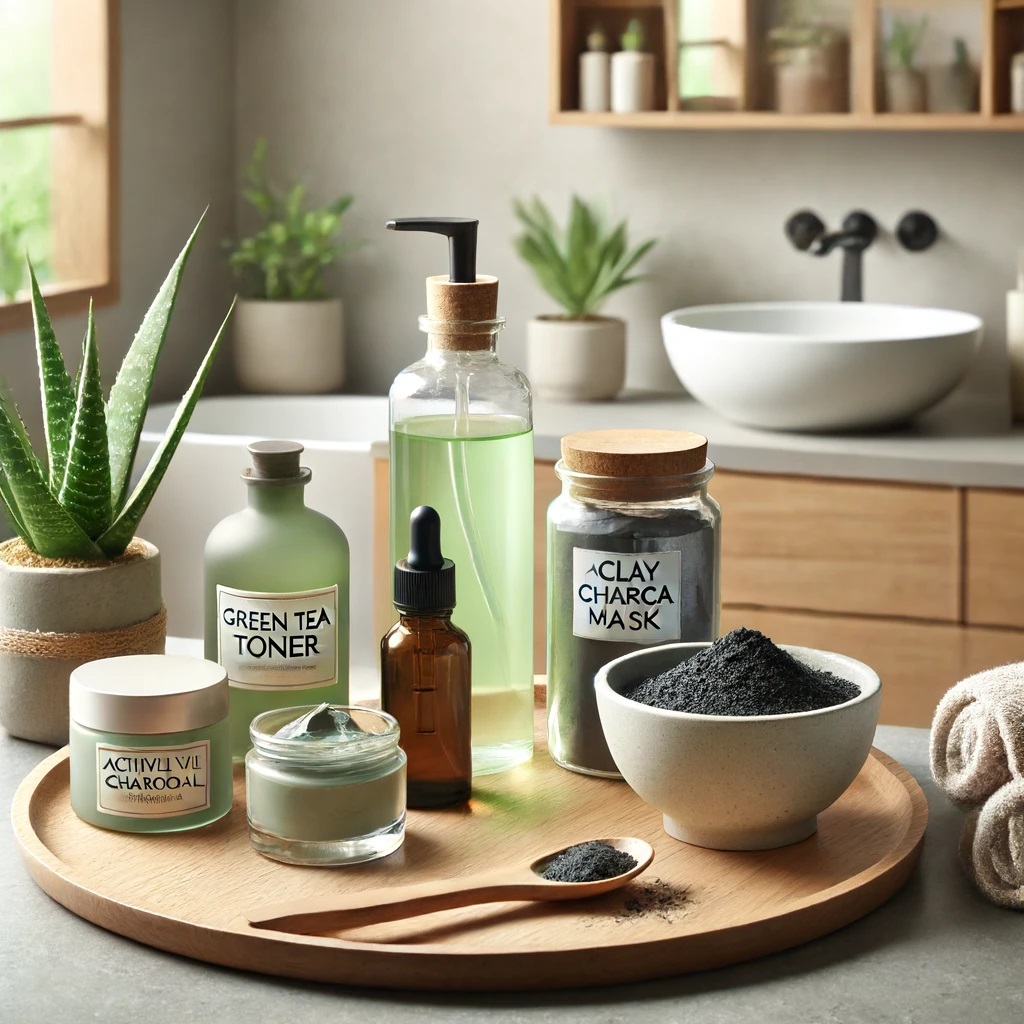
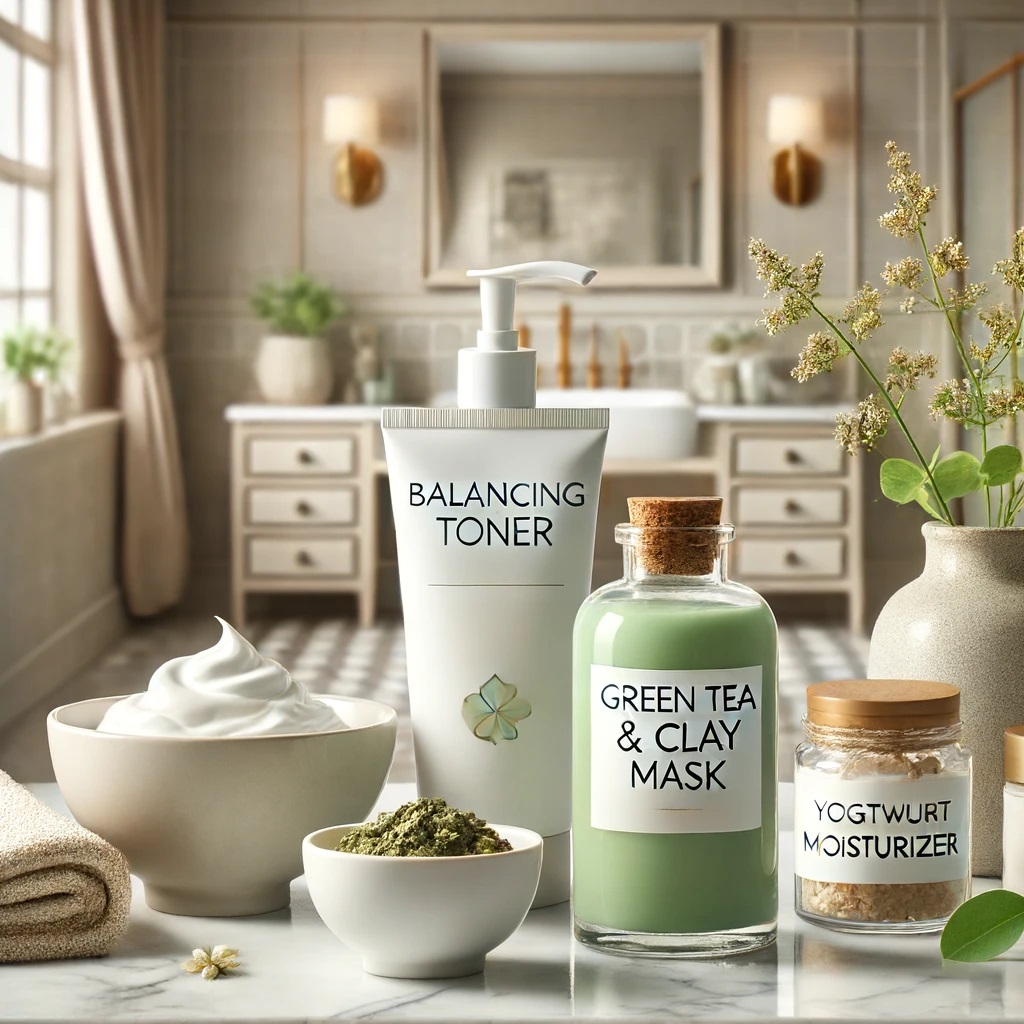
1. Balancing Green Tea and Clay Mask

  • Ingredients: 1 tablespoon green tea (cooled), 1 tablespoon clay (bentonite or kaolin)
  • Instructions: Mix green tea and clay to form a paste. Apply to the face, focusing on the T-zone. Leave for 15-20 minutes before rinsing off with warm water.
  • Akira, a graphic designer, struggled with an oily T-zone and dry cheeks. He discovered that a green tea and clay mask helped balance his skin. Akira now uses this mask weekly, which has significantly improved the overall balance of his skin.

2. Balanced Diet for Combination Skin

  • Breakfast: Greek yogurt with honey, mixed berries, and a sprinkle of granola
  • Lunch: Grilled chicken wrap with avocado, lettuce, and tomato
  • Snack: Fresh fruit slices (apple, pear) with a handful of nuts
  • Dinner: Brown rice with steamed vegetables and lean protein (fish or tofu)
  • Maria, a student, found that her diet affected her combination skin. By incorporating a balanced diet rich in both hydrating and oil-controlling foods, she noticed a more even complexion. Maria now follows this balanced diet to maintain her skin health.

3. Daily Practices for Combination Skin

  • Morning Routine: Cleanse with a gentle foaming cleanser, apply a balancing toner, use a lightweight moisturizer, and finish with a natural sunscreen.
  • Evening Routine: Remove makeup with micellar water, cleanse with a gentle foaming cleanser, apply a balancing toner, use a light serum, and finish with a night cream focused on hydration.
  • John, a project manager, had difficulty managing his combination skin. By adopting a skincare routine that targeted both oily and dry areas, he managed to achieve a more balanced complexion. John now enjoys a consistent routine that keeps his skin looking its best.

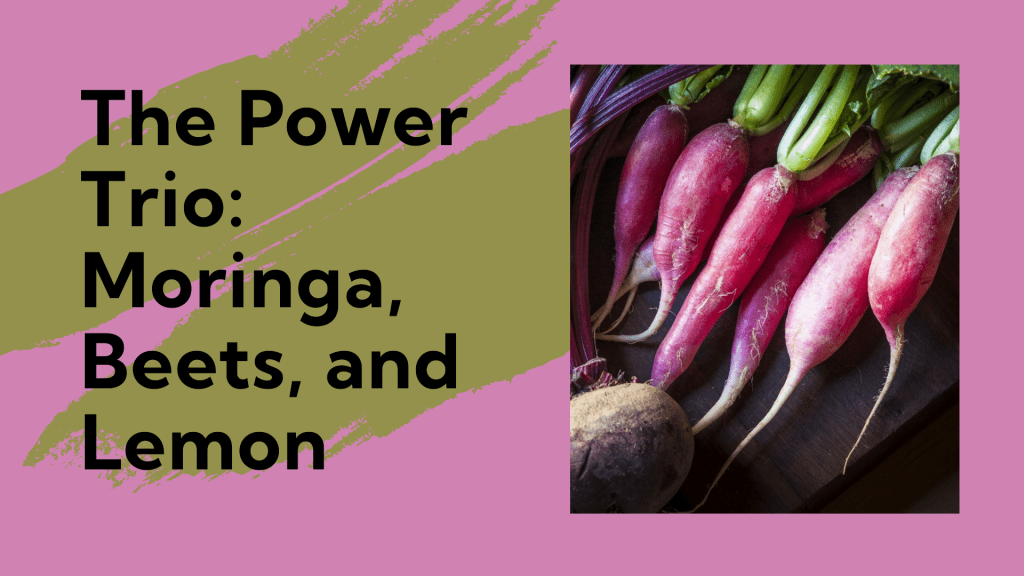
The Power Trio: Unveiling the Benefits of Moringa, Beets, and Lemon

Moringa, beets, and lemon are not just everyday foods; they are superfoods packed with an array of nutrients that can significantly benefit your body. Here’s a deep dive into the remarkable health benefits of these three powerhouse ingredients.


1. Moringa: The Miracle Tree

Moringa oleifera, often referred to as the “miracle tree,” is rich in vitamins, minerals, and antioxidants.

Benefits:

  • Nutrient Dense: Moringa leaves contain high levels of vitamins A, C, and E, calcium, potassium, and protein, providing essential nutrients to the body.
  • Anti-Inflammatory: Its anti-inflammatory properties can help reduce inflammation, which is beneficial for conditions such as arthritis and muscle pain.
  • Antioxidant Powerhouse: Moringa is rich in antioxidants, which help protect cells from damage by free radicals, potentially reducing the risk of chronic diseases.

Healthline: 10 Benefits of Moringa

WebMD: Moringa Benefits


2. Beets: Nature’s Multivitamin

Beetroots are known for their vibrant color and numerous health benefits.

Benefits:

  • Improves Blood Flow: Beets are high in nitrates, which convert to nitric oxide in the body, helping to dilate blood vessels and improve blood flow.
  • Supports Detoxification: The betaine in beets helps support liver function and detoxification processes.
  • Boosts Stamina: Consuming beets can enhance athletic performance by increasing stamina and endurance.

Medical News Today: Health Benefits of Beets

Healthline: 9 Impressive Health Benefits of Beets


3. Lemon: A Citrus Powerhouse

Lemons are a staple in many kitchens, known for their refreshing flavor and numerous health benefits.

Benefits:

  • Rich in Vitamin C: Lemons are an excellent source of vitamin C, an essential nutrient that boosts the immune system and protects against infections.
  • Aids Digestion: Lemon juice can help stimulate digestive juices and improve digestion, reducing symptoms of bloating and indigestion.
  • Promotes Hydration: Adding lemon to water can make it more palatable, encouraging you to drink more and stay hydrated.

Healthline: 6 Evidence-Based Health Benefits of Lemons

WebMD: Health Benefits of Lemon

Holistic Skincare Routine for Oily Skin

Dry skin requires gentle care and extra hydration. A holistic skincare routine can help maintain moisture and improve skin texture. Here’s a comprehensive guide for nurturing dry skin with natural remedies, diet tips, and daily practices.

1. Hydrating Honey and Avocado Mask

  • Ingredients: 1/2 ripe avocado, 1 tablespoon honey
  • Instructions: Mash the avocado and mix with honey. Apply to the face and leave for 20 minutes before rinsing off with warm water.
  • Meera, a librarian, dealt with flaky, dry skin. She discovered the hydrating benefits of a honey and avocado mask, which provided deep moisture and improved her skin’s texture. Meera now includes this mask in her weekly skincare routine.

2. Nourishing Diet for Dry Skin

  • Breakfast: Smoothie with almond milk, banana, spinach, and chia seeds
  • Lunch: Quinoa salad with roasted vegetables and tahini dressing
  • Snack: Handful of nuts and dried fruits
  • Dinner: Lentil soup with sweet potatoes and a side of steamed greens
  • Alex, a school teacher, noticed that staying hydrated and eating nourishing foods helped her dry skin. By incorporating more hydrating foods into her diet, she saw a visible improvement in her skin’s suppleness. Alex now follows a diet rich in moisture-boosting ingredients.

3. Daily Practices for Caring for Dry Skin

  • Morning Routine: Cleanse with a gentle, hydrating cleanser, apply a rich moisturizer, and use a natural sunscreen.
  • Evening Routine: Remove makeup with a gentle cleansing oil, cleanse with a hydrating cleanser, apply a nourishing face oil, and finish with a thick night cream.
  • Emily, a freelance writer, struggled with dry patches and irritation. By following a consistent skincare routine with hydrating products, she managed to keep her skin soft and smooth. Emily now feels more confident in her complexion.

Natural Remedies for Hair Health

Healthy hair starts with natural, nourishing treatments that promote growth and shine.

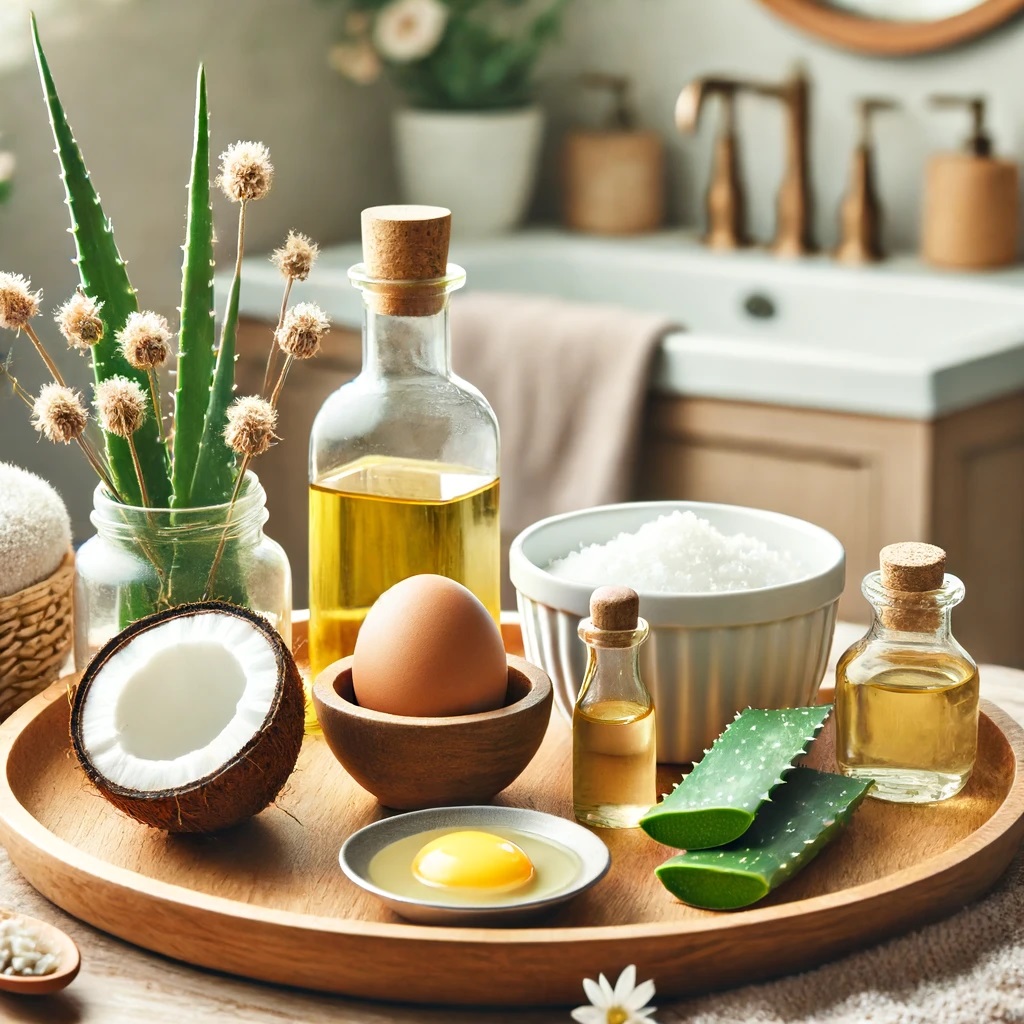
1. Coconut Oil Hair Mask

  • Ingredients: 2 tablespoons coconut oil
  • Instructions: Warm the coconut oil and apply it to your hair from roots to tips. Leave for 30 minutes before washing out.
  • Maya, an environmentalist, preferred natural products for her hair care routine. She tried a coconut oil hair mask and was amazed at the results. Her hair became shinier and softer. Maya now swears by this mask, using it once a week for healthy, lustrous hair.

2. Aloe Vera and Lemon Scalp Treatment

  • Ingredients: 2 tablespoons aloe vera gel, 1 teaspoon lemon juice
  • Instructions: Mix aloe vera gel with lemon juice and massage into the scalp. Leave for 20 minutes before rinsing.
  • Rahul, a fitness trainer, faced issues with dandruff and an itchy scalp. He started using an aloe vera and lemon scalp treatment. The natural remedy soothed his scalp and significantly reduced dandruff, allowing him to feel more confident at work and in social settings.

3. Egg Yolk and Olive Oil Conditioner

  • Ingredients: 1 egg yolk, 2 tablespoons olive oil
  • Instructions: Whisk together egg yolk and olive oil. Apply to hair and leave for 30 minutes before washing out.
  • Nina, a university professor, was concerned about her thinning hair. She found a recipe for an egg yolk and olive oil conditioner. After a few weeks of use, she noticed her hair felt thicker and stronger. Nina now enjoys her rejuvenated hair and recommends this natural conditioner to her colleagues.

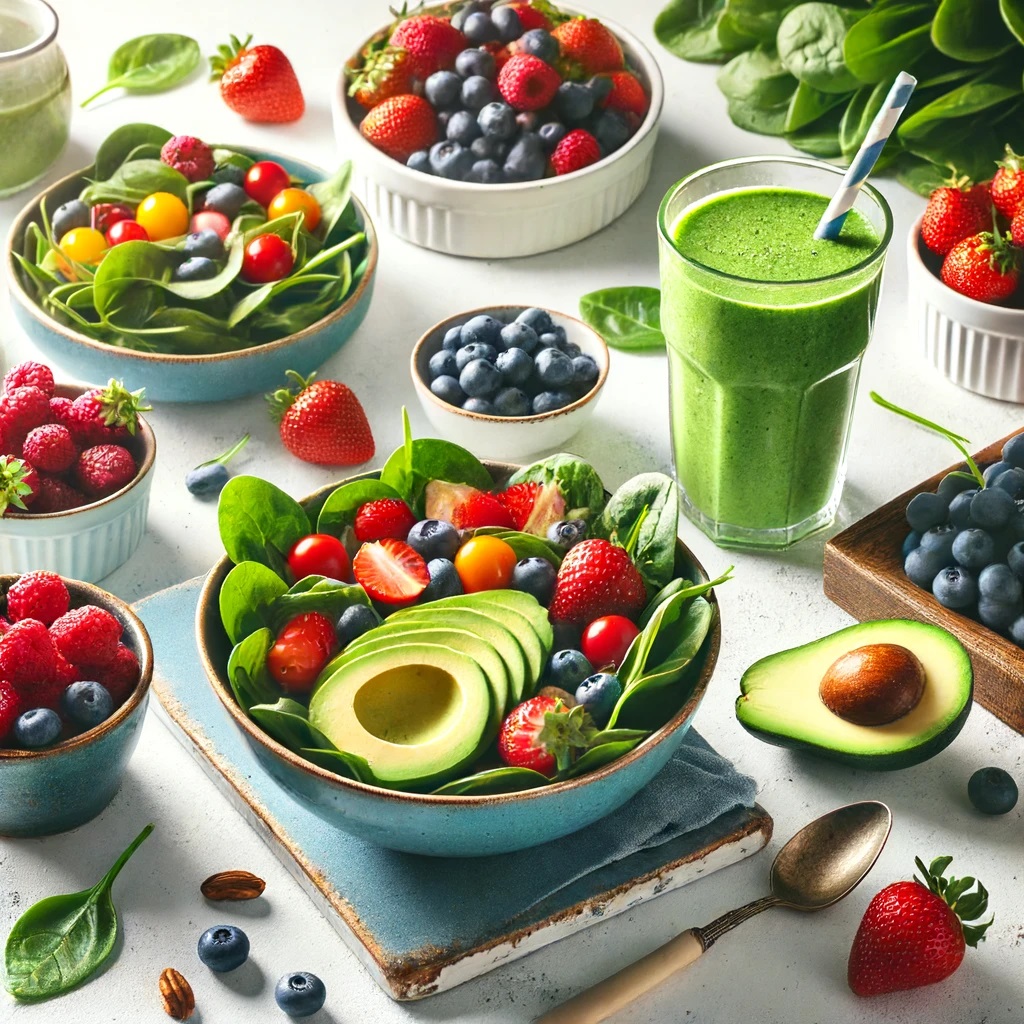
Diet Plans for Glowing Skin

A healthy diet is essential for radiant skin. Incorporating fruits and vegetables can significantly enhance your skin’s appearance.

1. Antioxidant-Rich Breakfast Smoothie

  • Ingredients: 1 cup spinach, 1/2 cup blueberries, 1 banana, 1 tablespoon chia seeds, 1 cup almond milk
  • Instructions: Blend all ingredients until smooth. Enjoy a nutrient-packed smoothie to start your day.
  • Anjali, a yoga instructor, found herself dealing with dull skin despite her active lifestyle. She decided to revamp her breakfast routine and started making an antioxidant-rich smoothie each morning. Within a month, her skin was glowing and vibrant. Anjali now swears by her morning smoothie as a key part of her skincare regimen.

2. Hydrating Salad

  • Ingredients: Mixed greens, cucumber, tomatoes, avocado, lemon juice, olive oil
  • Instructions: Combine all ingredients in a bowl and toss with lemon juice and olive oil.
  • Carlos, an office worker, realized that his diet was affecting his skin health. He started incorporating a hydrating salad into his lunch routine, packed with fresh vegetables and healthy fats. Over time, his skin became clearer and more hydrated, and he felt more energized throughout the day.

3. Skin-Boosting Snack

  • Ingredients: Carrot sticks, hummus
  • Instructions: Dip carrot sticks in hummus for a fiber-rich, healthy snack.
  • Mei, a student with a hectic schedule, often neglected her skin health. She started snacking on carrot sticks with hummus between classes and noticed a significant improvement in her skin’s texture and clarity. This simple snack helped her maintain a healthy glow despite her busy lifestyle.

Natural Face Masks for Radiant Skin

Natural Face Masks for Radiant Skin

Natural face masks can provide a variety of benefits, from hydration to acne control. Using ingredients from your kitchen, you can create effective and nourishing masks.

1. Hydrating Avocado and Honey Mask

  • Ingredients: 1/2 ripe avocado, 1 tablespoon honey
  • Instructions: Mash the avocado and mix with honey. Apply to your face and leave for 20 minutes before rinsing off with warm water.
  • Story: Meet Priya, a busy professional who struggled with dry skin. After trying countless store-bought products, she decided to experiment with natural remedies. Priya discovered the hydrating power of avocado and honey and made it a weekly ritual. Within weeks, her skin felt softer and more hydrated. She now enjoys her radiant glow and shares this simple yet effective recipe with friends and family.

2. Brightening Lemon and Yogurt Mask

  • Ingredients: 1 tablespoon plain yogurt, 1 teaspoon lemon juice
  • Instructions: Mix the yogurt and lemon juice. Apply to your face and leave for 15 minutes before rinsing off with warm water.
  • Story: Lisa, an avid traveler, found her skin looking dull after returning from a long trip. She needed a quick fix and stumbled upon the lemon and yogurt mask. Lisa was amazed at how quickly her skin brightened and regained its natural radiance. She now includes this mask in her skincare routine whenever her skin needs a quick pick-me-up.

3. Soothing Oatmeal and Banana Mask

  • Ingredients: 1/2 banana, 2 tablespoons cooked oatmeal
  • Instructions: Mash the banana and mix with oatmeal. Apply to your face and leave for 15-20 minutes before rinsing off.
  • Story: Sarah, a mother of two, often dealt with skin irritation and redness. She wanted a natural solution that would be gentle on her sensitive skin. One day, she tried the oatmeal and banana mask and found immediate relief. The soothing properties of oatmeal and banana helped calm her skin, and she now enjoys a weekly self-care session with this mask.

Natural Remedies for Better Sleep: Tips and Tricks

A good night’s sleep is essential for overall health and well-being. If you’re struggling with sleep issues, natural remedies can help you relax and improve your sleep quality. Here are some tips and tricks for better sleep using natural remedies.

Herbal Teas for Relaxation: Herbal teas like chamomile, valerian root, and lavender are known for their calming effects. These teas can help you unwind and prepare for a restful night’s sleep.

Example: Enjoy a warm cup of chamomile tea about 30 minutes before bedtime to help relax your mind and body.

Aromatherapy with Essential Oils: Aromatherapy using essential oils such as lavender, bergamot, and cedarwood can promote relaxation and improve sleep quality. You can use these oils in a diffuser or apply them to your pillow.

Example: Diffuse lavender oil in your bedroom or add a few drops to your pillow before going to bed for a calming effect.

Magnesium Supplements for Relaxation: Magnesium is a mineral that plays a crucial role in muscle relaxation and sleep. Taking a magnesium supplement can help you relax and improve sleep quality.

Example: Take a magnesium supplement an hour before bedtime to help your muscles relax and prepare for sleep.

Mindfulness Meditation for Calmness: Practicing mindfulness meditation before bed can help calm your mind and reduce anxiety, making it easier to fall asleep.

Example: Spend 10-15 minutes meditating before bed, focusing on your breath and letting go of any stressful thoughts.

Creating a Sleep-Friendly Environment: Your bedroom environment plays a significant role in your sleep quality. Make sure your room is cool, dark, and quiet. Use blackout curtains and consider white noise machines to block out any disruptive sounds.

Example: Invest in a comfortable mattress and pillows, and keep your bedroom cool and dark to create an optimal sleep environment.

Establishing a Bedtime Routine: A consistent bedtime routine signals to your body that it’s time to wind down and prepare for sleep. This routine can include activities like reading, taking a warm bath, or practicing gentle yoga.

Example: Create a bedtime routine that includes reading a book and taking a warm bath to help signal to your body that it’s time to sleep.

By incorporating these natural remedies and tips into your routine, you can improve your sleep quality and enjoy more restful nights.

The Power of Mindfulness: Simple Practices to Reduce Stres

Mindfulness is a powerful tool for reducing stress and improving overall well-being. By practicing mindfulness, you can bring your attention to the present moment and experience greater peace and clarity. Here are some simple mindfulness practices to incorporate into your daily routine.

Mindful Breathing: Mindful breathing involves paying close attention to your breath. It helps calm the mind and reduce stress by bringing your focus to the present moment.

Example: Spend a few minutes each day sitting quietly and focusing on your breath. Inhale deeply through your nose, hold for a moment, and exhale slowly through your mouth. Notice the sensation of your breath as it flows in and out.

Body Scan Meditation: Body scan meditation involves focusing on different parts of your body and noticing any sensations. This practice helps you become more aware of your body and release tension.

Example: Lie down comfortably and close your eyes. Starting from your toes, slowly move your attention up through your body, noticing any sensations without judgment. Finish at the top of your head, feeling a sense of relaxation.

Mindful Walking: Mindful walking is about paying attention to the sensations of walking. It’s a great way to practice mindfulness while getting some exercise.

Example: Take a walk outside and focus on the sensation of your feet touching the ground, the movement of your legs, and the rhythm of your breath. Notice your surroundings and bring your mind back to the present moment whenever it wanders.

Mindful Eating: Mindful eating involves paying attention to the taste, texture, and smell of your food. It helps you appreciate your meals more and can improve digestion.

Example: During meals, take small bites and chew slowly. Notice the flavors and textures of the food. Avoid distractions like TV or smartphones to fully engage in the eating experience.

Gratitude Journaling: Writing down things you are grateful for can shift your focus from stress to positivity. It’s a simple practice that can boost your mood and overall outlook on life.

Example: Each evening, write down three things you are grateful for in a journal. Reflect on these moments and appreciate the positive aspects of your day.

By incorporating these simple mindfulness practices into your routine, you can reduce stress and enhance your overall well-being.