

The Pros and Cons of Waking Up Early: Insights and Practical Tips

Waking up early is a habit that many successful people swear by. While it offers numerous benefits, it’s not without its challenges. Here’s a detailed look at the good and the bad of waking up early, along with practical tips to help you incorporate this habit into your daily routine.

The Benefits of Waking Up Early

1. Increased Productivity

Waking up early allows you to start your day with a clear mind and fewer distractions. This quiet time can be used for focused work, planning, or personal development.

2. Better Mental Health

Starting the day early can reduce stress by giving you more time to prepare and organize. It also allows for a calm and peaceful start, setting a positive tone for the rest of the day.

3. Improved Physical Health

Early risers often have more time to exercise and prepare healthy meals. Regular physical activity and a balanced diet contribute to overall health and well-being.

4. Enhanced Sleep Quality

Maintaining a consistent sleep schedule can improve your sleep quality. Going to bed and waking up at the same time every day helps regulate your body’s internal clock.

Examples and Studies:

  • A study published in the Journal of Psychiatric Research found that early risers tend to be happier and healthier than night owls.
  • Successful individuals like Tim Cook, CEO of Apple, and Richard Branson, founder of Virgin Group, attribute part of their success to waking up early.

The Challenges of Waking Up Early

1. Difficulty Adjusting

Switching to an early morning routine can be challenging, especially if you’re not a morning person. It requires a consistent effort and can take time to adapt.

2. Potential Fatigue

If you don’t get enough sleep, waking up early can lead to fatigue and decreased productivity. It’s essential to ensure you’re getting adequate rest each night.

3. Social Life Impact

Waking up early might conflict with social activities that occur later in the evening, potentially affecting your social life and interactions.

4. Risk of Overextending

Starting your day too early without proper planning can lead to an extended workday, increasing the risk of burnout.

Tips to Successfully Wake Up Early

1. Gradually Adjust Your Schedule

Shift your bedtime and wake-up time gradually by 15-30 minutes each day until you reach your desired schedule. This makes the transition smoother and more sustainable.

2. Create a Relaxing Bedtime Routine

A calming bedtime routine helps signal your body that it’s time to wind down. Avoid screens, caffeine, and heavy meals before bed. Consider activities like reading or taking a warm bath.

3. Set a Consistent Wake-Up Time

Consistency is key. Wake up at the same time every day, even on weekends, to help regulate your sleep cycle.

4. Use Light to Your Advantage

Natural light helps regulate your internal clock. Open your curtains as soon as you wake up or use a light therapy box if natural light is limited.

5. Stay Motivated

Keep yourself motivated by focusing on the benefits of waking up early. Use this time for activities you enjoy or that contribute to your personal growth.

Call to Action

Start incorporating these tips into your routine to experience the benefits of waking up early. Visit Holistic Wellness Guide for more insights and practical advice on leading a healthy and balanced life.

WakingUpEarly #MorningRoutine #Productivity #HealthyHabits #SleepQuality #MentalHealth #PhysicalHealth #Motivation #HolisticWellness


Short-Term vs. Long-Term Motivation: How to Keep Your Motivation Going

Motivation is essential for achieving our goals, whether they are short-term or long-term. Understanding the difference between these types of motivation and how to maintain them can help you stay on track and reach your objectives.

Understanding Short-Term Motivation

Short-term motivation is about achieving immediate goals. These are the small, manageable tasks that provide quick rewards and a sense of accomplishment. Examples include completing a daily workout, finishing a project at work, or sticking to a meal plan for a week.

Benefits of Short-Term Motivation:

  • Provides quick wins that boost confidence.
  • Helps build momentum and establish habits.
  • Keeps you engaged with frequent rewards and milestones.

Strategies for Maintaining Short-Term Motivation:

  1. Set Clear, Achievable Goals: Break down larger tasks into smaller, manageable steps. This makes goals seem more attainable and less overwhelming.
  2. Track Your Progress: Use tools like planners, checklists, or apps to monitor your achievements. Seeing your progress can be incredibly motivating.
  3. Reward Yourself: Celebrate small victories with rewards. This reinforces positive behavior and keeps you motivated.

Understanding Long-Term Motivation

Long-term motivation is about sustaining effort over an extended period to achieve significant goals. These goals might include running a marathon, earning a degree, or building a successful business.

Benefits of Long-Term Motivation:

  • Leads to significant, life-changing achievements.
  • Builds resilience and perseverance.
  • Provides a sense of purpose and direction.

Strategies for Maintaining Long-Term Motivation:

  1. Visualize Your Success: Regularly imagine the outcome of your efforts. Visualization helps keep the end goal in sight and makes it feel more real and attainable.
  2. Create a Plan: Develop a detailed action plan with specific steps and deadlines. A clear roadmap makes it easier to stay focused and motivated.
  3. Seek Support: Surround yourself with supportive friends, family, or mentors who encourage and hold you accountable. Their support can provide a valuable boost when your motivation wanes.

Balancing Short-Term and Long-Term Motivation

To achieve both short-term and long-term goals, it’s essential to balance these types of motivation. Short-term wins can keep you energized and focused, while long-term vision provides direction and purpose.

Tips for Balancing Motivation:

  • Integrate Short-Term Goals into Your Long-Term Plan: Break down your long-term goals into smaller milestones. Each milestone can serve as a short-term goal that brings you closer to your ultimate objective.
  • Stay Flexible: Be prepared to adjust your plans as needed. Life can be unpredictable, and flexibility ensures you can stay on track even when faced with challenges.
  • Reflect on Your Progress: Regularly review your achievements and reassess your goals. Reflecting on your progress helps you stay connected to your motivation and adapt your strategies if necessary.

Call to Action

Keep your motivation going by understanding and balancing short-term and long-term goals. Visit Holistic Wellness Guide for more tips and insights on achieving your objectives and maintaining your motivation.

Motivation #GoalSetting #PersonalDevelopment #ShortTermGoals #LongTermGoals #Productivity #Mindset #Success #Wellness #HolisticHealth

How to Start Walking: Small Habits to Build a Healthy Routine

Walking is one of the simplest and most effective ways to improve your overall health and well-being. Incorporating small walking habits into your daily routine can lead to significant benefits. Here’s a guide to help you start walking and make it an enjoyable part of your life.

1. Set Realistic Goals

Start with achievable goals, such as walking for 10-15 minutes a day. Gradually increase your walking time as you become more comfortable. Setting small, realistic goals helps build consistency and confidence.

2. Find a Walking Buddy

Walking with a friend or family member can make the activity more enjoyable and motivating. Having a walking buddy provides accountability and an opportunity to socialize while getting exercise.

3. Choose the Right Time

Identify the best time of day for your walks. Some people prefer morning walks to start their day with energy, while others enjoy evening walks to unwind. Consistency is key, so choose a time that fits your schedule.

4. Wear Comfortable Shoes

Invest in a good pair of walking shoes that provide support and comfort. Proper footwear can prevent injuries and make your walking experience more enjoyable.

5. Use Walking as a Social Activity

Combine walking with social activities, such as catching up with friends or making phone calls. Talking to someone while walking can make the time pass quickly and make the activity more enjoyable.

6. Enjoy Nature

Take advantage of nearby parks, trails, or beaches. Walking in nature can be soothing and invigorating. Enjoy the scenery, listen to the birds, and appreciate the beauty around you.

7. Listen to Music or Podcasts

Create a playlist of your favorite songs or listen to interesting podcasts to keep yourself entertained while walking. Music and podcasts can provide a distraction and make your walks more enjoyable.

8. Track Your Progress

Use a pedometer or a smartphone app to track your steps and progress. Seeing your improvement over time can be motivating and encourage you to keep going.

9. Reward Yourself

Set milestones and reward yourself when you reach them. Whether it’s a small treat, a new book, or a relaxing bath, rewarding yourself can keep you motivated.

10. Incorporate Walking into Daily Activities

Find ways to incorporate walking into your daily routine. Park farther from your destination, take the stairs instead of the elevator, or walk during your lunch break. These small changes can add up to significant benefits.

Call to Action

Start incorporating these small walking habits into your daily routine to improve your health and well-being. Visit Holistic Wellness Guide for more tips and insights on leading a healthy lifestyle.

How to Live Longer and Happier: Incorporate These Habits into Your Daily Life

Living a long and happy life is a goal for many. By incorporating specific habits into your daily routine, you can enhance your well-being and longevity. Here are some practical steps to help you achieve a healthier, more joyful life.

1. Maintain a Balanced Diet

Eating a balanced diet rich in fruits, vegetables, whole grains, and lean proteins supports overall health and longevity. Foods high in antioxidants, vitamins, and minerals boost your immune system and prevent chronic diseases. Learn more about healthy eating.

2. Stay Physically Active

Regular physical activity is crucial for maintaining a healthy body and mind. Aim for at least 150 minutes of moderate aerobic exercise or 75 minutes of vigorous exercise each week. Activities like walking, swimming, and cycling are excellent for cardiovascular health. Explore exercise tips.

3. Practice Mindfulness and Meditation

Mindfulness and meditation reduce stress, enhance emotional well-being, and improve focus. Dedicate a few minutes each day to practice deep breathing, meditation, or mindfulness exercises. Discover mindfulness practices.

4. Get Adequate Sleep

Quality sleep is essential for physical and mental health. Aim for 7-9 hours of sleep each night. Establish a regular sleep schedule and create a restful environment to improve sleep quality. Read about sleep hygiene.

5. Stay Hydrated

Drinking enough water is vital for maintaining bodily functions, energy levels, and overall health. Aim to drink at least 8 glasses of water a day. Hydration supports digestion, skin health, and cognitive function. Understand the importance of hydration.

6. Foster Strong Relationships

Healthy relationships contribute to emotional well-being and longevity. Spend time with loved ones, engage in meaningful conversations, and participate in social activities. Strong social connections reduce stress and improve happiness. Learn about the benefits of social connections.

7. Keep Your Mind Active

Engage in activities that challenge your brain, such as reading, puzzles, learning new skills, or playing musical instruments. Mental stimulation keeps your brain healthy and may reduce the risk of cognitive decline. Explore brain-boosting activities.

8. Manage Stress Effectively

Chronic stress can negatively impact your health. Practice stress management techniques such as yoga, meditation, deep breathing, or hobbies you enjoy. Managing stress improves your mood and overall health. Discover stress management techniques.

9. Avoid Harmful Habits

Avoid smoking, excessive alcohol consumption, and other harmful behaviors. These habits can lead to serious health issues and reduce your lifespan. Focus on adopting healthier alternatives and seek support if needed. Read about quitting smoking.

10. Regular Health Check-ups

Regular health check-ups help detect potential health issues early. Schedule routine visits with your healthcare provider for screenings, vaccinations, and overall health assessments. Understand the importance of regular check-ups.

Call to Action

Incorporate these habits into your daily life to enhance your well-being and longevity. Visit Holistic Wellness Guide for more tips and insights on living a long and happy life.

Cultivating Empathy and Emotional Intelligence in the Workplace

Empathy and emotional intelligence (EI) are crucial skills in today’s business environment. They enhance communication, improve teamwork, and lead to better leadership. This blog explores the importance of empathy and EI, and how to cultivate these skills in the workplace.

Understanding Empathy and Emotional Intelligence

Empathy is the ability to understand and share the feelings of others, while emotional intelligence refers to the capacity to recognize, understand, and manage our own emotions and the emotions of others. Together, these skills contribute to a supportive and productive work environment.

Benefits of Empathy and Emotional Intelligence

  1. Improved Communication: Empathy allows individuals to listen actively and respond thoughtfully, enhancing interpersonal communication.
  2. Enhanced Teamwork: Understanding and managing emotions helps to build trust and collaboration among team members.
  3. Better Leadership: Leaders with high EI are more effective in managing teams, resolving conflicts, and motivating employees.
  4. Increased Employee Satisfaction: A workplace that values empathy and EI fosters a positive atmosphere, leading to higher job satisfaction and retention.

Cultivating Empathy and Emotional Intelligence

1. Practice Active Listening

Active listening involves fully concentrating, understanding, responding, and remembering what is being said. Encourage employees to listen without interrupting, show empathy through body language, and provide feedback that shows understanding.

2. Develop Self-Awareness

Self-awareness is the foundation of EI. Encourage employees to reflect on their emotions, recognize their strengths and weaknesses, and understand how their emotions affect their behavior and performance.

3. Foster Open Communication

Create an environment where employees feel comfortable expressing their thoughts and emotions. Regularly hold open discussions and provide platforms for feedback to enhance communication and understanding.

4. Lead by Example

Leaders play a crucial role in cultivating empathy and EI. By demonstrating these skills, leaders set a positive example for their teams to follow. Show empathy in your interactions and manage your emotions effectively.

5. Provide Training and Resources

Offer training programs and resources to help employees develop empathy and EI. Workshops, seminars, and books like “The Mindful Executive” by Ashish Singh can be valuable tools. This book provides practical insights and strategies for integrating mindfulness and emotional intelligence into leadership practices.

6. Encourage Mindfulness Practices

Mindfulness practices, such as meditation and deep breathing exercises, can enhance self-awareness and emotional regulation. Encourage employees to incorporate mindfulness into their daily routines to improve their emotional intelligence.

Case Study: The Impact of Empathy and EI

A tech company implemented an EI training program that included mindfulness practices, active listening workshops, and leadership training focused on empathy. The result was a significant improvement in employee engagement, teamwork, and overall job satisfaction. Employees reported feeling more understood and valued, leading to higher productivity and lower turnover rates.

Challenges and Solutions

1. Resistance to Change: Some employees may resist developing EI skills. Address this by highlighting the personal and professional benefits of empathy and EI. 2. Time Constraints: Incorporating EI training into busy schedules can be challenging. Offer flexible training options, such as online courses and short workshops, to accommodate different schedules.

Call to Action

Cultivate empathy and emotional intelligence in your workplace to enhance communication, teamwork, and leadership. For more insights and strategies, check out “The Mindful Executive” by Ashish Singh, available here. Visit Holistic Wellness Guide for additional tips on fostering a supportive and productive work environment.

#EmotionalIntelligence, #EmpathyInTheWorkplace, #MindfulLeadership, #WorkplaceWellness, #TeamBuilding, #EffectiveCommunication, #LeadershipDevelopment, #EmployeeEngagement, #CorporateCulture, #HolisticWellness

Start Your Meditation Journey: A Comprehensive Guide

Meditation is a powerful practice that can help reduce stress, enhance focus, and improve overall well-being. Here’s a detailed guide to help you start your meditation journey.

Understanding Meditation

Meditation is a practice where an individual uses techniques such as mindfulness or focusing the mind on a particular object, thought, or activity to train attention and awareness, and achieve a mentally clear and emotionally calm state.

Benefits of Meditation

  1. Reduces Stress: Meditation helps manage stress by lowering the levels of cortisol, the stress hormone, in the body.
  2. Enhances Focus: Regular meditation improves concentration and attention span.
  3. Improves Emotional Health: Meditation can lead to improved self-image and a more positive outlook on life.
  4. Promotes Sleep: Practicing meditation can help control the runaway thoughts that can interfere with sleep.

Getting Started with Meditation

1. Create a Comfortable Space

Find a quiet place where you won’t be disturbed. Set up a comfortable cushion or chair, and consider adding calming elements like candles, plants, or soft lighting.

2. Choose a Time

Select a time of day that works best for you. Many people find that meditating first thing in the morning or before bed helps to create a routine.

3. Start with Short Sessions

Begin with just a few minutes each day and gradually increase the duration as you become more comfortable with the practice.

4. Focus on Your Breath

One of the simplest ways to start meditating is to focus on your breath. Close your eyes and take slow, deep breaths, paying attention to the sensation of the air entering and leaving your body.

5. Use Guided Meditations

Guided meditations can be particularly helpful for beginners. There are many apps and online resources that offer free guided meditation sessions.

Meditation Techniques

1. Mindfulness Meditation

This technique involves being fully present in the moment. Focus on your breath, bodily sensations, and thoughts, acknowledging them without judgment.

2. Loving-Kindness Meditation

Also known as Metta meditation, this practice involves directing positive energy and thoughts towards yourself and others. Start by wishing yourself well and then extend those wishes to loved ones, acquaintances, and even those with whom you have conflicts.

3. Body Scan Meditation

In this practice, you systematically focus on different parts of your body, starting from your toes and working your way up to your head. This helps promote relaxation and awareness of bodily sensations.

4. Mantra Meditation

This involves repeating a word or phrase (mantra) to help focus the mind. The mantra can be spoken aloud or silently in your mind.

Overcoming Common Challenges

1. Wandering Mind

It’s normal for your mind to wander during meditation. When it happens, gently bring your focus back to your breath or chosen point of focus.

2. Physical Discomfort

Find a comfortable position that you can maintain for the duration of your meditation. Use cushions or props to support your body.

3. Consistency

Building a meditation habit takes time. Be patient with yourself and try to practice regularly, even if it’s just for a few minutes each day.

Call to Action

Start your meditation journey today to experience the numerous benefits for your mind and body. Visit Holistic Wellness Guide for more tips and insights on practicing meditation.

#MeditationJourney, #Mindfulness, #StressReduction, #EmotionalHealth, #Focus, #WellBeing, #MeditationTechniques, #HealthyLiving, #MentalClarity, #HolisticWellness

High-Protein Vegetarian Meal Plans for Muscle Building

Building muscle on a vegetarian or vegan diet is entirely achievable with the right meal plan. Here’s a comprehensive guide to high-protein meal plans designed to support muscle growth for both vegetarians and vegans.

High-Protein Vegetarian Meal Plan for a Week

Day 1:

  • Breakfast: Greek yogurt with honey, almonds, and chia seeds
  • Snack: Cottage cheese with sliced peaches
  • Lunch: Lentil soup with a side of quinoa salad
  • Snack: Hummus with carrot sticks
  • Dinner: Chickpea and spinach curry with brown rice

Day 2:

  • Breakfast: Smoothie with Greek yogurt, banana, spinach, and protein powder
  • Snack: Edamame
  • Lunch: Tofu stir-fry with mixed vegetables and soba noodles
  • Snack: Greek yogurt with berries
  • Dinner: Black bean and corn tacos with avocado

Day 3:

  • Breakfast: Oatmeal with almond butter, flax seeds, and blueberries
  • Snack: String cheese
  • Lunch: Quinoa salad with chickpeas, cucumber, and feta
  • Snack: Protein bar
  • Dinner: Paneer tikka with whole-grain naan and cucumber raita

Day 4:

  • Breakfast: Cottage cheese with pineapple and granola
  • Snack: Roasted chickpeas
  • Lunch: Spinach and ricotta stuffed portobello mushrooms
  • Snack: Mixed nuts
  • Dinner: Lentil and vegetable stew with whole-grain bread

Day 5:

  • Breakfast: Avocado toast with poached eggs
  • Snack: Greek yogurt with honey and walnuts
  • Lunch: Chickpea and quinoa salad with lemon-tahini dressing
  • Snack: Edamame
  • Dinner: Vegetarian chili with kidney beans and corn

Day 6:

  • Breakfast: Protein smoothie bowl with soy milk, banana, and flax seeds
  • Snack: Cottage cheese with sliced apples
  • Lunch: Tofu and vegetable stir-fry with quinoa
  • Snack: Protein bar
  • Dinner: Eggplant parmesan with a side of mixed greens

Day 7:

  • Breakfast: Greek yogurt parfait with granola and berries
  • Snack: Almonds and raisins
  • Lunch: Spinach and chickpea curry with brown rice
  • Snack: String cheese
  • Dinner: Black bean burgers with sweet potato fries

VeganProtein, #MuscleBuilding, #HealthyEating, #Nutrition, #FitnessGoals, #VeganDiet, #MealPrep, #DietPlan, #BuildMuscle, #HealthyLifestyle

The Role of Holistic Health in Managing Work-Related Stress

Work-related stress is a significant issue that affects employee well-being and organizational productivity. By integrating holistic health practices into the workplace, companies can help employees manage stress more effectively, leading to a healthier and more engaged workforce.

Understanding Work-Related Stress

Work-related stress arises from various factors, including high workloads, tight deadlines, and workplace conflicts. Chronic stress can lead to physical and mental health issues, reducing employee performance and increasing absenteeism.

Benefits of Holistic Health for Stress Management

Physical Health: Regular physical activity, such as yoga, tai chi, and walking, helps reduce stress by releasing endorphins and promoting relaxation. Encouraging employees to participate in physical activities can significantly lower stress levels.

Mental Well-Being: Mindfulness practices, including meditation and deep breathing exercises, improve mental clarity and reduce anxiety. These techniques help employees stay focused and calm, even in high-pressure situations.

Emotional Balance: Providing access to counseling services and stress management workshops supports emotional well-being. Employees who can manage their emotions are better equipped to handle workplace challenges.

Spiritual Health: Encouraging practices that promote spiritual well-being, such as spending time in nature or engaging in purposeful activities, helps employees find meaning and purpose in their work, reducing stress and enhancing job satisfaction.

Implementing Holistic Health Practices for Stress Management

Develop a Wellness Program: Create a comprehensive wellness program that includes physical, mental, emotional, and spiritual health components. Offer activities such as yoga classes, meditation sessions, and stress management workshops.

Encourage Mindfulness: Incorporate mindfulness practices into the daily routine. Provide resources such as guided meditation apps or organize mindfulness training sessions.

Promote Physical Activity: Encourage employees to engage in regular physical activity by providing fitness facilities, organizing walking meetings, or offering fitness classes. Physical activity boosts energy and reduces stress.

Support Emotional Well-Being: Offer resources for emotional support, such as counseling services and emotional intelligence training. A supportive environment fosters emotional balance and resilience.

Create a Positive Work Environment: Foster a work culture that values health and well-being. Encourage open communication, recognize employee achievements, and provide a safe space for employees to express themselves.

Case Study: Successful Stress Management through Holistic Health

A financial services company implemented a holistic wellness program that included weekly yoga classes, daily mindfulness sessions, and access to counseling services. Employees reported lower stress levels, improved mental clarity, and higher job satisfaction. The company observed a significant reduction in absenteeism and an increase in overall productivity.

Challenges and Solutions

Employee Buy-In: Some employees may be skeptical about holistic health practices. Provide education on the benefits and share success stories to build enthusiasm.

Resource Allocation: Implementing a comprehensive wellness program can require significant resources. Start with small initiatives and gradually expand the program as resources allow.

Maintaining Consistency: Consistency is key to reaping the benefits of holistic health. Encourage regular participation through reminders, incentives, and leadership support.

Call to Action

Integrate holistic health practices into your workplace to help employees manage stress effectively and enhance their well-being. Visit Holistic Wellness Guide for more insights and tips on promoting holistic health in the workplace.

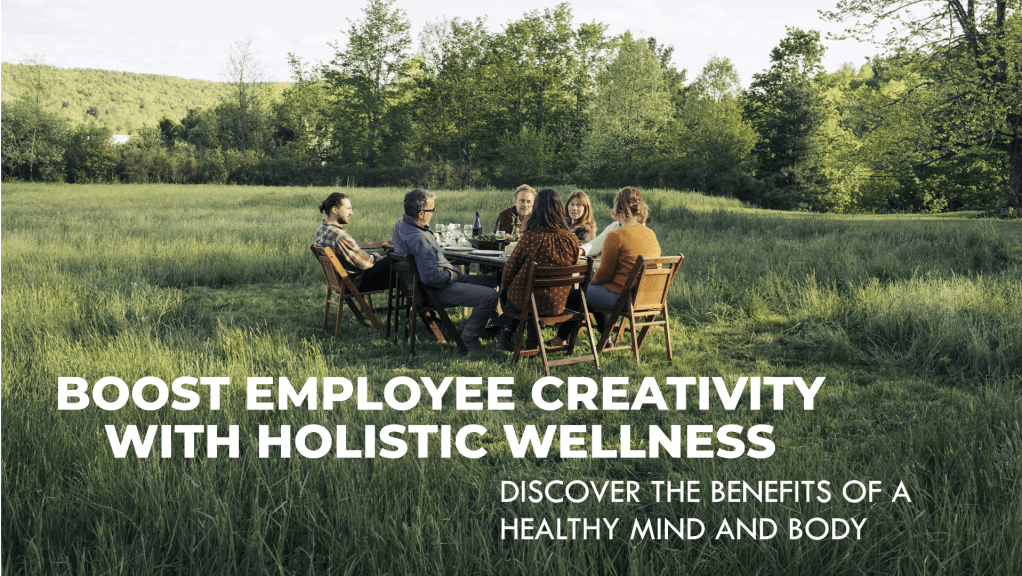
How Holistic Wellness Enhances Employee Creativity and Innovation

In today’s fast-paced business world, fostering creativity and innovation is essential for maintaining a competitive edge. Integrating holistic wellness practices into the workplace can significantly enhance employees’ creative and innovative capacities, leading to groundbreaking ideas and solutions.

Understanding Holistic Wellness and Creativity

Holistic wellness involves a comprehensive approach to health, addressing physical, mental, emotional, and spiritual well-being. When employees are healthy and balanced in these areas, they are more likely to think creatively and innovate effectively.

Benefits of Holistic Wellness for Creativity and Innovation

Enhanced Mental Clarity: Holistic practices like meditation and mindfulness improve mental clarity and focus. Employees with clear minds can think more creatively and develop innovative solutions to problems.

Reduced Stress: High stress levels can stifle creativity. Practices such as yoga, deep breathing exercises, and regular physical activity reduce stress, allowing employees to think more freely and creatively.

Increased Energy Levels: A balanced diet, adequate sleep, and regular exercise boost energy levels. Energized employees are more likely to engage in creative thinking and innovation.

Emotional Balance: Emotional well-being is crucial for creativity. When employees feel emotionally balanced, they are more open to new ideas and can think more divergently.

Spiritual Fulfillment: Practices that promote spiritual health, such as spending time in nature or engaging in purposeful activities, enhance employees’ sense of fulfillment and purpose. This can lead to more innovative thinking and a greater willingness to take creative risks.

Implementing Holistic Wellness to Foster Creativity

Create a Wellness Program: Develop a comprehensive wellness program that includes physical, mental, emotional, and spiritual health components. Offer activities such as yoga classes, meditation sessions, and nutrition workshops.

Encourage Mindfulness Practices: Incorporate mindfulness practices into the daily routine. This could include short meditation breaks, mindfulness workshops, or providing access to mindfulness apps.

Promote Physical Activity: Encourage regular physical activity by providing fitness facilities, organizing walking meetings, or offering fitness classes. Physical activity boosts energy and mental clarity.

Support Emotional Well-Being: Provide resources for emotional support, such as counseling services, stress management workshops, and emotional intelligence training. A supportive environment fosters emotional balance and creativity.

Foster a Positive Work Environment: Create a work culture that values creativity and innovation. Encourage open communication, celebrate creative ideas, and provide a safe space for employees to express themselves.

Provide Time for Reflection: Allow employees time for reflection and relaxation. This can be achieved through quiet spaces, flexible work schedules, or designated “innovation time” where employees can work on creative projects.

Case Study: Holistic Wellness Boosting Creativity

A leading design firm implemented a holistic wellness program that included daily meditation sessions, weekly yoga classes, and regular mindfulness workshops. The program also offered access to nutritionists and mental health counselors. As a result, the firm saw a significant increase in creative output and innovation. Employees reported feeling more energized, less stressed, and more open to new ideas. The company’s innovative solutions and designs received industry recognition and awards.

Challenges and Solutions

Employee Buy-In: Some employees may be skeptical about holistic wellness practices. Provide education on the benefits and share success stories to build enthusiasm.

Resource Allocation: Implementing a comprehensive wellness program can require significant resources. Start with small initiatives and gradually expand the program as resources allow.

Maintaining Consistency: Consistency is key to reaping the benefits of holistic wellness. Encourage regular participation through reminders, incentives, and leadership support.

Call to Action

Integrate holistic wellness practices into your workplace to enhance employee creativity and innovation. Visit Holistic Wellness Guide for more insights and tips on fostering a creative and healthy work environment.

The Role of Holistic Wellness in Enhancing Corporate Social Responsibility (CSR)

In the modern business landscape, Corporate Social Responsibility (CSR) has become a pivotal aspect of organizational strategy. Integrating holistic wellness into CSR initiatives not only supports employee well-being but also enhances the company’s reputation and contributes to sustainable development.

Understanding Holistic Wellness in CSR

Holistic wellness in CSR involves implementing practices that promote the physical, mental, emotional, and spiritual health of employees while also benefiting the community and environment. This approach aligns with the principles of sustainable business practices and social responsibility.

Benefits of Integrating Holistic Wellness into CSR

Improved Employee Well-Being: CSR initiatives that include wellness programs foster a healthier and happier workforce. Employees who participate in wellness activities such as fitness programs, stress management workshops, and mindfulness sessions are more likely to be productive and engaged.

Enhanced Corporate Reputation: Companies that prioritize employee wellness and contribute to societal well-being build a positive reputation. This can lead to increased customer loyalty, better stakeholder relations, and a stronger brand image.

Community Engagement: Holistic wellness programs often extend beyond the workplace, involving community activities such as health fairs, charity runs, and volunteer work. These initiatives strengthen community ties and demonstrate the company’s commitment to social responsibility.

Environmental Sustainability: Many holistic wellness practices promote environmental sustainability. For example, encouraging employees to use eco-friendly products, reducing waste, and supporting sustainable practices in the workplace contribute to a healthier planet.

Attraction and Retention of Talent: A strong CSR program that includes holistic wellness initiatives can attract top talent. Employees are drawn to companies that care about their well-being and the well-being of the community. This also helps in retaining employees who feel valued and supported.

Implementing Holistic Wellness in CSR

Assess Needs and Set Goals: Begin by assessing the wellness needs of your employees and the community. Set clear goals for your CSR initiatives that align with these needs and the company’s mission.

Develop Comprehensive Programs: Create wellness programs that include physical, mental, emotional, and spiritual health components. Examples include fitness classes, mental health support, nutrition workshops, and mindfulness training.

Collaborate with Partners: Partner with local organizations, healthcare providers, and wellness experts to implement effective programs. Collaboration can enhance the quality and reach of your initiatives.

Promote Participation: Encourage employee participation through communication, incentives, and leadership support. Highlight the benefits of wellness programs and create a culture that values health and well-being.

Measure and Report Impact: Regularly measure the impact of your wellness initiatives on employee health, community engagement, and environmental sustainability. Report these findings to stakeholders to demonstrate the value of your CSR efforts.

Case Study: Successful Integration of Wellness in CSR

A multinational corporation launched a comprehensive CSR program that included employee wellness initiatives, community health projects, and environmental sustainability efforts. The program featured on-site fitness centers, mental health support services, community health fairs, and sustainability workshops. As a result, the company saw improved employee health, increased community engagement, and enhanced corporate reputation. The initiative also attracted positive media attention and strengthened stakeholder relationships.

Challenges and Solutions

Resource Allocation: Implementing comprehensive wellness programs can require significant resources. To address this, prioritize initiatives based on impact and feasibility, and seek partnerships to share costs.

Employee Engagement: Engaging employees in wellness programs can be challenging. Use regular communication, incentives, and leadership support to encourage participation.

Sustainability: Ensuring the sustainability of wellness initiatives is crucial. Build programs that can be integrated into the company’s long-term strategy and continuously assess and adapt them to changing needs.

Call to Action

Integrate holistic wellness practices into your CSR strategy to enhance employee well-being, build a positive corporate reputation, and contribute to sustainable development. Visit Holistic Wellness Guide for more insights and tips on creating impactful CSR programs.