

Boost Your Vision: Top 9 Foods for Eye Health

Maintaining good vision is essential for overall well-being, and incorporating certain foods into your diet can play a significant role in supporting eye health. Here are nine nutritious foods that can help enhance and protect your vision.


1. Carrots

Carrots are rich in beta-carotene, which the body converts into vitamin A. Vitamin A is crucial for maintaining good vision, especially in low light conditions. Including carrots in your diet can help prevent night blindness and other vision-related issues.

Learn more about the benefits of carrots: Healthline


2. Leafy Greens

Leafy greens like spinach, kale, and collard greens are high in lutein and zeaxanthin. These antioxidants protect the eyes from harmful light and reduce the risk of chronic eye diseases such as macular degeneration and cataracts.

Read about leafy greens and eye health: WebMD


3. Citrus Fruits

Citrus fruits, including oranges, lemons, and grapefruits, are packed with vitamin C. This vitamin is essential for eye health as it helps reduce the risk of cataracts and macular degeneration by combating oxidative stress.

Discover the benefits of citrus fruits for vision: Verywell Health


4. Nuts and Seeds

Nuts and seeds, such as almonds, walnuts, and chia seeds, are excellent sources of vitamin E. Vitamin E protects the eyes from oxidative damage and helps maintain healthy vision. Regular consumption of these foods can lower the risk of age-related eye conditions.

Explore how nuts and seeds support eye health: Medical News Today


5. Fish

Fatty fish like salmon, tuna, and sardines are rich in omega-3 fatty acids. These healthy fats are crucial for maintaining the health of the retina and can help prevent dry eyes and macular degeneration.

Learn about the benefits of fish for your eyes: Healthline


6. Eggs

Eggs contain lutein, zeaxanthin, and zinc, which are all vital for eye health. These nutrients work together to protect the retina and improve overall vision, making eggs an excellent addition to your diet.

Read about eggs and eye health: WebMD


7. Sweet Potatoes

Sweet potatoes are high in beta-carotene and vitamin E. These nutrients help maintain the health of the eyes and reduce the risk of eye diseases. Including sweet potatoes in your meals can provide a significant boost to your eye health.

Discover the benefits of sweet potatoes for vision: Verywell Fit


8. Bell Peppers

Bell peppers are loaded with vitamins A and C, both of which are essential for maintaining good vision. These vitamins help reduce the risk of cataracts and macular degeneration, making bell peppers a nutritious addition to your diet.

Learn more about the benefits of bell peppers: Healthline


9. Blueberries

Blueberries are packed with antioxidants that help reduce inflammation and oxidative stress in the eyes. Regular consumption of blueberries can improve vision and reduce the risk of cataracts and other eye conditions.

Explore how blueberries benefit your eyes: Medical News Today

Call to Action

Incorporate these nutritious foods into your diet to support better vision and overall eye health. For more tips on healthy living and nutrition, visit Holistic Wellness Guide.

#EyeHealth #Nutrition #HealthyLiving #Superfoods #VisionCare #HealthyDiet #Wellness

The Surprising Benefits of Slow Running

When most people think about running, they imagine pounding the pavement at a fast pace, breaking a sweat, and pushing their limits. However, recent research suggests that slow running might actually be more beneficial than running fast. Here’s why incorporating slow running into your exercise routine could lead to better overall health and fitness.


1. Lower Risk of Injury

Running at a slower pace reduces the impact on your joints and muscles. This means less wear and tear on your body and a lower risk of injuries such as shin splints, stress fractures, and tendonitis. Slow running allows your body to adapt gradually, making it a safer option for both beginners and seasoned runners.

Learn more about injury prevention through slow running: Runner’s World


2. Improved Cardiovascular Health

Slow running helps in building a strong cardiovascular foundation. It allows you to maintain a steady heart rate, which improves cardiovascular efficiency and endurance over time. This is particularly beneficial for long-distance runners who need a strong cardiovascular system to sustain their performance.

Read about the cardiovascular benefits of slow running: Healthline


3. Enhanced Fat Burning

Running at a slower pace for longer durations taps into fat stores for energy rather than relying on carbohydrates. This makes slow running an effective way to burn fat and manage weight. Incorporating slow runs into your routine can help you achieve a leaner physique without the intense strain of fast running.

Discover how slow running aids in fat burning: WebMD


4. Increased Mental Well-Being

Slow running can be a meditative experience. It allows you to focus on your surroundings, your breathing, and your thoughts. This mindfulness can reduce stress, improve mood, and promote mental clarity. Many runners find that slow running is a great way to clear their minds and relieve the pressures of daily life.

Explore the mental health benefits of slow running: Psychology Today


5. Better Running Form

Running slowly gives you the opportunity to focus on your form and technique. It’s easier to make adjustments and develop good habits when you’re not rushing. This can lead to more efficient running mechanics, which can prevent injuries and improve performance in the long run.

Learn how to improve your running form: Verywell Fit

Call to Action

Incorporate slow running into your exercise routine to enjoy these benefits and improve your overall health and well-being. For more fitness tips and healthy living advice, visit Holistic Wellness Guide.

#SlowRunning #Fitness #RunningBenefits #HealthyLiving #InjuryPrevention #MentalHealth #Cardio

Kickstart Your Day with These 5 Healthiest Fats

Starting your day with healthy fats can provide numerous health benefits, from sustained energy levels to improved brain function. Here are five of the healthiest fats to incorporate into your breakfast to ensure a nutritious start to your day.


1. Avocado

Avocados are rich in monounsaturated fats, which are known to improve heart health by reducing bad cholesterol levels. They also provide a good amount of fiber and essential nutrients.

Learn more about the benefits of avocados: Healthline


2. Nuts and Seeds

Nuts and seeds, such as almonds, chia seeds, and flaxseeds, are packed with omega-3 fatty acids, protein, and fiber. These nutrients help maintain healthy brain function, reduce inflammation, and keep you feeling full longer.

Discover the benefits of nuts and seeds: Medical News Today


3. Olive Oil

Olive oil is a staple in the Mediterranean diet, known for its heart-healthy monounsaturated fats. Using olive oil in your breakfast, such as drizzling it over toast or adding it to smoothies, can provide a delicious and nutritious boost.

Read about olive oil’s health benefits: WebMD


4. Greek Yogurt

Greek yogurt is an excellent source of healthy fats and protein. It contains probiotics, which support gut health, and can be paired with fruits and nuts for a balanced and satisfying breakfast.

Explore the benefits of Greek yogurt: Healthline


5. Coconut Oil

Coconut oil contains medium-chain triglycerides (MCTs), which are quickly absorbed by the body and used as a source of energy. Adding coconut oil to your morning coffee or smoothie can help kickstart your metabolism.

Learn more about coconut oil: Verywell Fit

Call to Action

Incorporate these healthy fats into your breakfast routine to enjoy a nutritious and energy-boosting start to your day. For more tips on healthy living and nutrition, visit Holistic Wellness Guide.

#HealthyFats #Breakfast #Nutrition #HealthyLiving #Superfoods #HeartHealth #BrainBoost #WeightLoss

Boost Your Metabolism with Ginger Shots: A Natural Way to Support Weight Loss

Ginger shots are a potent, concentrated form of ginger that can offer numerous health benefits, particularly for those looking to boost their metabolism and support weight loss. Here are five compelling reasons to incorporate ginger shots into your daily routine.


1. Enhances Metabolism

Ginger is known for its thermogenic properties, which can help increase your metabolic rate. This means your body burns more calories, even at rest, aiding in weight management and fat loss.

Learn more about the metabolism-boosting benefits of ginger: Healthline


2. Reduces Appetite

Taking a ginger shot before meals can help curb your appetite. Ginger has been shown to reduce feelings of hunger, making it easier to control portion sizes and prevent overeating.

Read about how ginger can help with appetite control: Medical News Today


3. Improves Digestion

Ginger is excellent for digestive health. It can help with the movement of food through the digestive tract, reducing bloating and promoting regular bowel movements. Improved digestion can also aid in weight loss.

Discover the digestive benefits of ginger: WebMD


4. Boosts Immune Function

Ginger shots are packed with antioxidants that help strengthen your immune system. A robust immune system can better support your body in maintaining overall health and managing weight effectively.

Learn how ginger supports immune health: Verywell Health


5. Provides a Natural Energy Boost

The natural compounds in ginger can enhance energy levels without the crash associated with caffeine. Starting your day with a ginger shot can help you feel more awake and ready to tackle your daily activities.

Read more about the energy-boosting properties of ginger: Healthline

Call to Action

Incorporate ginger shots into your daily routine to enjoy these health benefits and support your weight loss journey. For more wellness tips and healthy living advice, visit Holistic Wellness Guide.

#GingerShots #MetabolismBoost #WeightLoss #HealthyLiving #Nutrition #ImmuneBoost #DigestiveHealth #NaturalEnergy

5 Health Benefits of Eating More Blueberries

Blueberries are not only delicious but also packed with nutrients that provide numerous health benefits. Incorporating more blueberries into your diet can have a positive impact on your overall health and well-being. Here are five compelling reasons to eat more blueberries:


1. Rich in Antioxidants

Blueberries are loaded with antioxidants, particularly anthocyanins, which give them their vibrant color. Antioxidants help protect your body from oxidative stress and free radicals, reducing the risk of chronic diseases.

Read more about the antioxidant power of blueberries: Healthline


2. Supports Heart Health

Regular consumption of blueberries can improve heart health by lowering blood pressure, reducing cholesterol levels, and improving arterial function. These benefits are due to the high levels of fiber, vitamins, and antioxidants in blueberries.

Discover more about blueberries and heart health: WebMD


3. Boosts Brain Function

Studies have shown that blueberries can enhance brain health by improving memory and cognitive function. The antioxidants in blueberries help reduce inflammation and oxidative stress in the brain, promoting healthy brain aging.

Learn about the cognitive benefits of blueberries: Medical News Today


4. Aids in Digestion

Blueberries are a good source of dietary fiber, which promotes healthy digestion and prevents constipation. Fiber also supports a healthy gut microbiome, which is essential for overall digestive health.

Read more on the digestive benefits of blueberries: Healthline


5. Supports Weight Loss

Blueberries are low in calories but high in nutrients, making them an excellent addition to a weight-loss diet. Their high fiber content helps you feel full, reducing overall calorie intake and aiding in weight management.

Find out how blueberries support weight loss: Verywell Fit

Call to Action

Start incorporating more blueberries into your diet today to enjoy these incredible health benefits. For more tips on healthy living and nutrition, visit Holistic Wellness Guide.

#Blueberries #Superfoods #HealthyLiving #Nutrition #Antioxidants #HeartHealth #BrainBoost #WeightLoss

Unlock the Benefits of Intermittent Fasting for Weight Loss

Intermittent fasting has become a popular method for weight loss and improving overall health. By alternating periods of eating and fasting, this approach helps to optimize bodily functions and promotes a range of health benefits. Here are ten compelling benefits of intermittent fasting that can help you achieve your weight loss goals.


1. Promotes Weight Loss

Intermittent fasting helps reduce calorie intake by limiting the time window for eating. This naturally leads to weight loss as you consume fewer calories throughout the day.

Learn more about weight loss through intermittent fasting: Healthline


2. Improves Metabolic Health

Fasting can enhance various metabolic markers such as insulin sensitivity, which helps in better blood sugar management. This is crucial for preventing metabolic diseases like type 2 diabetes.

Read about the metabolic benefits: WebMD


3. Supports Cellular Repair

During fasting, the body initiates cellular repair processes, such as removing damaged cells and regenerating new ones. This can contribute to overall health and longevity.

Discover more about cellular repair: Medical News Today


4. Enhances Brain Function

Intermittent fasting can boost brain function by promoting the production of brain-derived neurotrophic factor (BDNF), a protein that supports brain health.

Learn about the impact on brain function: Healthline


5. Reduces Inflammation

Chronic inflammation is linked to many diseases. Intermittent fasting helps reduce inflammation and lowers the risk of developing chronic conditions.

Read more about inflammation reduction: Verywell Health


6. Increases Longevity

Studies suggest that intermittent fasting can extend lifespan by promoting healthy aging processes and reducing the risk of age-related diseases.

Explore the connection between fasting and longevity: WebMD


7. Improves Heart Health

Intermittent fasting can improve heart health by lowering cholesterol levels, reducing blood pressure, and decreasing triglycerides.

Discover the heart health benefits: Healthline


8. Enhances Hormone Function

Fasting can improve hormone balance, particularly by increasing the release of norepinephrine, a hormone that boosts metabolism and promotes fat burning.

Learn about hormonal benefits: Medical News Today


9. Promotes Gut Health

By giving your digestive system a break, intermittent fasting can improve gut health and promote a balanced microbiome.

Read about gut health benefits: Verywell Health


10. Simplifies Meal Planning

With fewer meals to plan and prepare, intermittent fasting can simplify your daily routine and reduce the time spent on food preparation.

Learn more about the simplicity of fasting: Healthline

Call to Action

Incorporate intermittent fasting into your lifestyle to reap these incredible health benefits. For more tips and meal plans, visit Holistic Wellness Guide.

#IntermittentFasting #WeightLoss #HealthyLiving #Wellness #DietTips #Nutrition #MetabolicHealth #Longevity #GutHealth

Relax and Rejuvenate: The Power of Double Inhale and Extended Exhale

In today’s fast-paced world, finding effective techniques to relax and calm the mind is essential. One such powerful technique is the double inhale followed by an extended exhale. This simple yet profound breathing method can help reduce stress, improve focus, and promote overall well-being. Here’s how you can incorporate this technique into your daily routine.


1. Understanding the Technique

The double inhale followed by an extended exhale involves taking two short inhales through the nose, followed by a slow and extended exhale through the mouth. This breathing pattern activates the parasympathetic nervous system, which helps to relax the body and mind.

Learn more about the benefits of controlled breathing: Healthline


2. How to Practice the Double Inhale and Extended Exhale

Step-by-Step Guide:

  1. Find a Comfortable Position: Sit or lie down in a quiet and comfortable space.
  2. Double Inhale: Take a short, deep breath in through your nose, followed immediately by a second short inhale.
  3. Extended Exhale: Slowly exhale through your mouth, making the exhale longer than the two inhales combined.
  4. Repeat: Continue this pattern for several minutes, focusing on the rhythm of your breath.

Tips:

  • Practice this technique daily, especially during times of stress or anxiety.
  • Use it as a quick relaxation tool before sleep or after a long day.

Explore more breathing techniques: Medical News Today


3. Benefits of the Double Inhale and Extended Exhale

Reduces Stress: This breathing technique helps to lower cortisol levels, reducing stress and promoting a sense of calm.

Improves Focus: By increasing oxygen flow to the brain, it enhances mental clarity and concentration.

Promotes Relaxation: Activating the parasympathetic nervous system helps to relax muscles and lower heart rate.

Learn about the science behind relaxation: WebMD


4. Incorporating the Technique into Your Routine

Morning Routine: Start your day with this breathing exercise to set a calm and focused tone for the day ahead.

Work Breaks: Use this technique during short breaks at work to manage stress and improve productivity.

Pre-Sleep Ritual: Practice this breathing method before bed to promote relaxation and improve sleep quality.

Discover more tips for a balanced life: Holistic Wellness Guide

Call to Action

Incorporate the double inhale and extended exhale technique into your daily routine to experience its powerful benefits. For more tips on maintaining a balanced and healthy lifestyle, visit Holistic Wellness Guide.

#BreathingTechniques #Relaxation #Mindfulness #StressRelief #Wellness #HealthyLiving #MentalHealth #CalmMind

Boost Your Health with Cinnamon, Lemon, and Ginger Juice

Cinnamon, lemon, and ginger juice is a powerful combination that offers numerous health benefits. This refreshing and nutritious drink is easy to make and can be a great addition to your daily routine. Here’s why you should consider incorporating this juice into your diet and how to prepare it.


1. Health Benefits of Cinnamon, Lemon, and Ginger Juice

Cinnamon is known for its anti-inflammatory and antioxidant properties. It helps regulate blood sugar levels, which can aid in weight management. Additionally, cinnamon has been shown to improve digestion and boost metabolic rate.

Lemon is rich in vitamin C, which is essential for a healthy immune system. Lemons also have detoxifying properties and can help improve skin health. The citric acid in lemons aids in digestion and helps prevent kidney stones.

Ginger is widely recognized for its ability to soothe the digestive system and reduce nausea. It also has anti-inflammatory properties and can help alleviate pain and improve circulation. Ginger is also known to boost the immune system and combat respiratory issues.

Learn more about the benefits of these ingredients: Healthline


2. How to Make Cinnamon, Lemon, and Ginger Juice

Ingredients:

  • 1 cup of water
  • 1 teaspoon of ground cinnamon
  • 1 tablespoon of freshly squeezed lemon juice
  • 1 teaspoon of grated ginger
  • Honey to taste (optional)

Instructions:

  1. Boil the water and add the ground cinnamon and grated ginger.
  2. Let it simmer for about 10 minutes.
  3. Remove from heat and strain the mixture into a glass.
  4. Add the freshly squeezed lemon juice and honey (if using).
  5. Stir well and enjoy your refreshing drink.

Find more healthy recipes: WebMD


3. Incorporating Cinnamon, Lemon, and Ginger Juice into Your Routine

Drinking this juice in the morning can help kickstart your metabolism and provide a refreshing start to your day. You can also enjoy it as a mid-afternoon pick-me-up or before bedtime to aid digestion.

Tips for Incorporation:

  • Morning Boost: Drink a glass first thing in the morning on an empty stomach.
  • Afternoon Refreshment: Enjoy a glass in the afternoon to stay energized.
  • Pre-Bedtime Ritual: Have a warm version of this drink before bed to aid digestion and promote restful sleep.

Discover more wellness tips: Medical News Today

Call to Action

Start incorporating cinnamon, lemon, and ginger juice into your daily routine to reap its numerous health benefits. Visit Holistic Wellness Guide for more healthy living tips and recipes.

#HealthDrink #CinnamonLemonGinger #NaturalRemedies #HealthyLiving #Wellness #DetoxDrink #ImmuneBoost #HealthyRecipes

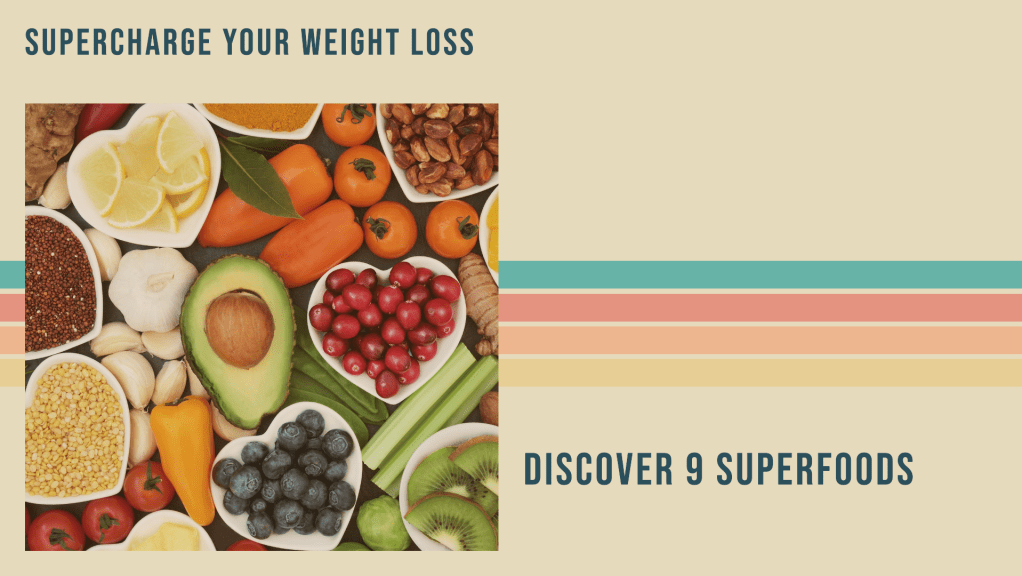
9 Superfoods to Supercharge Your Weight Loss Journey

Incorporating the right superfoods into your diet can make a significant difference in your weight loss efforts. These nutrient-dense foods not only help you shed pounds but also provide numerous health benefits. Here are nine superfoods that can naturally aid in weight loss.


1. Kale

Kale is a leafy green packed with vitamins A, K, and C, as well as fiber and antioxidants. Its low calorie content makes it an ideal food for weight loss.

Learn more about kale’s benefits: Healthline


2. Quinoa

Quinoa is a complete protein, meaning it contains all nine essential amino acids. It’s also high in fiber, which helps keep you full longer.

Explore quinoa’s health benefits: Medical News Today


3. Berries

Berries, such as blueberries, strawberries, and raspberries, are low in calories but high in fiber and antioxidants. They can help curb your sweet cravings while providing essential nutrients.

Read about the benefits of berries: Healthline


4. Avocados

Avocados are rich in healthy fats, particularly monounsaturated fats, which can help reduce belly fat. They also contain fiber and various essential vitamins.

Discover more about avocados: WebMD


5. Nuts

Nuts, such as almonds and walnuts, are high in healthy fats, protein, and fiber. They make for a satisfying snack that can help control hunger.

Learn about the benefits of nuts: Harvard T.H. Chan School of Public Health


6. Chia Seeds

Chia seeds are rich in omega-3 fatty acids, fiber, and protein. They expand in your stomach, helping you feel full and satisfied.

Explore chia seeds’ health benefits: Healthline


7. Green Tea

Green tea contains catechins, antioxidants that boost metabolism and increase fat burning. Drinking green tea can enhance your weight loss efforts.

Read about green tea’s benefits: WebMD


8. Greek Yogurt

Greek yogurt is high in protein and probiotics, which support digestion and keep you full longer. It’s a great addition to a balanced diet.

Learn about Greek yogurt: Medical News Today


9. Sweet Potatoes

Sweet potatoes are high in fiber, vitamins, and minerals. Their low glycemic index helps regulate blood sugar levels, making them a great food for weight loss.

Discover the benefits of sweet potatoes: Healthline

Call to Action

Incorporate these superfoods into your daily meals to support your weight loss journey and enhance your overall health. For more tips on healthy living, visit Holistic Wellness Guide.

#WeightLoss #Superfoods #HealthyEating #Nutrition #Wellness #HealthyLiving #DietTips #Fitness #HealthyLifestyle

9 Foods That Naturally Boost Hair Growth

Achieving healthy and luscious hair often starts from within. Incorporating the right foods into your diet can significantly impact your hair health. Here are nine foods that can naturally help in hair growth.


1. Spinach

Rich in iron, vitamins A and C, and protein, spinach is a powerhouse for hair health. Iron deficiency is a common cause of hair loss, and spinach provides a good amount of this essential mineral.

Learn more about spinach and hair health: Healthline


2. Sweet Potatoes

Sweet potatoes are loaded with beta-carotene, which the body converts into vitamin A. This vitamin promotes the production of sebum, which helps keep hair healthy.

Explore the benefits of sweet potatoes: WebMD


3. Eggs

Eggs are a great source of protein and biotin, both of which are essential for hair growth. Biotin, in particular, is known to improve hair’s keratin infrastructure.

Read about eggs and hair growth: Medical News Today


4. Berries

Berries are packed with beneficial compounds and vitamins that promote hair growth. They contain vitamin C, which has strong antioxidant properties that protect hair follicles from damage.

Discover more about the benefits of berries: Healthline


5. Avocados

Avocados are high in healthy fats and vitamin E, which can promote hair growth. Vitamin E helps improve blood circulation and supports the follicles.

Learn about avocados and hair health: Medical News Today


6. Nuts

Nuts like almonds and walnuts are rich in vitamin E, zinc, and fatty acids, which can enhance hair health. They also provide a good amount of B vitamins, which are crucial for hair growth.

Read more about nuts and hair growth: Healthline


7. Seeds

Seeds such as flaxseeds and chia seeds provide omega-3 fatty acids, which are essential for hair growth. They also contain antioxidants and other nutrients that support hair health.

Explore the benefits of seeds: Medical News Today


8. Fish

Fatty fish like salmon and mackerel are rich in omega-3 fatty acids, which can boost hair growth. These fish are also excellent sources of protein, selenium, and vitamin D3.

Discover more about the benefits of fish: WebMD


9. Legumes

Legumes like beans and lentils are packed with protein, iron, zinc, and biotin, all of which are essential for hair growth. They are a great plant-based source of these nutrients.

Learn about legumes and hair health: Healthline

Call to Action

Incorporate these foods into your daily diet to naturally boost hair growth and maintain healthy locks. For more tips on maintaining a balanced and nutritious diet, visit Holistic Wellness Guide.

#HairGrowth #HealthyHair #NaturalHairCare #Nutrition #Wellness #HealthyEating #HairCareTips