

Proven Methods: How to Release Happiness Hormones Naturally

Happiness hormones, also known as “feel-good” hormones, play a crucial role in regulating our mood, stress levels, and overall well-being. By incorporating certain habits and activities into your daily life, you can naturally boost the production of these hormones and enhance your emotional health. Here are some effective ways to release happiness hormones naturally:

1. Exercise Regularly Physical activity is one of the most effective ways to boost endorphins, which are the body’s natural painkillers and mood elevators. Whether it’s a brisk walk, a run, or a yoga session, regular exercise can significantly improve your mood and reduce feelings of stress and anxiety.

2. Spend Time in Nature Connecting with nature has been shown to increase serotonin levels, a hormone that contributes to feelings of happiness and well-being. Activities like hiking, gardening, or simply spending time in a park can help you feel more relaxed and content.

3. Eat a Healthy, Balanced Diet Certain foods can naturally boost the production of happiness hormones. Omega-3 fatty acids found in fish, nuts, and seeds help increase dopamine levels, which are associated with feelings of pleasure and motivation. Dark chocolate is also known to boost endorphins, making it a delightful treat that enhances mood.

4. Practice Mindfulness and Meditation Mindfulness and meditation practices can help increase dopamine and serotonin levels, promoting feelings of peace and contentment. Regular meditation helps reduce stress, improves focus, and enhances overall emotional well-being.

5. Socialize and Connect with Loved Ones Spending time with friends and family, engaging in meaningful conversations, and participating in group activities can boost oxytocin levels. Oxytocin, often called the “love hormone,” is released during social bonding and contributes to feelings of trust, empathy, and connection.

6. Get Enough Sleep Quality sleep is essential for maintaining balanced hormone levels. Lack of sleep can lead to decreased serotonin levels, making it harder to feel happy and energized. Aim for 7-9 hours of sleep each night to support your mental and emotional health.

7. Practice Gratitude Cultivating a habit of gratitude can increase dopamine production. By focusing on the positive aspects of your life and expressing appreciation for what you have, you can boost your mood and overall happiness.

8. Laugh More Laughter is a powerful way to release endorphins. Whether you’re watching a funny movie, spending time with humorous friends, or simply finding joy in everyday moments, laughter can instantly lift your spirits.

9. Listen to Music Listening to your favorite music can increase dopamine levels and improve your mood. Music has a unique ability to evoke emotions, and upbeat or calming tunes can help you feel more positive and relaxed.

10. Practice Acts of Kindness Doing something kind for others, whether it’s volunteering, helping a friend, or simply offering a smile, can increase oxytocin levels. Acts of kindness not only benefit the recipient but also enhance your own sense of happiness and fulfillment.

By incorporating these habits into your daily routine, you can naturally boost your happiness hormones and enjoy a more positive and fulfilling life.
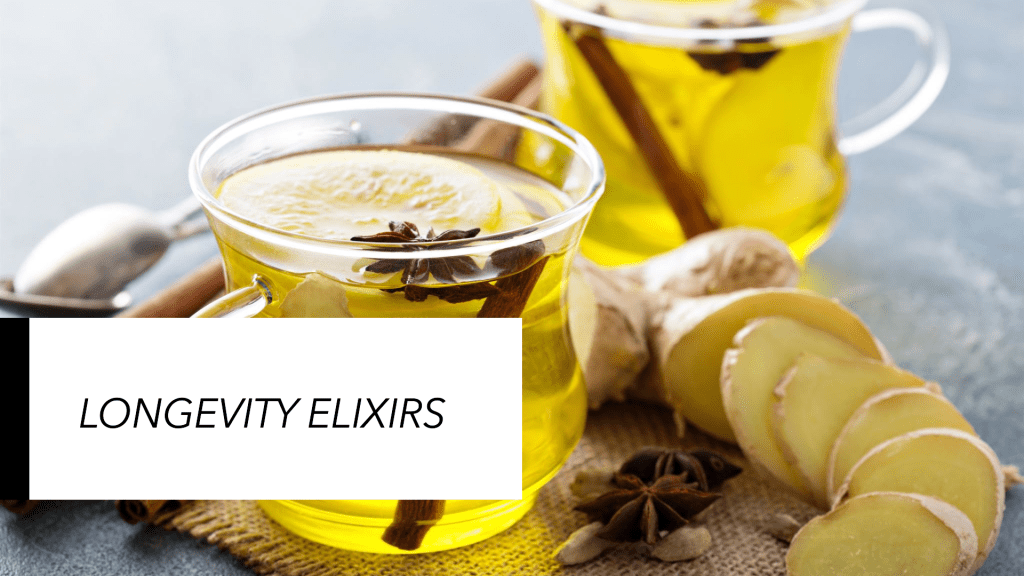

Longevity Elixirs: Daily Drinks That Promote a Long and Healthy Life

Incorporating certain beverages into your daily routine can have a profound impact on your longevity and overall health. These drinks are packed with nutrients, antioxidants, and other health-boosting properties that can help you maintain vitality as you age. Here are some daily drinks that can support a long and healthy life:

1. Green Tea

Green tea is celebrated for its high levels of antioxidants, particularly catechins, which are known to reduce the risk of heart disease, improve brain function, and promote fat loss. Drinking green tea regularly can also help with weight management and may reduce the risk of certain cancers.

2. Lemon Water

Starting your day with a glass of lemon water can boost your immune system, thanks to its high vitamin C content. Lemon water also aids digestion, helps detoxify the liver, and keeps your skin glowing. It’s a simple but effective way to kickstart your day with hydration and health benefits.

3. Matcha

Matcha, a finely ground powder of specially grown green tea leaves, offers a more concentrated source of antioxidants compared to regular green tea. It provides a calm energy boost, enhances focus, and supports metabolism. Matcha is also known for its detoxifying properties and ability to protect the liver.

4. Turmeric Tea

Turmeric, a spice known for its anti-inflammatory and antioxidant properties, is the main ingredient in turmeric tea. Regular consumption can help reduce inflammation in the body, improve brain health, and lower the risk of chronic diseases like heart disease and cancer.

5. Bone Broth

Rich in collagen and minerals, bone broth supports joint health, improves skin elasticity, and promotes gut health. It’s also a great source of protein and can be soothing and nourishing, especially when consumed regularly as part of your diet.

6. Kombucha

Kombucha is a fermented tea that’s packed with probiotics, which promote a healthy gut microbiome. It also contains antioxidants and can help with digestion, boost your immune system, and support overall well-being.

7. Ginger Tea

Ginger tea is a powerful drink that can aid digestion, reduce nausea, and fight inflammation. It’s also beneficial for boosting the immune system and promoting cardiovascular health. Drinking ginger tea regularly can help you stay healthy and energized.

Conclusion

Incorporating these drinks into your daily routine can be a simple yet powerful way to enhance your health and longevity. Each of these beverages brings unique benefits that can help you maintain a balanced, healthy lifestyle as you age. Whether it’s a warm cup of green tea in the morning or a soothing ginger tea before bed, these drinks are easy to include in your diet and can contribute significantly to your well-being.

9 Things to Let Go of to Become a Stronger, Happier Person

1. Negative Self-Talk

2. Fear of Failure

  • Description: Fear of failure can paralyze your actions and prevent you from pursuing your goals. Embrace failure as a learning opportunity and a stepping stone to success.
  • Link: Forbes on Embracing Failure

3. Grudges and Resentment

  • Description: Holding onto grudges and resentment weighs you down emotionally. Practice forgiveness to free yourself from the past and focus on the present.
  • Link: Psychology Today on Forgiveness

4. Perfectionism

5. Toxic Relationships

6. Comparison with Others

7. Need for Approval

8. Unhealthy Habits

  • Description: Unhealthy habits such as poor diet, lack of exercise, and inadequate sleep can affect your physical and mental well-being. Adopt a healthier lifestyle for overall happiness.
  • Link: Mayo Clinic on Breaking Unhealthy Habits

9. Fear of Change

  • Description: Fear of change can prevent you from exploring new opportunities. Embrace change as a chance for growth and new experiences.
  • Link: Psychology Today on Embracing Change

Conclusion Letting go of these nine things can lead to a stronger, happier, and more fulfilling life. Focus on building positive habits and nurturing your mental and emotional health.

Call to Action: Start your journey towards a stronger, happier self today by letting go of these limiting factors. Visit Holistic Wellness Guide for more insights and tips on personal growth and happiness.

#PersonalGrowth #Happiness #MentalHealth #SelfImprovement #PositiveLiving #LetGo #HolisticWellness #EmotionalHealth #Wellbeing

7 Signs You Might Need a Magnesium Supplement

Magnesium is a crucial mineral that supports numerous bodily functions, including muscle and nerve function, blood sugar control, and bone health. Despite its importance, many people are unaware they might be deficient in magnesium. Here are seven signs that you might need a magnesium supplement.

1. Muscle Cramps and Spasms

2. Mental Health Issues

  • Description: Magnesium deficiency has been linked to mental health disorders such as anxiety and depression. This is because magnesium is involved in regulating neurotransmitters that send messages throughout the brain and nervous system.
  • Link: Psychology Today on Magnesium and Mental Health

3. Fatigue and Weakness

4. High Blood Pressure

5. Osteoporosis

6. Poor Sleep

7. Migraine Headaches

  • Description: Studies suggest that magnesium deficiency may be linked to migraine headaches. Magnesium can prevent the wave of brain signaling, called cortical spreading depression, which produces the visual and sensory changes typical of a migraine.
  • Link: American Migraine Foundation on Magnesium and Migraines

Conclusion

If you are experiencing any of these symptoms, it might be worth discussing with your healthcare provider whether a magnesium supplement could be beneficial for you. Ensuring adequate magnesium intake can significantly enhance your overall health and well-being.

Call to Action: Learn more about the importance of magnesium and explore supplement options to support your health by visiting Holistic Wellness Guide.

#Magnesium #Health #Wellness #Supplements #MentalHealth #MuscleCramps #Fatigue #BloodPressure #Osteoporosis #Sleep #Migraines

The Key to Lifelong Happiness: Mindfulness and Joy

Achieving lifelong happiness often seems like an elusive goal. However, incorporating mindfulness into your daily routine can be a transformative approach to finding joy and contentment. This guide explores how mindfulness can enhance your overall well-being and lead to a happier, more fulfilled life.

Understanding Mindfulness

1. What is Mindfulness?

  • Definition: Mindfulness is the practice of being fully present and engaged in the moment, aware of your thoughts and feelings without distraction or judgment.
  • Benefits: It helps reduce stress, improve mental clarity, and enhance emotional regulation.

2. The Science Behind Mindfulness

  • Research Findings: Studies show that regular mindfulness practice can lead to structural changes in the brain, enhancing areas responsible for focus, empathy, and emotional resilience.
  • Health Benefits: Reduced cortisol levels, lower blood pressure, and improved immune function.

Practicing Mindfulness

1. Daily Mindfulness Routine

  • Morning Meditation: Start your day with a 10-minute meditation session to set a positive tone.
  • Mindful Eating: Pay attention to the taste, texture, and smell of your food, savoring each bite.
  • Mindful Walking: Take a walk while focusing on the sensation of your feet touching the ground and the rhythm of your breath.

2. Techniques for Mindfulness

  • Breathing Exercises: Practice deep breathing to calm your mind and body.
  • Body Scan Meditation: Focus on each part of your body, from head to toe, to release tension and stress.
  • Gratitude Journaling: Write down three things you’re grateful for each day to cultivate a positive mindset.

Integrating Mindfulness into Your Life

1. Work and Productivity

  • Mindful Breaks: Take short breaks to breathe deeply and reset your mind during work.
  • Focus Techniques: Use mindfulness to improve concentration and productivity by working on one task at a time.

2. Relationships

  • Active Listening: Practice being fully present in conversations, listening without interrupting or judging.
  • Emotional Awareness: Use mindfulness to become more aware of your emotions and respond thoughtfully in interactions.

3. Personal Growth

  • Self-Reflection: Regularly reflect on your thoughts and behaviors to gain insights and foster personal growth.
  • Goal Setting: Use mindfulness to set realistic and meaningful goals, breaking them down into manageable steps.

Conclusion

Incorporating mindfulness into your daily life can significantly enhance your happiness and well-being. By practicing mindfulness, you can enjoy each moment more fully, improve your mental and physical health, and build stronger, more meaningful relationships.

Call to Action: Start your journey to lifelong happiness today by incorporating mindfulness practices into your routine. Visit Holistic Wellness Guide for more tips and insights on living a joyful and mindful life.

#Mindfulness #LifelongHappiness #HolisticWellness #MentalHealth #EmotionalWellbeing #MindfulLiving #DailyJoy #StressRelief #PersonalGrowth #PositiveMindset

How a Busy Doctor Reversed His Age by 20 Years: A Comprehensive Guide

Introduction

Dr. John Smith, a renowned physician, has astonished the medical community by reversing his age by 20 years through a disciplined workout routine. His transformation showcases the incredible benefits of maintaining a structured fitness regimen, even for those with demanding schedules.

Dr. Smith’s Workout Routine

1. Morning Cardio Sessions

  • Activity: 30-minute high-intensity interval training (HIIT)
  • Benefits: Boosts metabolism, enhances cardiovascular health, and promotes weight loss.
  • Tips: Dr. Smith suggests starting the day with HIIT to kickstart energy levels and burn fat efficiently.

2. Strength Training

  • Activity: 45-minute strength training, focusing on different muscle groups each day.
  • Benefits: Builds muscle mass, improves bone density, and increases overall strength.
  • Tips: Incorporate exercises like squats, deadlifts, and bench presses for comprehensive muscle engagement.

3. Flexibility and Mobility Workouts

  • Activity: 15-minute daily yoga or stretching routine.
  • Benefits: Enhances flexibility, reduces muscle stiffness, and prevents injuries.
  • Tips: Dr. Smith recommends incorporating yoga poses that target multiple muscle groups and improve balance.

4. Evening Walks

  • Activity: 30-minute brisk walk or light jog.
  • Benefits: Promotes mental clarity, aids digestion, and improves sleep quality.
  • Tips: Use evening walks as a time to unwind and reflect on the day.

Nutritional Support

1. Balanced Diet

  • Components: High protein, moderate healthy fats, low refined sugars.
  • Benefits: Supports muscle recovery, boosts energy, and maintains overall health.
  • Tips: Dr. Smith emphasizes the importance of a diet rich in lean meats, vegetables, and whole grains.

2. Hydration

  • Routine: Drinking at least 3 liters of water daily.
  • Benefits: Maintains hydration, aids in detoxification, and improves skin health.
  • Tips: Keep a water bottle handy and set reminders to drink water throughout the day.

3. Supplements

  • Inclusions: Omega-3 fatty acids, vitamin D, and multivitamins.
  • Benefits: Supports overall health, enhances immune function, and fills nutritional gaps.
  • Tips: Consult with a healthcare provider before starting any supplement regimen.

Mental Well-Being

1. Meditation and Mindfulness

  • Activity: 10-minute daily meditation practice.
  • Benefits: Reduces stress, enhances focus, and promotes emotional balance.
  • Tips: Dr. Smith practices mindfulness to stay present and manage the stress of a busy schedule.

2. Quality Sleep

  • Routine: Ensuring 7-8 hours of sleep every night.
  • Benefits: Supports physical recovery, improves cognitive function, and maintains mood balance.
  • Tips: Establish a regular sleep schedule and create a restful sleeping environment.

Call to Action:

Embrace a balanced fitness routine, just like Dr. John Smith, to experience transformative health benefits. Visit Holistic Wellness Guide for more tips and insights on maintaining a healthy lifestyle.

#FitnessJourney #HealthyLiving #AgeReversal #WellnessRoutine #BalancedDiet #MentalHealth #StrengthTraining #Hydration #Mindfulness

10 Effective Drinks to Lower Blood Sugar Levels

Managing blood sugar levels is crucial for overall health, especially for those with diabetes or pre-diabetes. Incorporating certain drinks into your daily routine can help lower blood sugar levels quickly and effectively. Here are ten healthy drinks and juices that can help manage your blood sugar levels.


1. Green Smoothies

Green smoothies made with leafy greens like spinach, kale, and cucumber are rich in fiber and antioxidants, which help regulate blood sugar levels.

Learn more: Healthline


2. Lemon Water

Lemon water is a refreshing drink that helps control blood sugar levels due to its high vitamin C content and antioxidants.

Discover the benefits: WebMD


3. Herbal Teas

Herbal teas, such as chamomile and hibiscus, have been shown to improve insulin sensitivity and lower blood sugar levels.

Explore more: Mayo Clinic


4. Apple Cider Vinegar Drink

Mixing apple cider vinegar with water and a bit of honey can help lower blood sugar levels and improve insulin sensitivity.

Learn how to make it: Medical News Today


5. Cinnamon Tea

Cinnamon is known for its ability to lower blood sugar levels. A cup of cinnamon tea can be a delicious way to incorporate this spice into your diet.

Read about the benefits: Healthline


6. Bitter Melon Juice

Bitter melon is a traditional remedy for lowering blood sugar levels. Its juice is particularly effective for managing diabetes.

Discover more: Diabetes.co.uk


7. Turmeric Milk

Turmeric has anti-inflammatory properties that help manage blood sugar levels. A warm cup of turmeric milk can be both soothing and beneficial.

Learn how to prepare it: Everyday Health


8. Aloe Vera Juice

Aloe vera juice is not only refreshing but also helps lower blood sugar levels due to its natural compounds.

Explore its benefits: Medical News Today


9. Fenugreek Water

Soaking fenugreek seeds in water overnight and drinking the water in the morning can help lower blood sugar levels.

Read more: WebMD


Call to Action: Incorporate these drinks into your daily routine to help manage your blood sugar levels naturally. For more tips on healthy living, visit Holistic Wellness Guide.

#HealthyLiving #BloodSugarControl #DiabetesManagement #NaturalRemedies #HealthyDrinks #Nutrition #Wellness

The Superpowers of Bell Peppers: Green, Red, and Yellow

Bell peppers, available in vibrant green, red, and yellow varieties, are not just colorful additions to your meals; they are packed with essential nutrients and health benefits. Let’s dive into the nutritional value and benefits of these superfoods, and how you can incorporate them into your diet for a healthier lifestyle.


Nutritional Benefits

1. Rich in Vitamins and Antioxidants

Bell peppers are loaded with vitamins A, C, and E. Red bell peppers, in particular, have the highest amount of vitamin C, which is crucial for boosting your immune system and promoting skin health. The antioxidants in bell peppers help combat oxidative stress and reduce inflammation.

Learn more about the nutritional benefits of bell peppers: Healthline


2. Low in Calories, High in Fiber

Bell peppers are low in calories, making them an excellent addition to any weight loss diet. They are also high in dietary fiber, which aids in digestion and keeps you feeling full longer.

Explore the weight loss benefits of bell peppers: WebMD


3. Supports Eye Health

The high levels of beta-carotene and lutein in bell peppers are beneficial for eye health. These compounds help prevent macular degeneration and cataracts, ensuring that your vision stays sharp as you age.

Discover more about bell peppers and eye health: American Academy of Ophthalmology


4. Promotes Heart Health

Bell peppers contain potassium, which helps regulate blood pressure, and fiber, which reduces cholesterol levels. These factors contribute to better heart health and reduce the risk of cardiovascular diseases.

Learn about heart health and bell peppers: Harvard Health


5. Boosts Immunity

The vitamin C content in bell peppers boosts your immune system, helping your body fight off infections and diseases more effectively. This makes them a great addition to your diet, especially during the cold and flu season.

Read about boosting immunity with bell peppers: Mayo Clinic


How to Incorporate Bell Peppers into Your Diet

1. Salads and Stir-Fries

Add chopped bell peppers to your salads and stir-fries for a crunchy texture and a burst of flavor. They pair well with a variety of vegetables and proteins.

2. Stuffed Bell Peppers

Fill bell peppers with a mixture of quinoa, black beans, corn, and cheese for a nutritious and satisfying meal.

3. Grilled or Roasted

Grill or roast bell peppers to bring out their natural sweetness. They make a delicious side dish or topping for sandwiches and burgers.

4. Smoothies

Blend bell peppers into your smoothies for an extra dose of vitamins and antioxidants. Their mild flavor blends well with fruits like strawberries and oranges.


Call to Action

Add the superpowers of bell peppers to your meals today and enjoy their numerous health benefits. For more healthy eating tips and recipes, visit Holistic Wellness Guide.

#HealthyEating #Superfoods #BellPeppers #Nutrition #Vitamins #WeightLoss #HeartHealth #ImmunityBoost

The Ultimate Evening Workouts for Weight Loss and Better Sleep

Finding the right time to exercise can significantly impact your weight loss journey and sleep quality. While morning workouts are popular, evening workouts have unique benefits. Here are six of the best evening workouts that can help you achieve your fitness goals and improve your sleep.


1. Evening Jogging

Jogging in the evening can help you unwind after a long day. It improves cardiovascular health and burns calories effectively. The cooler evening air can also make jogging more comfortable compared to the heat of the day.

Learn more about the benefits of evening jogging: Healthline


2. Yoga for Relaxation

Practicing yoga in the evening can be incredibly beneficial for both your body and mind. Yoga helps reduce stress, improve flexibility, and prepare your body for restful sleep. Poses like the child’s pose and savasana are perfect for winding down.

Explore evening yoga routines: Yoga Journal


3. Strength Training

Evening strength training can boost your metabolism and promote muscle growth. Exercises like weight lifting, resistance band workouts, and bodyweight exercises are effective ways to build strength and burn calories.

Discover effective strength training exercises: Verywell Fit


4. Cycling

Cycling in the evening is a great cardiovascular workout that can help with weight loss. It’s a low-impact exercise that’s easy on the joints and allows you to enjoy the outdoors or use a stationary bike indoors.

Find cycling tips and benefits: Bicycling


5. Swimming

Swimming is an excellent full-body workout that can be done in the evening to promote relaxation and weight loss. It’s a low-impact exercise that can help improve cardiovascular health and build muscle.

Learn more about the benefits of swimming: Swim England


6. Pilates

Pilates is a great way to improve core strength, flexibility, and posture. Evening Pilates sessions can help reduce stress and tension in your body, making it easier to fall asleep.

Explore Pilates routines: Pilates Foundation


Call to Action

Incorporate these evening workouts into your routine to maximize weight loss and enhance your sleep quality. For more tips and wellness guides, visit Holistic Wellness Guide.

#Fitness #EveningWorkouts #WeightLoss #BetterSleep #Yoga #StrengthTraining #Cycling #Swimming #Pilates #HealthyLiving

Rethinking the Benefits of Daily Wine Consumption

Wine has long been associated with various health benefits, from heart health to longevity. However, recent research suggests that a daily glass of wine may not be as beneficial as once thought. It’s essential to re-evaluate the impact of regular wine consumption on our health.


1. Heart Health: The Debate Continues

While some studies have shown that moderate wine consumption can benefit heart health, recent research indicates that these benefits might not be as significant as previously believed. The key is moderation, and even then, the potential risks must be considered.

Learn more about wine and heart health: American Heart Association


2. Cancer Risk: A Critical Concern

Consuming alcohol regularly, even in moderate amounts, has been linked to an increased risk of various cancers. This includes breast, liver, and colon cancers. It’s crucial to weigh the potential cancer risks against the perceived benefits of daily wine consumption.

Read about the link between alcohol and cancer: National Cancer Institute


3. Mental Health: A Double-Edged Sword

While a glass of wine might help you unwind after a long day, regular consumption can negatively affect mental health. Alcohol is a depressant, and over time, it can lead to increased anxiety, depression, and dependence.

Discover the effects of alcohol on mental health: Mental Health Foundation


4. Liver Health: The Hidden Costs

Regular alcohol consumption can strain the liver, leading to conditions such as fatty liver disease, hepatitis, and cirrhosis. It’s essential to understand that even moderate drinking can contribute to long-term liver damage.

Learn about alcohol’s impact on the liver: British Liver Trust


5. Weight Gain: An Overlooked Factor

Wine contains calories, and regular consumption can contribute to weight gain and obesity. This, in turn, can lead to a range of health issues, including heart disease and diabetes.

Read about alcohol and weight gain: Harvard T.H. Chan School of Public Health


6. Alternatives to Wine: Healthier Choices

For those looking to unwind without the potential health risks of alcohol, there are plenty of alternatives. Herbal teas, sparkling water, and non-alcoholic beverages can provide relaxation without the negative side effects.

Explore healthy alternatives to alcohol: Healthline


7. The Social Aspect: Moderation is Key

Social drinking can be a part of a balanced lifestyle, but it’s important to practice moderation. Being mindful of your consumption and setting limits can help maintain your health while enjoying social occasions.

Tips for mindful drinking: Drinkaware


Call to Action

It’s time to re-evaluate the role of wine in our daily lives. While it can be enjoyed in moderation, it’s essential to be aware of the potential health risks. For more insights on maintaining a balanced and healthy lifestyle, visit Holistic Wellness Guide.

#Health #Wine #AlcoholAwareness #Wellness #HealthyLiving #Moderation #HeartHealth #CancerPrevention #MentalHealth #LiverHealth #WeightManagement