
The Healing Power of Nature: Why Forest Bathing is Essential for Modern Wellness

In our concrete jungles and climate-controlled environments, we’ve become increasingly disconnected from the natural world that once nurtured our ancestors. This separation comes at a profound cost to our physical, mental, and spiritual well-being. Enter shinrin-yoku, or “forest bathing”—a Japanese practice that’s revolutionizing how we understand nature’s role in healing and wellness.

What is Forest Bathing?

Forest bathing isn’t about hiking, exercising, or achieving any particular goal. It’s the simple practice of mindfully immersing yourself in a forest environment, engaging all your senses to absorb the natural atmosphere. This meditative approach to nature connection has been practiced in Japan since the 1980s and is now recognized worldwide as a powerful therapeutic intervention.

Unlike traditional outdoor activities focused on physical exertion or destination-reaching, forest bathing emphasizes presence, stillness, and sensory awareness. You might spend hours in a small forest area, sitting quietly, breathing deeply, and allowing nature to work its subtle magic on your nervous system.

The Science Behind Nature’s Healing Power

Research from Japan’s National Institute of Public Health reveals that forest bathing produces measurable physiological benefits. When you spend time in forests, you inhale phytoncides—antimicrobial compounds released by trees and plants. These natural chemicals boost your immune system by increasing the production of natural killer (NK) cells, which help fight infections and even cancer cells.

Studies show that just two hours of forest bathing can lower cortisol levels by up to 16%, reduce blood pressure, and decrease inflammation markers. The practice activates your parasympathetic nervous system, shifting you from stress mode into rest-and-digest mode, where healing naturally occurs.

Dr. Qing Li’s groundbreaking research at Nippon Medical School demonstrates that forest bathing benefits can last for weeks after a single session. Participants showed increased NK cell activity for up to 30 days following forest exposure, suggesting that nature’s healing effects have remarkable staying power.

Mental Health Benefits of Natural Environments

Time in nature serves as a powerful antidote to modern mental health challenges. The Japanese concept of “nature deficit disorder” describes the psychological costs of environmental disconnection—increased anxiety, depression, ADHD symptoms, and difficulty concentrating.

Forest environments naturally reduce rumination, the repetitive negative thinking patterns associated with depression and anxiety. The gentle sounds of rustling leaves, flowing water, and bird songs activate the brain’s default mode network in healing ways, promoting mental restoration and emotional regulation.

Research from Stanford University found that 90-minute nature walks significantly reduced activity in the brain’s subgenual prefrontal cortex, an area associated with depression and anxiety. Participants reported decreased brooding and showed improved mood and cognitive function.

Spiritual and Energetic Healing in Nature

Beyond measurable physiological benefits, many people experience profound spiritual renewal in natural settings. Indigenous cultures worldwide have long understood forests as sacred spaces where healing, wisdom, and connection to something greater naturally occur.

Trees and forests emit specific electromagnetic frequencies that resonate with human brainwaves, potentially explaining why many people feel immediate peace and clarity in forest environments. This bioenergetic connection suggests that our relationship with nature operates on levels beyond current scientific understanding.

Many practitioners report increased intuition, creative insights, and spiritual experiences during forest bathing sessions. The practice seems to quiet the analytical mind while awakening deeper ways of knowing and being.

How to Practice Forest Bathing

Finding Your Forest You don’t need an ancient growth forest to experience benefits. Urban parks, wooded areas, or even spaces with several mature trees can serve as forest bathing locations. The key is finding a place where you feel safely surrounded by green growing things.

Engaging Your Senses Begin by leaving your phone behind or putting it in airplane mode. Walk slowly and without destination, allowing your body to guide you to a spot that feels inviting. Sit or stand comfortably and begin engaging each sense deliberately.

Notice the visual textures of bark, leaves, and light patterns. Listen to the layered sounds of wind, birds, insects, and rustling vegetation. Breathe deeply, savoring the complex scents of earth, plants, and fresh air. If appropriate, touch tree bark, leaves, or other natural textures.

Mindful Presence Rather than thinking about nature, practice being with nature. When your mind wanders to daily concerns, gently redirect attention to immediate sensory experiences. This isn’t meditation in the traditional sense—it’s a practice of receptive awareness and connection.

Tree Meditation Many forest bathers develop relationships with particular trees, sitting with them regularly and observing their seasonal changes. This practice deepens your connection to natural cycles and provides a sense of continuity and grounding.

Bringing Nature Indoors

When forest access is limited, you can still harness nature’s healing power at home. Fill your living space with plants, which improve air quality and provide psychological benefits. Essential oils from forest plants like pine, cedar, and eucalyptus can recreate some forest bathing benefits indoors.

Create a daily practice of connecting with houseplants, tending them mindfully and appreciating their growth and beauty. Even brief moments of plant connection can shift your nervous system toward calm and restoration.

Urban Forest Bathing

City dwellers can adapt forest bathing principles to urban green spaces. Early morning visits to parks, before crowds arrive, can provide surprising levels of natural immersion. Focus on finding pockets of wildness within urban environments—old trees, garden areas, or waterfront spaces.

Even brief nature connections during lunch breaks or commutes can provide meaningful benefits. The key is approaching these moments with the same mindful presence you’d bring to a deep forest experience.

Seasonal Forest Bathing

Each season offers unique healing gifts through forest bathing practice. Spring forests buzz with new life energy, supporting renewal and growth. Summer forests provide lush abundance and full sensory immersion. Autumn forests teach lessons about letting go and natural cycles. Winter forests offer profound stillness and introspection.

Developing a year-round forest bathing practice connects you to natural rhythms that modern life often obscures, supporting your overall health and well-being through all seasons.

The Global Forest Bathing Movement

As research validates ancient wisdom about nature’s healing power, forest bathing programs are appearing in hospitals, schools, and wellness centers worldwide. South Korea has designated “forest healing centers,” while European countries integrate forest therapy into healthcare systems.

This growing movement represents a return to fundamental human needs—connection with the natural world that shaped our evolution and continues to shape our well-being.

Creating Your Forest Bathing Practice

Start with whatever time and space you have available. Even 20 minutes in a local park can provide meaningful benefits. Gradually extend your sessions as you develop comfort with slow, mindful nature connection.

Remember that forest bathing is about quality of attention rather than quantity of experience. A deeply present 30-minute session can be more beneficial than hours of distracted outdoor time.

Your body remembers its connection to the natural world. Forest bathing simply creates space for that ancient relationship to reawaken, bringing healing, peace, and profound well-being into your modern life.


For deeper insights into transforming your relationship with health and wellness through mindful practices, explore “The Path to Wellness: A Journey of Self-Discovery and Healing” – a comprehensive guide to creating lasting change in your well-being journey.

Harnessing the Healing Power of Water: Rituals for Cleansing, Renewal, and Calm

Water has been revered for centuries as a symbol of purification, renewal, and healing. From ancient rituals to modern wellness practices, water offers an accessible way to cleanse both the body and the spirit. With its transformative power, water can help release negative energy, restore balance, and bring a sense of calm. Here are several ways to incorporate water rituals into your daily life to experience its healing effects on a deeper level.


1. Morning Water Ritual: Start with a Refreshing Cleanse

Begin your day with a simple but effective ritual—a morning splash of cold water to awaken the senses. This practice invigorates your mind, clears away any grogginess, and symbolizes a fresh start to the day.

  • How to Practice: Upon waking, splash cold water on your face several times. Visualize the water washing away any residual fatigue or negative energy, preparing you for a renewed and focused day.

2. Hydration as a Daily Renewal Practice

Drinking water mindfully is a simple yet powerful way to harness water’s healing qualities. Staying hydrated throughout the day promotes mental clarity, physical health, and a sense of inner calm.

  • How to Practice: Take a moment each time you drink water to acknowledge it as a source of life. Set an intention for hydration, imagining it as a form of self-love that nourishes every cell.

3. Epsom Salt Bath for Physical and Emotional Detox

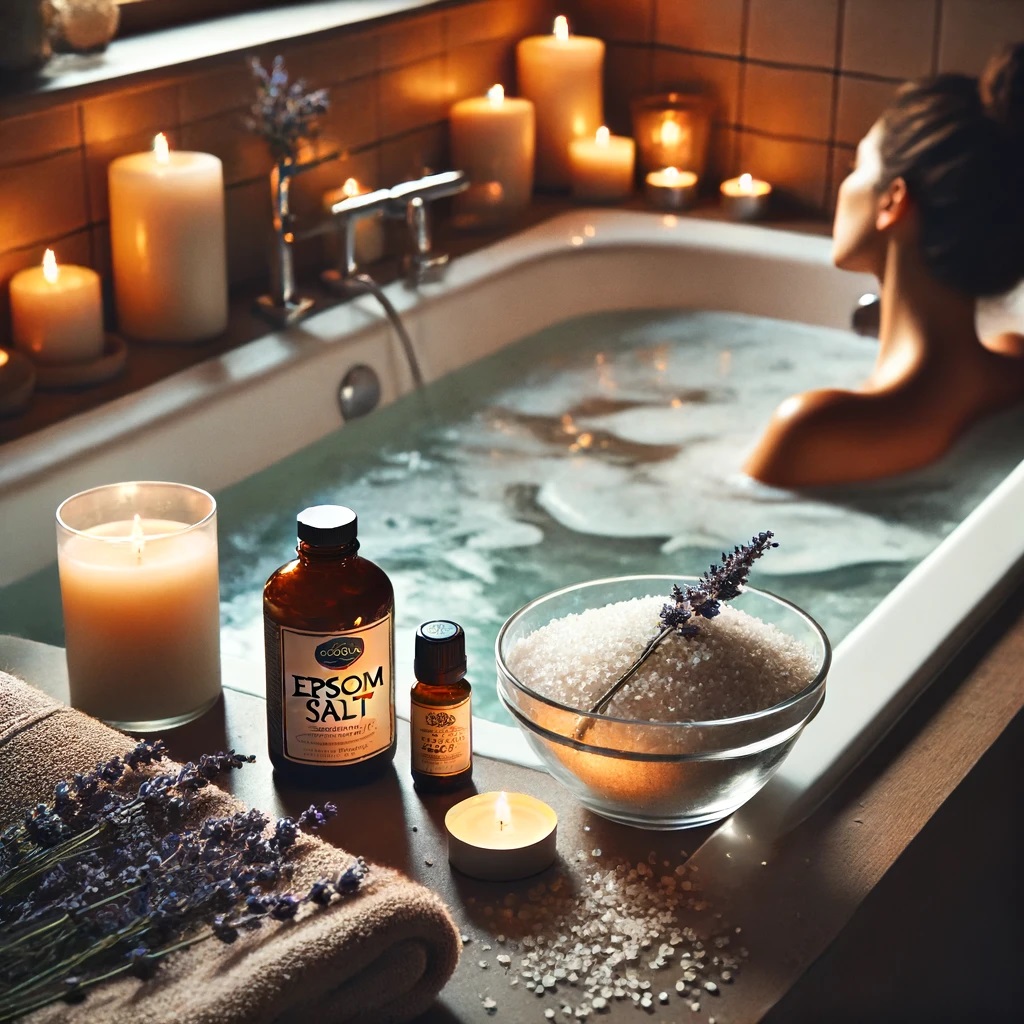
Epsom salt baths are widely known for their ability to detoxify and relax muscles, but they also have a powerful effect on emotional well-being. The minerals in the salt help pull out toxins, leaving you feeling lighter and clearer.

  • How to Practice: Add 1-2 cups of Epsom salt to a warm bath and soak for 20 minutes. Imagine any negativity or stress dissolving into the water, leaving you cleansed and refreshed.

4. Guided Water Meditation for Inner Calm

Water meditations use the sound or imagery of water to help you relax and center. This practice brings a deep sense of tranquility, especially helpful for moments of stress or anxiety.

  • How to Practice: Find a guided water meditation online, or sit by a body of water if possible. Close your eyes, breathe deeply, and focus on the sound or feeling of water to calm your mind.

5. Rain Cleansing Ritual for Releasing Negative Energy

Rain has a natural cleansing effect, washing away both physical and energetic impurities. A rain cleansing ritual can be a powerful way to reset, particularly after a challenging time.

  • How to Practice: When it rains, step outside for a few moments, focusing on the sensation of raindrops. Visualize any negativity washing away, leaving you feeling refreshed and renewed.

6. Foot Soak for Grounding and Energy Reset

A foot soak is a quick, simple ritual that not only relaxes but also helps ground your energy. Adding essential oils or salts can enhance its effects.

  • How to Practice: Fill a basin with warm water, add Epsom salts or essential oils, and soak your feet for 10-15 minutes. Imagine yourself grounded and centered, reconnecting with your inner peace.

7. Mindful Shower to Release Daily Stress

A mindful shower is a quick yet impactful way to reset after a long day. This ritual helps you let go of stress and tension, replacing them with calm and clarity.

  • How to Practice: During your shower, focus on the sensation of water on your skin. Visualize any stress or worry washing away, leaving you renewed and refreshed.

8. Create a Calming Water Sound Bath

Listening to the sound of water, such as ocean waves, rain, or a river, can help bring peace and relaxation. Sound baths with water sounds are known to reduce stress and promote sleep.

  • How to Practice: Play water sounds as background noise while you meditate, work, or fall asleep. Allow the soothing rhythm of the water to bring you into a relaxed state.

9. Water Reflection Meditation for Insight

Water has reflective properties that mirror our inner thoughts. A reflection meditation by water can offer insights and bring clarity to unresolved emotions.

  • How to Practice: Sit by a still body of water, like a pond or lake. As you gaze at the water’s surface, reflect on any thoughts or feelings you’ve been holding. Allow the stillness to bring you insight.

10. Intention-Setting Ritual with Water

Water can amplify intentions, absorbing and carrying energy. Setting intentions with water can help you manifest positivity, health, or clarity in your life.

  • How to Practice: Hold a glass of water, set a positive intention, and visualize it absorbing into the water. Drink slowly, imagining that your intention is becoming a part of you.

11. Moonlight Water Charging

Water can be charged with the energy of the moon, particularly during a full moon, for an extra boost of tranquility, intuition, and clarity.

  • How to Practice: Place a glass of water under the moonlight overnight. In the morning, drink it with gratitude, visualizing the moon’s energy filling you with peace and clarity.

12. End-of-Day Water Ritual to Let Go

Just as you start your day with water, end it with a final ritual to release the day’s worries. Washing your face or soaking your hands in cool water signals your mind to let go and prepare for rest.

  • How to Practice: Before bed, wash your face or soak your hands in cool water for a few moments. Reflect on the events of the day, letting go of any tension, and inviting peace for a restful night.

Conclusion

Water rituals are powerful practices that use one of nature’s simplest elements to cleanse, renew, and balance. By incorporating these water-based rituals into your life, you create a toolkit for stress relief, mindfulness, and well-being. Choose the rituals that resonate most with you, and allow water to guide you toward greater peace and renewal.


For more ways to bring balance and mindfulness into your life, check out my book, The Mindful Executive: https://www.amazon.com/dp/B0D75YJCLW.

Emily’s Journey to Better Sleep with Natural Remedies

Restful Nights: Emily’s Journey to Better Sleep with Natural Remedies

Meet Emily, a 29-year-old graphic designer who struggled with insomnia and restless nights. Frustrated with over-the-counter sleep aids, she turned to natural remedies and found lasting relief. In this post, we’ll share Emily’s journey to better sleep and the natural solutions she discovered.

Emily’s sleepless nights affected her daily life and productivity. Determined to find a natural solution, she researched and tried various remedies to improve her sleep.

Step 1: Establishing a Sleep Routine: Emily created a consistent bedtime routine to signal her body that it was time to wind down.

Example: Every night, Emily turned off electronics an hour before bed, dimmed the lights, and read a book to relax.

Step 2: Using Herbal Teas: She incorporated calming herbal teas like chamomile and valerian root into her nightly routine to promote relaxation.

Example: Emily enjoyed a cup of chamomile tea 30 minutes before bed to help her unwind.

Step 3: Aromatherapy: Emily used essential oils like lavender and bergamot in a diffuser to create a calming sleep environment.

Example: She diffused lavender oil in her bedroom to help relax her mind and body before sleep.

Step 4: Practicing Relaxation Techniques: To calm her mind, Emily practiced relaxation techniques such as deep breathing and progressive muscle relaxation.

Example: Emily spent 10 minutes each night practicing deep breathing exercises to reduce anxiety and prepare for sleep.

With these natural remedies, Emily experienced significant improvements in her sleep quality. She fell asleep faster, stayed asleep longer, and woke up feeling refreshed. The natural solutions transformed her nights and improved her overall well-being.

Emily’s journey demonstrates the effectiveness of natural remedies for improving sleep quality. At Alchemy International, we believe in the power of holistic solutions to support restful sleep. Try incorporating these natural remedies into your nightly routine and experience the benefits of better sleep.

Discover the Healing Power of Epsom Salt Baths

Epsom salt baths are a simple yet powerful way to improve your overall well-being. The magnesium and sulfate in Epsom salts provide numerous health benefits, from relieving muscle pain to reducing stress. Here’s how you can discover the healing power of Epsom salt baths.

Relieving Muscle Pain and Tension: Epsom salts are known for their ability to relax muscles and alleviate pain. The magnesium in Epsom salts helps reduce inflammation and ease muscle cramps.

Example: Add two cups of Epsom salts to your bathwater and soak for at least 20 minutes to relieve muscle soreness after a workout.

Reducing Stress and Promoting Relaxation: Soaking in an Epsom salt bath can help reduce stress and promote relaxation. The warm water combined with the soothing properties of magnesium helps calm the nervous system.

Example: Create a spa-like experience at home by adding a few drops of lavender essential oil to your Epsom salt bath and soaking in the tranquility.

Detoxifying the Body: Epsom salts can help draw out toxins from the body, promoting detoxification. This can help improve skin health and overall wellness.

Example: Take a detox bath by mixing Epsom salts with baking soda and soaking for 20-30 minutes. This can help cleanse your body and leave your skin feeling refreshed.

Improving Skin Health: Epsom salts can help exfoliate the skin, removing dead skin cells and leaving your skin soft and smooth. They also help reduce inflammation and treat conditions like eczema and psoriasis.

Example: Use Epsom salts as a gentle exfoliant by mixing them with a bit of water or oil and massaging onto your skin in the shower.

Promoting Better Sleep: A warm Epsom salt bath before bed can help improve sleep quality. The magnesium helps relax your muscles and mind, making it easier to fall asleep.

Example: Incorporate Epsom salt baths into your nightly routine to help you wind down and prepare for a restful night’s sleep.

Practical Tips for Epsom Salt Baths:

  1. Choose the Right Epsom Salts:
    • Look for high-quality, pure Epsom salts without added fragrances or chemicals.
  2. Set the Mood:
    • Create a relaxing environment with dim lighting, candles, and calming music to enhance your bath experience.
  3. Stay Hydrated:
    • Drink plenty of water before and after your bath to stay hydrated and support the detoxification process.
  4. Regular Routine:
    • Incorporate Epsom salt baths into your weekly routine for ongoing benefits to your health and well-being.

By incorporating Epsom salt baths into your self-care routine, you can experience their powerful healing benefits and enhance your overall well-being.

The Healing Benefits of Epsom Salt Foot Soaks

Step into Relaxation: The Healing Benefits of Epsom Salt Foot Soaks

Epsom salt foot soaks are a simple and effective way to relax and rejuvenate your feet. Whether you’re dealing with foot pain, swelling, or just need a moment of relaxation, an Epsom salt foot soak can provide numerous benefits. In this post, we’ll explore the healing benefits of Epsom salt foot soaks and how to create your own at home.

Benefit 1: Relieves Foot Pain and Soreness: Epsom salt helps reduce inflammation and relieve pain, making it an excellent remedy for tired and sore feet.

How to Use:

  1. Fill a basin with warm water and add 1/2 cup of Epsom salt.
  2. Soak your feet for 20-30 minutes.
  3. Pat your feet dry and apply a moisturizer.

Benefit 2: Reduces Swelling: The anti-inflammatory properties of Epsom salt can help reduce swelling and improve circulation in your feet.

How to Use:

  1. Add 1/2 cup of Epsom salt to a basin of warm water.
  2. Soak your feet for 20-30 minutes.
  3. Repeat daily as needed.

Benefit 3: Softens Skin and Calluses: Regular Epsom salt foot soaks can soften rough skin and calluses, making it easier to exfoliate and maintain smooth feet.

How to Use:

  1. Soak your feet in an Epsom salt solution for 20-30 minutes.
  2. Use a pumice stone to gently exfoliate rough areas.
  3. Rinse and moisturize your feet.

Benefit 4: Fights Foot Odor: Epsom salt has antibacterial properties that can help eliminate foot odor and keep your feet fresh.

How to Use:

  1. Add 1/2 cup of Epsom salt to warm water and soak your feet for 20-30 minutes.
  2. Dry your feet thoroughly and apply an antifungal powder if needed.

Benefit 5: Promotes Relaxation: Soaking your feet in warm water with Epsom salt can help reduce stress and promote relaxation, making it a great addition to your self-care routine.

How to Use:

  1. Fill a basin with warm water and add 1/2 cup of Epsom salt.
  2. Add a few drops of your favorite essential oil for added relaxation.
  3. Soak your feet for 20-30 minutes, close your eyes, and relax.

Epsom salt foot soaks are a simple and effective way to care for your feet and promote relaxation. At Alchemy International, we believe in the power of natural remedies like Epsom salt to enhance your well-being. Try incorporating Epsom salt foot soaks into your self-care routine and experience the benefits for yourself.

Top 7 Tips for Better Sleep and Relaxation

Sweet Dreams: Top 7 Tips for Better Sleep and Relaxation

In our busy lives, getting a good night’s sleep is essential for overall health and well-being. Quality sleep helps us recover, rejuvenate, and function at our best. In this post, we’ll share seven effective tips to improve your sleep and enhance relaxation, ensuring you wake up feeling refreshed and ready to take on the day.

Tip 1: Establish a Sleep Routine: Creating a consistent sleep schedule can significantly improve the quality of your sleep. Going to bed and waking up at the same time each day helps regulate your body’s internal clock.

Instructions:

  1. Set a regular bedtime and wake-up time, even on weekends.
  2. Stick to your schedule as closely as possible to establish a healthy sleep pattern.

Tip 2: Create a Relaxing Bedtime Ritual: A calming bedtime routine signals your body that it’s time to wind down and prepare for sleep. This can include activities that help you relax and de-stress.

Instructions:

  1. Spend 30 minutes before bed doing a relaxing activity, such as reading, taking a warm bath, or practicing gentle yoga.
  2. Avoid stimulating activities like watching TV or using electronic devices.

Tip 3: Make Your Sleep Environment Comfortable: Your sleep environment plays a crucial role in the quality of your sleep. Ensure that your bedroom is conducive to relaxation and rest.

Instructions:

  1. Keep your bedroom cool, quiet, and dark.
  2. Invest in a comfortable mattress and pillows.
  3. Use blackout curtains or an eye mask to block out light.

Tip 4: Watch Your Diet: What you eat and drink can impact your sleep. Certain foods and beverages can help promote sleep, while others can disrupt it.

Instructions:

  1. Avoid caffeine and heavy meals close to bedtime.
  2. Opt for sleep-friendly snacks like a banana, a handful of almonds, or a warm glass of milk.

Tip 5: Limit Naps: While napping can be beneficial, excessive or irregular napping can interfere with nighttime sleep.

Instructions:

  1. If you need to nap, keep it short (20-30 minutes) and avoid napping late in the afternoon.
  2. Try to nap earlier in the day to avoid disrupting your nighttime sleep.

Tip 6: Manage Stress: Stress and anxiety can make it difficult to fall asleep and stay asleep. Finding ways to manage stress can improve your sleep quality.

Instructions:

  1. Practice relaxation techniques such as deep breathing, meditation, or progressive muscle relaxation.
  2. Write down your thoughts in a journal to clear your mind before bed.

Tip 7: Stay Active: Regular physical activity can help you fall asleep faster and enjoy deeper sleep. However, timing is important.

Instructions:

  1. Engage in moderate exercise during the day, such as walking, swimming, or cycling.
  2. Avoid vigorous exercise close to bedtime, as it may interfere with sleep.

By incorporating these tips into your daily routine, you can improve your sleep quality and wake up feeling more refreshed and energized. At Alchemy International, we believe in the importance of holistic wellness, including the benefits of a good night’s sleep. Try these strategies to enhance your relaxation and achieve better sleep.