

10 Signs Your Energy is Out of Balance—and How to Fix It

Feeling off, drained, or out of sync? Our bodies, minds, and spirits thrive on balanced energy, but everyday stressors, emotional challenges, and lifestyle choices can throw that balance off. Recognizing the signs of energy imbalance allows you to address and restore harmony within. Here are 10 common indicators of energy imbalance and practical ways to bring yourself back into alignment.


1. Chronic Fatigue and Low Energy

Persistent fatigue, even after rest, can be a sign that your energy is misaligned. Emotional, mental, or physical blocks may be draining your energy reserves.

  • How to Fix It: Prioritize restorative activities like gentle exercise, breathwork, or nature walks. Grounding exercises, like walking barefoot or deep breathing, can help reconnect you to stable energy.

2. Frequent Mood Swings

Feeling emotionally turbulent or irritable may indicate an imbalance in your emotional energy. This can happen when you’re suppressing emotions or not expressing your needs.

  • How to Fix It: Practice emotional release exercises like journaling or talking to a trusted friend. Incorporating heart-opening yoga poses, such as camel or bridge pose, can help balance emotional energy.

3. Poor Sleep Quality

If you’re having trouble falling asleep, staying asleep, or waking up feeling unrefreshed, it may indicate an imbalance in your mental or physical energy.

  • How to Fix It: Develop a consistent bedtime routine and avoid screens before bed. Try a 4-7-8 breathing exercise to calm your mind and promote restful sleep.

4. Difficulty Concentrating

A scattered mind or trouble focusing may suggest an imbalance in your mental energy, often stemming from stress or overstimulation.

  • How to Fix It: Take regular breaks from digital devices and practice mindfulness techniques. Meditating for even five minutes can help you center and sharpen your focus.

5. Frequent Illness or Weakened Immune System

Regular colds or other illnesses might indicate that your body’s energy is depleted or blocked, affecting your immune defenses.

  • How to Fix It: Nourish your body with immune-boosting foods, like citrus fruits, ginger, and greens. Gentle movement and adequate rest can help restore physical vitality.

6. Digestive Issues

Bloating, indigestion, or other digestive discomforts may signal that your energy flow is disrupted, particularly in the solar plexus area, which is associated with personal power and confidence.

  • How to Fix It: Practice deep breathing exercises, especially belly breathing, to relax the digestive organs. Try mindful eating by slowing down and savoring each bite.

7. Persistent Self-Doubt

Constantly second-guessing yourself or feeling unworthy can indicate an imbalance in your personal power and self-esteem, often associated with the solar plexus chakra.

  • How to Fix It: Practice affirmations that reinforce your self-worth, such as “I am capable” or “I trust myself.” Physical activities like yoga can also boost your confidence and personal power.

8. Tension in the Neck, Shoulders, or Back

Physical tension, especially in the neck, shoulders, and back, often reflects stress, suppressed emotions, or a lack of support in life.

  • How to Fix It: Stretching, yoga, and bodywork therapies like massage can release physical tension. Focus on deep, mindful breaths during stretches to further relieve stress.

9. Feeling Disconnected or “Empty”

A sense of emptiness or disconnection from life’s purpose can indicate an imbalance in spiritual energy. This often occurs when we’re not nurturing our sense of purpose or spiritual connection.

  • How to Fix It: Engage in activities that nourish your spirit, like meditation, volunteering, or spending time in nature. Reflecting on what brings you joy and meaning can also rekindle your inner spark.

10. Overthinking or Constant Worry

Excessive worry or overthinking can indicate a blocked or imbalanced third eye chakra, which is associated with intuition and clarity of mind.

  • How to Fix It: Practice meditation or visualization techniques that calm the mind and focus on the present. Visualization exercises, like imagining a peaceful place, can help ease mental strain.

Conclusion

Recognizing these signs of energy imbalance empowers you to make simple yet effective adjustments to restore harmony within. By understanding the specific areas where your energy may be blocked or out of alignment, you can take proactive steps to renew and reenergize. Small practices, such as grounding exercises, mindfulness, and self-care rituals, can help you restore your natural flow and thrive in mind, body, and spirit.


For more insights on maintaining balanced energy, check out my book, The Mindful Executive: https://www.amazon.com/dp/B0D75YJCLW.
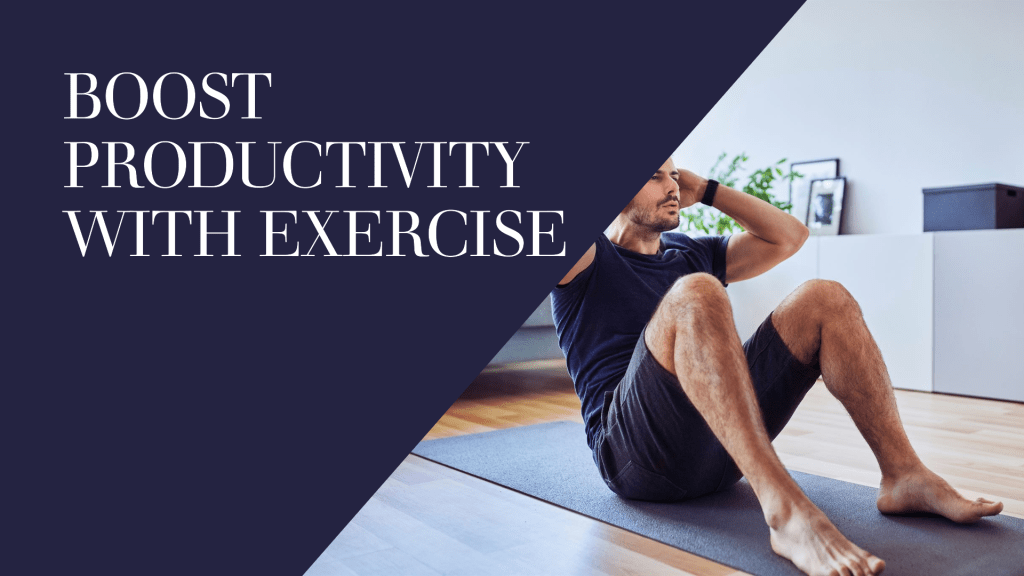

How Regular Exercise Enhances Workplace Productivity

How Regular Exercise Enhances Workplace Productivity

Regular exercise is not only vital for physical health but also plays a crucial role in enhancing workplace productivity. By incorporating physical activity into your daily routine, you can boost your energy levels, improve mental clarity, and foster a more productive work environment.

1. Increases Energy Levels

Exercise boosts energy levels by improving cardiovascular health and promoting better oxygen flow throughout the body. This increased energy helps professionals stay alert and productive throughout the workday.

  • Tip: Incorporate short exercise sessions, such as a brisk walk or a quick workout, into your daily schedule.

2. Enhances Mental Clarity

Physical activity stimulates brain function and improves cognitive abilities. Regular exercise helps enhance memory, focus, and problem-solving skills, making it easier to tackle complex tasks.

  • Tip: Start your day with a morning workout to kickstart your brain and enhance mental clarity.

3. Reduces Stress and Improves Mood

Exercise releases endorphins, which are natural mood elevators. By reducing stress and improving mood, regular physical activity can lead to a more positive and productive work environment.

  • Tip: Take a break during the workday for a quick exercise session to reduce stress and refresh your mind.

4. Boosts Immune System

A strong immune system is crucial for maintaining good health and minimizing sick days. Regular exercise helps strengthen the immune system, reducing the risk of illness and absenteeism.

  • Tip: Engage in regular physical activity, such as jogging, cycling, or swimming, to keep your immune system strong.

5. Enhances Team Collaboration

Group exercise activities, such as team sports or fitness classes, can enhance team collaboration and communication. These activities build camaraderie and foster a sense of teamwork among colleagues.

  • Tip: Organize team-building exercises that involve physical activity to promote collaboration and a positive work environment.

Call to Action

Incorporating regular exercise into your daily routine can significantly enhance workplace productivity and overall well-being. Start small by adding short exercise breaks to your workday and gradually increase your activity levels. Encourage your team to join in and create a culture of health and productivity in your workplace.

The Benefits of Regular Stretching: Flexibility, Posture, and Overall Health

Stretching is a crucial component of any fitness routine and overall health maintenance. Regular stretching improves flexibility, posture, and has numerous other health benefits. Here’s a guide to understanding the importance of stretching and incorporating simple routines into your daily life.

1. Improves Flexibility

Flexibility is essential for maintaining a full range of motion in the joints and muscles.

  • Tip: Incorporate dynamic stretching (stretching with movement) before workouts and static stretching (holding a stretch) after workouts.
  • Story: Sarah, a dancer, found that regular stretching routines significantly improved her flexibility, allowing her to perform better and avoid injuries.

2. Enhances Posture

Stretching helps correct muscle imbalances and reduces tension, leading to better posture.

  • Tip: Focus on stretching the chest, shoulders, and lower back to counteract the effects of sitting.
  • Story: John, an office worker, noticed his posture improving after incorporating daily stretches targeting his back and shoulders. He felt less tension and more comfortable during long work hours.

3. Reduces Risk of Injury

Regular stretching keeps the muscles flexible, strong, and healthy, which helps prevent injuries.

  • Tip: Always warm up before stretching to increase blood flow to the muscles and reduce the risk of strains.
  • Story: Emily, a recreational runner, avoided injuries by incorporating stretching into her routine. She felt more prepared for her runs and recovered faster.

4. Decreases Muscle Soreness

Stretching can help reduce muscle soreness after exercise by promoting blood flow and reducing tension.

  • Tip: Stretch the major muscle groups used in your workouts, holding each stretch for at least 30 seconds.
  • Story: Raj, a fitness enthusiast, noticed that stretching after his workouts helped reduce muscle soreness and stiffness, allowing him to stay consistent with his exercise routine.

5. Promotes Relaxation

Stretching can help reduce stress and promote relaxation by relieving muscle tension and increasing blood flow.

  • Tip: Incorporate gentle stretches and deep breathing exercises into your evening routine to unwind.
  • Story: Lisa, a busy mother, found that stretching before bed helped her relax and sleep better. She felt more rejuvenated and ready for the next day.

Simple Stretching Routines

Morning Stretch Routine

  1. Neck Stretch: Tilt your head to one side, bringing your ear toward your shoulder. Hold for 20 seconds on each side.
  2. Shoulder Stretch: Bring one arm across your body and hold it with the opposite arm. Hold for 20 seconds on each side.
  3. Cat-Cow Stretch: On your hands and knees, arch your back (cat) and then dip it (cow). Repeat 10 times.
  4. Hamstring Stretch: Sit on the floor with one leg extended and the other bent. Reach for your toes on the extended leg. Hold for 30 seconds on each side.

Evening Stretch Routine

  1. Child’s Pose: Kneel on the floor and sit back on your heels. Stretch your arms forward and rest your forehead on the ground. Hold for 1 minute.
  2. Seated Forward Bend: Sit with your legs extended and reach forward, trying to touch your toes. Hold for 1 minute.
  3. Quad Stretch: Stand on one leg, hold the ankle of the opposite leg, and pull it toward your glutes. Hold for 30 seconds on each side.
  4. Hip Flexor Stretch: Step one foot forward into a lunge position, keeping the back leg straight. Hold for 30 seconds on each side.

Conclusion

Regular stretching is essential for maintaining flexibility, improving posture, reducing the risk of injury, decreasing muscle soreness, and promoting relaxation. By incorporating simple stretching routines into your daily life, you can enhance your overall health and well-being.