Natural Remedies and Preventive Measures for Common Cold and Flu

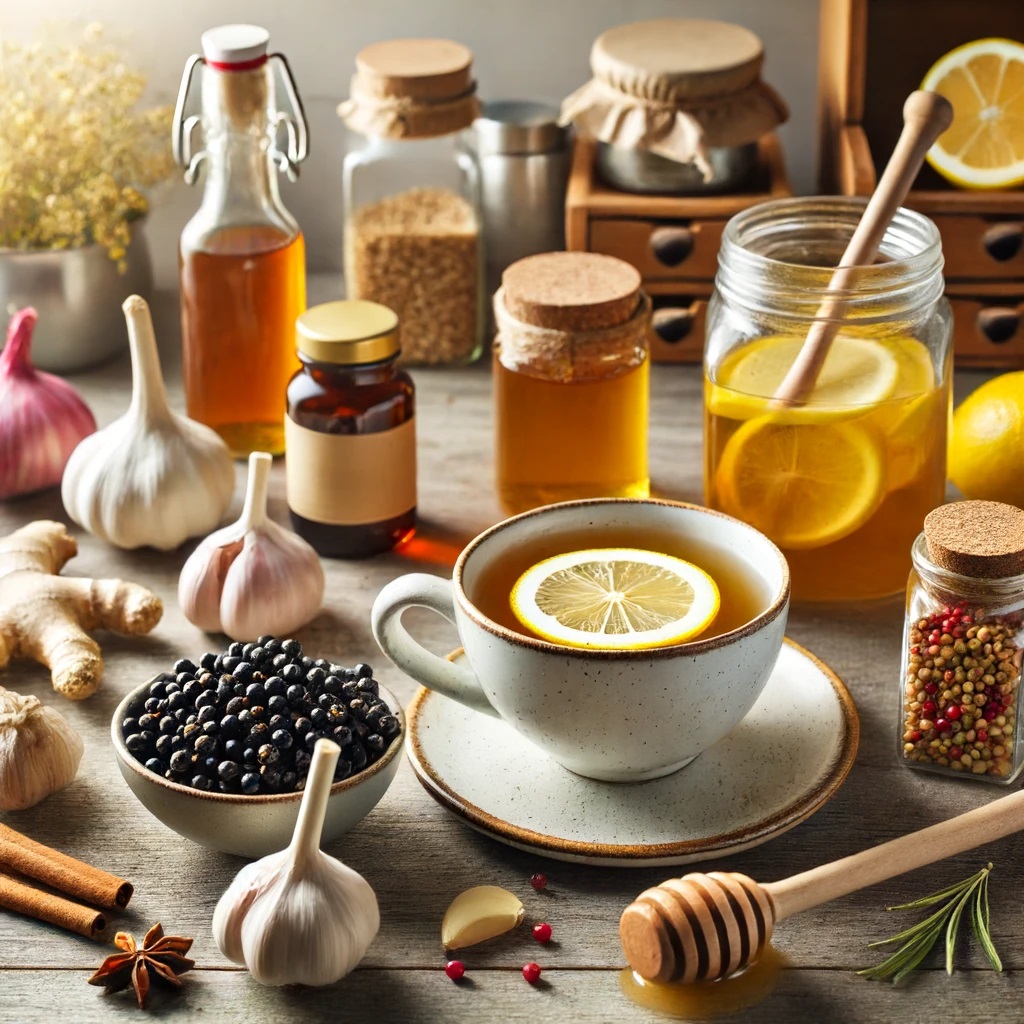
The common cold and flu are viral infections that can disrupt daily life. While there is no cure for these illnesses, natural remedies and preventive measures can help reduce symptoms and support recovery. Here are some effective strategies using herbs and natural ingredients.

1. Boost Your Immune System

Strengthening your immune system can help prevent colds and flu.

  • Tip: Incorporate immune-boosting foods like citrus fruits, garlic, ginger, and turmeric into your diet.
  • Story: Raj, a health-conscious individual, included garlic and ginger in his meals regularly. He noticed a significant reduction in the number of colds he caught each year.

2. Stay Hydrated

Proper hydration is essential for maintaining overall health and supporting the immune system.

  • Tip: Drink plenty of water, herbal teas, and broths throughout the day.
  • Story: Emily, a nurse, made sure to stay hydrated, especially during flu season. She found that drinking herbal teas helped soothe her throat and keep her hydrated.

3. Use Herbal Remedies

Certain herbs can help alleviate symptoms and support recovery.

  • Echinacea: Known for its immune-boosting properties, echinacea can help reduce the severity and duration of colds.
    • How to Use: Take echinacea supplements or drink echinacea tea at the first sign of a cold.
  • Elderberry: Elderberry has antiviral properties that can help fight off colds and flu.
    • How to Use: Take elderberry syrup or capsules to support immune function.
  • Ginger: Ginger can help reduce inflammation and soothe sore throats.
    • How to Use: Drink ginger tea or add fresh ginger to your meals.

4. Rest and Relax

Rest is crucial for recovery from illness.

  • Tip: Ensure you get plenty of rest and sleep to allow your body to heal.
  • Story: John, a busy executive, made it a point to rest whenever he felt a cold coming on. He found that taking time to rest helped him recover faster.

5. Use Steam Inhalation

Steam inhalation can help relieve congestion and soothe irritated airways.

  • Tip: Add a few drops of eucalyptus or peppermint oil to a bowl of hot water and inhale the steam.
  • Story: Lisa, a yoga instructor, used steam inhalation to clear her sinuses during a cold. She found it helped her breathe easier and relieved congestion.

6. Practice Good Hygiene

Good hygiene practices can help prevent the spread of colds and flu.

  • Tip: Wash your hands regularly with soap and water, avoid touching your face, and cover your mouth when coughing or sneezing.
  • Story: Alex, a school teacher, emphasized good hygiene practices in his classroom. He noticed a decrease in the spread of colds among his students.

Conclusion

Incorporating these natural remedies and preventive measures can help you manage and reduce the symptoms of common cold and flu. By boosting your immune system, staying hydrated, using herbal remedies, resting, and practicing good hygiene, you can support your body’s natural defenses and promote faster recovery.

Top 5 Benefits of Epsom Salt Baths

Epsom salt baths have been a popular home remedy for centuries. Known for their numerous health benefits, these baths are a simple and effective way to improve your overall well-being. In this post, we’ll explore the top five benefits of soaking in an Epsom salt bath.

1. Muscle Relaxation

One of the most well-known benefits of Epsom salt baths is muscle relaxation. The magnesium in Epsom salt helps reduce inflammation and relieve muscle cramps, making it an excellent remedy for post-workout soreness or general muscle aches.

2. Stress Relief

Stress is a common issue in today’s fast-paced world. Epsom salt baths can help. The magnesium absorbed through the skin promotes relaxation and reduces stress by encouraging the production of serotonin, a mood-elevating chemical in the brain.

3. Detoxification

Epsom salt baths can aid in detoxification by drawing out toxins and heavy metals from the body. This detox process can help improve your health and leave you feeling rejuvenated.

4. Skin Health

Epsom salt baths can soothe skin conditions such as eczema, psoriasis, and dry skin. The salts help exfoliate dead skin cells, leaving your skin feeling soft and smooth.

5. Improved Sleep

A relaxing Epsom salt bath before bed can significantly improve your sleep quality. The calming effect of magnesium helps you fall asleep faster and enjoy a deeper, more restful sleep.

Epsom salt baths are a simple and effective way to enhance your health and well-being. Whether you’re looking to relax your muscles, reduce stress, detoxify your body, improve your skin, or get better sleep, Epsom salt baths can help. Give it a try and experience these benefits for yourself!

Boost Your Immunity Naturally: Top Foods and Supplements

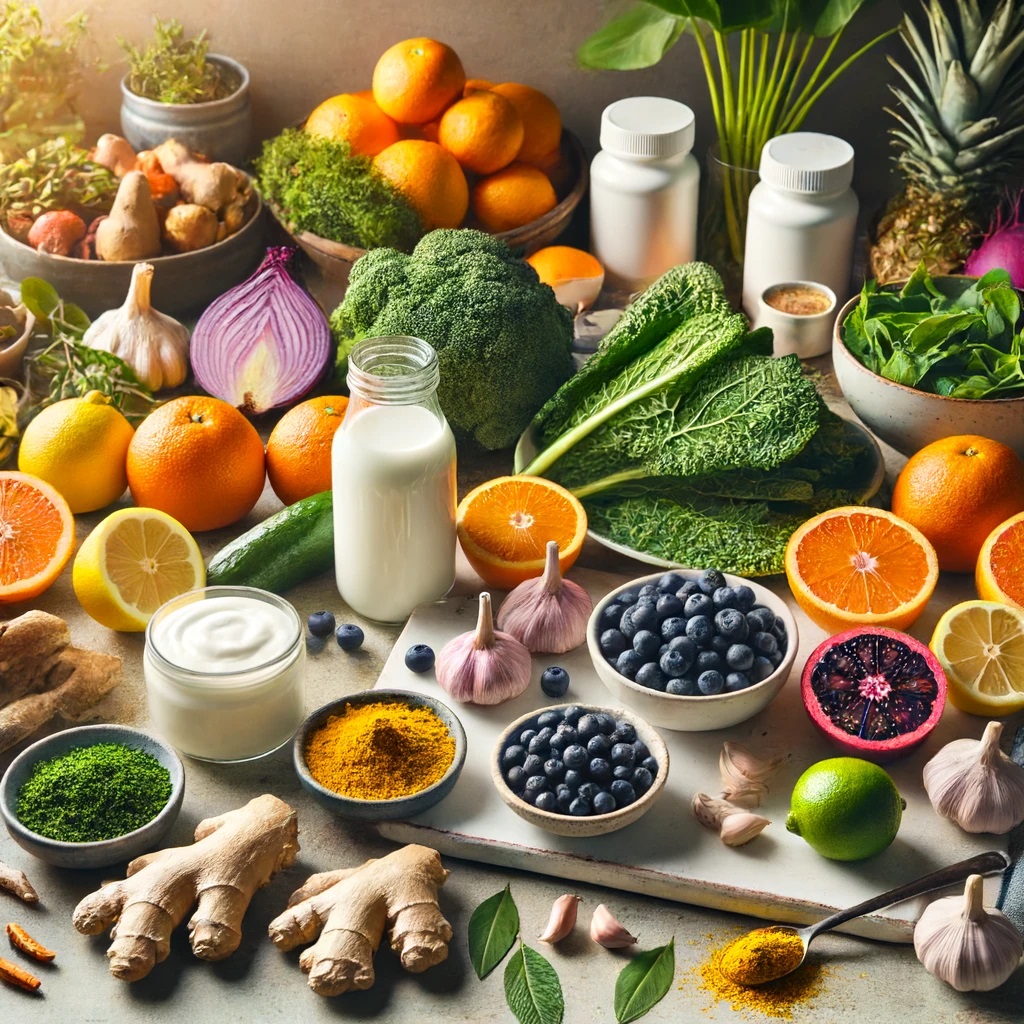
Supporting your immune system with the right foods and natural supplements can help keep you healthy and resilient. Here’s a guide to some of the best foods and supplements to enhance your immunity naturally.

Citrus Fruits for Vitamin C: Citrus fruits like oranges, grapefruits, lemons, and limes are packed with vitamin C, which is essential for immune function. Vitamin C increases the production of white blood cells, key to fighting infections.

Example: Start your day with a glass of fresh orange juice or add lemon slices to your water throughout the day for an extra boost.

Leafy Greens for Antioxidants: Leafy greens such as spinach, kale, and Swiss chard are rich in antioxidants and essential nutrients that support the immune system. These greens are also high in vitamins A and C.

Example: Incorporate a green smoothie into your breakfast or enjoy a fresh spinach salad for lunch to pack in the nutrients.

Ginger for Anti-Inflammatory Benefits: Ginger is a powerful anti-inflammatory and antioxidant root that can help reduce inflammation and boost immune health. It is also known for its ability to soothe a sore throat and fight infections.

Example: Add fresh ginger to your tea or include it in your cooking for a flavorful and health-boosting addition.

Garlic for Immune Support: Garlic contains compounds that enhance the immune system. It has been used for centuries for its medicinal properties and is known to boost the function of the immune system.

Example: Add minced garlic to your meals or consume a raw garlic clove daily for its potent benefits.

Turmeric for Curcumin: Turmeric is a spice that contains curcumin, a compound with powerful anti-inflammatory and antioxidant effects. Curcumin can help modulate the immune system and has been shown to have antiviral properties.

Example: Enjoy a warm cup of turmeric tea or add turmeric to your soups and stews for an immune-boosting effect.

Probiotics for Gut Health: Probiotics found in yogurt, kefir, and fermented foods like sauerkraut and kimchi can enhance gut health, which is closely linked to the immune system. A healthy gut flora supports overall immunity.

Example: Include a serving of yogurt in your breakfast or snack on fermented vegetables to support gut and immune health.

Herbal Supplements for Extra Support: Herbal supplements such as echinacea, elderberry, and astragalus can provide additional immune support. These herbs have been traditionally used to prevent and treat colds and flu.

Example: Take an echinacea supplement during flu season or sip on elderberry syrup to enhance your immune defenses.

By incorporating these immune-boosting foods and supplements into your diet, you can naturally enhance your body’s ability to fight off infections and stay healthy.

The Healing Power of Aromatherapy: Essential Oils for Health and Wellness

Aromatherapy, the practice of using essential oils extracted from plants for therapeutic purposes, has been used for centuries to promote health and wellness. These oils can positively affect both the mind and body, offering a natural way to improve overall well-being. Here’s how you can harness the healing power of aromatherapy and essential oils to enhance your health and wellness.

Understanding Aromatherapy

Aromatherapy involves the use of essential oils, which are concentrated extracts from the roots, leaves, seeds, or blossoms of plants. These oils contain the plant’s essence and are believed to have healing properties when inhaled or applied to the skin.

Benefits of Aromatherapy

Aromatherapy can provide numerous benefits, including reducing stress, improving mood, enhancing sleep, and relieving pain. Different essential oils have unique properties that can address specific health concerns.

Popular Essential Oils and Their Benefits

1. Lavender

Lavender oil is widely known for its calming and relaxing properties. It can help reduce anxiety, improve sleep quality, and alleviate headaches.

  • Benefits: Reduces stress and anxiety, improves sleep, relieves headaches.
  • Example: Add a few drops of lavender oil to your pillow or use it in a diffuser before bedtime to promote restful sleep.

2. Peppermint

Peppermint oil has a refreshing and invigorating scent. It’s often used to relieve headaches, improve focus, and alleviate digestive issues.

  • Benefits: Eases headaches, enhances concentration, relieves digestive discomfort.
  • Example: Inhale peppermint oil directly from the bottle or add a few drops to a tissue and breathe deeply to relieve a headache.

3. Eucalyptus

Eucalyptus oil is known for its ability to clear the respiratory system and relieve congestion. It also has anti-inflammatory and pain-relieving properties.

  • Benefits: Relieves respiratory congestion, reduces inflammation, alleviates pain.
  • Example: Add eucalyptus oil to a bowl of hot water and inhale the steam to relieve nasal congestion and improve breathing.

4. Tea Tree

Tea tree oil has powerful antimicrobial properties and is often used to treat skin conditions, such as acne and fungal infections.

  • Benefits: Fights bacteria and fungi, treats acne, promotes skin health.
  • Example: Dilute tea tree oil with a carrier oil and apply it to acne-prone areas to help clear up breakouts.

5. Lemon

Lemon oil is uplifting and energizing. It’s commonly used to improve mood, boost energy levels, and support the immune system.

  • Benefits: Enhances mood, boosts energy, supports immune health.
  • Example: Add a few drops of lemon oil to a diffuser to create an energizing atmosphere in your home or office.

6. Frankincense

Frankincense oil is known for its grounding and calming effects. It’s often used in meditation and yoga practices to promote mental clarity and relaxation.

  • Benefits: Promotes relaxation, enhances mental clarity, supports emotional balance.
  • Example: Diffuse frankincense oil during meditation or yoga to create a serene and focused environment.

7. Chamomile

Chamomile oil has soothing and calming properties, making it ideal for reducing anxiety and promoting sleep. It’s also beneficial for skin health.

  • Benefits: Reduces anxiety, promotes sleep, supports skin health.
  • Example: Add a few drops of chamomile oil to a warm bath to unwind and relax before bed.

8. Rosemary

Rosemary oil is stimulating and invigorating. It can improve concentration, enhance memory, and promote hair health.

  • Benefits: Boosts concentration, improves memory, promotes hair growth.
  • Example: Use rosemary oil in a diffuser while studying or working to improve focus and mental clarity.

9. Ylang Ylang

Ylang ylang oil has a sweet, floral scent and is known for its mood-enhancing properties. It can reduce stress and promote a sense of well-being.

  • Benefits: Enhances mood, reduces stress, promotes relaxation.
  • Example: Add a few drops of ylang ylang oil to your bath or diffuser to create a calming and uplifting atmosphere.

How to Use Essential Oils

1. Diffusion

Using a diffuser is one of the most popular ways to enjoy the benefits of essential oils. Diffusers disperse the oils into the air, allowing you to inhale their therapeutic scents.

  • Example: Add 5-10 drops of your favorite essential oil to a diffuser filled with water. Turn it on and enjoy the aroma.

2. Inhalation

Direct inhalation involves breathing in the essential oil directly from the bottle or from a tissue with a few drops of the oil.

  • Example: Place a few drops of essential oil on a tissue and hold it close to your nose. Inhale deeply for several breaths.

3. Topical Application

Essential oils can be applied to the skin, but they should be diluted with a carrier oil to prevent irritation.

  • Example: Mix a few drops of essential oil with a carrier oil, such as coconut or jojoba oil, and apply it to your wrists, neck, or temples.

4. Bathing

Adding essential oils to your bath can enhance relaxation and provide therapeutic benefits.

  • Example: Add 5-10 drops of essential oil to your bathwater along with a cup of Epsom salts for a soothing and aromatic experience.

5. Massage

Incorporating essential oils into a massage can enhance relaxation and provide additional health benefits.

  • Example: Dilute essential oils with a carrier oil and use the mixture for a relaxing massage.

Safety Tips for Using Essential Oils

  • Always dilute essential oils with a carrier oil before applying them to the skin.
  • Perform a patch test to check for allergic reactions.
  • Use essential oils in well-ventilated areas.
  • Keep essential oils out of reach of children and pets.
  • Consult with a healthcare professional before using essential oils, especially if you are pregnant, nursing, or have a medical condition.

Herbal Teas for Wellness: Natural Remedies in a Cup

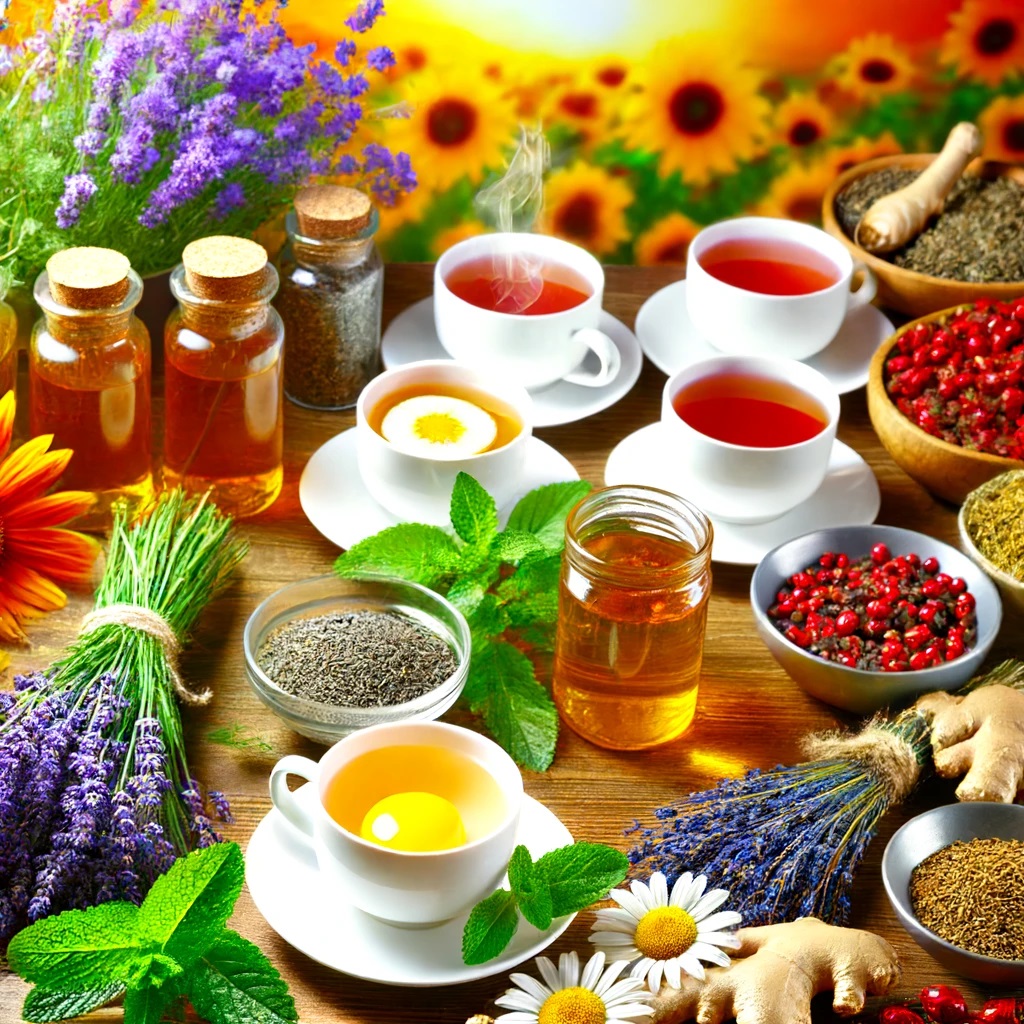
Herbal teas have been cherished for centuries as natural remedies for various ailments and to promote overall wellness. These teas, made from the leaves, flowers, seeds, and roots of different plants, offer unique health benefits. Here are some popular herbal teas and their wellness benefits, along with practical tips for incorporating them into your daily routine.

1. Chamomile Tea

Chamomile tea is renowned for its calming and soothing properties. It’s often used to reduce stress, promote relaxation, and improve sleep quality.

  • Benefits: Reduces anxiety, aids in digestion, and relieves insomnia.
  • Example: Drink a cup of chamomile tea before bedtime to help unwind and improve your sleep quality.

2. Peppermint Tea

Peppermint tea is refreshing and invigorating. It’s commonly used to relieve digestive issues and improve respiratory function.

  • Benefits: Eases indigestion, reduces nausea, and alleviates headaches.
  • Example: Sip on peppermint tea after meals to aid digestion and freshen your breath.

3. Ginger Tea

Ginger tea is a powerful remedy for nausea and digestive discomfort. It’s also known for its anti-inflammatory and immune-boosting properties.

  • Benefits: Relieves nausea, reduces inflammation, and boosts the immune system.
  • Example: Brew ginger tea when you’re feeling nauseous or to support your immune system during cold and flu season.

4. Hibiscus Tea

Hibiscus tea is a vibrant, tangy beverage rich in antioxidants. It’s known for its ability to lower blood pressure and support heart health.

  • Benefits: Lowers blood pressure, supports cardiovascular health, and provides antioxidant protection.
  • Example: Enjoy a refreshing glass of hibiscus tea iced on a hot day to stay hydrated and boost your heart health.

5. Echinacea Tea

Echinacea tea is widely used to boost the immune system and fight off infections. It’s particularly popular during the cold and flu season.

  • Benefits: Boosts the immune system, reduces the duration of colds, and fights infections.
  • Example: Drink echinacea tea at the first sign of a cold to help your body fend off the illness.

6. Rooibos Tea

Rooibos tea, also known as red bush tea, is caffeine-free and packed with antioxidants. It’s known for its anti-inflammatory properties and ability to promote skin health.

  • Benefits: Reduces inflammation, promotes healthy skin, and supports heart health.
  • Example: Include rooibos tea in your daily routine for a caffeine-free antioxidant boost.

7. Lemon Balm Tea

Lemon balm tea has a mild lemony flavor and is known for its calming effects. It’s often used to reduce anxiety and improve cognitive function.

  • Benefits: Reduces anxiety, improves mood, and enhances cognitive function.
  • Example: Drink lemon balm tea during stressful times to calm your nerves and improve focus.

8. Turmeric Tea

Turmeric tea, also known as golden milk, is renowned for its anti-inflammatory and antioxidant properties. It’s often used to support joint health and boost the immune system.

  • Benefits: Reduces inflammation, supports joint health, and boosts the immune system.
  • Example: Enjoy a warm cup of turmeric tea in the evening to benefit from its anti-inflammatory properties.

9. Lavender Tea

Lavender tea is soothing and aromatic. It’s commonly used to promote relaxation and alleviate headaches.

  • Benefits: Promotes relaxation, reduces anxiety, and alleviates headaches.
  • Example: Sip on lavender tea when you need to relax or before bedtime to help you sleep.

10. Dandelion Tea

Dandelion tea is a natural detoxifier and diuretic. It’s often used to support liver health and digestion.

  • Benefits: Supports liver health, aids digestion, and acts as a diuretic.
  • Example: Drink dandelion tea after a heavy meal to support digestion and detoxification.

How to Brew Herbal Teas

Brewing herbal tea is simple and can be done using fresh or dried herbs. Here’s a basic guide:

  1. Measure the Herbs: Use about 1 teaspoon of dried herbs or 1 tablespoon of fresh herbs per cup of water.
  2. Boil the Water: Bring water to a boil, then let it cool slightly before pouring over the herbs.
  3. Steep: Cover and steep the herbs for 5-10 minutes, depending on the desired strength.
  4. Strain: Strain the herbs from the water and enjoy your tea.

Incorporating Herbal Teas into Your Routine

  • Morning Boost: Start your day with an energizing tea like ginger or peppermint.
  • Midday Refresh: Enjoy a cup of hibiscus or lemon balm tea to recharge in the afternoon.
  • Evening Relaxation: Unwind with chamomile or lavender tea before bed.

How Nisha Found Calm with Herbal Teas

inding Calm: How Nisha Managed Stress with Herbal Teas

Meet Nisha: Nisha, a 29-year-old nurse from Delhi, dealt with high levels of stress from her demanding job. Seeking natural ways to manage her stress, she turned to herbal teas.

Chamomile for Relaxation: Nisha started drinking chamomile tea to help her relax after a long day at work.

Example: Each evening, Nisha enjoyed a cup of chamomile tea, which helped her unwind and prepare for a restful night’s sleep.

Peppermint for Digestive Health: To support her digestive health, Nisha included peppermint tea in her daily routine.

Example: After meals, Nisha drank peppermint tea to aid digestion and reduce bloating.

Lemon Balm for Anxiety: Nisha discovered that lemon balm tea helped reduce her anxiety levels and promote a sense of calm.

Example: During particularly stressful days, Nisha sipped on lemon balm tea to help her stay calm and focused.

The Result: By incorporating these herbal teas into her routine, Nisha managed her stress more effectively and felt more balanced.

Mei’s Transformation with Herbal Teas

A Cup of Health: Mei’s Transformation with Herbal Teas

Meet Mei: Mei, a 30-year-old teacher from Beijing, struggled with frequent colds and low energy levels. After learning about the benefits of herbal teas, she decided to incorporate them into her daily routine.

Discovering Herbal Teas: Mei started with chamomile tea to help her relax and improve her sleep quality.

Example: Each night before bed, Mei enjoyed a warm cup of chamomile tea, which helped her unwind and sleep better.

Exploring Different Teas: Mei experimented with different herbal teas like peppermint for digestion and ginger for its anti-inflammatory properties.

Example: After meals, Mei drank peppermint tea to aid digestion and ginger tea in the morning to boost her immune system.

Creating a Routine: Mei made herbal tea a part of her daily routine, replacing her usual coffee with various herbal blends.

Example: Instead of reaching for coffee, Mei started her day with a refreshing cup of lemon and ginger tea.

The Result: Within a few months, Mei noticed she had more energy, fewer colds, and overall better health. The simple change of incorporating herbal teas made a significant difference.

The Benefits of Herbal Teas: 5 Teas to Try for Better Health

Sip Your Way to Health: The Benefits of Herbal Teas and 5 Teas to Try

Herbal teas are a delicious and natural way to support your health and well-being. They are packed with beneficial compounds that can help with various health concerns, from digestion to relaxation. In this post, we’ll explore the benefits of herbal teas and introduce five teas that you should try for better health.

Tea 1: Chamomile Tea: Chamomile tea is well-known for its calming properties and can help with relaxation and sleep.

Benefits:

  • Reduces stress and anxiety.
  • Promotes better sleep.
  • Soothes digestive issues.

Tea 2: Peppermint Tea: Peppermint tea is refreshing and has several health benefits, particularly for digestion.

Benefits:

  • Relieves digestive discomfort.
  • Reduces headaches.
  • Enhances focus and concentration.

Tea 3: Ginger Tea: Ginger tea is a powerful anti-inflammatory and antioxidant, making it great for overall health.

Benefits:

  • Reduces inflammation.
  • Soothes nausea.
  • Supports immune function.

Tea 4: Hibiscus Tea: Hibiscus tea is rich in antioxidants and has been shown to have several heart health benefits.

Benefits:

  • Lowers blood pressure.
  • Supports heart health.
  • Boosts liver health.

Tea 5: Rooibos Tea: Rooibos tea is packed with antioxidants and is naturally caffeine-free, making it a great choice for any time of day.

Benefits:

  • Supports healthy skin.
  • Promotes heart health.
  • Aids in digestion.

Herbal teas are a simple and enjoyable way to support your health naturally. At Alchemy International, we value the benefits of natural remedies like herbal teas to enhance well-being. Try incorporating these teas into your daily routine and experience the positive effects on your health.

How Anika Managed Her Anxiety with Aromatherapy

Scent of Calm: How Anika Managed Her Anxiety with Aromatherapy

Meet Anika: Anika, a 28-year-old graphic designer from Mumbai, struggled with anxiety and frequent stress due to her job. She discovered aromatherapy as a natural way to manage her anxiety.

Using Essential Oils: Anika began using essential oils like lavender and chamomile to create a calming environment at home.

Example: Each evening, Anika diffused lavender oil in her bedroom to help her relax and unwind before bed.

Incorporating Aromatherapy into Daily Life: She carried a small bottle of essential oil blend with her to use whenever she felt anxious.

Example: During stressful moments at work, Anika applied a few drops of lavender oil to her wrists and took deep breaths to calm herself.

Exploring Different Scents: Anika experimented with different essential oils to find which scents worked best for her anxiety.

Example: She discovered that bergamot oil uplifted her mood and helped her stay focused during the day.

The Result: Aromatherapy helped Anika manage her anxiety more effectively, allowing her to feel calmer and more balanced throughout the day.