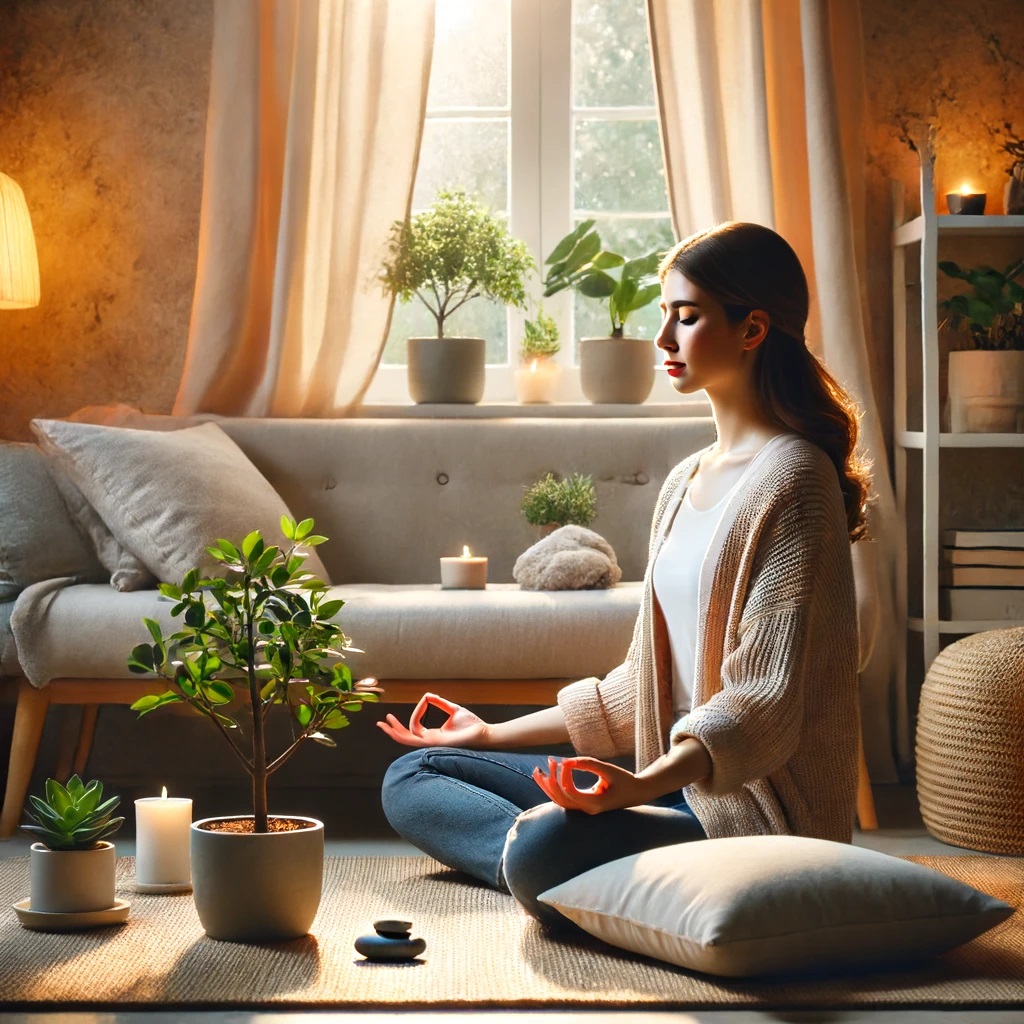
The Benefits of Meditation for Mental Clarity

Clear Your Mind: The Benefits of Meditation for Mental Clarity

In today’s fast-paced world, it’s easy to feel overwhelmed and mentally cluttered. Meditation is a powerful practice that can help clear your mind and improve mental clarity. In this post, we’ll explore the benefits of meditation and how it can enhance your focus, concentration, and overall mental well-being.

Benefit 1: Reduces Stress and Anxiety: Meditation helps calm the mind and reduce stress and anxiety by promoting relaxation and mindfulness. Regular practice can lead to a greater sense of inner peace.

Benefit 2: Improves Focus and Concentration: By training your mind to focus on the present moment, meditation enhances your ability to concentrate and maintain attention on tasks.

Benefit 3: Enhances Emotional Well-Being: Meditation can improve your mood and emotional well-being by increasing self-awareness and promoting positive thinking.

Benefit 4: Boosts Memory and Cognitive Function: Studies have shown that meditation can improve memory and cognitive function by enhancing brain plasticity and connectivity.

Benefit 5: Promotes Better Sleep: Meditation can help improve sleep quality by calming the mind and reducing the mental chatter that often interferes with restful sleep.

How to Get Started with Meditation:

  • Find a Quiet Space: Choose a quiet, comfortable space where you won’t be disturbed.
  • Set a Timer: Start with 5-10 minutes and gradually increase the duration as you become more comfortable.
  • Focus on Your Breath: Pay attention to your breath, noticing each inhale and exhale. If your mind wanders, gently bring your focus back to your breath.
  • Be Consistent: Try to meditate at the same time each day to build a regular practice.

Meditation is a simple yet powerful tool for improving mental clarity and overall well-being. At Alchemy International, we support holistic practices like meditation that promote a balanced and healthy life. Start incorporating meditation into your daily routine and experience the benefits for yourself.

The Power of Positive Thinking: Transform Your Life with Optimism

Positive thinking is more than just a fleeting mood; it’s a powerful tool that can transform your life. By adopting an optimistic mindset, you can improve your mental and physical health, enhance your relationships, and increase your overall happiness. Here’s how you can harness the power of positive thinking to create a more fulfilling life.

Understanding Positive Thinking

Positive thinking involves focusing on the good in any given situation, maintaining a hopeful attitude, and expecting positive outcomes. It doesn’t mean ignoring reality or pretending challenges don’t exist, but rather approaching life’s ups and downs with a positive outlook.

Benefits of Positive Thinking

Positive thinking can have profound effects on various aspects of your life. Studies have shown that it can reduce stress, improve cardiovascular health, boost the immune system, and increase longevity. Additionally, optimistic people tend to experience higher levels of success, better relationships, and greater overall happiness.

Practical Strategies for Cultivating Positive Thinking

1. Practice Gratitude

Gratitude is a cornerstone of positive thinking. By focusing on what you’re thankful for, you can shift your mindset from one of lack to one of abundance.

  • Example: Start a gratitude journal and write down three things you’re grateful for each day. This practice can help you recognize and appreciate the positive aspects of your life.

2. Reframe Negative Thoughts

Negative thoughts can undermine your optimism and well-being. Learning to reframe these thoughts into positive ones can help you maintain a positive outlook.

  • Example: If you catch yourself thinking, “I can’t do this,” reframe it to, “This is challenging, but I can learn and grow from it.” This shift in perspective can make a big difference.

3. Surround Yourself with Positivity

The people you spend time with can influence your mindset. Surround yourself with positive, supportive individuals who uplift and encourage you.

  • Example: Join a community group or club where you can meet like-minded people. Limit your interactions with those who drain your energy or bring negativity into your life.

4. Engage in Positive Self-Talk

The way you talk to yourself matters. Positive self-talk can boost your confidence and help you stay focused on your goals.

  • Example: Replace self-criticism with affirmations. Instead of saying, “I’m not good enough,” tell yourself, “I am capable and worthy of success.”

5. Visualize Success

Visualization is a powerful technique that involves imagining your goals and dreams as already achieved. This can help you stay motivated and focused on positive outcomes.

  • Example: Spend a few minutes each day visualizing your goals. Picture yourself succeeding and experiencing the emotions associated with that success.

6. Practice Mindfulness and Meditation

Mindfulness and meditation can help you stay present and focused, reducing stress and promoting a positive mindset.

  • Example: Incorporate mindfulness practices into your daily routine. Spend a few minutes each morning in meditation, focusing on your breath and letting go of negative thoughts.

7. Set Realistic Goals

Setting and achieving realistic goals can boost your confidence and reinforce positive thinking.

  • Example: Break down your larger goals into smaller, manageable steps. Celebrate your progress along the way to maintain your motivation and positive outlook.

8. Learn from Setbacks

Setbacks and failures are part of life. Learning to see them as opportunities for growth can help you maintain a positive attitude.

  • Example: When faced with a setback, ask yourself what you can learn from the experience. Use this knowledge to improve and move forward with optimism.

9. Engage in Acts of Kindness

Helping others can boost your mood and promote a positive mindset. Acts of kindness create a ripple effect of positivity.

  • Example: Volunteer for a local charity, help a neighbor, or simply offer a kind word to someone in need. These small acts can make a big difference.

10. Focus on Solutions

When faced with challenges, focus on finding solutions rather than dwelling on the problems. This proactive approach can help you stay positive and empowered.

  • Example: Instead of worrying about a problem, brainstorm possible solutions and take action. This can reduce anxiety and promote a sense of control.


The Power of Gratitude: How Keeping a Gratitude Journal Can Improve Your Mental Health

The Power of Gratitude: How Keeping a Gratitude Journal Can Improve Your Mental Health

Gratitude is a powerful emotion that can have a profound impact on your mental health and overall well-being. Keeping a gratitude journal is a simple yet effective practice that can help you focus on the positive aspects of your life. In this post, we’ll explore the benefits of gratitude journaling and provide tips on how to start your own gratitude journal.

Benefit 1: Enhances Positivity: Regularly writing down things you are grateful for helps shift your focus from negative to positive thoughts. This practice can boost your overall mood and outlook on life.

How to Practice:

  1. Each day, write down three things you are grateful for.
  2. Reflect on why these things are meaningful to you.

Benefit 2: Reduces Stress and Anxiety: Focusing on gratitude can reduce stress and anxiety levels by promoting a sense of calm and contentment. It helps you appreciate the good things in your life, even during challenging times.

How to Practice:

  1. Take a few minutes each day to write in your gratitude journal, especially during stressful times.
  2. Reflect on positive experiences and how they made you feel.

Benefit 3: Improves Sleep: Practicing gratitude before bed can improve sleep quality by calming your mind and reducing negative thoughts that may interfere with your rest.

How to Practice:

  1. Spend a few minutes each night writing in your gratitude journal before going to bed.
  2. Focus on positive events from the day and things you are looking forward to.

Benefit 4: Boosts Self-Esteem: Gratitude journaling can boost your self-esteem by helping you recognize your accomplishments and strengths. It encourages you to appreciate your unique qualities and contributions.

How to Practice:

  1. Write about personal achievements and positive feedback you have received.
  2. Reflect on your strengths and how they have helped you overcome challenges.

Benefit 5: Encourages Mindfulness: Gratitude journaling promotes mindfulness by encouraging you to be present and fully engaged in the moment. It helps you savor positive experiences and appreciate the simple joys of life.

How to Practice:

  1. Pay attention to the details of your daily experiences.
  2. Write about small moments that brought you joy or made you feel grateful.

Keeping a gratitude journal is a powerful tool for improving your mental health and overall well-being. By focusing on the positive aspects of your life, you can enhance your mood, reduce stress, and cultivate a greater sense of happiness. At Alchemy International, we believe in the power of gratitude and mindfulness to support mental wellness. Start your gratitude journal today and experience the benefits for yourself.

How Leila Improved Her Mental Clarity with Mindfulness

Clear Mind: How Leila Improved Her Mental Clarity with Mindfulness

Meet Leila: Leila, a 35-year-old marketing manager from Cairo, struggled with mental fog and difficulty focusing at work. She turned to mindfulness practices to improve her mental clarity.

Practicing Mindful Breathing: Leila started with mindful breathing exercises to center her mind and improve focus.

Example: Each morning, Leila spent 10 minutes focusing on her breath, which helped clear her mind for the day ahead.

Incorporating Mindfulness into Daily Tasks: She practiced mindfulness during everyday activities like eating and walking to stay present and reduce mental clutter.

Example: During lunch breaks, Leila ate mindfully, savoring each bite and paying full attention to the experience.

Using Guided Meditations: Leila used guided meditation apps to help her practice mindfulness and improve her concentration.

Example: Before bed, Leila listened to a 15-minute guided meditation, which helped her relax and clear her mind.

The Result: With consistent mindfulness practice, Leila experienced improved mental clarity, better focus, and reduced stress. Mindfulness became a key part of her daily routine.

10 Mindfulness Practices for Stress Relief

Find Your Calm: 10 Mindfulness Practices for Stress Relief

In today’s fast-paced world, stress has become a common companion for many of us. However, mindfulness practices can provide a powerful way to combat stress and bring a sense of calm and balance to your life. In this post, we’ll explore ten effective mindfulness practices that you can incorporate into your daily routine to help manage and reduce stress.

Practice 1: Deep Breathing: Deep breathing is one of the simplest yet most effective ways to relieve stress. By focusing on your breath, you can calm your mind and body, reducing the physiological symptoms of stress.

Instructions:

  1. Find a comfortable sitting position.
  2. Inhale deeply through your nose, allowing your abdomen to expand.
  3. Exhale slowly through your mouth.
  4. Repeat for 5-10 minutes.

Practice 2: Body Scan Meditation: Body scan meditation helps you become aware of physical sensations in your body, promoting relaxation and reducing tension.

Instructions:

  1. Lie down in a comfortable position.
  2. Close your eyes and take a few deep breaths.
  3. Slowly bring your attention to each part of your body, starting from your toes and moving up to your head.
  4. Notice any sensations, tension, or areas of relaxation.

Practice 3: Mindful Walking: Mindful walking involves paying close attention to the experience of walking, helping you stay present and connected to the moment.

Instructions:

  1. Find a quiet place to walk.
  2. Focus on the sensation of your feet touching the ground.
  3. Notice the movement of your legs and the rhythm of your breath.
  4. Stay present and observe your surroundings.

Practice 4: Gratitude Journaling: Writing down things you are grateful for can shift your focus from stress to positive aspects of your life.

Instructions:

  1. Take a few minutes each day to write down three things you are grateful for.
  2. Reflect on why these things are meaningful to you.
  3. Notice how this practice changes your perspective over time.

Practice 5: Mindful Eating: Mindful eating involves paying full attention to the experience of eating, which can enhance enjoyment and reduce overeating.

Instructions:

  1. Sit down to eat without distractions.
  2. Notice the colors, smells, and textures of your food.
  3. Chew slowly and savor each bite.
  4. Pay attention to how your body feels before, during, and after eating.

Practice 6: Progressive Muscle Relaxation: This practice involves tensing and then relaxing different muscle groups to release physical tension and reduce stress.

Instructions:

  1. Find a comfortable sitting or lying position.
  2. Start with your feet and work your way up to your head.
  3. Tense each muscle group for 5-10 seconds, then release.
  4. Notice the sensation of relaxation.

Practice 7: Visualization: Visualization involves creating a mental image of a peaceful place or situation, helping to calm the mind and body.

Instructions:

  1. Find a quiet place to sit or lie down.
  2. Close your eyes and take a few deep breaths.
  3. Imagine yourself in a peaceful place, such as a beach or forest.
  4. Engage all your senses and fully immerse yourself in the experience.

Practice 8: Mindful Listening: Mindful listening involves paying full attention to the sounds around you, helping to bring your focus to the present moment.

Instructions:

  1. Sit in a quiet place and close your eyes.
  2. Notice the sounds around you without judgment.
  3. Focus on each sound, one at a time.
  4. Allow yourself to be fully present with the experience.

Practice 9: Loving-Kindness Meditation: This meditation involves sending positive thoughts and wishes to yourself and others, promoting feelings of compassion and connection.

Instructions:

  1. Sit comfortably and close your eyes.
  2. Repeat phrases like, “May I be happy, may I be healthy, may I be safe.”
  3. Gradually extend these wishes to others, including loved ones, acquaintances, and even those you have conflicts with.
  4. Feel the sense of compassion and connection grow.

Practice 10: Mindfulness Apps: Using mindfulness apps can provide guided meditations and mindfulness exercises to help you practice regularly.

Instructions:

  1. Download a mindfulness app such as Headspace, Calm, or Insight Timer.
  2. Explore the guided meditations and exercises offered.
  3. Set aside time each day to practice with the app.

Incorporating mindfulness practices into your daily routine can significantly reduce stress and improve your overall well-being. At Alchemy International, we believe in the power of holistic practices to support a balanced and healthy life. Try these mindfulness techniques and discover the positive impact they can have on your stress levels and overall mental health.