


Mastering Consistency: How to Stick to Your Goals

Starting a new goal is easy—sticking to it is the real challenge. Whether it’s a fitness journey, a business idea, or a personal habit, motivation fades over time, and consistency becomes the deciding factor for success.

But what if you could train yourself to stay motivated and consistent, even when you don’t feel like it? Science-backed techniques, mindset shifts, and small habits can help you stay on track without burning out.

Let’s explore how to keep momentum, stay inspired, and turn goals into lasting achievements.


1. Understand the Motivation vs. Discipline Myth

Motivation is temporary, but discipline is what keeps you going.

✔️ Why Motivation Fades:

  • The brain loves instant gratification, so long-term goals feel harder.
  • Emotional ups and downs affect energy levels.
  • The excitement of a new goal wears off over time.

✔️ How to Stay Consistent:

  • Don’t wait for motivation—act first, and motivation will follow.
  • Make habits automatic so they don’t require willpower.
  • Build discipline by showing up, even on low-energy days.
  • Pro Tip: Motivation gets you started, but routine keeps you going.

2. Set Goals That Actually Stick

Most people fail at their goals because they set vague, unrealistic targets.

✔️ How to Set Effective Goals (The SMART Method):

  • Specific – Define exactly what you want (e.g., “Exercise 3x a week” instead of “Get fit”).
  • Measurable – Track progress (e.g., “Lose 5 pounds” instead of “Be healthier”).
  • Achievable – Set realistic steps.
  • Relevant – Align goals with your values.
  • Time-bound – Have a deadline for accountability.
  • Pro Tip: Write your goals down—studies show this increases success rates by 42%.

3. Build Small, Daily Habits

Big results come from small, consistent actions.

✔️ How to Practice:

  • Break goals into tiny daily steps (e.g., 5-minute workouts instead of waiting for a full gym session).
  • Stack habits—attach new habits to existing ones (e.g., stretch after brushing your teeth).
  • Focus on showing up rather than perfection.
  • Pro Tip: Consistency beats intensity—doing something small daily is better than doing something big occasionally.

4. Overcome Resistance & Stay on Track

Lack of progress often comes from internal resistance.

✔️ How to Push Through:

  • Expect low-motivation days—create a “bare minimum” habit for those times.
  • Use the 5-minute rule—commit to 5 minutes; often, you’ll continue longer.
  • Track progress visually (habit tracker, journal, or calendar streaks).
  • Pro Tip: Remove decision fatigue by planning ahead (e.g., lay out workout clothes the night before).

5. Reward Yourself & Make It Fun

If you enjoy the process, you’ll stick with it longer.

✔️ How to Make It Rewarding:

  • Pair hard tasks with enjoyable ones (e.g., listen to music or a podcast while exercising).
  • Celebrate small wins—progress, not perfection.
  • Use a reward system—treat yourself after reaching milestones.
  • Pro Tip: Turn goals into a game (e.g., challenge yourself to a 30-day streak).

6. Surround Yourself with the Right Environment

Your surroundings affect your behavior more than willpower.

✔️ How to Optimize Your Environment:

  • Limit distractions—make bad habits harder and good habits easier.
  • Surround yourself with like-minded people—motivation is contagious.
  • Use accountability partners or join a group with similar goals.
  • Pro Tip: Find a mentor, coach, or community that keeps you inspired.

7. Adjust and Stay Flexible

Life happens—goals should be adjustable, not abandoned.

✔️ How to Stay Flexible Without Quitting:

  • If a strategy isn’t working, tweak it instead of giving up.
  • Accept that progress isn’t linear—consistency over time matters more than perfect streaks.
  • Take breaks when needed, but always restart.
  • Pro Tip: Progress > Perfection—even 80% consistency leads to success.

Conclusion

Staying motivated and consistent isn’t about waiting for the perfect moment—it’s about showing up even when it’s hard. By setting clear goals, building habits, rewarding progress, and adjusting as needed, you can turn motivation into lasting success.

Start today—what’s one small action you can take right now toward your goal?


For more insights on personal growth, check out my book, The Mindful Executive: https://www.amazon.com/dp/B0D75YJCLW.


How to Find Joy in Everyday Moments

How to Cultivate More Joy in Everyday Life

In the rush of daily life, we often forget to pause and enjoy the present moment. Joy isn’t just about big milestones—it’s found in small, everyday moments when we slow down, appreciate, and engage with life fully and intentionally.

Joy is also a skill—it’s something we can cultivate daily through mindset shifts, mindfulness, and simple habits. Science even shows that joyful people live longer, have stronger immune systems, and experience lower stress levels.

Let’s explore how to cultivate more joy in your everyday life—starting now!


1. Practice Gratitude Daily

Gratitude shifts your mindset from what’s missing to what’s already abundant in your life.

✔️ How to Practice:

  • Write down three things you’re grateful for each morning.
  • Express appreciation to someone—even for small things.
  • Notice simple pleasures (a warm drink, a sunset, a deep breath).
  • Pro Tip: Studies show that gratitude rewires your brain for more happiness over time.

2. Savor Small Moments

Joy isn’t just in big achievements—it’s in everyday experiences.

✔️ How to Practice:

  • Eat your meals slowly, fully tasting each bite.
  • Step outside and feel the sunlight or breeze on your skin.
  • Take a moment to truly listen during conversations.
  • Pro Tip: Ask yourself, “How can I make this moment more enjoyable?”

3. Move Your Body with Joy

Exercise isn’t just for fitness—it boosts endorphins, energy, and mood.

✔️ How to Practice:

  • Choose movement you actually enjoy (dancing, yoga, walking in nature).
  • Play uplifting music while moving.
  • Avoid making exercise a chore—focus on how it feels.
  • Pro Tip: Even five minutes of movement can shift your mood instantly.

4. Spend Time with People Who Uplift You

Joy is contagious—the people around you impact your emotional well-being.

✔️ How to Practice:

  • Prioritize time with positive, supportive people.
  • Limit interactions with energy-draining individuals.
  • Call a friend just to share something good.
  • Pro Tip: Laugh as often as possible—laughter reduces stress and boosts happiness!

5. Declutter Mental & Physical Space

A clutter-free space = a clutter-free mind.

✔️ How to Practice:

  • Let go of things that don’t bring joy (Marie Kondo style!).
  • Reduce mental clutter by avoiding negative news & social media overload.
  • Keep a simple, peaceful environment.
  • Pro Tip: A tidy space reduces anxiety and improves focus.

6. Do Something Creative Every Day

Creativity fuels joy and self-expression.

✔️ How to Practice:

  • Try a new hobby (painting, writing, cooking, photography).
  • Take 5 minutes a day for creative play—no pressure, just fun.
  • Create something without judging the outcome.
  • Pro Tip: Even coloring or doodling can reduce stress and boost happiness.

7. Spend Time in Nature

Nature naturally lowers stress hormones and increases feel-good emotions.

✔️ How to Practice:

  • Walk barefoot on grass (grounding).
  • Watch the sky change at sunrise or sunset.
  • Sit quietly near water, trees, or a garden.
  • Pro Tip: Even indoor plants improve mood and well-being.

8. Set Joyful Intentions

Joy is intentional—it doesn’t just happen by accident.

✔️ How to Practice:

  • Start each day with the question: “What will bring me joy today?”
  • Plan activities you genuinely look forward to.
  • Shift your focus to what’s going right instead of dwelling on what’s wrong.
  • Pro Tip: Joy isn’t about circumstances—it’s about how you choose to experience life.

Conclusion

Joy isn’t a luxury—it’s a daily practice. By shifting your focus, engaging in activities that bring you happiness, and making small, joyful choices every day, you can infuse your life with more meaning, laughter, and fulfillment.

Start now—choose one joy-boosting habit today and see how it transforms your life!


For more mindfulness insights, check out my book, The Mindful Executive: https://www.amazon.com/dp/B0D75YJCLW.
Manifesting Your Goals with Holistic Vision Boards

A vision board is a powerful tool to align your goals and aspirations with your energy. But what if you infused it with holistic elements? A holistic vision board focuses not just on external achievements but also on nurturing your mind, body, and spirit. By combining visualization, intention-setting, and mindfulness, you can create a vision board that resonates deeply with your personal values and wellness goals. Let’s explore how to manifest your dreams through this creative and transformative process.


1. Understand the Power of Vision Boards

Vision boards work by tapping into the Law of Attraction, where visualizing your goals can help bring them to reality. A holistic vision board goes beyond material desires, focusing on harmony, well-being, and inner peace.

  • Why It Works: Seeing your goals daily keeps them at the forefront of your mind, creating a sense of alignment and motivation.
  • Pro Tip: Think about how you want to feel when achieving your goals, not just what you want to achieve.

2. Gather Your Materials

Creating a vision board is a hands-on, creative process. Gather materials that inspire you and represent your aspirations.

  • What You Need:
    • A board or large piece of cardboard
    • Magazines, photos, printed images, or art supplies
    • Glue, scissors, markers, and stickers
  • Pro Tip: Use recycled or sustainable materials to keep your vision board eco-friendly.

3. Define Your Holistic Goals

Before starting, take time to reflect on what you want to manifest in all areas of your life—health, relationships, career, personal growth, and spirituality.

  • How to Define Goals:
    • Write down your intentions in each area.
    • Focus on goals that nurture your holistic well-being, like “cultivate mindfulness,” “improve physical fitness,” or “build meaningful connections.”
  • Pro Tip: Use a journaling session or meditation to clarify your intentions.

4. Incorporate Visual and Emotional Elements

The power of a vision board lies in the connection between your visuals and emotions. Choose images, words, and symbols that resonate deeply with your aspirations.

  • How to Practice:
    • Select visuals that evoke the feelings you want to experience (e.g., calm, joy, confidence).
    • Include affirmations or mantras like “I am at peace” or “I am capable of growth.”
  • Pro Tip: Add personal photos or drawings for a unique, meaningful touch.

5. Use Color Psychology

Colors have a profound impact on mood and energy. Integrate color psychology into your vision board to amplify its effectiveness.

  • Examples of Colors:
    • Blue: Peace and calm
    • Green: Growth and health
    • Yellow: Positivity and energy
    • Purple: Creativity and spirituality
  • Pro Tip: Use a cohesive color palette to make your vision board visually appealing and energizing.

6. Include Holistic Themes

A holistic vision board incorporates elements that reflect balance and well-being. Go beyond traditional goals to focus on your inner state and lifestyle choices.

  • Themes to Include:
    • Mindfulness: Images of meditation or peaceful nature scenes
    • Wellness: Photos of healthy meals or exercise
    • Connection: Visuals of meaningful relationships or community
    • Joy: Symbols of hobbies, travel, or creative pursuits
  • Pro Tip: Add quotes or poetry that inspires you.

7. Make It Interactive

An interactive vision board encourages engagement and keeps your goals dynamic. This helps you stay motivated and connected to your aspirations.

  • How to Practice:
    • Use sticky notes for goals that may evolve.
    • Include a section for tracking progress, like a gratitude list or small milestones.
  • Pro Tip: Place your board where you’ll see it daily, such as near your desk or in a meditation corner.

8. Visualize Your Goals Daily

Visualization bridges the gap between intention and action. Spending even a few minutes each day with your vision board can strengthen your focus and motivation.

  • How to Practice:
    • Spend 5 minutes each morning visualizing yourself achieving your goals.
    • Focus on the emotions you feel in that reality.
  • Pro Tip: Pair this practice with deep breathing or a morning affirmation.

9. Refresh and Revisit Your Board

As you grow and your goals evolve, your vision board should adapt to reflect your current aspirations.

  • How to Practice:
    • Review your board monthly or quarterly to update goals or add new inspirations.
    • Celebrate milestones by adding symbols of success, like a star or heart sticker.
  • Pro Tip: Take a photo of your vision board to keep a digital version on your phone for motivation on the go.

Conclusion

A holistic vision board is more than a collection of images—it’s a powerful tool for manifesting a balanced, intentional life. By focusing on your mind, body, and spirit, you create a visual reminder of the life you’re working toward. Take time to craft your board thoughtfully, reflect on it daily, and embrace the journey of turning your aspirations into reality.


For more insights on setting intentions and creating balance, check out my book, The Mindful Executive: https://www.amazon.com/dp/B0D75YJCLW.

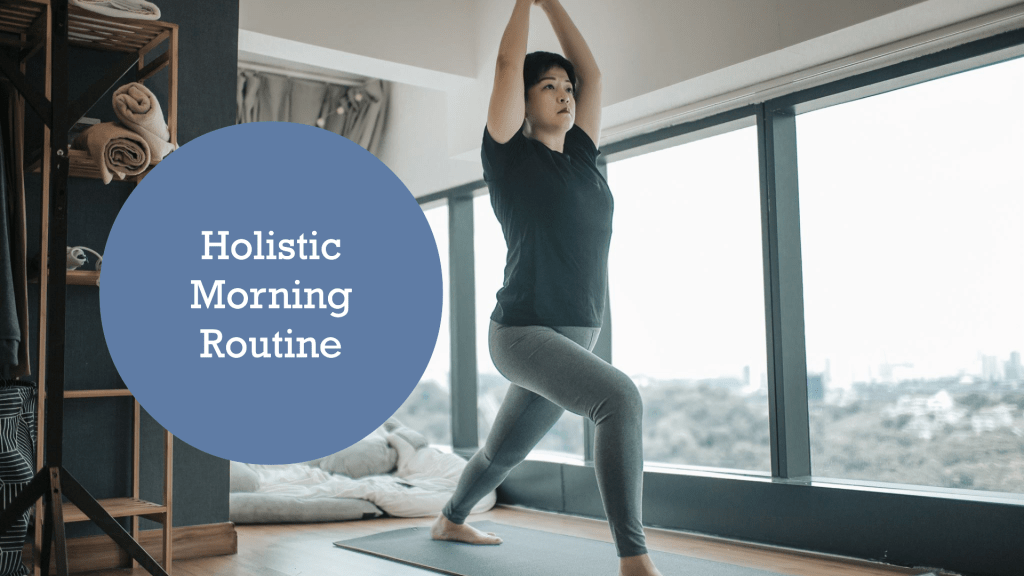
Designing Your Morning Routine for Holistic Success

The way you start your day sets the tone for everything that follows. A mindful morning routine can help you cultivate energy, clarity, and balance, allowing you to navigate your day with ease and purpose. By integrating holistic practices into your mornings, you nurture your mind, body, and spirit from the very beginning. Let’s explore how to design a morning routine that fosters holistic success and aligns with your well-being goals.


1. Wake Up with Intention

Begin your day with intention instead of rushing into tasks or distractions. This simple shift creates a sense of calm and control.

  • How to Practice: Set your alarm 10 minutes earlier and spend that time breathing deeply, stretching, or thinking about one positive thing you’re looking forward to.
  • Pro Tip: Place a journal or a gratitude notebook beside your bed to jot down your first thoughts of the day.

2. Hydrate for Vitality

After a night of rest, your body needs hydration to wake up your metabolism and energize your cells.

  • How to Practice: Drink a glass of room-temperature water with a squeeze of lemon to flush out toxins and hydrate your body.
  • Pro Tip: Keep a water bottle or glass near your bed to make hydration the first thing you do upon waking.

3. Move Your Body

Physical movement in the morning gets your blood flowing, energizes your body, and clears mental fog. It doesn’t have to be intense—a gentle stretch can do wonders.

  • How to Practice: Spend 5-10 minutes doing light yoga, stretching, or even a short walk outside. Focus on movements that feel good and energize you.
  • Pro Tip: Follow a quick yoga or mobility routine on YouTube to get started.

4. Practice Mindfulness or Meditation

A few minutes of mindfulness or meditation in the morning can calm your mind and set a positive tone for the day.

  • How to Practice: Sit quietly for 5-10 minutes, focusing on your breath or using a guided meditation app like Headspace or Calm.
  • Pro Tip: Pair meditation with a calming essential oil, such as lavender or frankincense, to deepen your practice.

5. Fuel Your Body with a Nutritious Breakfast

A balanced breakfast fuels your body and mind, giving you the energy and focus you need to start your day.

  • How to Practice: Include a mix of protein, healthy fats, and fiber. Examples include avocado toast, oatmeal with nuts and seeds, or a green smoothie.
  • Pro Tip: Prep ingredients the night before to save time and reduce decision fatigue in the morning.

6. Set Daily Intentions

Taking a moment to set intentions helps you approach your day with purpose and focus. It’s a way to align your actions with your values and goals.

  • How to Practice: Write down 1-3 intentions for the day, such as “stay present,” “be patient,” or “complete a project with focus.”
  • Pro Tip: Use affirmations like “I am capable of achieving my goals” to start the day with confidence.

7. Limit Technology First Thing in the Morning

Avoid diving into emails, social media, or news right after waking. This preserves your mental clarity and prevents overwhelm.

  • How to Practice: Set a “no technology” rule for the first 30 minutes of your day. Use this time for mindful activities instead.
  • Pro Tip: Replace your phone alarm with a traditional alarm clock to resist the urge to check notifications.

8. Create a Morning Playlist

Music can uplift your mood and create a positive atmosphere as you prepare for the day.

  • How to Practice: Curate a playlist of calming or energizing songs that inspire you. Play it as you move through your morning routine.
  • Pro Tip: Include instrumental tracks or nature sounds for a soothing vibe.

9. Journal for Clarity

Morning journaling clears your mind and helps you process thoughts or emotions before the day begins.

  • How to Practice: Write down your thoughts, goals, or anything that’s on your mind for 5-10 minutes. Focus on gratitude, affirmations, or even a quick brain dump.
  • Pro Tip: Use prompts like “What am I excited about today?” or “How can I show kindness today?”

10. Embrace Nature

Connecting with nature in the morning grounds you and boosts your mood. Even a few minutes outdoors can make a difference.

  • How to Practice: Spend time on your balcony, garden, or by a window with a view of greenery. If possible, take a short walk outside.
  • Pro Tip: Combine this practice with mindfulness by observing the sights and sounds around you.

Conclusion

A well-designed morning routine is a gift to yourself, creating space for intentionality, self-care, and focus. By incorporating hydration, mindfulness, movement, and nourishing habits, you can set the stage for a productive and peaceful day. Start small, experiment with these practices, and customize your routine to suit your unique needs. Your morning can become a powerful tool for holistic success, guiding you toward balance and fulfillment every day.


For more ideas on mindfulness and intentional living, check out my book, The Mindful Executive: https://www.amazon.com/dp/B0D75YJCLW.

Mastering Self-Control: Habits to Enhance Discipline and Focus

Improving self-control and discipline can lead to greater success and fulfillment in various areas of life. Here are some expert-recommended habits to adopt for better self-control and discipline.


1. Setting Clear Goals

Clear goals provide direction and motivation. Break down your goals into manageable steps and track your progress. This helps maintain focus and prevents procrastination. Learn more about effective goal setting.

2. Regular Exercise

Physical activity improves not only your physical health but also your mental resilience and self-control. Incorporate a variety of exercises such as cardio, strength training, and flexibility workouts into your routine. Explore benefits of regular exercise.

3. Mindful Eating

Practicing mindful eating helps you make better food choices and avoid overeating. Pay attention to what you eat, savor each bite, and listen to your body’s hunger cues. Discover tips for mindful eating.

4. Time Management

Effective time management prevents procrastination and ensures you stay on track with your tasks. Use techniques like the Pomodoro Technique or time blocking to manage your day efficiently. Get time management tips.

5. Meditation and Mindfulness

Regular meditation enhances your ability to focus and manage stress, which are crucial for maintaining discipline. Incorporate mindfulness practices into your daily routine to stay centered and calm. Learn about mindfulness techniques.

6. Journaling

Writing down your thoughts, goals, and progress helps clarify your intentions and keep you accountable. Journaling can also provide insights into your habits and areas for improvement. Explore the benefits of journaling.

7. Healthy Sleep Habits

Quality sleep is essential for cognitive function and self-control. Establish a regular sleep schedule, create a restful environment, and avoid screens before bedtime. Learn about sleep tips.

8. Reducing Stress

High stress levels can undermine your self-control. Practice stress management techniques such as deep breathing, yoga, or spending time in nature. Discover stress reduction strategies.

9. Building a Support Network

Surround yourself with people who support your goals and provide positive reinforcement. Having a strong support network can help you stay motivated and disciplined. Understand the importance of social connections.

10. Practicing Self-Compassion

Being kind to yourself when you make mistakes helps maintain a positive mindset and resilience. Self-compassion encourages you to learn from setbacks rather than becoming discouraged. Learn about self-compassion.

Call to Action

Adopting these habits can significantly enhance your self-control and discipline, leading to a more focused and fulfilling life. Visit Holistic Wellness Guide for more tips and insights on leading a balanced and disciplined life.

#SelfControl #Discipline #GoalSetting #Mindfulness #HealthyHabits #TimeManagement #StressReduction #WellnessJourney #Productivity #SelfImprovement

Unstoppable You: Habits to Build Physical and Mental Strength

Developing habits that enhance your physical and mental strength can transform your life. Here are some powerful habits to help you become a stronger person.

1. Regular Exercise

Consistent physical activity is essential for building strength. Incorporate a mix of cardio, strength training, and flexibility exercises into your routine. Learn more about the benefits of regular exercise.

2. Healthy Eating

Fuel your body with nutritious foods that support muscle growth and overall health. Focus on lean proteins, healthy fats, whole grains, and plenty of fruits and vegetables. Explore healthy eating tips.

3. Adequate Sleep

Sleep is crucial for recovery and mental clarity. Aim for 7-9 hours of quality sleep each night to ensure your body and mind are well-rested. Understand the importance of sleep.

4. Mindfulness and Meditation

Practicing mindfulness and meditation helps reduce stress and enhances mental resilience. Spend a few minutes each day in meditation to strengthen your mind. Learn how to meditate.

5. Setting Goals

Setting and achieving goals gives you a sense of purpose and accomplishment. Start with small, attainable goals and gradually work towards larger ones. Discover goal-setting strategies.

6. Continuous Learning

Engage in lifelong learning to keep your mind sharp and adaptable. Read books, take courses, and seek new knowledge regularly. Explore the benefits of lifelong learning.

7. Positive Thinking

Cultivate a positive mindset by challenging negative thoughts and focusing on your strengths. Positive thinking can improve your mood and overall mental health. Explore techniques for positive thinking.

8. Building Resilience

Develop resilience by embracing challenges and viewing failures as opportunities to learn. Building resilience helps you navigate life’s ups and downs with strength and grace. Learn about building resilience.

9. Healthy Relationships

Surround yourself with supportive and positive people. Strong social connections provide emotional support and enhance your well-being. Understand the importance of healthy relationships.

10. Practicing Self-Care

Take time to care for yourself through activities that rejuvenate and energize you. Self-care is essential for maintaining both physical and mental strength. Discover self-care tips.

Call to Action

Incorporate these habits into your daily life to build both physical and mental strength. Visit Holistic Wellness Guide for more tips and insights on leading a balanced and fulfilling life.

#BuildStrength #HealthyHabits #Mindfulness #PositiveThinking #Exercise #SelfCare #MentalHealth #Resilience #HealthyEating #HolisticWellness

The Power of Integrating Wellness Retreats into Corporate Training Programs

In today’s competitive business environment, companies are continuously seeking innovative ways to enhance employee productivity and engagement. One emerging trend is the integration of wellness retreats into corporate training programs. These retreats offer a holistic approach to professional development, combining skill-building sessions with activities that promote physical, mental, and emotional well-being.

The Concept of Wellness Retreats

Wellness retreats are designed to provide a comprehensive experience that rejuvenates and educates participants. These retreats typically include a variety of activities such as yoga, meditation, nutrition workshops, and team-building exercises. By integrating wellness practices into corporate training, companies can create a more balanced and enriching experience for their employees.

Benefits of Wellness Retreats in Corporate Training

  1. Enhanced Learning and Retention
    • Wellness retreats create an immersive learning environment free from daily distractions. The combination of physical activity and mental relaxation techniques helps improve focus and retention of new information. Employees return to work with a refreshed mindset and a deeper understanding of the training content.
  2. Improved Employee Well-Being
    • Incorporating wellness activities such as yoga and meditation helps reduce stress and promote mental clarity. These practices not only enhance physical health but also improve emotional resilience. Employees who feel better are more likely to be productive and engaged in their work.
  3. Stronger Team Dynamics
    • Wellness retreats often include team-building exercises that foster better communication and collaboration among employees. Shared experiences outside the usual work environment help build trust and camaraderie, leading to a more cohesive team.
  4. Increased Creativity and Innovation
    • A change of scenery and the inclusion of creative activities can stimulate innovative thinking. Employees are encouraged to think outside the box and come up with novel solutions to business challenges. This creative boost can be particularly beneficial for companies looking to stay ahead in their industry.
  5. Attraction and Retention of Talent
    • Offering unique professional development opportunities such as wellness retreats can make a company more attractive to top talent. Employees appreciate organizations that invest in their well-being and growth. This can lead to higher retention rates and a more motivated workforce.

Implementing Wellness Retreats in Corporate Training

  1. Define Objectives
    • Clearly outline the goals of the retreat. Whether it’s skill development, team building, or stress reduction, having clear objectives will help design a program that meets your company’s needs.
  2. Choose the Right Location
    • Select a location that provides a peaceful and inspiring environment. Natural settings such as mountains, beaches, or countryside retreats can enhance the wellness experience.
  3. Incorporate a Variety of Activities
    • Balance work-related training sessions with wellness activities. This could include yoga, meditation, nature walks, and nutrition workshops. Ensure there is time for relaxation and reflection.
  4. Engage Professional Facilitators
    • Hire experienced trainers and wellness professionals to lead the sessions. Their expertise will ensure that the activities are effective and engaging.
  5. Gather Feedback
    • After the retreat, gather feedback from participants to assess the effectiveness of the program. Use this feedback to make improvements for future retreats.

Case Study: A Successful Wellness Retreat

A leading tech company recently implemented a wellness retreat as part of their leadership development program. The retreat took place at a serene mountain resort and included a mix of leadership training, mindfulness workshops, and outdoor activities. The participants reported increased focus, reduced stress, and a stronger sense of team cohesion. The company observed a noticeable improvement in employee morale and productivity following the retreat.

Challenges and Solutions

  1. Cost Considerations
    • Wellness retreats can be expensive. To manage costs, consider local destinations or shorter retreats. Partnering with wellness providers can also offer cost-effective solutions.
  2. Scheduling Conflicts
    • Finding a time that works for all participants can be challenging. Plan well in advance and consider scheduling retreats during off-peak seasons to minimize disruptions.
  3. Employee Buy-In
    • Some employees may be skeptical about the benefits of wellness retreats. Communicate the goals and benefits clearly, and consider offering testimonials from past participants to build enthusiasm.

Call to Action

Integrate wellness retreats into your corporate training programs to enhance employee well-being, boost productivity, and foster a positive workplace culture. Visit Holistic Wellness Guide for more insights and tips on creating a balanced and enriching work environment.

The Importance of Staying Hydrated: Benefits and Water-Rich Recipes

Staying hydrated is essential for maintaining good health and overall well-being. Proper hydration supports various bodily functions, including digestion, circulation, and temperature regulation. Here are the benefits of staying hydrated and some delicious recipes for water-rich foods and drinks to help you stay hydrated.

1. Benefits of Staying Hydrated

Improves Physical Performance

  • Proper hydration is crucial for maintaining energy levels and physical performance. Dehydration can lead to fatigue, reduced endurance, and decreased strength.
  • Tip: Drink water before, during, and after exercise to stay hydrated.

Enhances Brain Function

  • Staying hydrated helps maintain cognitive function, including concentration, memory, and mood.
  • Tip: Keep a water bottle at your desk to remind yourself to drink regularly.

Supports Digestion

  • Water is essential for healthy digestion, helping to break down food and absorb nutrients.
  • Tip: Drink a glass of water before meals to aid digestion.

Promotes Healthy Skin

  • Hydration is key for maintaining healthy, glowing skin. It helps to keep the skin moisturized and can reduce the appearance of fine lines and wrinkles.
  • Tip: Include hydrating foods in your diet, such as fruits and vegetables.

Regulates Body Temperature

  • Water helps regulate body temperature through sweating and respiration.
  • Tip: Drink water throughout the day, especially in hot weather or when exercising.

2. Water-Rich Recipes for Hydration

Cucumber and Mint Infused Water

  • Ingredients: 1 cucumber, sliced; a handful of fresh mint leaves; 1 liter of water.
  • Instructions: Combine cucumber slices and mint leaves in a pitcher of water. Let it infuse in the refrigerator for at least an hour before serving.
  • Benefits: This refreshing drink helps you stay hydrated and provides a burst of flavor without any added sugars.

Watermelon and Feta Salad

  • Ingredients: 2 cups of watermelon, cubed; 1/2 cup of feta cheese, crumbled; fresh mint leaves; 1 tablespoon olive oil; a pinch of salt.
  • Instructions: Combine watermelon cubes, feta cheese, and mint leaves in a bowl. Drizzle with olive oil and sprinkle with salt. Toss gently and serve.
  • Benefits: Watermelon is over 90% water, making this salad a hydrating and delicious option.

Berry and Yogurt Smoothie

  • Ingredients: 1 cup of mixed berries (strawberries, blueberries, raspberries); 1/2 cup of Greek yogurt; 1/2 cup of water or coconut water; 1 tablespoon honey (optional).
  • Instructions: Blend all ingredients until smooth. Pour into a glass and enjoy.
  • Benefits: Berries are high in water content and antioxidants, while yogurt adds hydration and probiotics for gut health.

Hydrating Chia Seed Pudding

  • Ingredients: 1/4 cup of chia seeds; 1 cup of almond milk or any milk of your choice; 1 tablespoon honey or maple syrup; fresh fruit for topping.
  • Instructions: Mix chia seeds, milk, and honey in a bowl. Let it sit for at least 4 hours or overnight in the refrigerator. Top with fresh fruit before serving.
  • Benefits: Chia seeds absorb liquid and expand, creating a hydrating and nutrient-rich pudding.

Citrus and Aloe Vera Drink

  • Ingredients: Juice of 2 oranges; juice of 1 lemon; 1 tablespoon aloe vera gel; 1 liter of water.
  • Instructions: Mix orange juice, lemon juice, and aloe vera gel in a pitcher of water. Stir well and refrigerate before serving.
  • Benefits: Citrus fruits are high in water and vitamin C, while aloe vera provides additional hydration and digestive benefits.

Conclusion: Staying hydrated is vital for overall health, supporting everything from physical performance to skin health. Incorporating water-rich foods and drinks into your diet can make staying hydrated delicious and enjoyable. Try these recipes to boost your hydration and enjoy the benefits of proper hydration.

The Benefits of Forest Bathing: Reconnecting with Nature

Forest bathing, or Shinrin-yoku, is a Japanese practice that involves immersing oneself in the forest atmosphere to improve health and well-being. This holistic practice offers numerous benefits for both the mind and body. Here’s how to embrace forest bathing and its benefits.

1. Reduces Stress

Spending time in the forest can significantly reduce stress levels and promote relaxation.

  • Tip: Find a local forest or park and spend at least 30 minutes walking slowly and mindfully.
  • Story: Jane, a corporate lawyer, started forest bathing on weekends to escape her high-stress job. She found that the peaceful environment of the forest helped her unwind and feel more relaxed.

2. Boosts Immune Function

Forest environments contain phytoncides, natural chemicals released by trees that can enhance immune function.

  • Tip: Breathe deeply to inhale the beneficial phytoncides and spend at least an hour in the forest to maximize benefits.
  • Story: Raj, a health-conscious individual, included forest bathing in his wellness routine. He noticed fewer illnesses and an overall improvement in his health after regular forest visits.

3. Enhances Mood

Being in nature can elevate mood and increase feelings of happiness and well-being.

  • Tip: Focus on the sights, sounds, and smells of the forest to fully immerse yourself in the experience.
  • Story: Lisa, a mother of two, found that forest bathing improved her mood and provided a much-needed break from her daily routine. She now looks forward to her weekly forest walks.

4. Improves Focus and Creativity

Forest bathing can enhance cognitive function, improve focus, and boost creativity.

  • Tip: Leave behind distractions like phones and focus on the present moment to clear your mind.
  • Story: Tom, a writer, found that his creativity and focus improved after incorporating forest bathing into his routine. He now visits the forest regularly to find inspiration and clarity.

5. Promotes Physical Health

Walking in the forest provides gentle exercise that can improve physical health and fitness.

  • Tip: Choose trails that match your fitness level and gradually increase the duration and intensity of your walks.
  • Story: Emily, a retired teacher, began forest bathing as a way to stay active. She enjoyed the gentle exercise and the opportunity to connect with nature, which improved her overall fitness and well-being.

Holistic Approaches to Boosting Your Immune System

A strong immune system is essential for maintaining good health and preventing illness. Holistic approaches to boosting your immune system involve natural and comprehensive methods that support overall well-being. Here’s a guide on how to enhance your immune system holistically.

1. Nutrition: Eating a Balanced Diet

A well-balanced diet rich in vitamins and minerals is crucial for a strong immune system.

  • Tip: Incorporate a variety of fruits, vegetables, whole grains, lean proteins, and healthy fats into your meals.
  • Story: Mike, a fitness enthusiast, revamped his diet to include more immune-boosting foods like citrus fruits, leafy greens, and nuts. He noticed fewer colds and a general improvement in his health.

2. Regular Exercise

Regular physical activity can boost your immune system by promoting overall health.

  • Tip: Aim for at least 30 minutes of moderate exercise most days of the week.
  • Story: Sarah, a busy mother, started incorporating daily walks and yoga sessions into her routine. She found that regular exercise not only boosted her immune system but also improved her mood and energy levels.

3. Adequate Sleep

Quality sleep is vital for a healthy immune system.

  • Tip: Aim for 7-9 hours of sleep per night and establish a consistent sleep schedule.
  • Story: John, a high-stress executive, prioritized his sleep by creating a bedtime routine and sticking to it. He experienced fewer illnesses and felt more rejuvenated.

4. Stress Management

Chronic stress can weaken the immune system. Managing stress is essential for maintaining health.

  • Tip: Practice stress-reducing techniques such as meditation, deep breathing exercises, or hobbies you enjoy.
  • Story: Emily, a college student, used meditation and journaling to manage her stress levels. As a result, she felt less anxious and noticed an improvement in her overall health.

5. Herbal Supplements

Certain herbs and supplements can support immune function.

  • Tip: Consider adding immune-boosting herbs like echinacea, elderberry, and garlic to your diet.
  • Story: Raj, an office worker, started taking elderberry supplements during cold and flu season. He found that they helped reduce the duration and severity of his symptoms.

Conclusion

Boosting your immune system holistically involves a combination of a balanced diet, regular exercise, adequate sleep, stress management, and herbal supplements. By incorporating these practices into your daily routine, you can enhance your immune function and overall well-being.