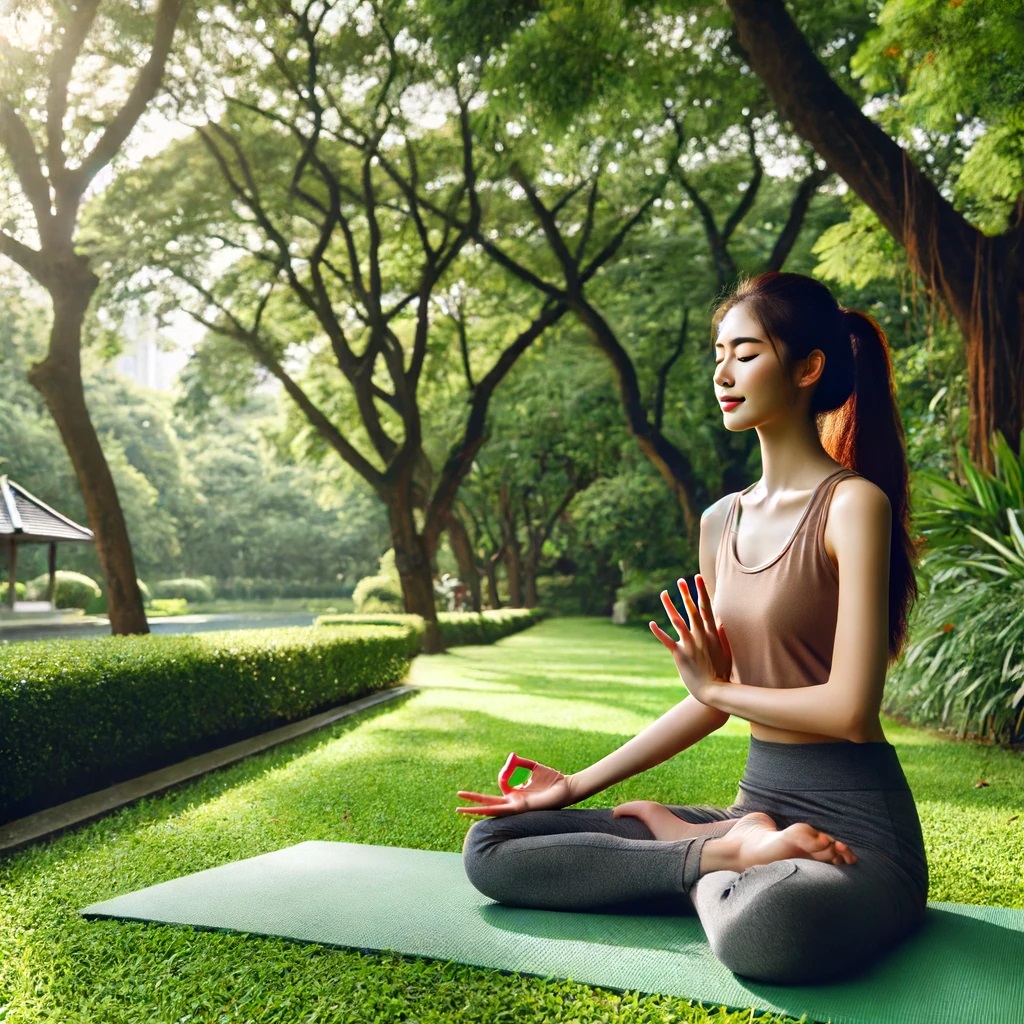


Unlock Ayurveda’s Secrets: Daily Rituals for Vitality

Ayurveda, the ancient system of healing from India, has been practiced for over 5,000 years—yet its wisdom remains incredibly relevant today. Rooted in the belief that mind, body, and spirit must be in harmony, Ayurveda provides timeless insights for modern wellness. Whether you’re seeking better digestion, more energy, or a calmer mind, Ayurveda offers natural solutions tailored to your unique constitution. Let’s explore how to incorporate Ayurvedic principles into your daily life for optimal well-being.


1. Understanding the Three Doshas: Vata, Pitta, Kapha

Ayurveda teaches that each person has a unique balance of three energies, or doshas. Knowing your dosha helps you make lifestyle and dietary choices that align with your natural constitution.

  • Vata (Air & Space): Creative, energetic, but prone to anxiety and dryness. Needs warmth and grounding.
  • Pitta (Fire & Water): Passionate, driven, but susceptible to overheating and irritability. Needs cooling and balance.
  • Kapha (Earth & Water): Nurturing, stable, but prone to sluggishness and weight gain. Needs stimulation and movement.
  • Pro Tip: Take a quick dosha quiz online to discover your primary dosha and lifestyle adjustments.

2. Start Your Day with a Morning Ritual (Dinacharya)

Ayurveda emphasizes daily routines (dinacharya) to promote balance and vitality.

  • How to Practice:
    • Wake up before sunrise (or with the sun) to sync with nature’s rhythms.
    • Scrape your tongue with a tongue scraper to remove toxins.
    • Drink warm lemon water to aid digestion.
    • Oil pulling (swishing sesame or coconut oil) for oral health and detox.
  • Pro Tip: Dry brushing before a shower boosts circulation and lymphatic drainage.

3. Eat According to Your Dosha and the Seasons

Ayurveda teaches that food is medicine, but what you eat depends on your body type and the season.

  • Vata (Fall/Winter): Warm, cooked foods like soups, stews, and herbal teas. Avoid raw and cold foods.
  • Pitta (Summer): Cooling foods like cucumbers, leafy greens, and coconut water. Avoid spicy and fried foods.
  • Kapha (Spring): Light, spicy, and warm foods like ginger tea, quinoa, and greens. Avoid heavy dairy and fried foods.
  • Pro Tip: Eat your largest meal at lunchtime when digestion is strongest.

4. Balance Your Energy with Ayurvedic Herbs

Herbs play a huge role in Ayurveda, supporting immunity, digestion, and mental clarity.

  • Ashwagandha: Adaptogen for stress and energy balance.
  • Triphala: A powerful detoxifying blend that supports digestion.
  • Brahmi: Improves focus and calms the mind.
  • Turmeric: Anti-inflammatory, supports immune function.
  • Pro Tip: Sip golden milk (turmeric latte) at night for relaxation and anti-inflammatory benefits.

5. Align Your Movement with Your Dosha

Exercise should support your body’s natural rhythms.

  • Vata: Gentle movement like yoga, walking, tai chi to ground energy.
  • Pitta: Moderate activity like swimming, hiking, cycling—avoid overheating.
  • Kapha: More intense movement like HIIT, running, or dance to boost circulation.
  • Pro Tip: Avoid excessive workouts at night, as they disturb sleep.

6. Cultivate Mindfulness and Emotional Balance

Ayurveda sees mental health as just as important as physical health.

  • How to Practice:
    • Meditation: Helps balance all three doshas.
    • Pranayama (breathwork): Cooling breath for Pitta, warming breath for Kapha, balancing breath for Vata.
    • Journaling: Writing down thoughts can reduce stress and anxiety.
  • Pro Tip: Try Abhyanga (self-massage with warm oil) before bed to calm the nervous system.

7. Detox Naturally with Ayurvedic Cleansing

Ayurveda believes in gentle daily detoxing rather than extreme cleanses.

  • How to Practice:
    • Drink warm water with lemon in the morning.
    • Eat light, seasonal foods to support digestion.
    • Incorporate herbs like Triphala for digestive cleansing.
  • Pro Tip: Fasting once a week (skipping dinner or having only liquids) can reset digestion.

Conclusion

Ayurveda isn’t about strict rules—it’s about living in harmony with nature and your body’s unique constitution. By making small changes like adjusting your diet, adopting mindful routines, and practicing self-care, you can restore balance and vitality in your life. Start with one or two practices and experience the transformative power of Ayurveda!


For more insights on holistic well-being, check out my book, The Mindful Executive: https://www.amazon.com/dp/B0D75YJCLW.
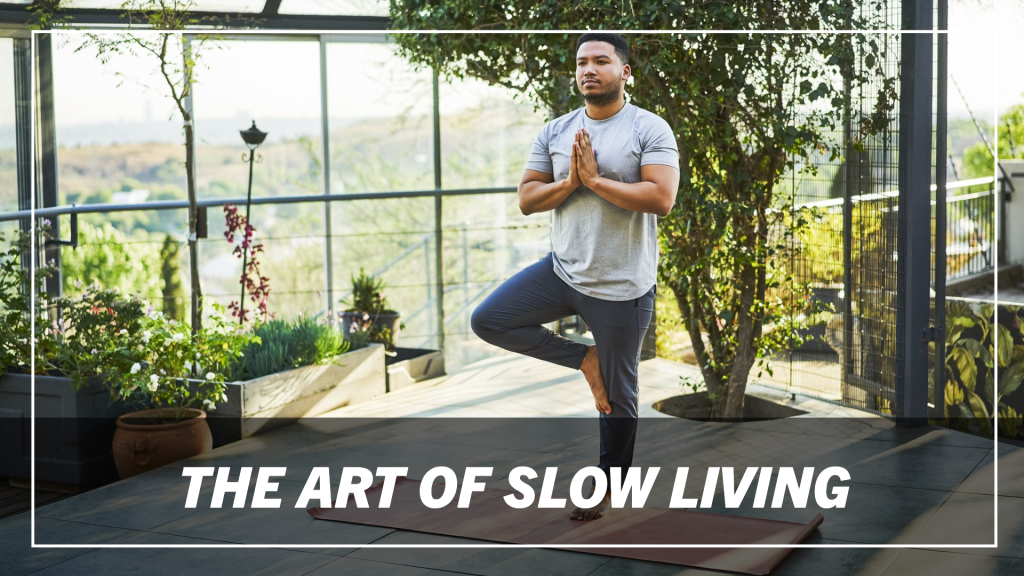

The Power of Slow Living: Cultivating Mindfulness

In a world that glorifies busyness, slowing down has become a radical act of self-care. Slow living is about intentionality, mindfulness, and embracing a lifestyle that prioritizes well-being over constant hustle. It’s not about doing less—it’s about doing what truly matters with purpose and presence. Let’s explore how to cultivate a slow living mindset for a more fulfilling and balanced life.


1. Embrace Intentional Mornings

The way you start your morning sets the tone for your entire day. Instead of rushing through tasks, create a slow morning routine.

  • How to Practice:
    • Wake up 15 minutes earlier to avoid starting the day in a rush.
    • Enjoy your morning coffee or tea mindfully, savoring each sip.
    • Stretch, journal, or meditate before checking your phone.
  • Pro Tip: Try sunlight exposure in the morning to regulate your circadian rhythm and boost mood.

2. Prioritize Meaningful Activities Over Busyness

Being busy isn’t the same as being productive. Slow living encourages you to focus on what truly brings you joy and fulfillment.

  • How to Practice:
    • List your top priorities for the day and eliminate unnecessary tasks.
    • Learn to say no to activities that don’t align with your values.
    • Create space for hobbies, deep conversations, and self-reflection.
  • Pro Tip: At the end of each day, ask yourself, “Did I spend my time in a way that aligns with my values?”

3. Eat Mindfully and Enjoy the Process

Slow living extends to how we nourish ourselves. Instead of rushing meals, cultivate a mindful eating practice.

  • How to Practice:
    • Cook at home more often, focusing on fresh, whole foods.
    • Eat without distractions—turn off the TV and put away your phone.
    • Chew slowly and appreciate the flavors, textures, and aromas of your food.
  • Pro Tip: Try a gratitude pause before meals, reflecting on where your food came from.

4. Reduce Digital Overload

Technology is useful, but constant screen time can drain your energy and focus.

  • How to Practice:
    • Set tech-free zones, like no phones at the dinner table or in the bedroom.
    • Take regular breaks from social media and digital notifications.
    • Replace scrolling with analog activities like reading or journaling.
  • Pro Tip: Use the 20-20-20 rule—every 20 minutes, look 20 feet away for 20 seconds to reduce eye strain.

5. Cultivate Slow, Intentional Evenings

How you end your day influences your sleep quality and emotional well-being.

  • How to Practice:
    • Create a calming nighttime routine with activities like journaling or gentle stretching.
    • Dim the lights an hour before bed to signal to your body that it’s time to rest.
    • Reflect on the day’s highlights rather than stressing over unfinished tasks.
  • Pro Tip: Keep a gratitude journal by your bedside to end the day on a positive note.

Conclusion

Slow living isn’t about doing nothing—it’s about doing things with presence and purpose. By integrating mindfulness, simplifying your schedule, and creating intentional moments, you can transform your daily life into a more fulfilling and balanced experience. Start small, be consistent, and allow yourself to savor the beauty of slowing down.


For more mindfulness insights, check out my book, The Mindful Executive: https://www.amazon.com/dp/B0D75YJCLW.

The Benefits of Yoga: A Holistic Approach to Health and Well-Being

Yoga is an ancient practice that combines physical postures, breathing exercises, meditation, and a distinct philosophy to promote overall health and well-being. This holistic approach can provide numerous benefits for the mind, body, and spirit. Here’s how incorporating yoga into your daily routine can enhance your health and well-being.

1. Physical Health Benefits

Yoga offers a wide range of physical health benefits, making it an excellent addition to your fitness routine.

  • Improves Flexibility: Regular yoga practice helps increase flexibility, reducing the risk of injuries and improving overall mobility.
    • Example: Practicing poses like the forward bend or seated stretches can gradually improve flexibility over time.
  • Builds Strength: Many yoga poses are weight-bearing, which helps build and tone muscles throughout the body.
    • Example: Holding poses like plank, warrior, and chair pose can strengthen various muscle groups.
  • Enhances Balance and Coordination: Yoga poses often involve balancing on one leg or holding a pose for an extended period, which improves balance and coordination.
    • Example: Tree pose and eagle pose are excellent for developing balance.
  • Supports Cardiovascular Health: Certain styles of yoga, like Vinyasa or Power Yoga, can provide a cardiovascular workout that enhances heart health.
    • Example: Flowing through a series of sun salutations increases heart rate and improves cardiovascular endurance.

2. Mental Health Benefits

Yoga is well-known for its positive effects on mental health, helping to reduce stress, anxiety, and depression.

  • Reduces Stress: Yoga encourages relaxation and helps reduce the production of stress hormones.
    • Example: Incorporating relaxation poses like child’s pose and corpse pose into your routine can help reduce stress levels.
  • Improves Mood: The combination of physical activity, breathing exercises, and meditation in yoga promotes the release of endorphins, which can enhance mood.
    • Example: Practicing a gentle yoga sequence followed by a short meditation session can lift your spirits.
  • Enhances Focus and Concentration: The mindfulness aspect of yoga helps improve focus and concentration, making it easier to stay present in daily activities.
    • Example: Breathing exercises, such as alternate nostril breathing, can improve mental clarity and concentration.
  • Promotes Better Sleep: Regular yoga practice can help regulate sleep patterns and improve the quality of sleep.
    • Example: Practicing restorative yoga or gentle stretches before bed can promote relaxation and better sleep.

3. Emotional Health Benefits

Yoga helps cultivate a positive mindset and emotional resilience, which are essential for overall well-being.

  • Boosts Self-Esteem: Achieving and holding challenging poses can enhance self-esteem and confidence.
    • Example: Mastering poses like crow pose or headstand can boost your sense of accomplishment and self-worth.
  • Encourages Mindfulness: Yoga teaches you to be present in the moment, which can enhance your appreciation of life and foster a positive outlook.
    • Example: Mindful breathing exercises during yoga practice help you stay connected to the present moment.
  • Improves Emotional Regulation: The meditative aspects of yoga can help you manage and process emotions more effectively.
    • Example: Incorporating meditation and mindfulness practices into your yoga routine can help you stay calm and balanced in stressful situations.

4. Spiritual Health Benefits

Yoga can deepen your spiritual awareness and foster a sense of inner peace and connection.

  • Promotes Inner Peace: The meditative practices in yoga help you connect with your inner self, fostering a sense of peace and tranquility.
    • Example: Practicing yoga nidra, a form of guided meditation, can promote deep relaxation and inner peace.
  • Encourages Personal Growth: Yoga’s philosophy encourages self-reflection and personal growth, helping you develop a deeper understanding of yourself and your purpose.
    • Example: Keeping a yoga journal to reflect on your practice and personal insights can promote self-awareness and growth.
  • Fosters a Sense of Connection: Yoga encourages a sense of connection to others and the world around you, promoting compassion and empathy.
    • Example: Group yoga classes and community events can foster a sense of belonging and connection.

5. Practical Tips for Incorporating Yoga into Your Daily Routine

  • Start Small: Begin with short, manageable sessions and gradually increase the duration and intensity as you become more comfortable.
    • Example: Start with a 10-minute morning yoga routine and gradually increase it to 30 minutes.
  • Create a Dedicated Space: Set up a quiet, clutter-free space in your home where you can practice yoga without distractions.
    • Example: Use a yoga mat, blocks, and a cushion to create a comfortable practice area.
  • Follow Online Classes: If you’re new to yoga, consider following online classes or tutorials to guide your practice.
    • Example: Platforms like YouTube, Yoga with Adriene, and Gaia offer a variety of classes for all levels.
  • Join a Yoga Community: Joining a local yoga class or community can provide support and motivation.
    • Example: Participate in group classes or workshops to deepen your practice and connect with like-minded individuals.
  • Listen to Your Body: Pay attention to your body’s signals and modify poses as needed to avoid injury.
    • Example: If a pose feels uncomfortable or painful, use props or adjust the pose to suit your body’s needs.

Mindful Morning Routines: Start Your Day with Yoga and Meditation

Starting the day with a calm and focused mindset can significantly enhance your overall well-being and productivity. Integrating yoga and meditation into your morning routine helps you begin the day with clarity and energy.

Begin with Gentle Yoga: Kickstart your morning with gentle yoga poses to wake up your body and mind. Poses like Cat-Cow, Downward-Facing Dog, and Child’s Pose are excellent for stretching and energizing your body.

Example: Spend 10 minutes in the morning practicing these poses on a yoga mat in a quiet space. This helps improve flexibility and reduce morning stiffness.

Transition to Meditation: After yoga, transition to a meditation session. Find a comfortable seated position, close your eyes, and focus on your breath. Meditation helps calm the mind, reduce stress, and set a positive tone for the day.

Example: Practice meditation for 10-15 minutes. Use guided meditation apps if needed, focusing on deep breathing and mindfulness.

Create a Peaceful Environment: Set up a dedicated space for your morning routine. Ensure it’s quiet, clutter-free, and filled with natural light. Adding elements like plants, candles, or soft music can enhance the ambiance.

Example: Designate a corner of your room for yoga and meditation. Decorate it with calming colors and inspirational quotes to motivate you.

Consistency is Key: Consistency is essential for reaping the benefits of yoga and meditation. Make this routine a daily habit to experience long-term improvements in your mental and physical health.

Example: Stick to your routine even on busy days. The consistency will help you maintain balance and resilience throughout your daily challenges.

By starting your day with yoga and meditation, you cultivate mindfulness and serenity, preparing yourself for whatever the day may bring.

Rajesh Finds Relief from Back Pain Through Yoga

Finding Relief: How Rajesh Overcame Back Pain with Yoga

Meet Rajesh: Rajesh, a 42-year-old software engineer from Bangalore, suffered from chronic back pain due to long hours at his desk job. Traditional treatments provided only temporary relief, so Rajesh decided to try yoga.

Yoga Classes: Rajesh began attending beginner yoga classes at a local studio. He focused on poses that strengthened his core and improved his posture.

Example: Rajesh practiced poses like Cat-Cow, Downward-Facing Dog, and Child’s Pose to relieve tension in his back.

Daily Practice: Determined to find lasting relief, Rajesh incorporated yoga into his daily routine. He practiced for 20 minutes each morning, focusing on gentle stretches and breathing exercises.

Example: Rajesh followed online yoga videos and practiced in his living room, making it easy to stay consistent.

Exploring Different Styles: Rajesh explored various yoga styles, including Hatha and Iyengar, to find what worked best for his back pain. He discovered that restorative yoga helped him relax and reduce pain.

Example: Rajesh attended restorative yoga classes on weekends, which helped him unwind and manage his pain more effectively.

Combining Yoga with Meditation: Rajesh also added meditation to his routine to enhance the mental benefits of yoga. This combination helped him manage stress and improved his overall well-being.

Example: After each yoga session, Rajesh spent 10 minutes meditating, focusing on deep breathing and mindfulness.

The Result: Within a few months, Rajesh experienced significant relief from his back pain. He felt stronger, more flexible, and better equipped to handle the demands of his job.

How Yoga Helped David Overcome Anxiety

Finding Balance: How Yoga Helped David Overcome Anxiety

Meet David, a 40-year-old lawyer who struggled with anxiety and stress due to his demanding job. Discover how he found balance and inner peace through the practice of yoga. In this post, we’ll share David’s journey and how yoga transformed his mental health.

David’s high-stress job led to frequent anxiety attacks and difficulty sleeping. Determined to find a solution, he decided to try yoga.

Step 1: Starting with Beginner Classes: David began with beginner yoga classes to learn the basics and build his confidence.

Example: David attended a local yoga studio twice a week, focusing on gentle poses and breathing exercises.

Step 2: Incorporating Yoga into Daily Routine: To manage his anxiety, David started practicing yoga at home every morning, even if only for a few minutes.

Example: David followed online yoga videos and practiced for 15 minutes each morning to start his day with calm and focus.

Step 3: Exploring Different Yoga Styles: David tried various yoga styles, including Hatha, Vinyasa, and Yin Yoga, to find what worked best for him.

Example: On weekends, David attended different classes to explore new styles and deepen his practice.

Step 4: Combining Yoga with Meditation: To enhance the benefits, David combined his yoga practice with meditation, focusing on mindfulness and relaxation.

Example: After each yoga session, David spent 10 minutes meditating, focusing on his breath and letting go of stress.

David’s Transformation: Within a few months, David noticed a significant reduction in his anxiety levels. He felt more relaxed, focused, and better equipped to handle stress. Yoga became an essential part of his daily routine, improving both his mental and physical health.

David’s journey highlights the transformative power of yoga for managing anxiety and stress. At Alchemy International, we believe in the benefits of holistic practices like yoga to promote mental well-being. Start your yoga journey today and experience the positive impact it can have on your life.

7 Easy Yoga Poses for Beginners

Start Your Yoga Journey: 7 Easy Yoga Poses for Beginners

Yoga is a wonderful practice that benefits both the mind and body. If you’re new to yoga, starting with basic poses can help you build a strong foundation. In this post, we’ll introduce seven easy yoga poses that are perfect for beginners.

Pose 1: Mountain Pose (Tadasana): Mountain Pose is the foundation for all standing poses. It helps improve posture, balance, and focus.

How to Perform:

  1. Stand with your feet together and arms at your sides.
  2. Distribute your weight evenly across both feet.
  3. Engage your thighs and lift your chest.
  4. Relax your shoulders and take deep breaths.

Pose 2: Downward-Facing Dog (Adho Mukha Svanasana): Downward-Facing Dog is a full-body stretch that strengthens the arms, shoulders, and legs.

How to Perform:

  1. Start on your hands and knees.
  2. Lift your hips towards the ceiling, straightening your legs and arms.
  3. Press your heels towards the floor and lengthen your spine.
  4. Hold for 5-10 breaths.

Pose 3: Warrior I (Virabhadrasana I): Warrior I strengthens the legs and opens the hips and chest.

How to Perform:

  1. Step one foot forward into a lunge position.
  2. Turn your back foot out at a 45-degree angle.
  3. Raise your arms overhead, palms facing each other.
  4. Bend your front knee, keeping it aligned with your ankle.
  5. Hold for 5-10 breaths and switch sides.

Pose 4: Child’s Pose (Balasana): Child’s Pose is a restful pose that stretches the back, hips, and thighs.

How to Perform:

  1. Kneel on the floor with your big toes touching and knees apart.
  2. Sit back on your heels and stretch your arms forward.
  3. Rest your forehead on the mat and breathe deeply.
  4. Hold for as long as needed.

Pose 5: Cat-Cow Pose (Marjaryasana-Bitilasana): Cat-Cow Pose helps increase flexibility in the spine and relieve tension.

How to Perform:

  1. Start on your hands and knees.
  2. Inhale, arch your back and lift your head (Cow Pose).
  3. Exhale, round your back and tuck your chin (Cat Pose).
  4. Repeat for 5-10 breaths.

Pose 6: Tree Pose (Vrksasana): Tree Pose improves balance and strengthens the legs.

How to Perform:

  1. Stand on one leg and place the sole of your other foot on your inner thigh or calf (avoid the knee).
  2. Bring your hands together in front of your chest.
  3. Find a focal point and balance for 5-10 breaths.
  4. Switch sides.

Pose 7: Corpse Pose (Savasana): Corpse Pose is a relaxation pose that helps calm the mind and body.

How to Perform:

  1. Lie flat on your back with your arms at your sides, palms facing up.
  2. Close your eyes and take deep, slow breaths.
  3. Relax your entire body and stay in the pose for 5-10 minutes.

These beginner yoga poses are a great way to start your yoga practice and build a strong foundation. At Alchemy International, we believe in the power of holistic wellness practices like yoga to enhance your physical and mental health. Incorporate these poses into your routine and experience the benefits of yoga for yourself.