
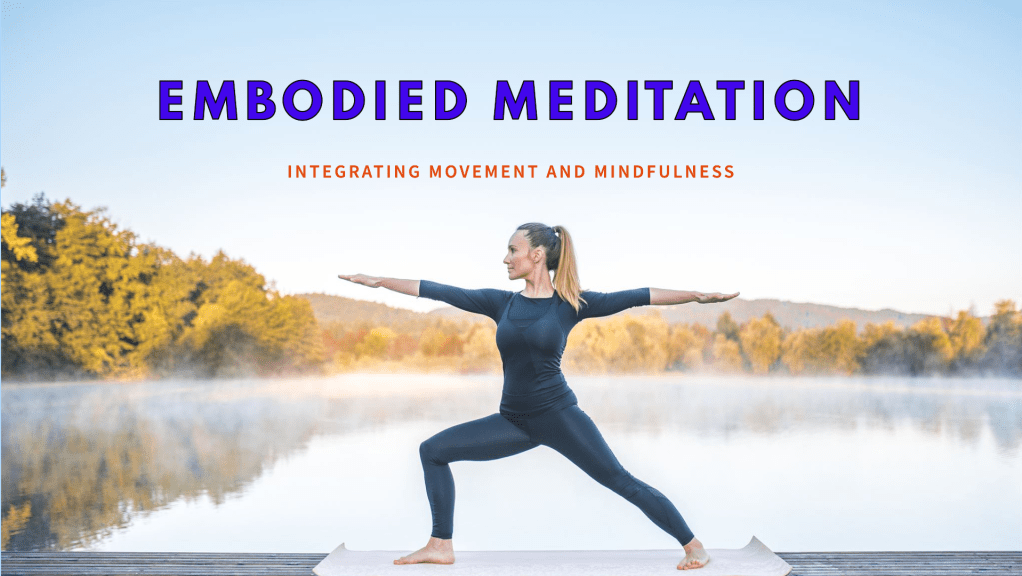
Embodied Meditation: Integrating Movement and Mindfulness for a Deeper Connection to Your Body

In the fast-paced world we live in, finding ways to connect deeply with our bodies and minds has become more essential than ever. Embodied meditation offers a unique approach that bridges the gap between traditional meditation practices and physical movement, allowing us to achieve a profound sense of mindfulness and holistic well-being.

The Concept of Embodied Meditation

Embodied meditation is not just about sitting still and focusing on your breath. It’s about becoming fully present in your body through mindful movement. Whether it’s through yoga, Tai Chi, or simple stretching exercises, embodied meditation encourages you to feel every sensation, notice every tension, and release every stressor held in your body. This practice is rooted in the understanding that our physical body holds emotions, memories, and stress, and by engaging in mindful movement, we can begin to release these stored energies and create a more harmonious state of being.

For example, in yoga, the focus is not only on the physical postures but also on the breath and the flow of energy within the body. Each movement is an opportunity to connect deeper with oneself, to understand the body’s needs, and to cultivate a sense of inner peace. The same principle applies to other forms of embodied meditation, such as Qi Gong, which integrates slow, deliberate movements with breath control and mental focus to promote healing and balance within the body.

Benefits of Embodied Meditation

  1. Enhanced Body Awareness
    • Embodied meditation helps you develop a deeper connection with your body, making you more aware of its signals. This heightened awareness can lead to better posture, reduced pain, and an overall improvement in physical health. As you move, you become more attuned to how your body feels, which can help in identifying areas of tension or discomfort that you may not have noticed otherwise.
  2. Reduction of Stress and Anxiety
    • By focusing on the physical sensations in your body, embodied meditation can help calm the mind and reduce stress. The physical act of moving with intention allows you to release pent-up energy and emotions, which can be particularly effective in managing anxiety and improving mental clarity. For instance, studies have shown that practices like Tai Chi and yoga can significantly reduce levels of cortisol, the stress hormone, in the body.
  3. Improved Emotional Resilience
    • Movement combined with mindfulness helps in processing emotions more effectively. When you engage in embodied meditation, you are not just moving your body; you are also moving through your emotions, allowing them to flow and release naturally. This can lead to greater emotional resilience, as you become better equipped to handle life’s challenges with a calm and centered mindset.
  4. Increased Focus and Mental Clarity
    • Engaging both the mind and body in meditation enhances cognitive function. When you practice embodied meditation, the mind is less likely to wander because it is actively engaged in coordinating movement and breath. This dual focus helps improve concentration, memory, and overall mental sharpness. According to a study published in the journal Frontiers in Psychology, regular practice of mindful movement can lead to significant improvements in attention and cognitive function.
  5. Holistic Health and Well-being
    • Embodied meditation is a holistic practice that benefits not just the mind, but the entire body. By integrating movement into your meditation practice, you are promoting circulation, flexibility, and strength, all of which contribute to overall health and longevity. Moreover, the mindful aspect of this practice ensures that you are not just going through the motions, but truly connecting with your body on a deeper level.

Practical Tips for Embodied Meditation

  1. Start with Simple Movements: Begin with movements you are comfortable with, such as gentle stretching or walking. The key is to focus on the sensations in your body as you move. Notice how your muscles feel, how your breath flows, and how your body responds to each movement.
  2. Incorporate Breath Awareness: Sync your movements with your breath. For example, as you stretch, inhale deeply to expand your body and exhale slowly to release tension. This not only enhances the meditative experience but also helps in regulating your nervous system.
  3. Be Present in Every Moment: It’s easy for the mind to wander, even during movement. If you find yourself lost in thought, gently bring your focus back to your body and the present moment. The more you practice, the easier it will become to stay grounded in your body.
  4. Use Guided Practices: If you’re new to embodied meditation, consider following a guided practice. There are numerous resources available online, such as guided yoga sessions or Tai Chi tutorials, that can help you get started.
  5. Reflect Post-Practice: After your session, take a few minutes to sit quietly and reflect on your experience. Notice any changes in your body, mind, or emotions. Journaling about your practice can also help deepen your awareness and track your progress over time.

Conclusion

Embodied meditation offers a unique path to mindfulness that incorporates the wisdom of the body into the meditative process. By combining movement with mindful awareness, you can deepen your connection to yourself, reduce stress, and enhance your overall well-being. Whether you’re looking to improve your mental clarity, emotional resilience, or physical health, embodied meditation is a powerful practice that can support your holistic journey.

Call to Action

Begin your journey with embodied meditation today and discover the profound benefits of integrating movement with mindfulness. Visit Holistic Wellness Guide for more insights and resources on how to incorporate this practice into your daily life.

#EmbodiedMeditation #Mindfulness #HolisticHealth #MindBodyConnection #StressRelief #Yoga #TaiChi #WellnessJourney #EmotionalResilience #HolisticWellness
Neuroplasticity and Mindfulness: How Meditation Can Reshape Your Brain for the Better

Neuroplasticity is the brain’s remarkable ability to reorganize itself by forming new neural connections throughout life. This concept has gained significant attention in recent years, particularly in relation to mindfulness and meditation practices. These ancient practices are now backed by modern science, showing how regular meditation can enhance neuroplasticity, leading to improved mental health, emotional balance, and cognitive function.

The Science Behind Neuroplasticity Neuroplasticity is the foundation of how our brains adapt to new experiences, learn new skills, and recover from injuries. It is the brain’s ability to rewire itself, and it’s driven by our thoughts, behaviors, and environments. This means that we are not stuck with the brain we have; instead, we can actively shape it to improve our quality of life.

Studies have shown that mindfulness meditation can significantly enhance neuroplasticity. For example, a study published in NeuroImage found that individuals who engaged in an eight-week mindfulness meditation program had increased gray matter density in brain regions associated with memory, learning, and emotional regulation .

How Meditation Enhances Neuroplasticity Meditation practices, particularly mindfulness meditation, engage the brain in ways that promote neuroplastic changes. These changes are not only beneficial for emotional regulation but also for improving focus, memory, and resilience to stress.

  1. Increased Gray Matter: Regular meditation increases the gray matter in the hippocampus, a region of the brain associated with learning and memory. This can lead to enhanced cognitive abilities and better memory retention.
  2. Thicker Prefrontal Cortex: The prefrontal cortex, responsible for higher-order thinking and decision-making, becomes thicker with consistent meditation practice. This means better problem-solving skills, improved attention, and a more balanced emotional state.
  3. Reduced Amygdala Activity: The amygdala, known as the brain’s fear center, becomes less active with meditation. This reduction in activity leads to a decrease in stress and anxiety, allowing for a more calm and composed mind .

Practical Steps to Incorporate Meditation for Brain Health Incorporating mindfulness meditation into your daily routine can be simple yet transformative. Here are some practical steps to get started:

  1. Start Small: Begin with just 5-10 minutes of mindfulness meditation each day. Gradually increase the time as you become more comfortable with the practice.
  2. Consistency is Key: Regularity is more important than duration. Aim to meditate at the same time each day to build a habit.
  3. Focus on Your Breath: Concentrate on your breathing, paying attention to each inhale and exhale. This helps anchor your mind and reduces the likelihood of distraction.
  4. Use Guided Meditations: If you’re new to meditation, guided sessions can be very helpful. Apps like Headspace or Calm offer excellent resources to get you started.
  5. Be Patient: Neuroplasticity takes time. The benefits of meditation will accumulate over weeks and months, so be patient and persistent with your practice .

Conclusion The ability to reshape your brain through mindfulness meditation is a powerful tool for enhancing mental well-being and cognitive function. By committing to a regular meditation practice, you can take control of your neuroplasticity, leading to a healthier, more resilient brain.

Call to Action Start your mindfulness journey today and experience the transformative effects of meditation on your brain. For more tips and guides on holistic wellness, visit Holistic Wellness Guide.

The Power of Mind-Body Connection: Unlocking Your Full Potential

The concept of the mind-body connection emphasizes the powerful relationship between our mental and physical states. Understanding and nurturing this connection can significantly improve your overall well-being, productivity, and emotional resilience.

1. Understanding the Mind-Body Connection

The mind-body connection is the theory that our thoughts, feelings, and mental health directly impact our physical health. Stress, for instance, can lead to physical symptoms such as headaches, muscle tension, and a weakened immune system. Conversely, maintaining a healthy physical state through exercise, nutrition, and sleep can enhance mental clarity and emotional stability.

2. Techniques to Strengthen the Mind-Body Connection

  • Mindfulness Meditation: Practicing mindfulness can reduce stress, improve focus, and foster a sense of calm. Incorporating regular meditation into your routine helps align your mental and physical states, leading to a more harmonious existence.
  • Breathing Exercises: Deep breathing techniques, like diaphragmatic breathing, can calm the nervous system and reduce stress hormones, promoting a state of relaxation and mental clarity.
  • Physical Exercise: Regular exercise not only strengthens the body but also boosts mood and cognitive function by increasing the release of endorphins, the brain’s natural mood lifters.

3. Benefits of a Strong Mind-Body Connection

  • Improved Mental Health: Strengthening the mind-body connection can alleviate symptoms of anxiety and depression, leading to a more positive outlook on life.
  • Enhanced Physical Health: A positive mental state can improve immune function, lower blood pressure, and increase overall vitality.
  • Increased Emotional Resilience: By fostering a strong mind-body connection, you become better equipped to handle life’s challenges with grace and poise.

4. Practical Tips for Daily Mind-Body Practice

  • Start Your Day with Meditation: Begin your morning with a 10-minute mindfulness meditation to set a positive tone for the day.
  • Incorporate Movement into Your Routine: Engage in daily physical activities, such as yoga, walking, or strength training, to keep both your mind and body in peak condition.
  • Practice Gratitude: Before bed, take a few minutes to reflect on what you’re grateful for. This practice can enhance your emotional well-being and strengthen your mind-body connection.

Call to Action:

Start integrating mind-body practices into your daily routine to unlock your full potential. Visit Holistic Wellness Guide for more tips on enhancing your mental and physical well-being.

Proven Methods: How to Release Happiness Hormones Naturally

Happiness hormones, also known as “feel-good” hormones, play a crucial role in regulating our mood, stress levels, and overall well-being. By incorporating certain habits and activities into your daily life, you can naturally boost the production of these hormones and enhance your emotional health. Here are some effective ways to release happiness hormones naturally:

1. Exercise Regularly Physical activity is one of the most effective ways to boost endorphins, which are the body’s natural painkillers and mood elevators. Whether it’s a brisk walk, a run, or a yoga session, regular exercise can significantly improve your mood and reduce feelings of stress and anxiety.

2. Spend Time in Nature Connecting with nature has been shown to increase serotonin levels, a hormone that contributes to feelings of happiness and well-being. Activities like hiking, gardening, or simply spending time in a park can help you feel more relaxed and content.

3. Eat a Healthy, Balanced Diet Certain foods can naturally boost the production of happiness hormones. Omega-3 fatty acids found in fish, nuts, and seeds help increase dopamine levels, which are associated with feelings of pleasure and motivation. Dark chocolate is also known to boost endorphins, making it a delightful treat that enhances mood.

4. Practice Mindfulness and Meditation Mindfulness and meditation practices can help increase dopamine and serotonin levels, promoting feelings of peace and contentment. Regular meditation helps reduce stress, improves focus, and enhances overall emotional well-being.

5. Socialize and Connect with Loved Ones Spending time with friends and family, engaging in meaningful conversations, and participating in group activities can boost oxytocin levels. Oxytocin, often called the “love hormone,” is released during social bonding and contributes to feelings of trust, empathy, and connection.

6. Get Enough Sleep Quality sleep is essential for maintaining balanced hormone levels. Lack of sleep can lead to decreased serotonin levels, making it harder to feel happy and energized. Aim for 7-9 hours of sleep each night to support your mental and emotional health.

7. Practice Gratitude Cultivating a habit of gratitude can increase dopamine production. By focusing on the positive aspects of your life and expressing appreciation for what you have, you can boost your mood and overall happiness.

8. Laugh More Laughter is a powerful way to release endorphins. Whether you’re watching a funny movie, spending time with humorous friends, or simply finding joy in everyday moments, laughter can instantly lift your spirits.

9. Listen to Music Listening to your favorite music can increase dopamine levels and improve your mood. Music has a unique ability to evoke emotions, and upbeat or calming tunes can help you feel more positive and relaxed.

10. Practice Acts of Kindness Doing something kind for others, whether it’s volunteering, helping a friend, or simply offering a smile, can increase oxytocin levels. Acts of kindness not only benefit the recipient but also enhance your own sense of happiness and fulfillment.

By incorporating these habits into your daily routine, you can naturally boost your happiness hormones and enjoy a more positive and fulfilling life.

How a Busy Doctor Reversed His Age by 20 Years: A Comprehensive Guide

Introduction

Dr. John Smith, a renowned physician, has astonished the medical community by reversing his age by 20 years through a disciplined workout routine. His transformation showcases the incredible benefits of maintaining a structured fitness regimen, even for those with demanding schedules.

Dr. Smith’s Workout Routine

1. Morning Cardio Sessions

  • Activity: 30-minute high-intensity interval training (HIIT)
  • Benefits: Boosts metabolism, enhances cardiovascular health, and promotes weight loss.
  • Tips: Dr. Smith suggests starting the day with HIIT to kickstart energy levels and burn fat efficiently.

2. Strength Training

  • Activity: 45-minute strength training, focusing on different muscle groups each day.
  • Benefits: Builds muscle mass, improves bone density, and increases overall strength.
  • Tips: Incorporate exercises like squats, deadlifts, and bench presses for comprehensive muscle engagement.

3. Flexibility and Mobility Workouts

  • Activity: 15-minute daily yoga or stretching routine.
  • Benefits: Enhances flexibility, reduces muscle stiffness, and prevents injuries.
  • Tips: Dr. Smith recommends incorporating yoga poses that target multiple muscle groups and improve balance.

4. Evening Walks

  • Activity: 30-minute brisk walk or light jog.
  • Benefits: Promotes mental clarity, aids digestion, and improves sleep quality.
  • Tips: Use evening walks as a time to unwind and reflect on the day.

Nutritional Support

1. Balanced Diet

  • Components: High protein, moderate healthy fats, low refined sugars.
  • Benefits: Supports muscle recovery, boosts energy, and maintains overall health.
  • Tips: Dr. Smith emphasizes the importance of a diet rich in lean meats, vegetables, and whole grains.

2. Hydration

  • Routine: Drinking at least 3 liters of water daily.
  • Benefits: Maintains hydration, aids in detoxification, and improves skin health.
  • Tips: Keep a water bottle handy and set reminders to drink water throughout the day.

3. Supplements

  • Inclusions: Omega-3 fatty acids, vitamin D, and multivitamins.
  • Benefits: Supports overall health, enhances immune function, and fills nutritional gaps.
  • Tips: Consult with a healthcare provider before starting any supplement regimen.

Mental Well-Being

1. Meditation and Mindfulness

  • Activity: 10-minute daily meditation practice.
  • Benefits: Reduces stress, enhances focus, and promotes emotional balance.
  • Tips: Dr. Smith practices mindfulness to stay present and manage the stress of a busy schedule.

2. Quality Sleep

  • Routine: Ensuring 7-8 hours of sleep every night.
  • Benefits: Supports physical recovery, improves cognitive function, and maintains mood balance.
  • Tips: Establish a regular sleep schedule and create a restful sleeping environment.

Call to Action:

Embrace a balanced fitness routine, just like Dr. John Smith, to experience transformative health benefits. Visit Holistic Wellness Guide for more tips and insights on maintaining a healthy lifestyle.

#FitnessJourney #HealthyLiving #AgeReversal #WellnessRoutine #BalancedDiet #MentalHealth #StrengthTraining #Hydration #Mindfulness

Rethinking the Benefits of Daily Wine Consumption

Wine has long been associated with various health benefits, from heart health to longevity. However, recent research suggests that a daily glass of wine may not be as beneficial as once thought. It’s essential to re-evaluate the impact of regular wine consumption on our health.


1. Heart Health: The Debate Continues

While some studies have shown that moderate wine consumption can benefit heart health, recent research indicates that these benefits might not be as significant as previously believed. The key is moderation, and even then, the potential risks must be considered.

Learn more about wine and heart health: American Heart Association


2. Cancer Risk: A Critical Concern

Consuming alcohol regularly, even in moderate amounts, has been linked to an increased risk of various cancers. This includes breast, liver, and colon cancers. It’s crucial to weigh the potential cancer risks against the perceived benefits of daily wine consumption.

Read about the link between alcohol and cancer: National Cancer Institute


3. Mental Health: A Double-Edged Sword

While a glass of wine might help you unwind after a long day, regular consumption can negatively affect mental health. Alcohol is a depressant, and over time, it can lead to increased anxiety, depression, and dependence.

Discover the effects of alcohol on mental health: Mental Health Foundation


4. Liver Health: The Hidden Costs

Regular alcohol consumption can strain the liver, leading to conditions such as fatty liver disease, hepatitis, and cirrhosis. It’s essential to understand that even moderate drinking can contribute to long-term liver damage.

Learn about alcohol’s impact on the liver: British Liver Trust


5. Weight Gain: An Overlooked Factor

Wine contains calories, and regular consumption can contribute to weight gain and obesity. This, in turn, can lead to a range of health issues, including heart disease and diabetes.

Read about alcohol and weight gain: Harvard T.H. Chan School of Public Health


6. Alternatives to Wine: Healthier Choices

For those looking to unwind without the potential health risks of alcohol, there are plenty of alternatives. Herbal teas, sparkling water, and non-alcoholic beverages can provide relaxation without the negative side effects.

Explore healthy alternatives to alcohol: Healthline


7. The Social Aspect: Moderation is Key

Social drinking can be a part of a balanced lifestyle, but it’s important to practice moderation. Being mindful of your consumption and setting limits can help maintain your health while enjoying social occasions.

Tips for mindful drinking: Drinkaware


Call to Action

It’s time to re-evaluate the role of wine in our daily lives. While it can be enjoyed in moderation, it’s essential to be aware of the potential health risks. For more insights on maintaining a balanced and healthy lifestyle, visit Holistic Wellness Guide.

#Health #Wine #AlcoholAwareness #Wellness #HealthyLiving #Moderation #HeartHealth #CancerPrevention #MentalHealth #LiverHealth #WeightManagement

Kickstart Your Day with These 5 Healthiest Fats

Starting your day with healthy fats can provide numerous health benefits, from sustained energy levels to improved brain function. Here are five of the healthiest fats to incorporate into your breakfast to ensure a nutritious start to your day.


1. Avocado

Avocados are rich in monounsaturated fats, which are known to improve heart health by reducing bad cholesterol levels. They also provide a good amount of fiber and essential nutrients.

Learn more about the benefits of avocados: Healthline


2. Nuts and Seeds

Nuts and seeds, such as almonds, chia seeds, and flaxseeds, are packed with omega-3 fatty acids, protein, and fiber. These nutrients help maintain healthy brain function, reduce inflammation, and keep you feeling full longer.

Discover the benefits of nuts and seeds: Medical News Today


3. Olive Oil

Olive oil is a staple in the Mediterranean diet, known for its heart-healthy monounsaturated fats. Using olive oil in your breakfast, such as drizzling it over toast or adding it to smoothies, can provide a delicious and nutritious boost.

Read about olive oil’s health benefits: WebMD


4. Greek Yogurt

Greek yogurt is an excellent source of healthy fats and protein. It contains probiotics, which support gut health, and can be paired with fruits and nuts for a balanced and satisfying breakfast.

Explore the benefits of Greek yogurt: Healthline


5. Coconut Oil

Coconut oil contains medium-chain triglycerides (MCTs), which are quickly absorbed by the body and used as a source of energy. Adding coconut oil to your morning coffee or smoothie can help kickstart your metabolism.

Learn more about coconut oil: Verywell Fit

Call to Action

Incorporate these healthy fats into your breakfast routine to enjoy a nutritious and energy-boosting start to your day. For more tips on healthy living and nutrition, visit Holistic Wellness Guide.

#HealthyFats #Breakfast #Nutrition #HealthyLiving #Superfoods #HeartHealth #BrainBoost #WeightLoss

9 Foods That Naturally Boost Hair Growth

Achieving healthy and luscious hair often starts from within. Incorporating the right foods into your diet can significantly impact your hair health. Here are nine foods that can naturally help in hair growth.


1. Spinach

Rich in iron, vitamins A and C, and protein, spinach is a powerhouse for hair health. Iron deficiency is a common cause of hair loss, and spinach provides a good amount of this essential mineral.

Learn more about spinach and hair health: Healthline


2. Sweet Potatoes

Sweet potatoes are loaded with beta-carotene, which the body converts into vitamin A. This vitamin promotes the production of sebum, which helps keep hair healthy.

Explore the benefits of sweet potatoes: WebMD


3. Eggs

Eggs are a great source of protein and biotin, both of which are essential for hair growth. Biotin, in particular, is known to improve hair’s keratin infrastructure.

Read about eggs and hair growth: Medical News Today


4. Berries

Berries are packed with beneficial compounds and vitamins that promote hair growth. They contain vitamin C, which has strong antioxidant properties that protect hair follicles from damage.

Discover more about the benefits of berries: Healthline


5. Avocados

Avocados are high in healthy fats and vitamin E, which can promote hair growth. Vitamin E helps improve blood circulation and supports the follicles.

Learn about avocados and hair health: Medical News Today


6. Nuts

Nuts like almonds and walnuts are rich in vitamin E, zinc, and fatty acids, which can enhance hair health. They also provide a good amount of B vitamins, which are crucial for hair growth.

Read more about nuts and hair growth: Healthline


7. Seeds

Seeds such as flaxseeds and chia seeds provide omega-3 fatty acids, which are essential for hair growth. They also contain antioxidants and other nutrients that support hair health.

Explore the benefits of seeds: Medical News Today


8. Fish

Fatty fish like salmon and mackerel are rich in omega-3 fatty acids, which can boost hair growth. These fish are also excellent sources of protein, selenium, and vitamin D3.

Discover more about the benefits of fish: WebMD


9. Legumes

Legumes like beans and lentils are packed with protein, iron, zinc, and biotin, all of which are essential for hair growth. They are a great plant-based source of these nutrients.

Learn about legumes and hair health: Healthline

Call to Action

Incorporate these foods into your daily diet to naturally boost hair growth and maintain healthy locks. For more tips on maintaining a balanced and nutritious diet, visit Holistic Wellness Guide.

#HairGrowth #HealthyHair #NaturalHairCare #Nutrition #Wellness #HealthyEating #HairCareTips

Quick 10-Minute Workouts to Boost Your Productivity

With the growing awareness of the importance of staying active, integrating short workout sessions into your workday can significantly improve your health and productivity. Here are some effective 10-minute workouts that you can easily incorporate into your office routine.


1. Desk Push-Ups

Perform push-ups using the edge of your desk. This exercise helps strengthen your upper body and core muscles. Aim for 2 sets of 10-15 repetitions.

Learn more about desk exercises: Healthline


2. Chair Squats

Stand up from your chair and sit back down without using your hands. This movement targets your legs and glutes. Try to do 3 sets of 10-15 repetitions.

Explore the benefits of chair squats: Verywell Fit


3. Water Bottle Lifts

Use water bottles as weights for arm curls and shoulder presses. This simple exercise helps tone your arms. Complete 2 sets of 10-12 repetitions for each arm.

Discover more office workout tips: WebMD


4. Seated Leg Raises

While seated, extend one leg straight out and hold for a few seconds, then lower it back down. Repeat with the other leg. This exercise strengthens your core and leg muscles. Perform 2 sets of 10-12 repetitions per leg.

Learn about leg strengthening exercises: Medical News Today


5. Standing Calf Raises

Stand up and lift your heels off the ground, balancing on the balls of your feet. Hold for a few seconds, then lower your heels back down. This exercise targets your calf muscles. Aim for 3 sets of 15-20 repetitions.

Read more about calf exercises: Self


6. Desk Stretches

Take a few minutes to stretch your arms, back, and neck. Desk stretches help relieve tension and improve flexibility, which is essential for maintaining good posture.

Find desk stretch routines: Mayo Clinic


7. Jogging in Place

Jogging in place for a few minutes can increase your heart rate and get your blood flowing. This quick cardio burst can boost your energy levels and concentration.

Explore the benefits of jogging in place: Livestrong


8. Wall Sits

Lean against a wall and slide down until your knees are at a 90-degree angle. Hold this position for as long as you can. Wall sits strengthen your legs and core.

Learn about wall sits: Shape


9. Lunch Pack Lifts

Use your lunch pack as a weight for bicep curls or shoulder presses. This makeshift workout tool is perfect for a quick strength session. Perform 2 sets of 10-12 repetitions for each arm.

Discover creative workout tips: Greatist


10. Stair Climbing

If you have access to stairs, spend a few minutes climbing up and down. This simple exercise is great for cardio and leg strength. Aim for 5-10 minutes.

Read about the benefits of stair climbing: Healthline

Call to Action

Incorporate these quick workouts into your daily routine to stay active and energized throughout the workday. Visit Holistic Wellness Guide for more tips on maintaining a healthy and productive lifestyle.

#OfficeWorkout #QuickWorkout #FitnessAtWork #HealthyLiving #ProductivityBoost #DeskExercise #ActiveLifestyle #WorkdayWellness

The Perfect Time to Exercise: Morning vs. Evening Workouts

Finding the best time to exercise can significantly impact your workout efficiency and overall well-being. Let’s explore the benefits of morning and evening workouts to help you decide which is best for you.


Morning Workouts

1. Boosts Your Metabolism

Starting your day with exercise can boost your metabolism, helping you burn more calories throughout the day. Morning workouts can kickstart your energy levels and keep you active and alert.

Learn more about the benefits of morning workouts: New Scientist


2. Enhances Mood and Mental Health

Exercising in the morning releases endorphins, which can enhance your mood and reduce stress and anxiety. It sets a positive tone for the rest of your day.

Discover the link between exercise and mental health: Psychology Today


3. Improves Sleep Quality

Morning exercise can help regulate your sleep-wake cycle, making it easier to fall asleep at night and improving overall sleep quality.

Explore the impact of exercise on sleep: Sleep Foundation


Evening Workouts

1. Relieves Stress

Exercising in the evening can be a great way to unwind after a stressful day. Physical activity helps reduce cortisol levels, the body’s primary stress hormone.

Learn more about evening workouts and stress relief: Harvard Health


2. Enhances Performance

Your body temperature is higher in the late afternoon and evening, which can improve muscle function, strength, enzyme activity, and endurance. This makes evening workouts potentially more effective.

Discover the benefits of exercising later in the day: The New York Times


3. Flexibility and Consistency

For many people, evening workouts are more convenient and easier to stick with consistently. After-work exercise can fit more seamlessly into a busy schedule.

Understand the importance of consistency in workouts: American Heart Association


Conclusion

Whether you choose to exercise in the morning or evening, the key is consistency and finding a routine that fits your lifestyle. Both times offer unique benefits that can help you maximize your workout and improve your overall health.

Call to Action

Start experimenting with different workout times to see which suits you best. Visit Holistic Wellness Guide for more tips on maintaining a healthy and active lifestyle.

#WorkoutTime #MorningExercise #EveningExercise #FitnessRoutine #HealthyLiving #StressRelief #MentalHealth #MetabolismBoost #ConsistencyIsKey