


10 Mindful Evening Rituals for a Restful Sleep and Peaceful Mind

How you end your day can greatly affect your quality of sleep and mental well-being. By incorporating mindful evening rituals, you can create a smooth transition from the day’s busyness to a state of calm, preparing your body and mind for restful sleep. Here are 10 evening rituals to help you unwind, release stress, and cultivate a peaceful state of mind before bed.


1. Unplug and Limit Screen Time

Exposure to blue light from screens disrupts your body’s natural sleep cycle, making it harder to fall asleep. Limiting screen time in the evening helps your mind wind down naturally.

  • How to Practice: Set a “no screens” rule at least 30-60 minutes before bed. Use this time for offline activities like reading, meditating, or journaling.

2. Create a Relaxing Tea Ritual

Herbal teas like chamomile, valerian, or lavender promote relaxation and help you unwind. Sipping warm tea is a soothing way to signal your body that it’s time to rest.

  • How to Practice: Brew a cup of calming tea 30 minutes before bed. Sip it slowly, savoring the warmth and aroma, and use it as a cue to let go of the day’s stresses.

3. Practice Gentle Evening Yoga

Evening yoga relaxes tense muscles, clears mental clutter, and prepares your body for restful sleep. Gentle poses help release any tension accumulated throughout the day.

  • How to Practice: Try a simple, gentle yoga sequence that focuses on deep stretching and breathing. Poses like child’s pose, forward folds, and legs-up-the-wall are particularly calming.

4. Write in a Reflection Journal

Reflecting on your day helps you process emotions and experiences, clearing your mind for sleep. Journaling can release any lingering thoughts, providing mental closure for the day.

  • How to Practice: Take 5-10 minutes to write down what you’re grateful for, memorable moments, or anything weighing on your mind. This practice can bring a sense of peace and closure to the day.

5. Try Aromatherapy with Essential Oils

Certain essential oils, like lavender, cedarwood, and frankincense, have calming properties that promote relaxation. Aromatherapy can create a peaceful atmosphere conducive to sleep.

  • How to Practice: Diffuse a calming essential oil in your bedroom or apply a few drops of diluted oil to your wrists or pillow. Inhale deeply to let the scent soothe your mind.

6. Take a Warm Bath or Shower

A warm bath or shower helps relax your muscles and signal your body that it’s time for rest. The rise and fall in body temperature after a bath mimic the natural process of falling asleep.

  • How to Practice: Take a warm bath or shower about an hour before bed. Add Epsom salts for an added relaxation boost, and let the warm water ease any physical tension.

7. Engage in Breathwork for Deep Relaxation

Breathwork exercises calm your mind and prepare your body for restful sleep by slowing down your heart rate. Practicing focused breathing helps release anxiety or tension.

  • How to Practice: Try deep belly breathing or the 4-7-8 technique. Inhale for 4 counts, hold for 7, exhale for 8, and repeat for several cycles.

8. Visualize a Peaceful Place

Visualization can help redirect your mind from stress and create a calm mental environment for sleep. By imagining a serene scene, you can induce relaxation and ease into sleep.

  • How to Practice: Close your eyes and picture a peaceful place, like a beach, forest, or mountain retreat. Imagine every detail—the sounds, smells, and colors—and allow yourself to fully immerse in this calming scene.

9. Practice Self-Compassion Affirmations

Ending your day with positive affirmations promotes self-compassion and releases self-judgment. It helps you let go of any regrets or negative thoughts that may keep you awake.

  • How to Practice: Repeat affirmations such as “I release today’s worries,” “I am at peace with myself,” or “I am worthy of rest.” Use affirmations that bring comfort and peace to your mind.

10. Prepare Your Bedroom for Restful Sleep

A sleep-friendly environment can make all the difference in achieving quality rest. Creating a cool, dark, and comfortable bedroom helps promote uninterrupted sleep.

  • How to Practice: Dim the lights, set the room temperature to a comfortable level, and eliminate noise and distractions. Use blackout curtains, cozy bedding, and perhaps a white noise machine to create an optimal sleep environment.

Conclusion

Incorporating these mindful evening rituals can transform your nights, helping you sleep more peacefully and wake up feeling refreshed. By making small adjustments to your nighttime routine, you can build a foundation for restful sleep and cultivate a sense of inner calm. Choose a few practices that resonate with you and turn them into a cherished part of your evening routine.


For more tips on mindfulness and well-being, check out my book, The Mindful Executive: https://www.amazon.com/dp/B0D75YJCLW.
10 Transformative Practices to Release Negative Energy and Renew Your Spirit

Negative energy can creep into our lives in subtle ways, draining our vitality and weighing down our spirit. Holding onto stress, unresolved emotions, or unhelpful habits can create energetic blockages, affecting mental, physical, and emotional well-being. Releasing negative energy is essential to cultivate a refreshed, positive outlook. Here are 10 transformative practices to help you let go of negativity and renew your spirit.


1. Practice Energy Cleansing with Visualization

Visualization is a powerful way to clear negative energy and replenish yourself. By imagining energy moving through you, you can shift your mindset and release emotional burdens.

  • How to Practice: Close your eyes and imagine a bright, white light moving from the top of your head to your toes. Visualize this light washing away any negativity, leaving you with a refreshed, calm energy.

2. Let Go with a Symbolic Release Ritual

Physical symbols can help you process and release negative emotions. A release ritual allows you to let go of what no longer serves you, making space for renewal.

  • How to Practice: Write down anything that’s troubling you, then safely burn or tear the paper as a symbolic release. As you do, focus on letting go of each thought, feeling lighter with every piece that’s released.

3. Use Salt Baths for Energetic Detoxification

Salt has long been used for purification and energy cleansing. Taking a salt bath can draw out negative energy from your body, leaving you feeling relaxed and recharged.

  • How to Practice: Add 1-2 cups of Epsom or Himalayan salt to a warm bath. Soak for 20 minutes, visualizing any negativity dissolving into the water.

4. Practice Reframing Negative Thoughts

Shifting your perspective on negative thoughts helps reduce their impact. Reframing turns challenges into learning opportunities, creating a more positive mindset.

  • How to Practice: When a negative thought arises, consciously reframe it with a positive or neutral perspective. For example, change “I’m always failing” to “I’m learning from each experience.”

5. Use Sound Therapy to Shift Energy

Sound has a unique ability to alter our mood and energy. Using sound, like Tibetan singing bowls or chimes, can help clear negativity and bring a sense of harmony.

  • How to Practice: Spend a few minutes listening to calming sounds or using a singing bowl to create peaceful vibrations. Let the sound move through you, washing away any tension.

6. Practice Grounding with the Earth

Reconnecting with the earth helps neutralize negative energy. Grounding practices, like walking barefoot, allow you to absorb the earth’s natural energy, restoring balance.

  • How to Practice: Spend time outdoors, standing barefoot on grass or soil. Focus on the sensations beneath your feet and visualize any stress draining into the ground.

7. Create a “No Negativity” Zone at Home

Declaring certain areas of your home as negativity-free zones can create a peaceful space to recharge. This space can act as a sanctuary from daily stress.

  • How to Practice: Choose a small area, like a corner or a room, and fill it with objects that bring you peace—like plants, candles, or soothing artwork. Make a commitment to only bring positive thoughts into this space.

8. Cleanse with Essential Oils

Certain essential oils, like sage, frankincense, and lavender, are known for their cleansing properties. Using these oils can uplift your mood and clear negative energy.

  • How to Practice: Diffuse essential oils in your home, or apply a few drops (diluted) to your wrists and inhale deeply. Focus on feeling lighter with each breath.

9. Engage in Energy-Release Exercises

Physical movement can release pent-up energy, leaving you feeling renewed. High-energy exercises help you process stress and create emotional balance.

  • How to Practice: Try a form of movement that allows you to release energy, like dancing, kickboxing, or even shaking out your body. Focus on letting go of tension with each movement.

10. Use Affirmations for Positive Energy

Positive affirmations shift your energy by reinforcing uplifting thoughts. Repeating affirmations regularly can create an internal environment that blocks negativity.

  • How to Practice: Write down a few affirmations that resonate with you, such as “I am free from negativity” or “I welcome peace into my life.” Repeat them in the morning and before bed for a consistent positive mindset.

Conclusion

Releasing negative energy and renewing your spirit requires a combination of awareness, intention, and small actions. By incorporating these practices into your routine, you create a foundation of calm and resilience that allows you to face life’s challenges with positivity. Choose the practices that resonate most with you, and embrace a journey of renewal and self-empowerment.


For more transformative wellness practices, check out my book, The Mindful Executive: https://www.amazon.com/dp/B0D75YJCLW.

15 Types of Self-Care Practices to Nurture Your Mind, Body, and Spirit

Self-care is about more than treating yourself—it’s a commitment to nurturing your well-being in ways that support your mental, physical, and spiritual health. True self-care is a balanced blend of habits and practices that align with your personal needs and values. Here are 15 diverse types of self-care practices to inspire you, each offering unique benefits to your mind, body, and spirit.


1. Physical Movement for Vitality

Engaging in physical activity boosts energy, improves mood, and supports overall health. Movement is a powerful form of self-care that directly benefits both mind and body.

  • How to Practice: Try gentle activities like yoga, walking, or stretching if you’re looking for relaxation, or energizing exercises like running or dance to uplift your mood.

2. Mindful Meditation for Inner Peace

Meditation is a mental practice that promotes clarity and calmness. It allows you to observe your thoughts and feelings without judgment, fostering a sense of inner peace.

  • How to Practice: Dedicate 5-10 minutes each day to mindfulness meditation, focusing on your breath. Allow thoughts to come and go as you bring your attention back to the present.

3. Digital Detox for Mental Clarity

Constant digital engagement can clutter your mind and create stress. Taking intentional breaks from screens helps you reconnect with the present and clear mental clutter.

  • How to Practice: Set a daily or weekly time to unplug from screens. Use this time to read, connect with loved ones, or spend time outdoors.

4. Journaling for Emotional Expression

Writing down your thoughts and feelings helps you process emotions, gain insights, and release negativity. Journaling provides a safe space to explore your inner self.

  • How to Practice: Spend a few minutes each day or week writing about your thoughts, goals, or feelings. Don’t worry about structure—let your words flow freely.

5. Breathwork for Relaxation

Controlled breathing exercises reduce stress, calm the nervous system, and promote mental clarity. Breathwork is a quick, effective tool for managing emotions.

  • How to Practice: Try deep belly breathing or the 4-7-8 technique (inhale for 4, hold for 7, exhale for 8). Repeat for a few cycles to feel grounded and centered.

6. Creative Expression for Joy

Creative activities like painting, writing, or playing music provide an emotional release and bring joy. Creativity allows you to express yourself in ways words cannot.

  • How to Practice: Dedicate time each week for a creative outlet. Approach it playfully, letting go of perfectionism and focusing on the joy of creating.

7. Time in Nature for Grounding

Nature has a grounding effect that helps you reconnect with yourself and reduces stress. Being outdoors promotes mindfulness and emotional well-being.

  • How to Practice: Spend 10-15 minutes outdoors each day, observing your surroundings. Whether it’s a walk in the park or sitting in your backyard, allow nature to calm your mind.

8. Gratitude Practice for Positive Perspective

Reflecting on gratitude shifts your focus from what you lack to what you have, fostering a positive outlook and resilience.

  • How to Practice: Write down three things you’re grateful for each day. Focus on small details that brought joy or peace, reinforcing a sense of abundance.

9. Massage Therapy for Physical Release

Massage relieves tension in the body and promotes relaxation. It’s a way to release stress and reconnect with your body through touch.

  • How to Practice: Schedule a professional massage when possible, or practice self-massage techniques on areas like the neck and shoulders.

10. Herbal Teas for Calmness

Herbal teas like chamomile, lavender, and peppermint provide natural relaxation. Tea rituals are comforting and can help reduce stress and anxiety.

  • How to Practice: Enjoy a calming tea each evening or during stressful times. Savor the flavor and aroma as a form of mindful self-care.

11. Decluttering for Mental Peace

A clean, organized space promotes mental clarity and reduces stress. Decluttering is a form of self-care that improves your environment and your mindset.

  • How to Practice: Set aside time each week to declutter a specific area, such as your desk or bedroom. Focus on creating a space that feels peaceful and organized.

12. Affirmations for Self-Love

Positive affirmations shift your inner dialogue, boosting self-esteem and resilience. They help you build a supportive, loving relationship with yourself.

  • How to Practice: Choose affirmations that resonate with you, like “I am enough” or “I deserve love.” Repeat them daily to reinforce a positive mindset.

13. Setting Boundaries for Emotional Balance

Setting boundaries protects your energy and helps you manage stress. It’s an essential practice for emotional health and self-respect.

  • How to Practice: Identify areas where you feel overextended and set limits. Communicate your boundaries with kindness and clarity, honoring your needs.

14. Sleep Hygiene for Restoration

Quality sleep is crucial for emotional and physical well-being. Good sleep hygiene helps you recharge, improves mood, and boosts mental clarity.

  • How to Practice: Create a relaxing bedtime routine, avoiding screens and caffeine before bed. Aim for 7-8 hours of rest each night for optimal health.

15. Acts of Kindness for Connection

Kindness towards others promotes positive feelings and a sense of connection. Giving back supports both your mental and emotional well-being.

  • How to Practice: Perform a simple act of kindness daily, like offering a compliment, helping someone, or volunteering. These small acts create positive energy and foster connection.

Conclusion

Self-care encompasses a wide range of practices that nurture your mind, body, and spirit. By incorporating these diverse self-care techniques into your routine, you create a holistic foundation for well-being. Choose practices that resonate with you and adapt them to your needs, creating a self-care routine that truly supports your life.


For more insights on self-care and well-being, check out my book, The Mindful Executive: https://www.amazon.com/dp/B0D75YJCLW.
10 Rituals for Deep Emotional Healing and Release

Emotional healing is an essential part of well-being, helping us process past pain, let go of negative patterns, and open ourselves up to growth. It’s a journey that involves recognizing, feeling, and releasing emotions in healthy ways. These 10 rituals can guide you toward deeper emotional healing, bringing more peace, self-acceptance, and emotional freedom into your life. Each practice supports you in moving through emotions mindfully, allowing you to release what no longer serves you.


1. Journaling for Emotional Clarity

Writing down your thoughts and feelings helps you make sense of complex emotions and release any negativity. Journaling allows you to express yourself freely and recognize patterns that may be holding you back.

  • How to Practice: Set aside 10-15 minutes daily to journal. Let your thoughts flow without judgment, focusing on whatever emotions are present.

2. Practice Mindful Meditation

Mindful meditation brings you into the present moment, helping you observe emotions without judgment. By sitting with your emotions in a non-reactive way, you cultivate a sense of peace and acceptance.

  • How to Practice: Dedicate 5-10 minutes to mindfulness meditation each day. Sit in a comfortable position, close your eyes, and focus on your breath. Notice any emotions that arise, allowing them to flow without pushing them away.

3. Release Through Breathwork

Breathwork is a powerful way to release pent-up emotions and clear mental clutter. Controlled breathing helps move stagnant energy and can bring a sense of calm and clarity.

  • How to Practice: Try a 4-7-8 breathing exercise to reduce anxiety: Inhale for 4 counts, hold for 7, and exhale for 8. Repeat 4-5 times to reset your emotional state.

4. Create a Gratitude Practice

Practicing gratitude helps shift your focus from negative emotions to positive experiences, promoting emotional resilience. It encourages you to focus on the good, which can be grounding during times of emotional upheaval.

  • How to Practice: Write down three things you’re grateful for each day. Reflect on moments of joy, support, or beauty that brought positivity to your day.

5. Let Go with Forgiveness Meditation

Holding onto resentment or anger can create emotional blockages. Practicing forgiveness, both toward yourself and others, releases these burdens and opens the path for healing.

  • How to Practice: Sit comfortably and visualize a person or situation you wish to forgive. Imagine sending love and understanding toward them, repeating, “I forgive you; I release this.” This practice can bring a deep sense of relief and freedom.

6. Use Visualization for Emotional Release

Visualization is a powerful tool for processing emotions. By creating mental imagery, you can bring a sense of closure and relief to unresolved feelings.

  • How to Practice: Visualize a peaceful scene, like a river, carrying away your worries or pain. Imagine yourself feeling lighter and more at peace with each breath.

7. Spend Time in Nature for Grounding

Nature has a grounding effect that can help release emotional tension. Spending time outdoors connects you with the earth, providing a sense of calm and balance.

  • How to Practice: Take a daily walk in nature, focusing on your surroundings. Observe the sights, sounds, and smells around you, letting them bring you back to the present moment.

8. Release Tension with Movement

Physical activity, especially gentle, flowing movements, helps release stored emotional tension. Practices like yoga, tai chi, or even dancing provide a physical outlet for emotional release.

  • How to Practice: Dedicate 10-15 minutes to gentle stretching, yoga, or free-flowing movement each day. Let your body move naturally to release any tension or pent-up emotions.

9. Sound Healing and Music Therapy

Music and sound healing can have a profound impact on emotions, helping to soothe, energize, or release feelings. Sound healing uses vibrations to bring harmony to the body, mind, and spirit.

  • How to Practice: Listen to calming music, sound baths, or even singing bowls. Allow the vibrations and sounds to resonate with your emotions, releasing tension and bringing balance.

10. Engage in Self-Compassion Exercises

Self-compassion is essential for emotional healing. Embracing yourself with kindness and understanding allows you to accept difficult emotions without judgment.

  • How to Practice: Speak to yourself with kindness when processing emotions. Practice affirmations like “I am worthy of love,” or “I am gentle with myself.” This practice nurtures self-acceptance and deepens emotional healing.

Conclusion

Emotional healing takes time and intentional practice, but these rituals can provide a nurturing space for processing and releasing difficult emotions. By integrating one or more of these practices into your daily routine, you can cultivate emotional resilience and find inner peace. Remember, healing is a journey, and each small step you take brings you closer to greater self-acceptance and emotional freedom.


For more insights on emotional well-being, check out my book, The Mindful Executive: https://www.amazon.com/dp/B0D75YJCLW.

12 Essential Herbs for Women’s Holistic Health

For centuries, herbs have been used to support women’s health, addressing everything from hormonal balance to mental clarity and physical vitality. Today, these natural remedies are still powerful allies in a holistic approach to well-being. Incorporating herbs into your routine can help you maintain balance, enhance resilience, and promote overall wellness. Here are 12 essential herbs for women’s holistic health, each offering unique benefits and gentle support.


1. Ashwagandha: The Adaptogen for Stress Relief

Known as a powerful adaptogen, Ashwagandha helps the body adapt to stress, reduces anxiety, and supports mental clarity. It also aids hormonal balance, making it ideal for women’s overall well-being.

  • How to Use: Take Ashwagandha as a capsule, tincture, or add powdered Ashwagandha to smoothies for daily stress support.

2. Red Raspberry Leaf: The Uterine Tonic

Often referred to as “the woman’s herb,” red raspberry leaf supports menstrual and reproductive health by strengthening the uterine muscles. It’s also rich in vitamins and minerals, providing gentle nourishment.

  • How to Use: Brew red raspberry leaf tea daily, especially beneficial during menstrual cycles or pregnancy.

3. Maca Root: The Energy and Libido Booster

Maca root is known for boosting energy, improving libido, and supporting hormonal balance. Its adaptogenic properties help with endurance and stamina, both physically and mentally.

  • How to Use: Add powdered maca to smoothies, energy balls, or oatmeal for a natural energy boost.

4. Vitex (Chasteberry): The Hormone Balancer

Vitex is well-known for balancing hormones, particularly during the menstrual cycle or menopause. It helps regulate estrogen and progesterone, making it helpful for managing PMS and other hormonal imbalances.

  • How to Use: Take Vitex as a tincture or capsule under the guidance of a health practitioner, especially if addressing specific hormonal issues.

5. Stinging Nettle: The Nutrient-Rich Detoxifier

Stinging nettle is rich in iron, calcium, and vitamins, which are essential for women’s health. It supports energy levels, particularly beneficial for women with low iron, and acts as a gentle detoxifier.

  • How to Use: Drink nettle tea regularly, or incorporate it as a dried herb in soups and stews.

6. Shatavari: The Reproductive Supporter

Shatavari, a root commonly used in Ayurvedic medicine, is known for its ability to support female reproductive health, especially during menopause and lactation. It promotes hormonal balance and aids emotional wellness.

  • How to Use: Take Shatavari powder in a glass of warm milk or water, or use it as a capsule supplement.

7. Dong Quai: The Blood and Circulation Enhancer

Known as the “female ginseng,” Dong Quai supports blood circulation and is often used to balance hormones, especially during menopause. It also helps alleviate menstrual cramps and other PMS symptoms.

  • How to Use: Take Dong Quai in capsule or tincture form, particularly during PMS or menopause for targeted support.

8. Lemon Balm: The Calming Herb

Lemon balm is a gentle herb that reduces anxiety, supports digestion, and promotes restful sleep. It’s particularly helpful for easing tension, making it ideal for women dealing with stress or irritability.

  • How to Use: Enjoy lemon balm as a tea or add a few drops of tincture to water for a calming effect.

9. Black Cohosh: The Menopause Supporter

Black cohosh is renowned for alleviating menopause symptoms, particularly hot flashes and night sweats. It also supports bone health, making it a valuable herb during menopause.

  • How to Use: Take black cohosh in capsule or tincture form for targeted menopause support, under the guidance of a health practitioner.

10. Evening Primrose Oil: The Skin and Hormone Supporter

Evening primrose oil is rich in gamma-linolenic acid, which supports hormonal balance, skin health, and reduces PMS symptoms. It’s particularly useful for women experiencing hormonal acne or irregular cycles.

  • How to Use: Take evening primrose oil as a capsule, or use it topically on the skin to reduce inflammation.

11. Peppermint: The Digestive Aid

Peppermint aids in digestion, relieves bloating, and reduces menstrual cramps. Its cooling properties make it especially useful for women who experience digestive discomfort or need a gentle energy boost.

  • How to Use: Drink peppermint tea after meals for digestive support or apply diluted peppermint oil to the abdomen to relieve cramps.

12. Turmeric: The Anti-Inflammatory Powerhouse

Turmeric, rich in curcumin, is an anti-inflammatory herb that supports overall health, particularly joint, skin, and hormonal health. It helps reduce inflammation, balances hormones, and supports liver detoxification.

  • How to Use: Add turmeric powder to curries, golden milk, or smoothies to reap its anti-inflammatory benefits.

Conclusion

These 12 herbs provide a powerful, natural way to support women’s health, helping to address everything from stress and digestion to hormonal balance and skin health. By incorporating these herbs into your routine, you can nurture your mind, body, and spirit, creating a holistic approach to well-being. Start by choosing one or two herbs that resonate with your needs, and gradually incorporate others to build a balanced herbal wellness routine.


For more holistic wellness insights, check out my book, The Mindful Executive: https://www.amazon.com/dp/B0D75YJCLW.
12 Detox Mistakes You Might Be Making—and How to Fix Them

Detoxes are popular for their ability to cleanse the body, reset the mind, and promote a sense of renewal. However, many people unknowingly make common mistakes that can hinder the effectiveness of their detox or even make it harmful. Whether you’re doing a juice cleanse, a liver detox, or simply cleaning up your diet, it’s important to approach detoxing mindfully and avoid common pitfalls. Here are 12 detox mistakes you might be making and how to fix them.

1. Detoxing Too Frequently

Over-detoxing can strain your body and do more harm than good. Your liver and kidneys are already designed to detoxify your body naturally, so excessive cleanses can be unnecessary.

  • Fix: Space out your detoxes and allow your body time to recover between them. Focus on supporting your body’s natural detox systems daily with a balanced diet.

2. Skipping Meals

Some detox plans suggest skipping meals or fasting, but this can lead to fatigue, irritability, and nutrient deficiencies. Your body needs energy to support detoxification, so it’s important to nourish it.

  • Fix: Instead of skipping meals, focus on eating small, nutrient-dense meals throughout the day to keep your energy levels steady.

3. Not Drinking Enough Water

Hydration is key to a successful detox. Without enough water, your body can’t efficiently flush out toxins, leaving you feeling sluggish and bloated.

  • Fix: Drink plenty of water throughout the day, aiming for at least 8 glasses. Add lemon or cucumber for added detox benefits.

4. Ignoring Fiber Intake

Fiber is essential for detoxing because it helps move toxins out of the digestive system. Without enough fiber, toxins can be reabsorbed into the bloodstream.

  • Fix: Include fiber-rich foods like fruits, vegetables, and whole grains in your detox plan to support healthy digestion and toxin elimination.

5. Relying Solely on Juices

While juice cleanses are popular, relying solely on fruit juices can lead to blood sugar imbalances and nutrient deficiencies. Juices often lack protein and healthy fats, which are essential for a balanced detox.

  • Fix: If you’re doing a juice cleanse, include smoothies or small meals with healthy fats and proteins to support balanced nutrition.

6. Overdoing the Exercise

While movement is great for detoxing, overexertion can actually hinder the detox process. Intense exercise can strain your body, making it harder for your system to detox effectively.

  • Fix: Incorporate gentle activities like yoga, walking, or stretching during your detox to support circulation and relaxation without overloading your body.

7. Detoxing Without Rest

Detoxing is a time for rest and rejuvenation, not just physically but also mentally. Without enough rest, your body’s detoxification processes can be compromised.

  • Fix: Prioritize sleep and relaxation during your detox. Aim for 7-8 hours of sleep each night, and incorporate mindfulness practices like meditation or journaling.

8. Ignoring Emotional Detox

Detoxing isn’t just about the body—it’s about the mind and emotions too. Holding onto negative emotions or stress can hinder the benefits of a detox.

  • Fix: Practice emotional detox by letting go of stress and negative thoughts. Engage in mindfulness exercises, breathwork, or journaling to release emotional tension.

9. Using Processed Detox Products

Many detox products are marketed as quick-fix solutions but contain processed ingredients, additives, or chemicals that can do more harm than good.

  • Fix: Choose whole, natural foods for your detox and avoid processed supplements or packaged detox drinks. Focus on fresh, organic produce and natural herbs.

10. Forgetting to Reintroduce Foods Slowly

After completing a detox, reintroducing processed or unhealthy foods too quickly can shock your system and undo the benefits of the cleanse.

  • Fix: Reintroduce foods slowly after detoxing, starting with whole, nutrient-dense options before gradually adding in other foods.

11. Skipping Protein

Protein is crucial for detoxification because it supports the liver’s ability to process and eliminate toxins. Skipping protein can leave you feeling weak and fatigued.

  • Fix: Include plant-based proteins like beans, nuts, seeds, or lean sources like chicken or fish in your detox plan to support your liver and overall energy levels.

12. Detoxing for the Wrong Reasons

Detoxing to lose weight quickly or as a form of punishment for poor eating habits can lead to unhealthy behaviors and a negative relationship with food.

  • Fix: Approach detoxing with the goal of supporting your body, mind, and spirit, not as a quick-fix or punishment. Focus on nourishing yourself and feeling good from the inside out.

Conclusion

Detoxing can be a great way to support your body and mind, but it’s important to avoid common mistakes that can hinder the process. By nourishing your body with the right foods, staying hydrated, and focusing on rest and relaxation, you can maximize the benefits of your detox and come out feeling revitalized. Remember that true wellness is about balance, not extremes.


For more insights into holistic health and wellness, check out my book, The Mindful Executive: https://www.amazon.com/dp/B0D75YJCLW.

10 Holistic Sleep Tips to Rest Your Mind, Body, and Spirit

A good night’s sleep is one of the most important pillars of health, yet so many of us struggle to get the rest we need. Poor sleep not only affects your physical energy but also your mental clarity, mood, and overall well-being. Incorporating holistic practices into your bedtime routine can help improve sleep quality and allow your body, mind, and spirit to rejuvenate. Here are 10 holistic sleep tips to help you rest deeply and wake up feeling refreshed.

1. Create a Calming Bedtime Routine

Establishing a consistent bedtime routine signals to your body that it’s time to wind down. Engaging in relaxing activities like reading, journaling, or taking a warm bath can ease you into a peaceful sleep state.

  • Tip: Start your bedtime routine at least 30 minutes before bed and stick to it every night to condition your body for rest.

2. Use Essential Oils for Relaxation

Aromatherapy can be a powerful tool for promoting relaxation and improving sleep. Essential oils like lavender, chamomile, and cedarwood are known for their calming properties.

  • Tip: Diffuse lavender essential oil in your bedroom or apply a few drops to your pillow to create a soothing environment.

3. Practice Mindful Breathing

Stress and anxiety can interfere with your ability to fall asleep. Practicing mindful breathing before bed can help calm your nervous system and quiet your mind.

  • Tip: Try a simple breathing exercise: Inhale for 4 counts, hold for 4, exhale for 4, and repeat for 5-10 minutes to relax your body.

4. Limit Blue Light Exposure

Blue light from phones, tablets, and computers can disrupt your circadian rhythm and interfere with melatonin production. Limiting blue light exposure before bed is crucial for better sleep.

  • Tip: Turn off electronics at least 30 minutes before bedtime or use blue light-blocking glasses if you need to use devices in the evening.

5. Drink Herbal Teas for Relaxation

Herbal teas like chamomile, valerian root, and passionflower can have a calming effect on the body and promote sleepiness. Sipping a warm cup of herbal tea before bed can be a soothing part of your routine.

  • Tip: Make a cup of chamomile tea 30 minutes before bed to help you relax and unwind.

6. Set a Consistent Sleep Schedule

Going to bed and waking up at the same time every day helps regulate your body’s internal clock, making it easier to fall asleep and wake up naturally.

  • Tip: Choose a bedtime that allows for 7-8 hours of sleep and stick to it, even on weekends.

7. Create a Sleep Sanctuary

Your sleep environment plays a significant role in the quality of your rest. A clean, calm, and cozy space will help your body relax and prepare for sleep.

  • Tip: Use soft lighting, calming colors, and declutter your bedroom to create a peaceful atmosphere.

8. Practice Gratitude Journaling

Ending the day with a gratitude practice can shift your focus from stress to positivity, helping you relax and fall asleep with a calm mind.

  • Tip: Spend a few minutes before bed writing down three things you are grateful for from the day.

9. Try Sound Therapy

Sound therapy, such as listening to calming music, white noise, or binaural beats, can help soothe the mind and body, creating an ideal environment for sleep.

  • Tip: Play soft, calming sounds or a sleep meditation track as you prepare for bed to help ease into relaxation.

10. Limit Caffeine and Heavy Meals in the Evening

What you consume in the hours leading up to bedtime can greatly affect your sleep. Caffeine and heavy meals can disrupt your body’s ability to wind down and interfere with restful sleep.

  • Tip: Avoid caffeine after 2 PM and opt for lighter, easy-to-digest meals in the evening to help your body prepare for rest.

Conclusion

Improving your sleep doesn’t require drastic changes—small, mindful adjustments to your bedtime routine can lead to more restful nights and better overall health. By creating a calming environment, practicing relaxation techniques, and supporting your body with holistic approaches, you can enjoy deeper, more rejuvenating sleep that benefits your mind, body, and spirit.


For more tips on holistic wellness, check out my book, The Mindful Executive: https://www.amazon.com/dp/B0D75YJCLW.
15 Small Changes for a Healthier, More Balanced Lifestyle

Achieving a healthy, balanced lifestyle doesn’t require dramatic overhauls. Instead, it’s the small, consistent changes that can lead to lasting well-being. By making simple adjustments to your daily habits, you can create a lifestyle that supports your physical, mental, and emotional health. Here are 15 small changes you can start today for a healthier, more balanced life.

1. Drink More Water

Staying hydrated is one of the easiest ways to improve your health. Proper hydration supports digestion, skin health, and energy levels.

  • Tip: Carry a reusable water bottle with you and aim to drink at least 8 glasses of water per day.

2. Add More Vegetables to Your Meals

Vegetables are packed with vitamins, minerals, and antioxidants. Adding more veggies to each meal will boost your nutrient intake and help balance your diet.

  • Tip: Start by adding a serving of greens to your breakfast or sneaking extra veggies into soups and smoothies.

3. Take Short Breaks Throughout the Day

Taking regular breaks can help reduce stress, improve focus, and increase productivity. Short breaks allow you to reset mentally and physically.

  • Tip: Set a timer to take a 5-minute break every hour. Use that time to stretch, walk, or practice deep breathing.

4. Incorporate Stretching Into Your Routine

Stretching helps increase flexibility, improve circulation, and reduce muscle tension. Even a few minutes of stretching each day can make a difference.

  • Tip: Incorporate 5-10 minutes of stretching into your morning or evening routine.

5. Practice Gratitude Daily

Focusing on what you’re grateful for can shift your mindset and improve emotional well-being. Gratitude practices encourage positivity and reduce stress.

  • Tip: Write down 3 things you’re grateful for each day, either in the morning or before bed.

6. Swap Sugary Snacks for Healthier Options

Reducing your sugar intake can improve energy levels, support weight management, and reduce the risk of chronic diseases. Swapping sugary snacks for healthier options is a simple way to start.

  • Tip: Keep fruits, nuts, or yogurt on hand for a healthier snack alternative.

7. Reduce Screen Time Before Bed

Excessive screen time, especially before bed, can interfere with your sleep quality. Limiting your use of electronics before bedtime will help you wind down and sleep better.

  • Tip: Turn off screens at least 30 minutes before bed and engage in relaxing activities like reading or meditation instead.

8. Move Your Body Every Day

Regular movement, whether through walking, stretching, or exercising, boosts energy and improves mood. It’s important to move your body consistently to stay healthy.

  • Tip: Aim for at least 30 minutes of movement each day, even if it’s just a brisk walk or a quick yoga session.

9. Eat Mindfully

Eating mindfully helps you appreciate your food, aids digestion, and prevents overeating. By slowing down and savoring each bite, you can develop a healthier relationship with food.

  • Tip: Avoid distractions like TV or phone during meals, and focus on the flavors and textures of your food.

10. Start a Morning Routine

A consistent morning routine can set a positive tone for the rest of the day. Incorporating calming and productive activities, such as meditation or journaling, into your morning can create a sense of balance.

  • Tip: Start with just one simple activity, like stretching or sipping herbal tea, to ease into your morning routine.

11. Get Outside More Often

Spending time in nature has been shown to reduce stress, improve mood, and enhance mental clarity. Even short periods outside can have a significant impact on your well-being.

  • Tip: Take a 10-minute walk outside during lunch or spend your breaks in the park.

12. Plan Your Meals Ahead

Planning your meals can help you eat healthier, save time, and reduce food waste. Meal planning encourages balanced nutrition and takes the guesswork out of eating well.

  • Tip: Set aside time each week to plan your meals and prepare healthy ingredients in advance.

13. Focus on Quality Sleep

Sleep is vital for overall health, yet many people struggle with getting enough rest. Prioritizing good sleep hygiene can drastically improve your mood, energy levels, and focus.

  • Tip: Establish a relaxing bedtime routine and aim for 7-8 hours of sleep each night.

14. Practice Breathing Exercises

Simple breathing exercises can reduce stress, promote relaxation, and improve focus. Taking a few minutes to focus on your breath can bring calm to your day.

  • Tip: Try a 5-minute deep breathing exercise when you feel stressed or overwhelmed.

15. Prioritize Self-Care

Self-care is essential for maintaining balance in your life. Taking time to care for yourself helps recharge your energy and prevents burnout.

  • Tip: Schedule regular self-care activities, whether it’s taking a bath, reading a book, or spending time with loved ones.

Conclusion

Achieving a balanced lifestyle doesn’t happen overnight, but with small, consistent changes, you can create a healthier routine that supports your mind, body, and spirit. These 15 simple changes are easy to implement and can lead to long-lasting improvements in your overall well-being.


For more tips on living a balanced, mindful life, check out my book, The Mindful Executive: https://www.amazon.com/dp/B0D75YJCLW.
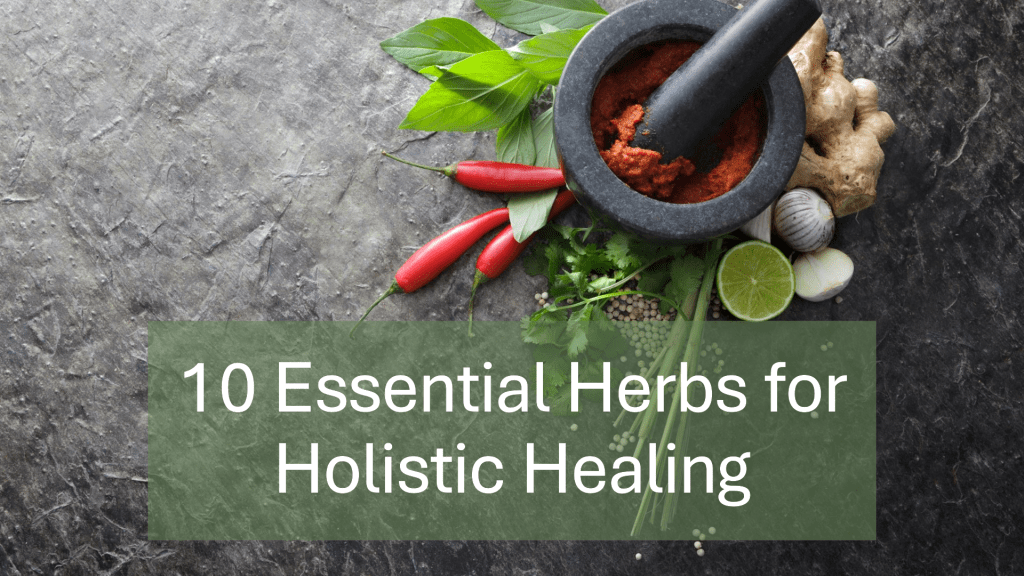
10 Essential Herbs for Holistic Healing and How to Use Them

For centuries, herbs have been used as powerful tools in holistic healing, offering natural remedies for various ailments and promoting overall wellness. Whether it’s calming the mind, boosting the immune system, or reducing inflammation, certain herbs hold incredible potential for enhancing our health. Here are 10 essential herbs for holistic healing and how you can incorporate them into your daily routine.

1. Ashwagandha: The Stress Reliever

Known as an adaptogen, Ashwagandha helps the body manage stress by reducing cortisol levels and balancing the nervous system. It’s commonly used to improve mental clarity and support relaxation.

  • How to Use: Add Ashwagandha powder to smoothies, teas, or take it as a supplement capsule to combat stress and improve focus.

2. Turmeric: The Anti-Inflammatory Hero

Turmeric is rich in curcumin, a compound known for its powerful anti-inflammatory and antioxidant properties. It’s great for reducing inflammation, boosting immunity, and supporting joint health.

  • How to Use: Add turmeric to soups, curries, or make a golden turmeric latte for an anti-inflammatory boost.

3. Chamomile: The Calming Herb

Chamomile is well known for its calming effects, making it an excellent herb for reducing anxiety, aiding digestion, and promoting restful sleep.

  • How to Use: Brew chamomile tea before bed to unwind and improve sleep quality.

4. Holy Basil: The Adaptogenic Wonder

Also known as Tulsi, Holy Basil is revered for its ability to balance the body’s systems and promote physical and emotional well-being. It’s particularly beneficial for reducing stress and enhancing immune function.

  • How to Use: Drink Holy Basil tea in the morning to enhance mental clarity and promote relaxation.

5. Ginger: The Digestive Soother

Ginger has been used for centuries to relieve digestive issues, reduce nausea, and support immune health. It’s a warming herb that can help stimulate circulation and reduce inflammation.

  • How to Use: Add fresh ginger to your tea, smoothies, or stir-fry for digestive support and to boost immunity.

6. Echinacea: The Immune Booster

Echinacea is widely known for its immune-boosting properties, particularly for fighting off colds and flu. It stimulates the immune system and helps the body recover faster from illness.

  • How to Use: Drink Echinacea tea during cold season or take it as a supplement at the onset of symptoms.

7. Lavender: The Relaxation Herb

Lavender is famous for its soothing properties, helping to relieve stress, anxiety, and insomnia. It’s also used to ease headaches and muscle tension.

  • How to Use: Add a few drops of lavender essential oil to your bath, or use it in a diffuser for a calming atmosphere.

8. Peppermint: The Energizer

Peppermint is great for promoting focus and relieving headaches, while also supporting digestion. Its cooling effect makes it perfect for soothing upset stomachs and enhancing alertness.

  • How to Use: Drink peppermint tea to ease indigestion, or inhale peppermint essential oil for a quick energy boost.

9. St. John’s Wort: The Mood Booster

Known for its antidepressant properties, St. John’s Wort is often used to treat mild to moderate depression, improve mood, and reduce anxiety. It’s also used to relieve nerve pain.

  • How to Use: Take St. John’s Wort in capsule form, or brew it as tea to support emotional well-being.

10. Milk Thistle: The Liver Detoxifier

Milk Thistle is prized for its liver-protecting properties, as it helps detoxify and regenerate liver cells. It’s commonly used to support liver function and improve digestion.

  • How to Use: Drink milk thistle tea or take it as a supplement to promote liver detox and improve overall digestion.

Conclusion

Incorporating these powerful herbs into your daily life is a simple, natural way to support your holistic wellness journey. From stress relief and better digestion to immune boosting and inflammation reduction, each of these herbs offers unique benefits to help you feel your best. Try adding one or more of these herbs to your routine and experience the healing power of nature firsthand.


For more insights into holistic wellness practices, check out my book, The Mindful Executive: https://www.amazon.com/dp/B0D75YJCLW.

12 Mindful Practices to Reduce Stress in Under 10 Minutes

In today’s fast-paced world, stress has become a constant companion for many of us. The good news is that you don’t need hours of meditation or an elaborate wellness routine to bring some peace into your life. There are simple, effective practices that can help reduce stress in under 10 minutes, providing immediate relief and grounding. These quick mindfulness techniques are perfect for even the busiest of days. Let’s explore 12 ways to de-stress quickly and effectively.

1. Deep Breathing

One of the quickest ways to calm your mind and body is through deep breathing. By focusing on your breath, you can lower your heart rate, reduce tension, and bring your focus back to the present moment.

  • How to: Inhale deeply through your nose for four counts, hold for four counts, and exhale slowly through your mouth for four counts. Repeat for 2-3 minutes.

2. Body Scan

A body scan is a mindfulness practice that involves paying attention to each part of your body, noticing areas of tension or discomfort. This technique helps you release physical stress and reconnect with your body.

  • How to: Close your eyes, and starting from your feet, slowly move your awareness up through your body, noticing any sensations. Breathe into any areas of tension, and consciously relax each part.

3. Mindful Walking

Walking, especially in nature, is a great way to reduce stress. Mindful walking involves being fully present as you walk, paying attention to each step and the sensations in your body as you move.

  • How to: Take a short walk outside or around your home, focusing on the movement of your feet, the feel of the ground beneath you, and the rhythm of your breath.

4. Gratitude Practice

Shifting your focus to gratitude can instantly lift your mood and reduce stress. This practice allows you to focus on the positive aspects of your life, which helps shift your perspective away from stressors.

  • How to: Write down three things you’re grateful for in a journal or simply reflect on them in your mind for a few minutes.

5. Visualization

Visualization is a powerful tool for reducing stress. By imagining yourself in a peaceful, calming place, you can create a mental retreat that helps soothe your nervous system.

  • How to: Close your eyes and imagine a place where you feel safe and relaxed, such as a beach, forest, or mountain. Picture the details, sounds, and smells of this place, and spend a few moments soaking in the calm.

6. Progressive Muscle Relaxation

This technique involves tensing and then releasing each muscle group in your body, helping you release physical tension and stress.

  • How to: Start by tensing the muscles in your feet for five seconds, then relax them. Work your way up through your body, tensing and relaxing each muscle group until you reach your head.

7. Journaling

Writing down your thoughts and feelings can be an effective way to reduce mental clutter and stress. It helps you process emotions and release any pent-up tension.

  • How to: Spend five minutes writing about whatever is on your mind, without judgment. Let your thoughts flow freely onto the page.

8. Mindful Eating

Eating mindfully can transform even a short snack into a moment of relaxation. By focusing on the flavors, textures, and sensations of your food, you create a mindful moment that brings you back to the present.

  • How to: The next time you eat, take small bites, chew slowly, and savor the flavors and textures. Focus solely on the act of eating without distractions.

9. Breathing with Essential Oils

Essential oils such as lavender, chamomile, or eucalyptus have calming properties that can enhance a breathing practice. Inhaling these oils can help soothe your mind and body even faster.

  • How to: Place a drop of your favorite calming essential oil on your palms, rub them together, and cup your hands over your nose as you inhale deeply.

10. 5-Minute Meditation

You don’t need a long meditation session to benefit from mindfulness. Even five minutes of meditation can reduce stress and bring clarity.

  • How to: Find a quiet space, sit comfortably, and close your eyes. Focus on your breath, allowing thoughts to come and go without judgment. Simply observe, and bring your attention back to your breath if your mind wanders.

11. Affirmations

Positive affirmations can help reduce stress by shifting your mindset from negative to positive. Repeating affirmations allows you to rewire your thought patterns and reduce anxiety.

  • How to: Choose a calming affirmation like “I am at peace” or “I release stress and welcome calm.” Repeat it to yourself for a few minutes, either silently or out loud.

12. Earthing

Connecting with the earth, also known as “earthing,” can help you reduce stress and feel more grounded. Walking barefoot outside allows you to absorb the earth’s natural energy and release built-up tension.

  • How to: Step outside and walk barefoot on grass, dirt, or sand. Focus on the sensations beneath your feet and the connection you feel to the earth.

Conclusion

Stress relief doesn’t need to take up hours of your time. With these quick, mindful practices, you can reduce stress in under 10 minutes, no matter where you are or what your day looks like. Incorporating these techniques into your daily routine will help you stay calm, grounded, and centered, even in the midst of a busy life.


For more tips on reducing stress and improving your well-being, check out my book, The Mindful Executive: https://www.amazon.com/dp/B0D75YJCLW.