

The Art of Saying No: Boundaries for a Balanced New Year

In a world that constantly demands our attention, learning to say “no” is an essential act of self-care. Setting boundaries allows you to protect your time, energy, and emotional well-being, enabling you to focus on what truly matters. As we step into the new year, embracing the art of saying no can help you cultivate a more balanced, intentional, and fulfilling life. Here’s how you can master this empowering skill and make it a cornerstone of your holistic lifestyle.


1. Redefine Your Priorities

Saying no becomes easier when you’re clear about what matters most to you. Start by identifying your core values and goals.

  • How to Practice:
    • Write down your top 3-5 priorities for the year (e.g., family, health, creative projects).
    • Use these priorities as a guide to decide where to invest your energy.
  • Pro Tip: When faced with a request, ask yourself, “Does this align with my priorities?”

2. Understand the Power of No

Saying no isn’t about rejection; it’s about respect—for yourself and others. It creates space for authenticity and ensures your commitments are meaningful.

  • Why It Matters:
    • A well-placed no allows you to give your best to the things that truly matter.
    • It prevents burnout and resentment by avoiding overcommitment.
  • Pro Tip: Reframe no as a positive boundary rather than a negative response.

3. Practice Saying No Gracefully

Turning down requests doesn’t have to feel awkward or harsh. With the right approach, you can decline gracefully while maintaining positive relationships.

  • How to Practice:
    • Use polite, empathetic language, such as, “Thank you for thinking of me, but I can’t commit to this right now.”
    • Offer an alternative if appropriate, like suggesting someone else who might be able to help.
  • Pro Tip: Practice responses in advance for common scenarios to feel more confident.

4. Set Boundaries with Yourself

Boundaries aren’t just for others—they’re also essential for managing your own habits and expectations.

  • How to Practice:
    • Limit your screen time, schedule regular self-care, and set clear work hours.
    • Avoid overloading your schedule by building in buffer time between commitments.
  • Pro Tip: Treat your personal boundaries with the same respect as professional obligations.

5. Recognize When to Say Yes

The art of saying no is also about knowing when to say yes. Accepting opportunities that align with your goals and values can be just as empowering as declining others.

  • How to Practice:
    • Evaluate requests based on their potential to bring joy, growth, or alignment with your priorities.
    • Say yes to things that energize you and contribute positively to your life.
  • Pro Tip: A clear yes often makes saying no to other things easier.

6. Use Time as a Filter

Time is a finite resource, and using it wisely means being selective about your commitments. Viewing time as valuable helps frame no as a necessary choice.

  • How to Practice:
    • Before agreeing to something, consider the time investment and its impact on your priorities.
    • Use phrases like, “I need to check my schedule,” to buy time for thoughtful decisions.
  • Pro Tip: Create a default “pause” rule—don’t commit to anything immediately.

7. Build Confidence Through Small Nos

If saying no feels uncomfortable, start with small, low-stakes situations. Over time, this practice builds your confidence and makes it easier to handle larger requests.

  • How to Practice:
    • Decline small favors or requests that don’t align with your priorities (e.g., “I can’t attend this meeting, but I’ll review the notes later.”).
    • Notice how freeing it feels to protect your time.
  • Pro Tip: Celebrate each no as a step toward empowerment.

8. Recognize and Address Guilt

Feeling guilty about saying no is common but often misplaced. Understanding that guilt is a natural response—and not an indicator of wrongdoing—helps you move past it.

  • How to Practice:
    • Remind yourself that saying no allows you to show up fully for your true commitments.
    • Use affirmations like, “It’s okay to prioritize my well-being.”
  • Pro Tip: Reflect on times you’ve said yes out of guilt and how it impacted your energy.

9. Create a Boundary Script

Having a go-to script for common scenarios makes it easier to respond without hesitation or over-explaining.

  • Examples:
    • “I appreciate the offer, but I’m not able to take on additional responsibilities right now.”
    • “I’d love to help, but I need to focus on my current priorities.”
  • Pro Tip: Keep your script simple and direct—less is often more.

10. Enforce Your Boundaries with Consistency

Boundaries are only effective if they’re upheld. Being consistent in how you enforce them sends a clear message to others and reinforces your commitment to yourself.

  • How to Practice:
    • Stick to your no, even if others push back. Calmly restate your position if needed.
    • Recognize that you’re not responsible for others’ reactions.
  • Pro Tip: Reflect on the benefits of upholding boundaries, such as increased energy and reduced stress.

Conclusion

Saying no is a skill that empowers you to lead a balanced and intentional life. By setting boundaries, you create space for the things that truly matter—your health, happiness, and growth. Remember, every no is a yes to something more meaningful. As you embrace this practice, you’ll find greater clarity, peace, and fulfillment in your daily life.


For more insights on creating balance and mindfulness in your life, check out my book, The Mindful Executive: https://www.amazon.com/dp/B0D75YJCLW.


Manifesting Your Goals with Holistic Vision Boards

A vision board is a powerful tool to align your goals and aspirations with your energy. But what if you infused it with holistic elements? A holistic vision board focuses not just on external achievements but also on nurturing your mind, body, and spirit. By combining visualization, intention-setting, and mindfulness, you can create a vision board that resonates deeply with your personal values and wellness goals. Let’s explore how to manifest your dreams through this creative and transformative process.


1. Understand the Power of Vision Boards

Vision boards work by tapping into the Law of Attraction, where visualizing your goals can help bring them to reality. A holistic vision board goes beyond material desires, focusing on harmony, well-being, and inner peace.

  • Why It Works: Seeing your goals daily keeps them at the forefront of your mind, creating a sense of alignment and motivation.
  • Pro Tip: Think about how you want to feel when achieving your goals, not just what you want to achieve.

2. Gather Your Materials

Creating a vision board is a hands-on, creative process. Gather materials that inspire you and represent your aspirations.

  • What You Need:
    • A board or large piece of cardboard
    • Magazines, photos, printed images, or art supplies
    • Glue, scissors, markers, and stickers
  • Pro Tip: Use recycled or sustainable materials to keep your vision board eco-friendly.

3. Define Your Holistic Goals

Before starting, take time to reflect on what you want to manifest in all areas of your life—health, relationships, career, personal growth, and spirituality.

  • How to Define Goals:
    • Write down your intentions in each area.
    • Focus on goals that nurture your holistic well-being, like “cultivate mindfulness,” “improve physical fitness,” or “build meaningful connections.”
  • Pro Tip: Use a journaling session or meditation to clarify your intentions.

4. Incorporate Visual and Emotional Elements

The power of a vision board lies in the connection between your visuals and emotions. Choose images, words, and symbols that resonate deeply with your aspirations.

  • How to Practice:
    • Select visuals that evoke the feelings you want to experience (e.g., calm, joy, confidence).
    • Include affirmations or mantras like “I am at peace” or “I am capable of growth.”
  • Pro Tip: Add personal photos or drawings for a unique, meaningful touch.

5. Use Color Psychology

Colors have a profound impact on mood and energy. Integrate color psychology into your vision board to amplify its effectiveness.

  • Examples of Colors:
    • Blue: Peace and calm
    • Green: Growth and health
    • Yellow: Positivity and energy
    • Purple: Creativity and spirituality
  • Pro Tip: Use a cohesive color palette to make your vision board visually appealing and energizing.

6. Include Holistic Themes

A holistic vision board incorporates elements that reflect balance and well-being. Go beyond traditional goals to focus on your inner state and lifestyle choices.

  • Themes to Include:
    • Mindfulness: Images of meditation or peaceful nature scenes
    • Wellness: Photos of healthy meals or exercise
    • Connection: Visuals of meaningful relationships or community
    • Joy: Symbols of hobbies, travel, or creative pursuits
  • Pro Tip: Add quotes or poetry that inspires you.

7. Make It Interactive

An interactive vision board encourages engagement and keeps your goals dynamic. This helps you stay motivated and connected to your aspirations.

  • How to Practice:
    • Use sticky notes for goals that may evolve.
    • Include a section for tracking progress, like a gratitude list or small milestones.
  • Pro Tip: Place your board where you’ll see it daily, such as near your desk or in a meditation corner.

8. Visualize Your Goals Daily

Visualization bridges the gap between intention and action. Spending even a few minutes each day with your vision board can strengthen your focus and motivation.

  • How to Practice:
    • Spend 5 minutes each morning visualizing yourself achieving your goals.
    • Focus on the emotions you feel in that reality.
  • Pro Tip: Pair this practice with deep breathing or a morning affirmation.

9. Refresh and Revisit Your Board

As you grow and your goals evolve, your vision board should adapt to reflect your current aspirations.

  • How to Practice:
    • Review your board monthly or quarterly to update goals or add new inspirations.
    • Celebrate milestones by adding symbols of success, like a star or heart sticker.
  • Pro Tip: Take a photo of your vision board to keep a digital version on your phone for motivation on the go.

Conclusion

A holistic vision board is more than a collection of images—it’s a powerful tool for manifesting a balanced, intentional life. By focusing on your mind, body, and spirit, you create a visual reminder of the life you’re working toward. Take time to craft your board thoughtfully, reflect on it daily, and embrace the journey of turning your aspirations into reality.


For more insights on setting intentions and creating balance, check out my book, The Mindful Executive: https://www.amazon.com/dp/B0D75YJCLW.

Digital Decluttering for Mental Clarity in the New Year

    • Delete unnecessary files and organize the rest into labeled folders.
    • Use cloud storage, like Google Drive or Dropbox, to store important documents securely.
    • Keep your desktop clean with only essential shortcuts.
  • Pro Tip: Schedule monthly file clean-ups to prevent buildup.

3. Declutter Your Phone

Your smartphone is a hub of daily activity, but unused apps and notifications can create mental noise.

  • How to Practice:
    • Delete apps you haven’t used in the past three months.
    • Organize apps into folders by category for easy navigation.
    • Turn off unnecessary notifications to reduce distractions.
  • Pro Tip: Use focus modes or screen time settings to limit app usage during certain hours.

4. Streamline Your Social Media

Social media can be a source of inspiration—or a source of stress. Curating your feeds helps create a more positive and intentional experience.

  • How to Practice:
    • Unfollow accounts that no longer align with your interests or values.
    • Mute or block accounts that cause stress or negativity.
    • Set time limits for social media usage each day.
  • Pro Tip: Consider taking a social media detox for a week or month to reset.

5. Refresh Your Devices

A slow or outdated device can add unnecessary frustration to your day. Taking time to refresh your hardware and software improves efficiency.

  • How to Practice:
    • Update your operating system and apps to the latest versions.
    • Clear your browser cache and cookies for faster performance.
    • Backup important data to prevent loss.
  • Pro Tip: Consider resetting your device to factory settings if it’s significantly slowed down.

6. Declutter Your Digital Subscriptions

Subscriptions to apps, services, or memberships can pile up, draining both your wallet and your attention.

  • How to Practice:
    • Review all your subscriptions and cancel any that you no longer use.
    • Set reminders for subscription renewals so you’re not caught off guard.
  • Pro Tip: Use tools like Truebill or Bobby to track and manage subscriptions.

7. Organize Your Photos and Videos

Your digital photo library can quickly become overwhelming with duplicates, screenshots, and random pictures.

  • How to Practice:
    • Delete duplicate or blurry photos.
    • Organize remaining photos into albums by date, event, or theme.
    • Back up your photos to cloud storage or an external drive.
  • Pro Tip: Use apps like Google Photos or Apple Photos to automatically sort and back up your images.

8. Manage Your Passwords

Keeping track of passwords can be a source of stress if you don’t have a system in place.

  • How to Practice:
    • Use a password manager like LastPass or Dashlane to securely store and organize passwords.
    • Update weak or reused passwords to strengthen your security.
  • Pro Tip: Enable two-factor authentication for added protection.

9. Curate Your Digital Entertainment

Streaming platforms, podcasts, and playlists can easily become cluttered with content you no longer enjoy.

  • How to Practice:
    • Organize playlists, delete songs you skip often, and create new themed lists.
    • Remove shows or movies from your streaming watchlist that no longer interest you.
    • Unsubscribe from podcasts you’ve outgrown.
  • Pro Tip: Create a “favorites” list for quick access to your most-loved content.

10. Set Boundaries with Technology

Digital decluttering isn’t just about organizing—it’s also about creating healthier habits with your devices.

  • How to Practice:
    • Set “device-free” times or zones, such as during meals or before bed.
    • Limit work-related emails or tasks to specific hours.
    • Prioritize in-person interactions over digital communication when possible.
  • Pro Tip: Use a digital well-being app to track and manage your screen time.

Conclusion

Digital decluttering is a powerful way to reduce stress, improve focus, and create a sense of clarity in the new year. By organizing your devices, streamlining your digital habits, and setting boundaries, you can foster a healthier relationship with technology. Start small, tackle one area at a time, and enjoy the mental freedom that comes with a simplified digital life.


For more insights on creating balance and mindfulness in your life, check out my book, The Mindful Executive: https://www.amazon.com/dp/B0D75YJCLW.
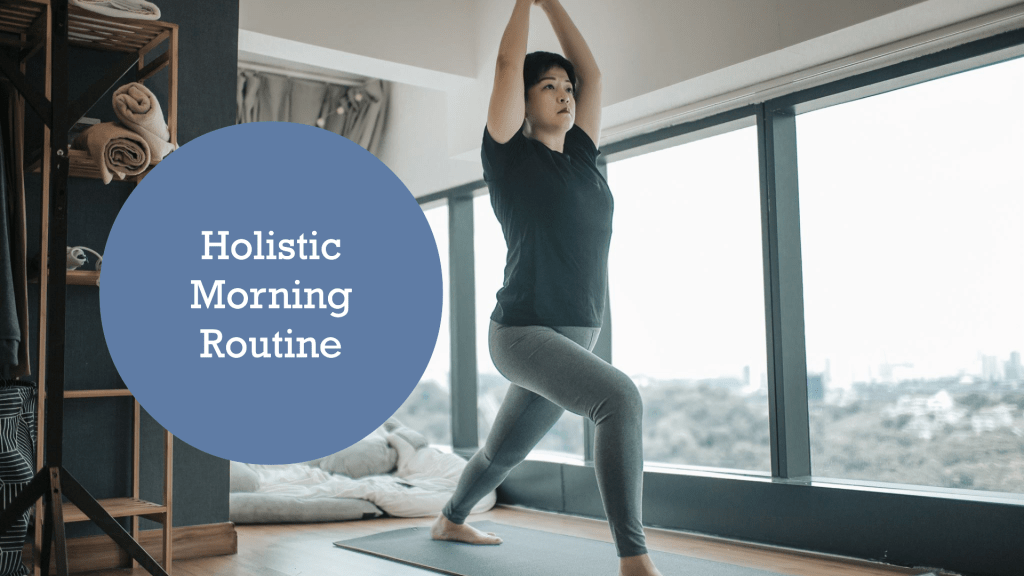
Designing Your Morning Routine for Holistic Success

The way you start your day sets the tone for everything that follows. A mindful morning routine can help you cultivate energy, clarity, and balance, allowing you to navigate your day with ease and purpose. By integrating holistic practices into your mornings, you nurture your mind, body, and spirit from the very beginning. Let’s explore how to design a morning routine that fosters holistic success and aligns with your well-being goals.


1. Wake Up with Intention

Begin your day with intention instead of rushing into tasks or distractions. This simple shift creates a sense of calm and control.

  • How to Practice: Set your alarm 10 minutes earlier and spend that time breathing deeply, stretching, or thinking about one positive thing you’re looking forward to.
  • Pro Tip: Place a journal or a gratitude notebook beside your bed to jot down your first thoughts of the day.

2. Hydrate for Vitality

After a night of rest, your body needs hydration to wake up your metabolism and energize your cells.

  • How to Practice: Drink a glass of room-temperature water with a squeeze of lemon to flush out toxins and hydrate your body.
  • Pro Tip: Keep a water bottle or glass near your bed to make hydration the first thing you do upon waking.

3. Move Your Body

Physical movement in the morning gets your blood flowing, energizes your body, and clears mental fog. It doesn’t have to be intense—a gentle stretch can do wonders.

  • How to Practice: Spend 5-10 minutes doing light yoga, stretching, or even a short walk outside. Focus on movements that feel good and energize you.
  • Pro Tip: Follow a quick yoga or mobility routine on YouTube to get started.

4. Practice Mindfulness or Meditation

A few minutes of mindfulness or meditation in the morning can calm your mind and set a positive tone for the day.

  • How to Practice: Sit quietly for 5-10 minutes, focusing on your breath or using a guided meditation app like Headspace or Calm.
  • Pro Tip: Pair meditation with a calming essential oil, such as lavender or frankincense, to deepen your practice.

5. Fuel Your Body with a Nutritious Breakfast

A balanced breakfast fuels your body and mind, giving you the energy and focus you need to start your day.

  • How to Practice: Include a mix of protein, healthy fats, and fiber. Examples include avocado toast, oatmeal with nuts and seeds, or a green smoothie.
  • Pro Tip: Prep ingredients the night before to save time and reduce decision fatigue in the morning.

6. Set Daily Intentions

Taking a moment to set intentions helps you approach your day with purpose and focus. It’s a way to align your actions with your values and goals.

  • How to Practice: Write down 1-3 intentions for the day, such as “stay present,” “be patient,” or “complete a project with focus.”
  • Pro Tip: Use affirmations like “I am capable of achieving my goals” to start the day with confidence.

7. Limit Technology First Thing in the Morning

Avoid diving into emails, social media, or news right after waking. This preserves your mental clarity and prevents overwhelm.

  • How to Practice: Set a “no technology” rule for the first 30 minutes of your day. Use this time for mindful activities instead.
  • Pro Tip: Replace your phone alarm with a traditional alarm clock to resist the urge to check notifications.

8. Create a Morning Playlist

Music can uplift your mood and create a positive atmosphere as you prepare for the day.

  • How to Practice: Curate a playlist of calming or energizing songs that inspire you. Play it as you move through your morning routine.
  • Pro Tip: Include instrumental tracks or nature sounds for a soothing vibe.

9. Journal for Clarity

Morning journaling clears your mind and helps you process thoughts or emotions before the day begins.

  • How to Practice: Write down your thoughts, goals, or anything that’s on your mind for 5-10 minutes. Focus on gratitude, affirmations, or even a quick brain dump.
  • Pro Tip: Use prompts like “What am I excited about today?” or “How can I show kindness today?”

10. Embrace Nature

Connecting with nature in the morning grounds you and boosts your mood. Even a few minutes outdoors can make a difference.

  • How to Practice: Spend time on your balcony, garden, or by a window with a view of greenery. If possible, take a short walk outside.
  • Pro Tip: Combine this practice with mindfulness by observing the sights and sounds around you.

Conclusion

A well-designed morning routine is a gift to yourself, creating space for intentionality, self-care, and focus. By incorporating hydration, mindfulness, movement, and nourishing habits, you can set the stage for a productive and peaceful day. Start small, experiment with these practices, and customize your routine to suit your unique needs. Your morning can become a powerful tool for holistic success, guiding you toward balance and fulfillment every day.


For more ideas on mindfulness and intentional living, check out my book, The Mindful Executive: https://www.amazon.com/dp/B0D75YJCLW.
Boost Well-Being Through Daily Mindful Rituals

Rituals have been a cornerstone of human culture for centuries, offering a sense of stability, intention, and meaning. Unlike habits, which are often automatic, rituals are imbued with purpose and mindfulness. By incorporating meaningful rituals into your daily life, you can create a sense of control, boost your emotional well-being, and cultivate a mindset geared toward growth and positivity. Let’s explore how to harness the transformative power of daily rituals for a more intentional and fulfilling life.


1. Morning Intention-Setting Ritual

Start your day with purpose by setting clear intentions. This ritual helps you focus on what matters most.

  • How to Practice:
    • Upon waking, take a few moments to reflect on how you want to feel and what you want to achieve during the day.
    • Write down one or two key intentions (e.g., “Stay present” or “Approach challenges with patience”).
  • Pro Tip: Pair this with a morning mantra, such as, “I am calm, capable, and focused.”

2. Ritual of Gratitude

Gratitude rituals shift your mindset from scarcity to abundance, fostering positivity and contentment.

  • How to Practice:
    • Spend 5 minutes each morning or evening writing down three things you’re grateful for.
    • Focus on small, specific moments, like a kind gesture or a beautiful sunrise.
  • Pro Tip: Create a gratitude jar where you write your notes on slips of paper and review them at the end of the year.

3. Mindful Movement Practice

Incorporating intentional movement into your day enhances physical health while grounding your mind.

  • How to Practice:
    • Dedicate 10-20 minutes to yoga, tai chi, or stretching with a focus on mindful breathing.
    • Use this time to check in with your body and release tension.
  • Pro Tip: Choose a time of day when you need an energy boost or mental reset.

4. Nourishment Rituals for Meals

Transform your meals into a mindful practice that nourishes your body and spirit.

  • How to Practice:
    • Begin each meal by taking a moment to appreciate the food, its flavors, and the effort it took to prepare it.
    • Eat slowly, savoring each bite and noticing how your body responds.
  • Pro Tip: Avoid distractions like screens or multitasking while eating.

5. Midday Reset Ritual

A midday pause helps break the cycle of stress and restores focus.

  • How to Practice:
    • Set an alarm for a midday break where you spend 5-10 minutes meditating, journaling, or stepping outside.
    • Reflect on your morning and realign your intentions for the rest of the day.
  • Pro Tip: Incorporate aromatherapy with energizing scents like citrus or peppermint during this ritual.

6. Evening Reflection Ritual

Reflection at the end of the day provides closure and insight, allowing you to let go of stress and prepare for restful sleep.

  • How to Practice:
    • Spend 10 minutes reviewing your day by journaling or simply reflecting on key moments.
    • Ask yourself questions like, “What went well today?” and “What can I learn from today’s challenges?”
  • Pro Tip: End the ritual with a positive affirmation, such as, “I am proud of my efforts today.”

7. Nature Connection Ritual

Connecting with nature helps you feel grounded, reduces stress, and enhances your sense of well-being.

  • How to Practice:
    • Spend 10-15 minutes outdoors, whether it’s a walk in the park, tending to a garden, or simply sitting under a tree.
    • Observe your surroundings with curiosity and appreciation.
  • Pro Tip: Try incorporating this ritual in the morning or evening for a peaceful start or end to your day.

8. Digital Detox Ritual

Detaching from technology is essential for mental clarity and emotional balance.

  • How to Practice:
    • Set a designated time each day to unplug from screens—start with 30 minutes and gradually increase.
    • Use this time for activities like reading, meditating, or creative hobbies.
  • Pro Tip: Create a tech-free zone in your home, such as your bedroom or dining area.

9. Affirmation Ritual

Positive affirmations help reframe negative thought patterns and boost confidence.

  • How to Practice:
    • Write or repeat affirmations each morning, focusing on areas where you seek growth or strength.
    • Examples include, “I am resilient,” “I am deserving of love,” or “I have the power to create change.”
  • Pro Tip: Pair affirmations with a mirror to enhance their impact.

10. Weekly Visioning Ritual

A weekly ritual for envisioning your goals keeps you aligned with your aspirations and motivated to take action.

  • How to Practice:
    • Dedicate 20-30 minutes at the start of each week to review your goals and set actionable steps.
    • Visualize what success looks and feels like for the week ahead.
  • Pro Tip: Combine this ritual with a calming activity, like lighting a candle or sipping tea.

Conclusion

Rituals infuse your daily routine with intention, creating meaningful moments that enhance your mindset and well-being. By incorporating even a few of these practices into your life, you can foster greater focus, resilience, and joy. Start small, build consistency, and watch how these rituals transform not just your days, but your entire outlook on life.


For more insights on cultivating mindfulness and intentional living, check out my book, The Mindful Executive: https://www.amazon.com/dp/B0D75YJCLW.

The Power of Solitude: How Embracing Alone Time Can Transform Your Mind and Soul

In a world that often glorifies busyness and social connection, the art of solitude is often undervalued. Yet, spending time alone can be profoundly healing and transformative. Embracing solitude allows you to reconnect with yourself, understand your desires, and cultivate inner peace. Here, we’ll explore the power of solitude, the benefits it brings to the mind and soul, and how to make the most of your alone time.


Why Solitude is Essential for Personal Growth

Solitude isn’t about isolation; it’s about connection—to yourself. When you spend time alone, you have the space to listen to your thoughts, process emotions, and gain clarity on what truly matters to you. Solitude allows for self-reflection, creativity, and a deeper understanding of who you are beyond external influences.

The Benefits of Embracing Solitude

  1. Enhanced Self-Awareness Solitude creates an opportunity for introspection. When you’re alone, you’re free from distractions and external expectations, allowing you to reflect on your thoughts, beliefs, and aspirations. This leads to greater self-awareness and understanding.
  2. Emotional Resilience Spending time alone helps you build emotional strength and resilience. Without the constant influence of others, you learn to process your emotions independently, becoming more comfortable with your feelings and developing inner strength.
  3. Increased Creativity and Clarity Solitude sparks creativity and problem-solving. Many artists, writers, and thinkers use solitude to generate ideas and find clarity. Time alone allows you to brainstorm freely, connect ideas, and explore creative expressions without interruption.
  4. Deep Inner Peace In solitude, you can disconnect from the noise and chaos of daily life. This quiet time helps you find inner peace, letting go of stress and anxiety. Solitude allows you to center yourself, reconnect with your inner calm, and recharge your spirit.

1. Establish a Regular “Solitude Session”

Just as you schedule social outings or work commitments, schedule regular time for solitude. This intentional alone time helps you recharge, reflect, and create a routine of self-connection.

  • How to Practice: Choose a specific time each day or week to disconnect from technology and be alone. Use this time for reflection, journaling, or simply enjoying quiet.

2. Create a Solo Ritual You Love

Rituals give structure to solitude, making it a cherished practice. Whether it’s morning coffee on your balcony or a solo sunset walk, choose an activity that feels restorative.

  • How to Practice: Dedicate a ritual to yourself, like making a cup of tea and enjoying it slowly, or taking a nature walk in the early morning. Make this ritual a sacred time of reflection.

3. Journal for Self-Discovery

Journaling is a powerful tool for self-discovery and introspection. It gives you a private space to express emotions, clarify goals, and explore your inner thoughts.

  • How to Practice: Set aside 10-15 minutes during your solitude session to write freely. Reflect on your dreams, emotions, or experiences, and let the process guide you to self-understanding.

4. Practice Mindful Observation

Solitude offers an opportunity to slow down and observe the world around you with fresh eyes. Practicing mindful observation deepens your sense of presence and appreciation for the moment.

  • How to Practice: During your solitude, focus on observing small details—like the play of light on a wall or the sounds of nature. Let yourself be fully present and notice the richness of each moment.

5. Embrace Silence

Silence can be one of the most profound experiences in solitude. Without external noise, silence helps you tune into your thoughts and feelings, promoting clarity and peace.

  • How to Practice: Find a quiet spot and embrace the silence for a few minutes. Avoid speaking, music, or other sounds. Allow your mind to settle and your spirit to recharge in the stillness.

6. Disconnect from Technology

Technology often disrupts our time alone, keeping us tethered to external stimulation. Disconnecting from screens helps you fully embrace solitude and be present with yourself.

  • How to Practice: Set your devices aside during solitude sessions. Embrace tech-free time to cultivate deeper connections within, without the distraction of notifications or social media.

7. Engage in Solo Creativity

Creativity flourishes in solitude, where your mind is free to wander without judgment. Use your alone time to express yourself creatively—whether it’s drawing, writing, playing music, or crafting.

  • How to Practice: Choose a creative activity you enjoy and let it be a form of self-expression. Allow yourself to explore freely, focusing on the process rather than the end result.

8. Reflect on Personal Goals and Aspirations

Solitude provides the perfect setting to reflect on your goals and desires. Without external opinions, you can tap into your authentic self and understand what truly drives you.

  • How to Practice: Spend time thinking about your aspirations and personal values. Consider journaling about your goals, where you see yourself in the future, and the steps to get there.

9. Practice Self-Compassion

Solitude is an ideal time to cultivate self-compassion. Use your time alone to practice kindness toward yourself, reflecting on your growth and accepting any imperfections.

  • How to Practice: During your solitude session, repeat self-compassionate affirmations or reflect on your accomplishments. Remind yourself that you are enough and embrace self-love.

10. Engage in a “Solo Adventure”

Exploring something new alone, like visiting a museum or going for a hike, builds independence and self-confidence. Solo adventures offer unique experiences that deepen your relationship with yourself.

  • How to Practice: Plan a simple solo outing, like trying a new coffee shop, hiking trail, or local event. Use this time to enjoy your own company and explore new experiences independently.

11. Read for Personal Growth and Reflection

Books offer a window into new ideas, perspectives, and self-discovery. Reading alone allows you to immerse yourself in knowledge that resonates with your values or aspirations.

  • How to Practice: Choose books that inspire growth and insight, like self-help, philosophy, or fiction with profound themes. Reflect on what you learn and how it relates to your own journey.

12. End with a Moment of Gratitude

Ending your solitude session with gratitude reinforces the positive impact of alone time. It grounds you, helping you recognize the value of this special time for self-renewal.

  • How to Practice: Reflect on one or two things you’re grateful for after each solitude session. It could be an insight you gained, a peaceful feeling, or simply the opportunity to spend time with yourself.

Conclusion

Embracing solitude is a powerful act of self-care and self-connection. It offers a space to slow down, reflect, and discover who you are beneath life’s noise and expectations. By incorporating solitude into your routine, you nurture a relationship with yourself that brings clarity, inner peace, and resilience. Start small, find practices that resonate with you, and let solitude become a cherished part of your life’s journey.


For more guidance on inner peace and personal growth, check out my book, The Mindful Executive: https://www.amazon.com/dp/B0D75YJCLW.

How to Create a Personal Sanctuary at Home for Relaxation and Renewal

In a world filled with constant noise and demands, creating a personal sanctuary at home offers a space to escape, reflect, and rejuvenate. A sanctuary is more than just a quiet room; it’s a personalized space designed to nurture your mind, body, and spirit. By mindfully crafting this space, you create an environment that promotes relaxation, clarity, and peace. Here’s how you can transform a part of your home into a sanctuary that reflects your needs and helps you unwind.


1. Choose the Right Space

Creating a sanctuary doesn’t require a large room—it can be a cozy corner, a nook, or even a small balcony. The key is to find a spot that feels comfortable and private, away from distractions.

  • How to Create It: Look for a quiet, low-traffic area in your home. This could be a corner in your bedroom, a window seat, or a spare room. Make sure it’s a space where you feel safe and undisturbed.

2. Incorporate Calming Colors

The colors in your sanctuary can have a significant impact on your mood. Soft, neutral, and natural shades are ideal for creating a serene atmosphere, as they promote relaxation and reduce mental clutter.

  • How to Create It: Choose colors like soft blues, greens, or earthy tones. You can incorporate these colors with paint, throws, cushions, or even wall art that reflects the natural world.

3. Use Natural Light for Healing Energy

Natural light has a positive impact on mood and energy. A sanctuary that embraces sunlight will naturally feel more alive and welcoming, boosting your mental and emotional well-being.

  • How to Create It: Place your sanctuary near a window to allow in natural light. If that’s not possible, use soft, warm lighting or candles to create a similar effect.

4. Add Elements from Nature

Nature has a calming effect on the mind and body. Adding natural elements like plants, stones, or wooden decor can create a grounded, peaceful environment.

  • How to Create It: Include potted plants, fresh flowers, or a small indoor water fountain to bring nature indoors. Even a bowl of pebbles or shells can evoke a sense of calm.

5. Incorporate Comfortable Seating

Comfort is essential for a sanctuary, so choose seating that encourages you to relax and unwind. Whether it’s a soft armchair, floor cushions, or a hammock, comfort is key.

  • How to Create It: Choose seating that supports relaxation, like a cozy chair or a floor cushion you can sink into. Add blankets or throws for extra warmth and comfort.

6. Surround Yourself with Meaningful Objects

Your sanctuary should reflect your personal style and values. Surround yourself with items that have meaning to you, whether they’re photos, keepsakes, or books that inspire peace.

  • How to Create It: Include objects that bring positive memories or inspiration, like a favorite book, a framed quote, or a piece of art. Avoid clutter; aim for a few meaningful items that evoke a sense of calm.

7. Incorporate Soothing Sounds

Sound can shape the energy of a space. Soft music, nature sounds, or even a small tabletop fountain can create a tranquil ambiance in your sanctuary.

  • How to Create It: Play calming music, such as nature sounds, binaural beats, or instrumental tunes. A small water fountain can also create soothing white noise, bringing a sense of natural tranquility to the space.

8. Use Aromatherapy for Calming Scents

Aromatherapy is a powerful way to elevate the ambiance of your sanctuary. Scents like lavender, eucalyptus, and chamomile are known for their calming effects.

  • How to Create It: Use essential oil diffusers, candles, or incense to fill your sanctuary with a calming aroma. Choose scents that help you feel relaxed, and rotate them based on your mood or needs.

9. Create a Space for Reflection

A sanctuary is a perfect place for reflection, journaling, or meditation. Having a dedicated space for these practices helps create a routine of mindfulness and introspection.

  • How to Create It: Set up a small table or shelf with a journal, favorite books, or meditation tools. Consider adding a comfortable floor cushion for seated meditation or a soft throw blanket to wrap around yourself.

10. Embrace Minimalism for Clarity

Clutter can disrupt the sense of peace in a sanctuary. Minimalism encourages a clear, open space that allows you to focus and relax without unnecessary distractions.

  • How to Create It: Keep only the essentials in your sanctuary. Avoid clutter and choose furniture or decor with simple, clean lines. Clear away items that don’t add to the space’s purpose of peace and renewal.

11. Include Soft Textures for Comfort

Soft, cozy textures help create a cocoon-like feeling in your sanctuary. Textures like wool, cotton, and linen can make the space feel warm and inviting.

  • How to Create It: Add soft blankets, fluffy cushions, or a cozy rug to make your sanctuary a warm, comfortable retreat. Consider mixing textures to add depth and warmth.

12. Establish Boundaries to Protect Your Space

To truly benefit from your sanctuary, set boundaries that protect it as a place for peace and relaxation. By reserving this space for intentional moments, you keep its energy pure and positive.

  • How to Create It: Let others know that this space is reserved for personal time. Limit distractions by leaving your phone or electronics outside the sanctuary. Use this space only for calming activities, such as reading, meditating, or resting.

Conclusion

Creating a personal sanctuary at home doesn’t require extensive renovations or a lot of space. It’s about designing an environment that supports relaxation, clarity, and inner peace. By crafting a sanctuary tailored to your unique needs, you create a safe haven that nurtures your well-being and provides a retreat from the demands of daily life. Start small, personalize the space, and make it a sacred spot that brings you comfort and joy.


For more insights on creating balance and peace in your life, check out my book, The Mindful Executive: https://www.amazon.com/dp/B0D75YJCLW.
The Art of Slow Living: How Embracing Simplicity Can Transform Your Life

In today’s fast-paced world, we’re often encouraged to do more, achieve more, and consume more. However, the philosophy of “slow living” offers a refreshing alternative. Rooted in mindfulness and intentionality, slow living encourages us to savor the present, focus on meaningful connections, and live with purpose. Embracing this approach can transform your life, helping you find peace, clarity, and fulfillment in simplicity.


What is Slow Living?

Slow living is a lifestyle movement focused on the quality of life rather than the quantity of achievements or possessions. It’s about slowing down to appreciate the present moment, finding joy in simplicity, and making mindful choices that align with your values. Contrary to what some may think, slow living isn’t about idleness but about purposeful action and intentional choices.


1. Savoring Daily Rituals

Everyday routines can become moments of joy and mindfulness when approached with intention. From brewing coffee in the morning to winding down at night, savoring daily rituals brings peace and presence.

  • How to Embrace It: Dedicate time to enjoy your daily routines. For example, when making your morning coffee, focus on the aroma, warmth, and taste. Turn off distractions and allow yourself to be fully present.

2. Mindful Consumption

In slow living, consumption is about quality, not quantity. It encourages thoughtful choices that support a sustainable lifestyle and reduce waste.

  • How to Embrace It: When buying something new, ask yourself if it aligns with your values, will bring lasting joy, or is a necessity. Embrace mindful shopping by choosing eco-friendly and ethically made products.

3. Prioritizing Meaningful Relationships

Rather than spreading yourself thin with numerous social connections, slow living encourages nurturing deep, meaningful relationships that enrich your life.

  • How to Embrace It: Spend time with people who uplift and inspire you. Practice active listening, engage in deeper conversations, and create shared experiences instead of relying on technology to stay connected.

4. Connecting with Nature

Nature has a grounding, calming effect that helps us slow down. Spending time outdoors connects us to the earth, helping us find peace and gain perspective.

  • How to Embrace It: Make time for daily walks, weekend hikes, or simply sitting in your backyard. Notice the colors, textures, and sounds around you. Use nature as a reminder of life’s natural rhythm.

5. Embracing Minimalism

Minimalism and slow living go hand in hand, as both focus on simplifying and letting go of what doesn’t serve you. Embracing minimalism creates space in your home and mind, leaving room for peace and intention.

  • How to Embrace It: Start by decluttering one area of your life, whether it’s your wardrobe, kitchen, or digital files. Keep items that bring you joy or serve a meaningful purpose, and let go of the rest.

6. Focusing on Purposeful Work

Slow living encourages pursuing work that aligns with your values and passions. It’s not about productivity for productivity’s sake, but about meaningful contributions.

  • How to Embrace It: Reflect on the work that truly brings you fulfillment. Whether it’s through your job or personal projects, focus on activities that have a positive impact and bring you joy.

7. Taking Time for Self-Care and Reflection

Self-care is integral to slow living. It’s about nurturing yourself, both physically and emotionally, to sustain a balanced life.

  • How to Embrace It: Prioritize moments of self-care and reflection. This could be as simple as journaling, reading, or enjoying a long bath. Use this time to recharge and realign with your values.

8. Practicing Intentional Media Consumption

The fast flow of information can lead to overwhelm and distraction. Slow living invites us to be intentional with media, choosing quality over quantity.

  • How to Embrace It: Limit your screen time and choose media that aligns with your values. Curate your feeds to include content that inspires and uplifts you, and avoid unnecessary scrolling.

9. Cooking and Eating Mindfully

Food is a fundamental part of life, and cooking mindfully connects you to the process of nourishing your body. Eating slowly enhances the experience and allows you to appreciate flavors, textures, and aromas.

  • How to Embrace It: Prepare meals with intention, using fresh, whole ingredients. Sit down to eat without distractions, savoring each bite and being grateful for the food on your plate.

10. Saying “No” More Often

Slow living means valuing your time and energy, which often means saying “no” to things that don’t align with your priorities. This creates space for what truly matters.

  • How to Embrace It: Practice saying “no” to unnecessary commitments, toxic relationships, or activities that drain you. Instead, make time for activities that nurture and inspire you.

11. Honoring Rest and Relaxation

Rest is an essential part of a balanced life. In slow living, rest isn’t seen as a reward but as a necessity for mental and physical well-being.

  • How to Embrace It: Embrace naps, sleep in when you need to, and avoid over-scheduling. Create a relaxing evening routine that helps you wind down, allowing for restful, rejuvenating sleep.

12. Celebrating Small Moments

Slow living is about appreciating the simple, beautiful moments in life. It teaches us that happiness isn’t only found in grand achievements but in everyday experiences.

  • How to Embrace It: Take time each day to celebrate small wins, joyful moments, or quiet times of reflection. Whether it’s watching a sunset, reading a good book, or laughing with loved ones, these moments are the essence of a fulfilled life.

Conclusion

Embracing slow living isn’t about completely transforming your life overnight. It’s about making small, intentional changes that lead to a simpler, more meaningful existence. By prioritizing what truly matters, you create a life of peace, balance, and purpose. Choose one or two practices to start, and gradually build a lifestyle that aligns with your unique values and goals.


For more inspiration on living mindfully and with purpose, check out my book, The Mindful Executive: https://www.amazon.com/dp/B0D75YJCLW.
12 Powerful Rituals to Release Stress and Restore Balance

Stress can creep into our lives in many forms, impacting our well-being, mindset, and productivity. But with mindful, intentional practices, we can release stress and restore balance to our lives. These 12 powerful rituals offer grounding and relaxation, helping you navigate life with a calm, resilient spirit. Incorporate these into your daily or weekly routine to experience a renewed sense of peace and balance.


1. Ground Yourself with a Daily “Nature Walk” Ritual

Walking in nature is a natural stress reliever, grounding your energy and clearing your mind. Connecting with the outdoors helps you feel calm and rejuvenated.

  • How to Practice: Spend 10-15 minutes walking in a park, garden, or even a quiet street. Focus on your surroundings, breathe deeply, and let nature’s energy recharge you.

2. Practice Journaling for Mental Clarity

Journaling helps release mental clutter, giving your thoughts a place to land outside of your mind. It’s an effective way to process emotions and gain clarity.

  • How to Practice: Each evening, write down anything weighing on your mind. Don’t worry about structure—just let your thoughts flow freely. End with one positive thought or intention for the next day.

3. Unwind with a Guided Meditation

Guided meditation brings you back to the present moment, releasing tension and calming the mind. It’s especially helpful when your mind feels scattered or overwhelmed.

  • How to Practice: Use a meditation app or search for a short, calming guided meditation on YouTube. Spend at least 5-10 minutes fully immersed in the experience.

4. Create a Soothing Tea Ritual

Sipping herbal tea is a simple, comforting way to wind down. Herbs like chamomile, lavender, and peppermint are known for their calming effects and can be a gentle way to relieve stress.

  • How to Practice: Brew a calming herbal tea, sit in a comfortable spot, and savor each sip. Focus on the warmth and flavor, using this time as a mindful break.

5. Try a Tension-Release Breathwork Exercise

Breathwork activates your body’s relaxation response, releasing tension and bringing you back to center. It’s especially useful when you need a quick stress release.

  • How to Practice: Try the box breathing technique—inhale for 4 counts, hold for 4, exhale for 4, hold for 4, and repeat for 3-5 cycles.

6. Engage in Creative Expression

Creative activities allow you to express and release emotions in a constructive way. Art, music, writing, or any creative outlet can serve as a therapeutic release.

  • How to Practice: Set aside time each week to engage in a creative activity you enjoy, whether it’s painting, playing music, or crafting. Focus on the process rather than the outcome.

7. Use Aromatherapy for Calming Energy

Essential oils like lavender, eucalyptus, and bergamot can help reduce anxiety and create a peaceful environment. Aromatherapy is a simple, accessible way to improve mood and calm the mind.

  • How to Practice: Use a diffuser with calming essential oils, or place a few drops on a cloth and inhale deeply. You can also add essential oils to a warm bath for a relaxing experience.

8. Release Tension with Progressive Muscle Relaxation

Progressive muscle relaxation involves tensing and releasing different muscle groups, helping to relieve physical stress. This technique is effective for letting go of built-up tension.

  • How to Practice: Start from your feet, tensing each muscle group for a few seconds, then releasing. Move up your body until you’ve relaxed each area.

9. Try Visualization for Peace and Balance

Visualization helps you shift your mindset and create a mental escape from stress. Imagining a peaceful place or a positive outcome can reduce anxiety and restore calm.

  • How to Practice: Close your eyes and imagine a peaceful place, like a beach or forest. Focus on the sights, sounds, and smells, allowing yourself to feel fully immersed and relaxed.

10. Create a Decluttering Ritual

A clean, organized space promotes mental clarity and reduces stress. Decluttering helps you let go of unnecessary items, creating a peaceful environment that reflects balance.

  • How to Practice: Dedicate 10 minutes each day or week to decluttering a small area, such as your desk or closet. Organize with intention, keeping only what adds value or joy.

11. Embrace a “Digital Detox” Hour

Screen time, especially before bed, can contribute to stress and overstimulation. A digital detox allows your mind to reset, reducing anxiety and promoting relaxation.

  • How to Practice: Set aside at least one hour each evening to turn off screens. Use this time for non-digital activities like reading, journaling, or meditating.

12. Use Self-Compassion Affirmations

Self-compassion affirmations encourage kindness toward yourself, reducing self-criticism and cultivating inner peace. Affirmations can help you release negative thoughts and embrace self-acceptance.

  • How to Practice: Choose affirmations like “I am enough,” “I release today’s stress,” or “I am worthy of rest.” Repeat them quietly to yourself before bed, allowing each phrase to resonate.

Conclusion

Incorporating these powerful rituals into your life can provide consistent relief from stress and help restore balance to your mind, body, and spirit. Choose the practices that resonate most with you and turn them into daily or weekly rituals, creating a toolkit for peace and resilience. With each small act, you’re nurturing a foundation of calm, helping you navigate life’s ups and downs with grace.


For more insights on managing stress and finding balance, check out my book, The Mindful Executive: https://www.amazon.com/dp/B0D75YJCLW.
12 Ways to Elevate Your Vibration for a Positive and Balanced Life

Raising your vibration is about aligning your energy with positivity, balance, and inner peace. When you operate at a higher vibrational frequency, you attract positivity, connect more deeply with yourself, and experience an overall sense of well-being. Here are 12 transformative practices to help you elevate your vibration, creating a harmonious, energized life.


1. Practice Daily Gratitude

Gratitude is a powerful way to raise your vibration by shifting focus to the positive aspects of your life. Acknowledging even small blessings can bring joy, which uplifts your entire energy.

  • How to Practice: Each day, write down three things you’re grateful for, focusing on the feeling of gratitude. Reflecting on these moments with appreciation helps create a positive mindset.

2. Nourish Your Body with High-Vibration Foods

The foods we consume have their own energy. Fresh fruits, vegetables, whole grains, and other unprocessed foods carry high vibrational energy, enhancing both your physical and mental well-being.

  • How to Practice: Incorporate more whole foods into your diet, focusing on colorful fruits, leafy greens, and foods rich in antioxidants. Avoid processed foods, which tend to carry lower vibrational energy.

3. Connect with Nature Regularly

Nature’s pure, grounding energy naturally raises your vibration. Time outdoors helps calm the mind, balances energy, and provides a sense of connectedness.

  • How to Practice: Spend at least 10-15 minutes each day in nature. Walk barefoot on grass, sit under a tree, or enjoy the beauty around you to feel grounded and recharged.

4. Practice Forgiveness to Release Negative Energy

Holding onto grudges or resentment lowers your vibration. Practicing forgiveness allows you to release negative energy, freeing up space for love, compassion, and positivity.

  • How to Practice: Reflect on any resentment you may be holding. Visualize releasing it, focusing on the benefits of letting go. This can be a silent practice or one done through journaling.

5. Meditate to Center and Elevate Your Energy

Meditation brings clarity, reduces stress, and raises your energy by aligning your mind with calmness and positivity. It creates a peaceful inner environment conducive to higher vibrations.

  • How to Practice: Dedicate 5-10 minutes daily to meditation. Focus on your breath or use a mantra that resonates with you, like “peace” or “love,” to cultivate calm and elevate your energy.

6. Listen to High-Vibrational Music

Sound has a powerful impact on our mood and energy. High-frequency music, such as 432 Hz or 528 Hz tunes, can calm your mind, clear negativity, and raise your vibrational state.

  • How to Practice: Listen to soothing or uplifting music that resonates with you. Spend time each day listening to calming sounds or songs with positive lyrics.

7. Surround Yourself with Positive Influences

The people and environment around you can affect your vibration. Spending time with those who uplift and inspire you helps maintain a high-energy state, while negative influences can bring you down.

  • How to Practice: Be mindful of the people you spend time with and the media you consume. Choose influences that bring positivity, support, and inspiration into your life.

8. Practice Self-Love and Positive Self-Talk

How you speak to yourself affects your vibrational energy. Embracing self-love and kindness raises your vibration, promoting confidence, resilience, and inner peace.

  • How to Practice: Consciously replace self-critical thoughts with affirmations and positive language. Try affirmations like “I am worthy” or “I radiate love” to reinforce a positive self-image.

9. Engage in Acts of Kindness

Giving and receiving kindness generates positive energy. Acts of kindness—big or small—benefit both the giver and receiver, raising the vibration of everyone involved.

  • How to Practice: Perform small acts of kindness daily, such as helping someone, offering a compliment, or expressing gratitude. Notice how each act lifts your mood and energy.

10. Use Crystals for Energetic Balance

Crystals like amethyst, rose quartz, and clear quartz are known for their high vibrations and balancing effects. Working with crystals can help align your energy with calm and positivity.

  • How to Practice: Keep a crystal nearby or carry it with you. Hold it during meditation or set an intention with it to amplify your energy and keep your vibration high.

11. Declutter Your Space for a Clean Energy Flow

Clutter can create stagnant energy, lowering your vibration. An organized, clean space helps energy flow freely and promotes a calm, positive atmosphere.

  • How to Practice: Set aside time each week to declutter your space, starting with small areas like your desk or bedroom. Clearing physical clutter can help you feel more mentally and emotionally open.

12. Practice Visualization to Manifest Positivity

Visualization allows you to focus on positive outcomes, helping you create a high-vibration mindset. Imagining your goals and dreams helps align your thoughts and energy with what you want to attract.

  • How to Practice: Spend a few minutes each day visualizing positive outcomes. Picture yourself achieving your goals, feeling happy and fulfilled. This practice aligns your vibration with your aspirations.

Conclusion

Elevating your vibration is about cultivating positive energy, releasing negativity, and connecting with practices that nourish your mind, body, and spirit. By adopting even a few of these practices, you can create a balanced, vibrant life that aligns with your highest self. Remember, small actions add up, and as you consistently choose practices that elevate you, your energy will naturally shift to a higher frequency.


For more guidance on living a balanced and high-vibration life, check out my book, The Mindful Executive: https://www.amazon.com/dp/B0D75YJCLW.