


Boost Well-Being Through Daily Mindful Rituals

Rituals have been a cornerstone of human culture for centuries, offering a sense of stability, intention, and meaning. Unlike habits, which are often automatic, rituals are imbued with purpose and mindfulness. By incorporating meaningful rituals into your daily life, you can create a sense of control, boost your emotional well-being, and cultivate a mindset geared toward growth and positivity. Let’s explore how to harness the transformative power of daily rituals for a more intentional and fulfilling life.


1. Morning Intention-Setting Ritual

Start your day with purpose by setting clear intentions. This ritual helps you focus on what matters most.

  • How to Practice:
    • Upon waking, take a few moments to reflect on how you want to feel and what you want to achieve during the day.
    • Write down one or two key intentions (e.g., “Stay present” or “Approach challenges with patience”).
  • Pro Tip: Pair this with a morning mantra, such as, “I am calm, capable, and focused.”

2. Ritual of Gratitude

Gratitude rituals shift your mindset from scarcity to abundance, fostering positivity and contentment.

  • How to Practice:
    • Spend 5 minutes each morning or evening writing down three things you’re grateful for.
    • Focus on small, specific moments, like a kind gesture or a beautiful sunrise.
  • Pro Tip: Create a gratitude jar where you write your notes on slips of paper and review them at the end of the year.

3. Mindful Movement Practice

Incorporating intentional movement into your day enhances physical health while grounding your mind.

  • How to Practice:
    • Dedicate 10-20 minutes to yoga, tai chi, or stretching with a focus on mindful breathing.
    • Use this time to check in with your body and release tension.
  • Pro Tip: Choose a time of day when you need an energy boost or mental reset.

4. Nourishment Rituals for Meals

Transform your meals into a mindful practice that nourishes your body and spirit.

  • How to Practice:
    • Begin each meal by taking a moment to appreciate the food, its flavors, and the effort it took to prepare it.
    • Eat slowly, savoring each bite and noticing how your body responds.
  • Pro Tip: Avoid distractions like screens or multitasking while eating.

5. Midday Reset Ritual

A midday pause helps break the cycle of stress and restores focus.

  • How to Practice:
    • Set an alarm for a midday break where you spend 5-10 minutes meditating, journaling, or stepping outside.
    • Reflect on your morning and realign your intentions for the rest of the day.
  • Pro Tip: Incorporate aromatherapy with energizing scents like citrus or peppermint during this ritual.

6. Evening Reflection Ritual

Reflection at the end of the day provides closure and insight, allowing you to let go of stress and prepare for restful sleep.

  • How to Practice:
    • Spend 10 minutes reviewing your day by journaling or simply reflecting on key moments.
    • Ask yourself questions like, “What went well today?” and “What can I learn from today’s challenges?”
  • Pro Tip: End the ritual with a positive affirmation, such as, “I am proud of my efforts today.”

7. Nature Connection Ritual

Connecting with nature helps you feel grounded, reduces stress, and enhances your sense of well-being.

  • How to Practice:
    • Spend 10-15 minutes outdoors, whether it’s a walk in the park, tending to a garden, or simply sitting under a tree.
    • Observe your surroundings with curiosity and appreciation.
  • Pro Tip: Try incorporating this ritual in the morning or evening for a peaceful start or end to your day.

8. Digital Detox Ritual

Detaching from technology is essential for mental clarity and emotional balance.

  • How to Practice:
    • Set a designated time each day to unplug from screens—start with 30 minutes and gradually increase.
    • Use this time for activities like reading, meditating, or creative hobbies.
  • Pro Tip: Create a tech-free zone in your home, such as your bedroom or dining area.

9. Affirmation Ritual

Positive affirmations help reframe negative thought patterns and boost confidence.

  • How to Practice:
    • Write or repeat affirmations each morning, focusing on areas where you seek growth or strength.
    • Examples include, “I am resilient,” “I am deserving of love,” or “I have the power to create change.”
  • Pro Tip: Pair affirmations with a mirror to enhance their impact.

10. Weekly Visioning Ritual

A weekly ritual for envisioning your goals keeps you aligned with your aspirations and motivated to take action.

  • How to Practice:
    • Dedicate 20-30 minutes at the start of each week to review your goals and set actionable steps.
    • Visualize what success looks and feels like for the week ahead.
  • Pro Tip: Combine this ritual with a calming activity, like lighting a candle or sipping tea.

Conclusion

Rituals infuse your daily routine with intention, creating meaningful moments that enhance your mindset and well-being. By incorporating even a few of these practices into your life, you can foster greater focus, resilience, and joy. Start small, build consistency, and watch how these rituals transform not just your days, but your entire outlook on life.


For more insights on cultivating mindfulness and intentional living, check out my book, The Mindful Executive: https://www.amazon.com/dp/B0D75YJCLW.

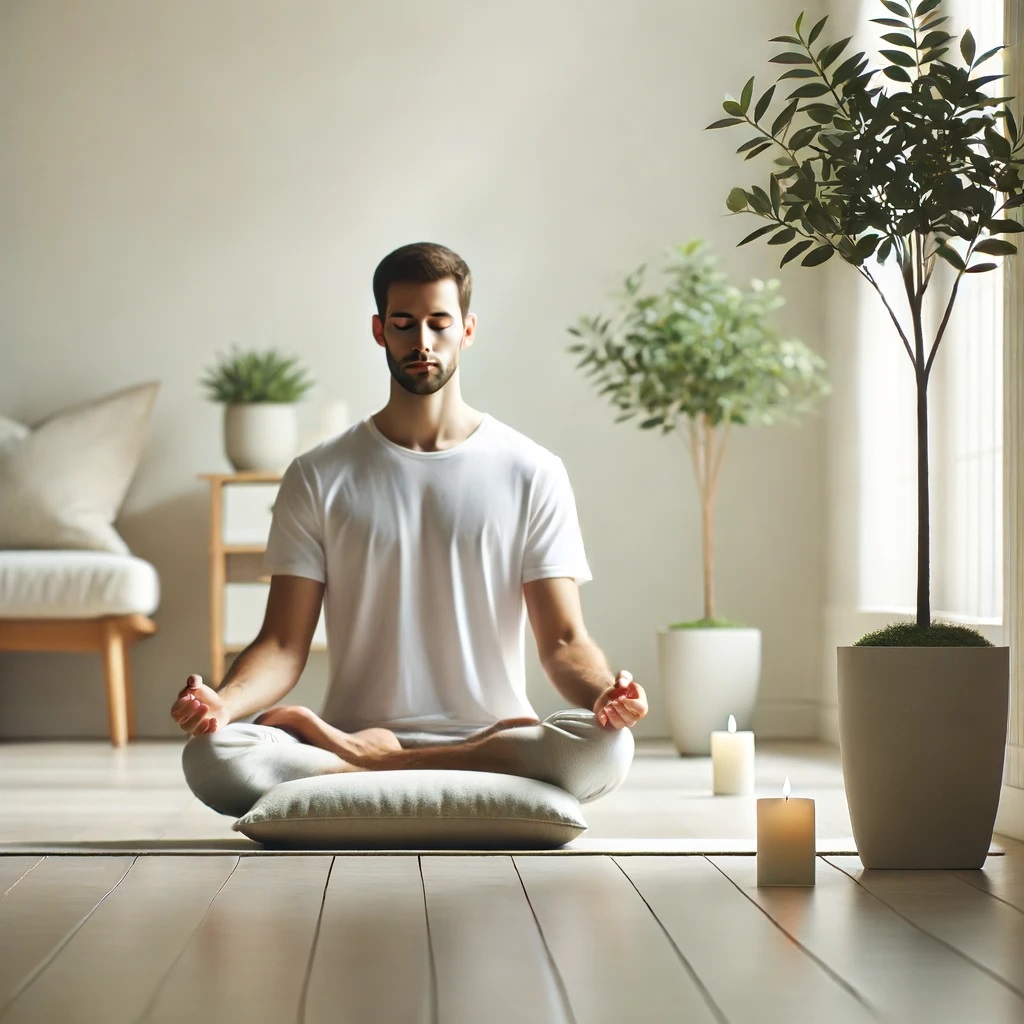
The Power of Solitude: How Embracing Alone Time Can Transform Your Mind and Soul

In a world that often glorifies busyness and social connection, the art of solitude is often undervalued. Yet, spending time alone can be profoundly healing and transformative. Embracing solitude allows you to reconnect with yourself, understand your desires, and cultivate inner peace. Here, we’ll explore the power of solitude, the benefits it brings to the mind and soul, and how to make the most of your alone time.


Why Solitude is Essential for Personal Growth

Solitude isn’t about isolation; it’s about connection—to yourself. When you spend time alone, you have the space to listen to your thoughts, process emotions, and gain clarity on what truly matters to you. Solitude allows for self-reflection, creativity, and a deeper understanding of who you are beyond external influences.

The Benefits of Embracing Solitude

  1. Enhanced Self-Awareness Solitude creates an opportunity for introspection. When you’re alone, you’re free from distractions and external expectations, allowing you to reflect on your thoughts, beliefs, and aspirations. This leads to greater self-awareness and understanding.
  2. Emotional Resilience Spending time alone helps you build emotional strength and resilience. Without the constant influence of others, you learn to process your emotions independently, becoming more comfortable with your feelings and developing inner strength.
  3. Increased Creativity and Clarity Solitude sparks creativity and problem-solving. Many artists, writers, and thinkers use solitude to generate ideas and find clarity. Time alone allows you to brainstorm freely, connect ideas, and explore creative expressions without interruption.
  4. Deep Inner Peace In solitude, you can disconnect from the noise and chaos of daily life. This quiet time helps you find inner peace, letting go of stress and anxiety. Solitude allows you to center yourself, reconnect with your inner calm, and recharge your spirit.

1. Establish a Regular “Solitude Session”

Just as you schedule social outings or work commitments, schedule regular time for solitude. This intentional alone time helps you recharge, reflect, and create a routine of self-connection.

  • How to Practice: Choose a specific time each day or week to disconnect from technology and be alone. Use this time for reflection, journaling, or simply enjoying quiet.

2. Create a Solo Ritual You Love

Rituals give structure to solitude, making it a cherished practice. Whether it’s morning coffee on your balcony or a solo sunset walk, choose an activity that feels restorative.

  • How to Practice: Dedicate a ritual to yourself, like making a cup of tea and enjoying it slowly, or taking a nature walk in the early morning. Make this ritual a sacred time of reflection.

3. Journal for Self-Discovery

Journaling is a powerful tool for self-discovery and introspection. It gives you a private space to express emotions, clarify goals, and explore your inner thoughts.

  • How to Practice: Set aside 10-15 minutes during your solitude session to write freely. Reflect on your dreams, emotions, or experiences, and let the process guide you to self-understanding.

4. Practice Mindful Observation

Solitude offers an opportunity to slow down and observe the world around you with fresh eyes. Practicing mindful observation deepens your sense of presence and appreciation for the moment.

  • How to Practice: During your solitude, focus on observing small details—like the play of light on a wall or the sounds of nature. Let yourself be fully present and notice the richness of each moment.

5. Embrace Silence

Silence can be one of the most profound experiences in solitude. Without external noise, silence helps you tune into your thoughts and feelings, promoting clarity and peace.

  • How to Practice: Find a quiet spot and embrace the silence for a few minutes. Avoid speaking, music, or other sounds. Allow your mind to settle and your spirit to recharge in the stillness.

6. Disconnect from Technology

Technology often disrupts our time alone, keeping us tethered to external stimulation. Disconnecting from screens helps you fully embrace solitude and be present with yourself.

  • How to Practice: Set your devices aside during solitude sessions. Embrace tech-free time to cultivate deeper connections within, without the distraction of notifications or social media.

7. Engage in Solo Creativity

Creativity flourishes in solitude, where your mind is free to wander without judgment. Use your alone time to express yourself creatively—whether it’s drawing, writing, playing music, or crafting.

  • How to Practice: Choose a creative activity you enjoy and let it be a form of self-expression. Allow yourself to explore freely, focusing on the process rather than the end result.

8. Reflect on Personal Goals and Aspirations

Solitude provides the perfect setting to reflect on your goals and desires. Without external opinions, you can tap into your authentic self and understand what truly drives you.

  • How to Practice: Spend time thinking about your aspirations and personal values. Consider journaling about your goals, where you see yourself in the future, and the steps to get there.

9. Practice Self-Compassion

Solitude is an ideal time to cultivate self-compassion. Use your time alone to practice kindness toward yourself, reflecting on your growth and accepting any imperfections.

  • How to Practice: During your solitude session, repeat self-compassionate affirmations or reflect on your accomplishments. Remind yourself that you are enough and embrace self-love.

10. Engage in a “Solo Adventure”

Exploring something new alone, like visiting a museum or going for a hike, builds independence and self-confidence. Solo adventures offer unique experiences that deepen your relationship with yourself.

  • How to Practice: Plan a simple solo outing, like trying a new coffee shop, hiking trail, or local event. Use this time to enjoy your own company and explore new experiences independently.

11. Read for Personal Growth and Reflection

Books offer a window into new ideas, perspectives, and self-discovery. Reading alone allows you to immerse yourself in knowledge that resonates with your values or aspirations.

  • How to Practice: Choose books that inspire growth and insight, like self-help, philosophy, or fiction with profound themes. Reflect on what you learn and how it relates to your own journey.

12. End with a Moment of Gratitude

Ending your solitude session with gratitude reinforces the positive impact of alone time. It grounds you, helping you recognize the value of this special time for self-renewal.

  • How to Practice: Reflect on one or two things you’re grateful for after each solitude session. It could be an insight you gained, a peaceful feeling, or simply the opportunity to spend time with yourself.

Conclusion

Embracing solitude is a powerful act of self-care and self-connection. It offers a space to slow down, reflect, and discover who you are beneath life’s noise and expectations. By incorporating solitude into your routine, you nurture a relationship with yourself that brings clarity, inner peace, and resilience. Start small, find practices that resonate with you, and let solitude become a cherished part of your life’s journey.


For more guidance on inner peace and personal growth, check out my book, The Mindful Executive: https://www.amazon.com/dp/B0D75YJCLW.
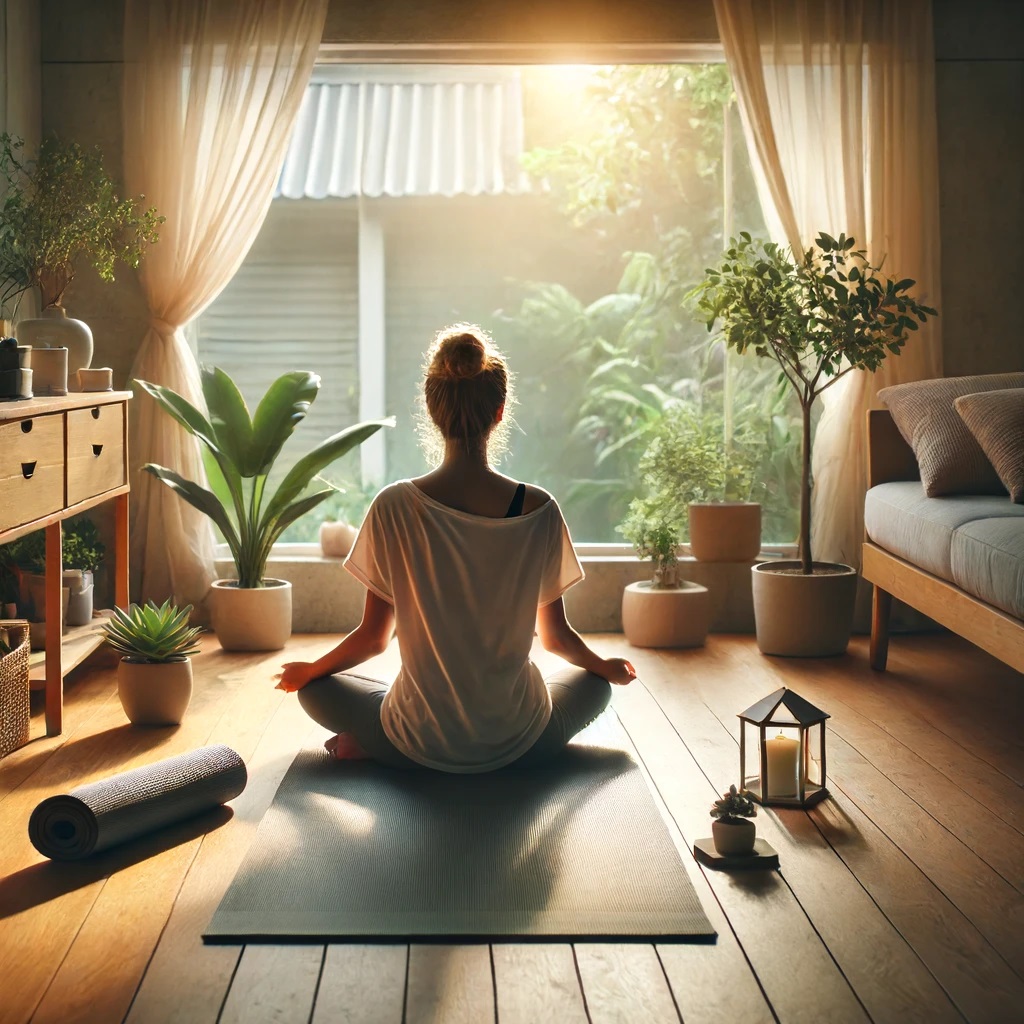
The Benefits of Meditation for Mental Health

Meditation offers numerous mental health benefits, from reducing stress to enhancing emotional well-being. Here’s how incorporating meditation into your daily routine can improve your mental health.

1. Reduces Stress

  • Example: Practicing mindfulness meditation for 10 minutes a day can significantly reduce stress levels. Focus on your breath and let go of any intrusive thoughts.
  • Story: John, a high-pressure sales executive, experienced high stress levels. After incorporating daily meditation, he felt calmer and more focused. John now uses meditation as his primary stress management tool.

2. Enhances Emotional Well-Being

  • Example: Guided meditations that focus on gratitude can improve mood and increase feelings of happiness.
  • Story: Maria, a teacher, struggled with negative emotions. She started a gratitude meditation practice and noticed a positive shift in her outlook on life. Maria now feels more content and emotionally balanced.

3. Improves Focus and Concentration

  • Example: Regular practice of concentration meditation can enhance cognitive abilities and attention span.
  • Story: Alex, a software developer, had difficulty concentrating on tasks. By meditating daily, he improved his focus and productivity. Alex now uses meditation to stay sharp and efficient at work.

Mindful Morning Routines: Start Your Day with Yoga and Meditation

Starting the day with a calm and focused mindset can significantly enhance your overall well-being and productivity. Integrating yoga and meditation into your morning routine helps you begin the day with clarity and energy.

Begin with Gentle Yoga: Kickstart your morning with gentle yoga poses to wake up your body and mind. Poses like Cat-Cow, Downward-Facing Dog, and Child’s Pose are excellent for stretching and energizing your body.

Example: Spend 10 minutes in the morning practicing these poses on a yoga mat in a quiet space. This helps improve flexibility and reduce morning stiffness.

Transition to Meditation: After yoga, transition to a meditation session. Find a comfortable seated position, close your eyes, and focus on your breath. Meditation helps calm the mind, reduce stress, and set a positive tone for the day.

Example: Practice meditation for 10-15 minutes. Use guided meditation apps if needed, focusing on deep breathing and mindfulness.

Create a Peaceful Environment: Set up a dedicated space for your morning routine. Ensure it’s quiet, clutter-free, and filled with natural light. Adding elements like plants, candles, or soft music can enhance the ambiance.

Example: Designate a corner of your room for yoga and meditation. Decorate it with calming colors and inspirational quotes to motivate you.

Consistency is Key: Consistency is essential for reaping the benefits of yoga and meditation. Make this routine a daily habit to experience long-term improvements in your mental and physical health.

Example: Stick to your routine even on busy days. The consistency will help you maintain balance and resilience throughout your daily challenges.

By starting your day with yoga and meditation, you cultivate mindfulness and serenity, preparing yourself for whatever the day may bring.