
The Mind-Body Connection: How Your Thoughts Directly Impact Your Physical Health

The ancient wisdom “as above, so below” takes on profound meaning when we explore the intricate relationship between our mental and physical states. The mind-body connection isn’t just a philosophical concept—it’s a scientifically proven reality that can transform how we approach health and healing.

Understanding the Science Behind Mind-Body Medicine

Your thoughts, emotions, and beliefs create measurable changes in your body’s chemistry. When you experience stress, anxiety, or negative emotions, your brain releases cortisol and adrenaline, triggering inflammation and compromising your immune system. Conversely, positive thoughts and emotions flood your system with beneficial hormones like serotonin, dopamine, and oxytocin, promoting healing and vitality.

Research from Harvard Medical School demonstrates that chronic stress can literally rewire your brain, affecting memory, decision-making, and emotional regulation. Meanwhile, practices like meditation and mindfulness create positive neuroplasticity, strengthening neural pathways associated with calm, focus, and resilience.

The Physical Manifestations of Mental States

Your body serves as a mirror for your inner world. Persistent worry often manifests as digestive issues, tension headaches, or insomnia. Suppressed anger may appear as inflammation, autoimmune conditions, or chronic pain. Fear and anxiety frequently show up as respiratory problems, heart palpitations, or muscle tension.

This isn’t to suggest that all physical ailments stem from mental causes, but rather to recognize the powerful influence our psychological state has on our physical well-being. Traditional Chinese Medicine and Ayurveda have understood this connection for millennia, treating the person as a whole rather than isolated symptoms.

Practical Ways to Harness Your Mind-Body Connection

Daily Mindfulness Practice Begin each day with five minutes of conscious breathing. This simple practice activates your parasympathetic nervous system, reducing stress hormones and promoting healing. Focus on deep, slow breaths, allowing your belly to expand with each inhale.

Emotional Awareness and Processing Create space to acknowledge and process your emotions rather than suppressing them. Journaling, meditation, or speaking with a trusted friend can prevent emotional energy from becoming trapped in your physical body.

Positive Visualization Spend time each day visualizing your body in perfect health. See your immune system strong and vibrant, your organs functioning optimally, and your energy flowing freely. Your subconscious mind doesn’t distinguish between vividly imagined experiences and reality, making visualization a powerful healing tool.

Gratitude Practice Cultivate genuine appreciation for your body and its incredible capabilities. Thank your heart for beating, your lungs for breathing, and your immune system for protecting you. This practice shifts your energy from criticism to celebration, promoting healing at the cellular level.

Movement as Medicine Choose physical activities that bring you joy rather than punishment. Whether it’s dancing, walking in nature, or gentle yoga, movement that feels good creates positive associations in your nervous system, enhancing both mental and physical well-being.

The Role of Belief in Healing

Your beliefs about your health significantly impact your healing capacity. The placebo effect demonstrates that believing in recovery can trigger real physiological changes, even without active treatment. Conversely, nocebo effects show how negative expectations can worsen symptoms or create new ones.

Examine your health beliefs honestly. Do you see your body as fragile or resilient? Do you believe in your capacity to heal, or do you feel powerless over your health? Shifting limiting beliefs to empowering ones can dramatically accelerate your healing journey.

Creating a Holistic Healing Environment

Your external environment influences your internal state. Surround yourself with beauty, whether through plants, art, music, or natural light. These elements signal safety to your nervous system, promoting relaxation and healing.

Equally important is your social environment. Supportive relationships boost immune function, while toxic relationships create chronic stress. Prioritize connections that nourish your soul and set boundaries with those that drain your energy.

Integrating Mind-Body Practices into Daily Life

Start small and build consistency. Choose one practice that resonates with you—perhaps morning meditation, evening gratitude, or midday breathing exercises. As this becomes habit, gradually add other elements.

Remember that healing isn’t linear. Your body may need time to release old patterns and integrate new ones. Be patient and compassionate with yourself throughout this process.

The Future of Holistic Health

As conventional medicine increasingly recognizes the mind-body connection, we’re seeing exciting developments in integrative care. Hospitals now offer meditation programs, doctors prescribe nature therapy, and research validates ancient healing practices.

This shift represents a return to treating humans as complete beings rather than collections of symptoms. By embracing the mind-body connection in your own life, you become part of this healing revolution.

Your thoughts are powerful medicine. Use them wisely, and watch as your entire being transforms from the inside out. The journey to optimal health begins not just with what you put in your body, but with what you allow in your mind.


For deeper insights into transforming your relationship with health and wellness through mindful practices, explore “The Path to Wellness: A Journey of Self-Discovery and Healing” – a comprehensive guide to creating lasting change in your well-being journey.
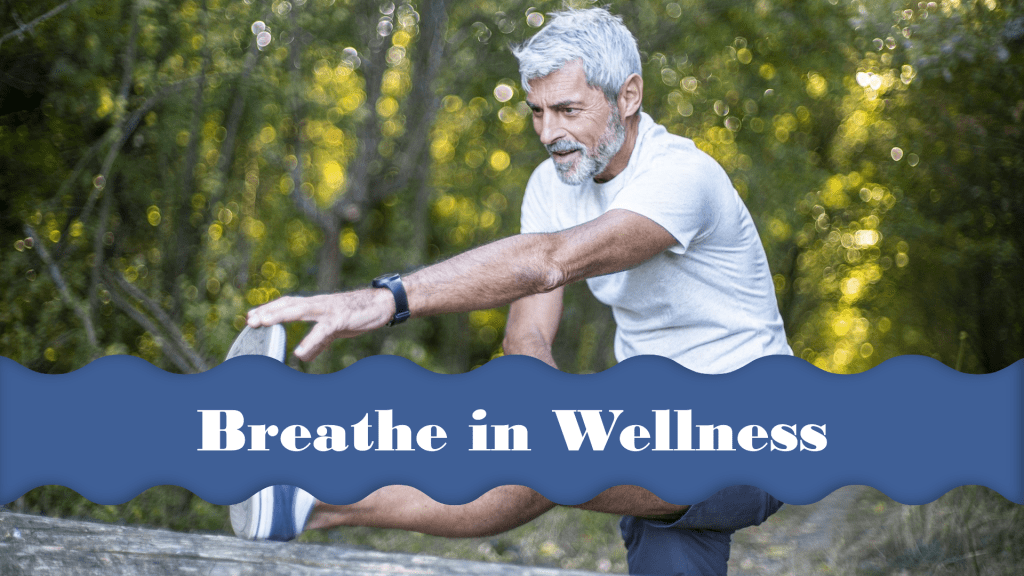

Transform Your Health with Breathwork Techniques

Breathing is something we do automatically, but did you know that how you breathe can directly impact your stress levels, energy, immunity, and mental clarity? Breathwork, or conscious breathing, is a scientifically-backed practice that enhances physical, emotional, and mental well-being. From boosting oxygen levels to calming the nervous system, breathwork is a powerful, free, and accessible tool that can transform your health.

Let’s dive into the science behind breathwork, its benefits, and simple breathing techniques to incorporate into your daily life.


1. The Science of Breathwork: How It Affects the Body

Breathing is more than just oxygen exchange—it influences every system in the body.

  • Oxygen & CO2 Balance: Proper breathing ensures an optimal oxygen-carbon dioxide balance, which is key for energy production and brain function.
  • Nervous System Regulation: Deep breathing activates the parasympathetic nervous system, reducing stress and anxiety.
  • Detoxification: 70% of the body’s toxins are expelled through breathing! Proper breathwork improves detox and cellular function.
  • Heart Rate & Blood Pressure: Slow breathing reduces heart rate variability, stabilizing blood pressure and promoting cardiovascular health.
  • Pro Tip: Even one minute of deep breathing can lower cortisol levels and improve mental clarity.

2. The Benefits of Conscious Breathwork

Breathwork has been studied for its profound impact on physical and emotional health.

✔️ Reduces Stress & Anxiety – Lowers cortisol and soothes the nervous system.
✔️ Enhances Lung Capacity – Strengthens lung function for better endurance.
✔️ Boosts Immunity – Supports cellular oxygenation and detox.
✔️ Improves Focus & Clarity – Increases oxygen to the brain for sharper thinking.
✔️ Aids Sleep & Relaxation – Slows heart rate and promotes deep sleep.

  • Pro Tip: Morning breathwork boosts energy, while evening breathwork promotes calm.

3. 5 Powerful Breathwork Techniques for Different Needs

💨 1. Box Breathing (Best for Focus & Stress Relief)

  • How to Practice:
    • Inhale for 4 seconds, hold for 4 seconds, exhale for 4 seconds, hold for 4 seconds.
    • Repeat for 5 minutes for instant calm and clarity.
  • Best Time to Use: Before meetings, during stress, or when feeling overwhelmed.

🌊 2. 4-7-8 Breathing (Best for Relaxation & Sleep)

  • How to Practice:
    • Inhale for 4 seconds, hold for 7 seconds, exhale for 8 seconds.
    • Repeat 4-6 times before bed to relax.
  • Best Time to Use: Before sleep or during high-stress moments.

🔥 3. Bhastrika (Best for Energy & Mental Clarity)

  • How to Practice:
    • Inhale deeply, then forcefully exhale through the nose in quick bursts.
    • Continue for 30 seconds, rest, and repeat.
  • Best Time to Use: Morning or mid-afternoon when energy dips.

🌿 4. Alternate Nostril Breathing (Best for Balance & Calmness)

  • How to Practice:
    • Close the right nostril, inhale through the left; close the left nostril, exhale through the right.
    • Repeat for 5 minutes to restore balance.
  • Best Time to Use: Morning or during emotional stress.

💭 5. Deep Belly Breathing (Best for Anxiety & Digestion)

  • How to Practice:
    • Place one hand on your belly, inhale deeply through the nose, feeling the belly expand.
    • Exhale slowly through the mouth, feeling the belly fall.
  • Best Time to Use: Anytime you feel stressed or need a reset.
  • Pro Tip: Experiment with different techniques to see what works best for you.

4. How to Integrate Breathwork Into Your Daily Routine

Breathwork is simple to incorporate into your morning, work, and evening routines.

☀️ Morning: Energize your day with Bhastrika or Box Breathing.
💻 Work Breaks: Use Alternate Nostril or Box Breathing for stress relief.
🌙 Evening: Relax with 4-7-8 or Deep Belly Breathing before sleep.

  • Pro Tip: Set reminders on your phone to take breathing breaks throughout the day.

5. Breathwork and Emotional Healing

Breathwork isn’t just about physical health—it helps release stored emotions and trauma.

🧘‍♀️ Conscious Breathing Helps:
✔️ Process suppressed emotions.
✔️ Increase self-awareness and clarity.
✔️ Support emotional resilience during tough times.

  • Pro Tip: Combine breathwork with journaling or meditation for deeper healing.

Conclusion

Your breath is a powerful, built-in tool for healing, focus, and emotional balance. By practicing breathwork regularly, you can reduce stress, improve sleep, and boost energy—all in just a few minutes a day. Try one technique today, and experience the difference mindful breathing can make!


For more mindfulness insights, check out my book, The Mindful Executive: https://www.amazon.com/dp/B0D75YJCLW.

Master Holistic Time Management for Productivity

In our quest for productivity, it’s easy to forget that time management is not just about checking tasks off a list—it’s about creating a life that feels balanced and meaningful. Holistic time management combines traditional productivity techniques with mindfulness and self-care, ensuring that your time is spent in alignment with your values and well-being. Let’s explore how you can master holistic time management to balance productivity and wellness seamlessly.


1. Define Your Priorities with Purpose

Productivity starts with clarity. Knowing your priorities helps you focus on what truly matters.

  • How to Practice:
    • Identify your top 3-5 life priorities (e.g., family, health, career, personal growth).
    • Break these priorities into actionable, time-specific goals.
  • Pro Tip: Use a weekly reflection ritual to reassess and realign your priorities.

2. Embrace the Power of Single-Tasking

Multitasking may seem efficient, but it often leads to stress and decreased focus. Single-tasking helps you work with intention.

  • How to Practice:
    • Focus on one task at a time, setting a timer for 25-30 minutes of dedicated work.
    • Eliminate distractions by silencing notifications and clearing your workspace.
  • Pro Tip: Try the Pomodoro Technique to balance focus and breaks effectively.

3. Incorporate Time for Self-Care

Productivity should never come at the expense of your well-being. Scheduling self-care ensures you stay energized and focused.

  • How to Practice:
    • Dedicate time each day for activities that nurture your mind and body, like exercise, meditation, or reading.
    • Block off “non-negotiable self-care time” in your calendar.
  • Pro Tip: Treat self-care as an essential task, not an optional one.

4. Use the 80/20 Rule

The Pareto Principle suggests that 80% of results come from 20% of efforts. Focus on the most impactful tasks to maximize productivity.

  • How to Practice:
    • At the start of each day, identify the top two or three tasks that will create the greatest impact.
    • Prioritize these tasks over smaller, less significant ones.
  • Pro Tip: Review your completed tasks weekly to identify what made the biggest difference.

5. Practice Time Blocking for Balance

Time blocking is a powerful tool for structuring your day and ensuring balance between work, rest, and play.

  • How to Practice:
    • Divide your day into blocks of time dedicated to specific activities, like focused work, exercise, or family time.
    • Stick to your schedule as closely as possible while allowing flexibility for unexpected events.
  • Pro Tip: Color-code your blocks for visual clarity (e.g., blue for work, green for self-care).

6. Schedule Downtime for Reflection

Rest and reflection are essential components of holistic time management. Taking breaks helps prevent burnout and fosters creativity.

  • How to Practice:
    • Build small breaks into your day, such as 5-minute stretches or a 10-minute walk.
    • Dedicate 30 minutes weekly to reflect on your progress and adjust your goals.
  • Pro Tip: Use your downtime to practice mindfulness or gratitude.

7. Set Boundaries to Protect Your Time

Without boundaries, your schedule can quickly become overwhelmed with demands that don’t align with your priorities.

  • How to Practice:
    • Learn to say no to requests that don’t serve your goals or well-being.
    • Communicate your boundaries clearly and respectfully to others.
  • Pro Tip: Use phrases like, “I’d love to help, but I don’t have the capacity right now.”

8. Minimize Digital Distractions

Technology can be a significant time-waster if not managed mindfully. Reducing digital distractions helps you stay focused and present.

  • How to Practice:
    • Set specific times to check emails and social media.
    • Use apps like Freedom or Focus@Will to limit screen time during work hours.
  • Pro Tip: Create a tech-free zone or time period each day to fully unplug.

9. Align Your Schedule with Your Energy Cycles

Understanding your natural energy patterns allows you to plan tasks when you’re at your peak performance.

  • How to Practice:
    • Observe your energy levels throughout the day and identify when you feel most alert and focused.
    • Schedule high-priority tasks during your peak energy times and lighter tasks during lulls.
  • Pro Tip: Experiment with adjusting your schedule until it feels aligned with your rhythm.

10. Celebrate Small Wins

Recognizing and celebrating your accomplishments fosters motivation and a positive mindset.

  • How to Practice:
    • At the end of each day, write down one or two wins, no matter how small.
    • Reward yourself for completing significant tasks, like enjoying a favorite snack or taking a relaxing break.
  • Pro Tip: Use a gratitude journal to reflect on your progress and accomplishments.

Conclusion

Holistic time management isn’t about doing more—it’s about doing what matters in a way that honors your well-being. By prioritizing your values, focusing on impactful tasks, and incorporating self-care into your schedule, you can create a balanced, fulfilling life. Start small, stay consistent, and let holistic time management guide you toward greater productivity and wellness.


For more strategies on living mindfully and achieving balance, check out my book, The Mindful Executive: https://www.amazon.com/dp/B0D75YJCLW.

How Weekly Reflection Can Enhance Your Well-Being

Life moves quickly, and it’s easy to lose sight of your goals, emotions, and progress amidst the daily hustle. Incorporating a weekly reflection ritual can be a game-changer, offering clarity, focus, and personal growth. Reflection allows you to reconnect with yourself, assess your week, and set intentions for the days ahead. Let’s explore how this simple practice can transform your life and provide you with actionable steps to start your journey of self-discovery and balance.


1. Why Reflection Matters

Reflection helps you gain insight into your actions, emotions, and habits. It creates a bridge between your current self and your aspirations.

  • Key Benefits:
    • Enhances self-awareness
    • Improves decision-making
    • Boosts emotional resilience
  • Pro Tip: Think of reflection as a way to “reset” your week with purpose and intention.

2. Designate a Weekly Check-In Time

Consistency is key to building a reflection habit. Choose a time that feels relaxed and uninterrupted.

  • How to Practice:
    • Schedule 30 minutes to an hour each week—Sunday evenings or Friday afternoons are popular choices.
    • Set up a quiet, comfortable space for reflection.
  • Pro Tip: Use calming aids like candles or soft music to create a soothing atmosphere.

3. Use Guided Questions to Structure Your Reflection

Thoughtful questions help you dive deeper into your experiences and emotions.

  • Example Prompts:
    • What were my biggest wins this week?
    • What challenges did I face, and how did I handle them?
    • How did I care for my physical, mental, and emotional health?
    • What am I grateful for this week?
    • What can I improve on next week?
  • Pro Tip: Keep a list of prompts handy to rotate for variety.

4. Reflect on Your Goals and Progress

Weekly check-ins are an opportunity to assess your progress toward short- and long-term goals.

  • How to Practice:
    • Review your goals and note any steps you’ve taken.
    • Adjust your plans if needed to stay aligned with your priorities.
  • Pro Tip: Celebrate small wins to stay motivated and encouraged.

5. Acknowledge and Process Your Emotions

Ignoring emotions can lead to burnout and stress. Use your reflection time to process feelings and reset your emotional state.

  • How to Practice:
    • Identify emotions you experienced during the week—both positive and negative.
    • Ask yourself, “What triggered these feelings, and how did I respond?”
  • Pro Tip: Journaling your emotions can help you uncover patterns and insights.

6. Practice Gratitude During Reflection

Gratitude shifts your perspective from what’s lacking to what’s abundant, fostering a sense of contentment.

  • How to Practice:
    • Write down 3-5 things you’re grateful for each week.
    • Reflect on how these moments brought joy or meaning to your life.
  • Pro Tip: Share your gratitude with someone close to strengthen your connection.

7. Set Intentions for the Upcoming Week

Reflection isn’t just about looking back—it’s also about preparing for what’s ahead.

  • How to Practice:
    • Identify 1-3 priorities or intentions for the coming week.
    • Be specific and actionable (e.g., “I will meditate for 10 minutes each morning”).
  • Pro Tip: Write your intentions somewhere visible to stay focused.

8. Incorporate Mindfulness into Your Reflection

Being fully present during your check-in helps you connect with your thoughts and feelings more deeply.

  • How to Practice:
    • Begin your reflection with a brief meditation or deep breathing exercise.
    • Focus on the present moment without judgment.
  • Pro Tip: Use a mindfulness app like Calm or Insight Timer for guided support.

9. Track Your Reflections for Growth

Keeping a record of your reflections helps you notice patterns and track your personal growth over time.

  • How to Practice:
    • Use a journal, app, or template to document your weekly check-ins.
    • Review past entries periodically to see how far you’ve come.
  • Pro Tip: Highlight significant milestones or breakthroughs in your entries.

10. Create a Closing Ritual

Ending your reflection with a ritual helps you transition into the next phase of your week with clarity and purpose.

  • How to Practice:
    • Light a candle, recite a mantra, or engage in a symbolic act like closing your journal.
    • Visualize the week ahead and how you want to feel.
  • Pro Tip: Choose a ritual that feels meaningful and aligns with your values.

Conclusion

Weekly reflections are a powerful tool for self-discovery, growth, and balance. By carving out time to pause, assess, and realign, you can approach each week with greater clarity and intention. Start small, stay consistent, and watch as this practice transforms your mindset, habits, and overall well-being.


For more insights on mindfulness and personal growth, check out my book, The Mindful Executive: https://www.amazon.com/dp/B0D75YJCLW.

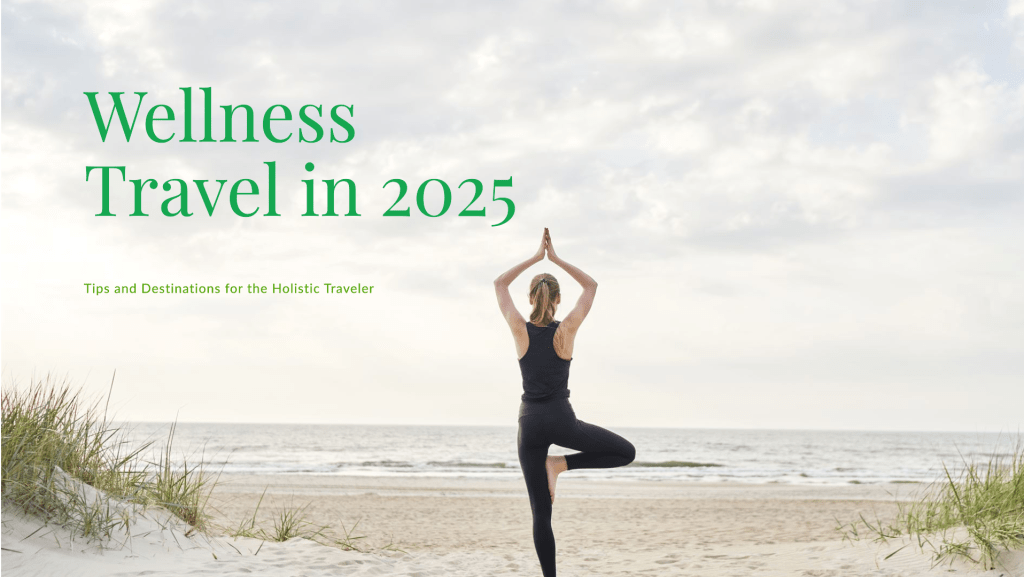
The Holistic Traveler: Wellness-Focused Destinations and Tips for 2025

Traveling offers the perfect opportunity to reset, recharge, and reconnect with yourself. By combining exploration with wellness, holistic travel allows you to nourish your mind, body, and soul while discovering the world. In 2025, wellness-focused destinations and mindful travel practices are leading the way for those seeking meaningful experiences. Here’s your guide to planning the ultimate holistic getaway.


1. Seek Out Wellness Retreats

Wellness retreats provide structured programs designed to enhance physical, mental, and emotional well-being.

  • Top Destinations:
    • Bali, Indonesia: Known for yoga retreats and lush, tranquil surroundings.
    • Sedona, Arizona: Famous for its energy vortexes and spiritual healing.
    • Kerala, India: Home to Ayurvedic treatments and serene backwaters.
  • Pro Tip: Look for retreats that offer a mix of activities, such as meditation, nature walks, and personalized wellness consultations.

2. Embrace Nature-Based Escapes

Immersing yourself in nature promotes mental clarity, stress relief, and a sense of connection to the earth.

  • Top Activities:
    • Hiking in New Zealand’s Fiordland National Park.
    • Forest bathing in Japan’s serene woodlands.
    • Stargazing in Chile’s Atacama Desert.
  • Pro Tip: Choose accommodations that prioritize sustainability, like eco-lodges or glamping sites.

3. Explore Mindful Urban Getaways

Even bustling cities can offer moments of peace and mindfulness if you know where to look.

  • Mindful Cities:
    • Kyoto, Japan: Experience Zen gardens and traditional tea ceremonies.
    • Copenhagen, Denmark: Known for its hygge-inspired wellness culture.
    • Vancouver, Canada: Enjoy scenic city parks and waterfront yoga.
  • Pro Tip: Include visits to museums, art galleries, or cultural workshops to deepen your urban experience.

4. Dive Into Healing Waters

Water has long been associated with renewal and healing, making destinations with thermal springs, spas, or pristine beaches ideal for relaxation.

  • Healing Waters Destinations:
    • Blue Lagoon, Iceland: Soak in mineral-rich geothermal waters.
    • Baden-Baden, Germany: Indulge in world-class spa experiences.
    • Maldives: Rejuvenate by crystal-clear oceans and tranquil beaches.
  • Pro Tip: Pair water therapies with meditation or journaling for deeper renewal.

5. Embark on Spiritual Journeys

Spiritual travel allows you to explore deeper questions about purpose and connection while visiting sacred places.

  • Sacred Sites:
    • Rishikesh, India: The yoga capital of the world.
    • Machu Picchu, Peru: A mystical Incan site surrounded by breathtaking nature.
    • Mount Shasta, USA: Believed to be a source of healing and spiritual energy.
  • Pro Tip: Research the history and significance of each destination to enhance your experience.

6. Savor Mindful Culinary Adventures

Holistic travel isn’t just about where you go—it’s also about what you eat. Mindful culinary experiences emphasize fresh, local, and sustainable ingredients.

  • Culinary Destinations:
    • Tuscany, Italy: Discover farm-to-table meals and wine tastings.
    • Chiang Mai, Thailand: Learn to cook authentic Thai dishes.
    • Morocco: Enjoy vibrant flavors from tagines to mint tea.
  • Pro Tip: Take a local cooking class or visit a farmers’ market to immerse yourself in the food culture.

7. Practice Digital Detox While Traveling

Disconnecting from technology during your trip enhances mindfulness and allows you to fully experience the moment.

  • How to Practice:
    • Limit phone usage to specific times for photos or navigation.
    • Carry a journal to record memories instead of relying on social media.
  • Pro Tip: Choose accommodations without Wi-Fi or digital distractions to make unplugging easier.

8. Travel Light for a Stress-Free Experience

Packing minimally reduces stress and allows you to focus on the experience rather than your belongings.

  • Packing Tips:
    • Choose versatile clothing that can be mixed and matched.
    • Bring essential wellness items like a travel yoga mat or compact aromatherapy diffuser.
  • Pro Tip: Use packing cubes to stay organized and make unpacking a breeze.

9. Engage in Local Wellness Traditions

Embracing wellness practices unique to your destination deepens your connection to the culture and enhances your journey.

  • Examples:
    • Turkish hammam (bath) in Istanbul, Turkey.
    • Acupuncture in Beijing, China.
    • Traditional Nordic sauna in Finland.
  • Pro Tip: Research customs and etiquette to show respect for local traditions.

10. Build Restorative Travel Routines

Maintaining a sense of routine while traveling helps you stay balanced and energized.

  • How to Practice:
    • Start each day with 5-10 minutes of stretching or meditation.
    • Schedule downtime between activities to recharge.
  • Pro Tip: Carry wellness essentials like herbal teas, a reusable water bottle, and sleep aids for comfort on the go.

Conclusion

Holistic travel is about more than exploring new places—it’s about nurturing your well-being, fostering connection, and creating memories that inspire growth. Whether you’re soaking in healing waters, hiking in nature, or discovering local traditions, these wellness-focused travel practices can transform your journey into an experience of renewal and joy. Plan your next trip with intention, and let the world become your sanctuary.


For more insights on living mindfully and creating balance, check out my book, The Mindful Executive: https://www.amazon.com/dp/B0D75YJCLW.

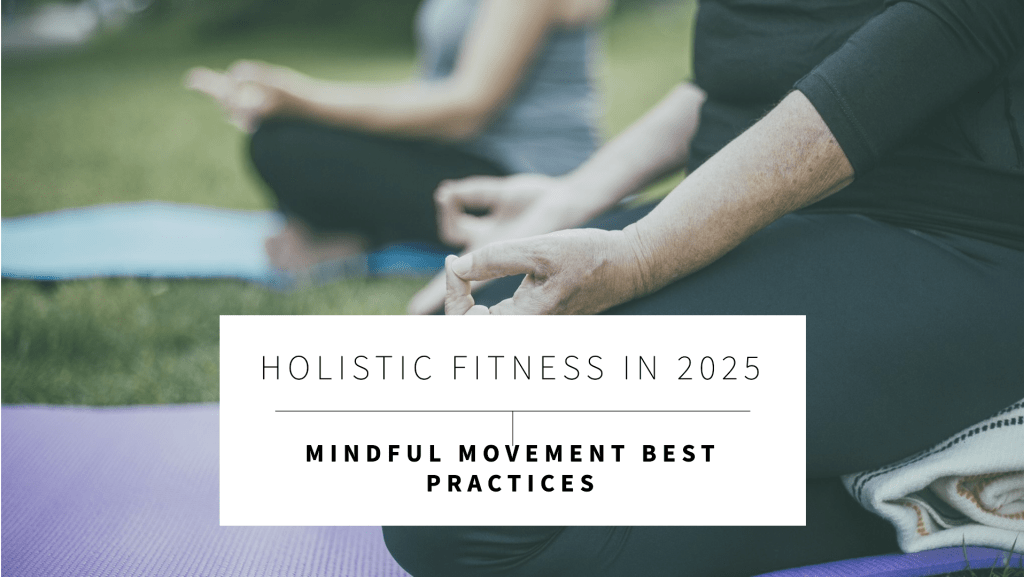
Mindful Movement: The Best Practices for Holistic Fitness in 2025

Fitness isn’t just about physical strength or appearance—it’s about creating harmony between your body, mind, and spirit. Mindful movement practices prioritize connection and presence, helping you achieve holistic wellness. As we move into 2025, integrating mindful fitness into your routine can elevate your health, reduce stress, and bring deeper fulfillment to your workouts. Here are the best mindful movement practices to embrace this year.


1. Yoga for Flexibility and Inner Peace

Yoga is a timeless practice that promotes strength, flexibility, and mindfulness. It combines movement with breath, grounding you in the present moment.

  • How to Practice:
    • Begin with beginner-friendly poses like Child’s Pose, Cat-Cow, or Downward Dog.
    • Focus on your breathing to enhance the connection between body and mind.
  • Pro Tip: Explore different styles like Hatha for relaxation or Vinyasa for a dynamic flow.

2. Tai Chi for Balance and Energy Flow

Known as “meditation in motion,” Tai Chi is a slow, flowing martial art that improves balance, flexibility, and energy circulation.

  • How to Practice:
    • Follow a Tai Chi video or join a local class to learn the foundational moves.
    • Practice outdoors to enhance the connection with nature.
  • Pro Tip: Combine Tai Chi with deep breathing to amplify its calming effects.

3. Dance as Creative Expression

Dance is a joyful way to connect with your body while expressing emotions and creativity. It boosts cardiovascular health and enhances mood.

  • How to Practice:
    • Put on your favorite music and dance freely in your living room.
    • Try dance-based workouts like Zumba or ecstatic dance for guided movement.
  • Pro Tip: Focus on how movement feels rather than how it looks.

4. Walking Meditation for Grounding

Walking meditation combines the benefits of gentle exercise with mindfulness. It’s a perfect way to calm your mind while staying active.

  • How to Practice:
    • Walk at a slow, deliberate pace, focusing on the sensation of your feet touching the ground.
    • Notice the sights, sounds, and smells around you as you walk.
  • Pro Tip: Practice walking meditation in a park or quiet area to deepen the experience.

5. Pilates for Core Strength and Focus

Pilates emphasizes controlled movements, core strength, and alignment, making it a mindful and effective workout.

  • How to Practice:
    • Start with beginner exercises like the Hundred or Roll-Up.
    • Concentrate on maintaining proper form and controlled breathing.
  • Pro Tip: Use resistance bands or a stability ball to enhance your practice.

6. Qi Gong for Vitality and Relaxation

Qi Gong is an ancient Chinese practice that combines gentle movements, breathing techniques, and meditation to cultivate energy and vitality.

  • How to Practice:
    • Follow a guided Qi Gong session to learn simple, flowing movements.
    • Practice daily for 10-15 minutes to feel its calming effects.
  • Pro Tip: Visualize energy flowing through your body during each movement.

7. Swimming for Mind-Body Synchrony

Swimming offers a full-body workout that soothes the mind and strengthens the body. The rhythmic nature of swimming promotes mindfulness.

  • How to Practice:
    • Focus on your breathing and the feeling of water supporting your body.
    • Experiment with different strokes to keep your routine engaging.
  • Pro Tip: Swim in natural bodies of water for a deeper connection with nature.

8. Stretching for Relaxation

Stretching not only improves flexibility but also calms the nervous system and releases tension stored in the body.

  • How to Practice:
    • Dedicate 5-10 minutes to stretching after your workouts or before bed.
    • Hold each stretch for at least 20-30 seconds, breathing deeply.
  • Pro Tip: Focus on areas where you tend to carry tension, like your shoulders or hips.

9. Strength Training with Intention

Strength training can be a mindful practice when approached with focus and purpose. Lifting weights mindfully enhances both physical and mental strength.

  • How to Practice:
    • Pay attention to your form and the sensation of your muscles working.
    • Breathe deeply and exhale during exertion for better focus and control.
  • Pro Tip: Use lighter weights and slower movements to build control.

10. Nature-Based Exercise for Serenity

Exercising in nature combines physical activity with the therapeutic effects of the outdoors, reducing stress and boosting well-being.

  • How to Practice:
    • Go for a hike, practice yoga in a park, or jog along a nature trail.
    • Pause to take in the beauty of your surroundings.
  • Pro Tip: Make it a weekly ritual to exercise outdoors for a mood boost.

Conclusion

Mindful movement transforms fitness into a holistic practice, fostering balance and connection between your body, mind, and spirit. By exploring these practices, you can create a fitness routine that aligns with your values and promotes overall well-being. Start small, experiment with different approaches, and find what resonates with your unique journey toward holistic fitness.


For more inspiration on living mindfully and embracing balance, check out my book, The Mindful Executive: https://www.amazon.com/dp/B0D75YJCLW.

Manifesting Your Goals with Holistic Vision Boards

A vision board is a powerful tool to align your goals and aspirations with your energy. But what if you infused it with holistic elements? A holistic vision board focuses not just on external achievements but also on nurturing your mind, body, and spirit. By combining visualization, intention-setting, and mindfulness, you can create a vision board that resonates deeply with your personal values and wellness goals. Let’s explore how to manifest your dreams through this creative and transformative process.


1. Understand the Power of Vision Boards

Vision boards work by tapping into the Law of Attraction, where visualizing your goals can help bring them to reality. A holistic vision board goes beyond material desires, focusing on harmony, well-being, and inner peace.

  • Why It Works: Seeing your goals daily keeps them at the forefront of your mind, creating a sense of alignment and motivation.
  • Pro Tip: Think about how you want to feel when achieving your goals, not just what you want to achieve.

2. Gather Your Materials

Creating a vision board is a hands-on, creative process. Gather materials that inspire you and represent your aspirations.

  • What You Need:
    • A board or large piece of cardboard
    • Magazines, photos, printed images, or art supplies
    • Glue, scissors, markers, and stickers
  • Pro Tip: Use recycled or sustainable materials to keep your vision board eco-friendly.

3. Define Your Holistic Goals

Before starting, take time to reflect on what you want to manifest in all areas of your life—health, relationships, career, personal growth, and spirituality.

  • How to Define Goals:
    • Write down your intentions in each area.
    • Focus on goals that nurture your holistic well-being, like “cultivate mindfulness,” “improve physical fitness,” or “build meaningful connections.”
  • Pro Tip: Use a journaling session or meditation to clarify your intentions.

4. Incorporate Visual and Emotional Elements

The power of a vision board lies in the connection between your visuals and emotions. Choose images, words, and symbols that resonate deeply with your aspirations.

  • How to Practice:
    • Select visuals that evoke the feelings you want to experience (e.g., calm, joy, confidence).
    • Include affirmations or mantras like “I am at peace” or “I am capable of growth.”
  • Pro Tip: Add personal photos or drawings for a unique, meaningful touch.

5. Use Color Psychology

Colors have a profound impact on mood and energy. Integrate color psychology into your vision board to amplify its effectiveness.

  • Examples of Colors:
    • Blue: Peace and calm
    • Green: Growth and health
    • Yellow: Positivity and energy
    • Purple: Creativity and spirituality
  • Pro Tip: Use a cohesive color palette to make your vision board visually appealing and energizing.

6. Include Holistic Themes

A holistic vision board incorporates elements that reflect balance and well-being. Go beyond traditional goals to focus on your inner state and lifestyle choices.

  • Themes to Include:
    • Mindfulness: Images of meditation or peaceful nature scenes
    • Wellness: Photos of healthy meals or exercise
    • Connection: Visuals of meaningful relationships or community
    • Joy: Symbols of hobbies, travel, or creative pursuits
  • Pro Tip: Add quotes or poetry that inspires you.

7. Make It Interactive

An interactive vision board encourages engagement and keeps your goals dynamic. This helps you stay motivated and connected to your aspirations.

  • How to Practice:
    • Use sticky notes for goals that may evolve.
    • Include a section for tracking progress, like a gratitude list or small milestones.
  • Pro Tip: Place your board where you’ll see it daily, such as near your desk or in a meditation corner.

8. Visualize Your Goals Daily

Visualization bridges the gap between intention and action. Spending even a few minutes each day with your vision board can strengthen your focus and motivation.

  • How to Practice:
    • Spend 5 minutes each morning visualizing yourself achieving your goals.
    • Focus on the emotions you feel in that reality.
  • Pro Tip: Pair this practice with deep breathing or a morning affirmation.

9. Refresh and Revisit Your Board

As you grow and your goals evolve, your vision board should adapt to reflect your current aspirations.

  • How to Practice:
    • Review your board monthly or quarterly to update goals or add new inspirations.
    • Celebrate milestones by adding symbols of success, like a star or heart sticker.
  • Pro Tip: Take a photo of your vision board to keep a digital version on your phone for motivation on the go.

Conclusion

A holistic vision board is more than a collection of images—it’s a powerful tool for manifesting a balanced, intentional life. By focusing on your mind, body, and spirit, you create a visual reminder of the life you’re working toward. Take time to craft your board thoughtfully, reflect on it daily, and embrace the journey of turning your aspirations into reality.


For more insights on setting intentions and creating balance, check out my book, The Mindful Executive: https://www.amazon.com/dp/B0D75YJCLW.

The Art of Slow Living: How Embracing Simplicity Can Transform Your Life

In today’s fast-paced world, we’re often encouraged to do more, achieve more, and consume more. However, the philosophy of “slow living” offers a refreshing alternative. Rooted in mindfulness and intentionality, slow living encourages us to savor the present, focus on meaningful connections, and live with purpose. Embracing this approach can transform your life, helping you find peace, clarity, and fulfillment in simplicity.


What is Slow Living?

Slow living is a lifestyle movement focused on the quality of life rather than the quantity of achievements or possessions. It’s about slowing down to appreciate the present moment, finding joy in simplicity, and making mindful choices that align with your values. Contrary to what some may think, slow living isn’t about idleness but about purposeful action and intentional choices.


1. Savoring Daily Rituals

Everyday routines can become moments of joy and mindfulness when approached with intention. From brewing coffee in the morning to winding down at night, savoring daily rituals brings peace and presence.

  • How to Embrace It: Dedicate time to enjoy your daily routines. For example, when making your morning coffee, focus on the aroma, warmth, and taste. Turn off distractions and allow yourself to be fully present.

2. Mindful Consumption

In slow living, consumption is about quality, not quantity. It encourages thoughtful choices that support a sustainable lifestyle and reduce waste.

  • How to Embrace It: When buying something new, ask yourself if it aligns with your values, will bring lasting joy, or is a necessity. Embrace mindful shopping by choosing eco-friendly and ethically made products.

3. Prioritizing Meaningful Relationships

Rather than spreading yourself thin with numerous social connections, slow living encourages nurturing deep, meaningful relationships that enrich your life.

  • How to Embrace It: Spend time with people who uplift and inspire you. Practice active listening, engage in deeper conversations, and create shared experiences instead of relying on technology to stay connected.

4. Connecting with Nature

Nature has a grounding, calming effect that helps us slow down. Spending time outdoors connects us to the earth, helping us find peace and gain perspective.

  • How to Embrace It: Make time for daily walks, weekend hikes, or simply sitting in your backyard. Notice the colors, textures, and sounds around you. Use nature as a reminder of life’s natural rhythm.

5. Embracing Minimalism

Minimalism and slow living go hand in hand, as both focus on simplifying and letting go of what doesn’t serve you. Embracing minimalism creates space in your home and mind, leaving room for peace and intention.

  • How to Embrace It: Start by decluttering one area of your life, whether it’s your wardrobe, kitchen, or digital files. Keep items that bring you joy or serve a meaningful purpose, and let go of the rest.

6. Focusing on Purposeful Work

Slow living encourages pursuing work that aligns with your values and passions. It’s not about productivity for productivity’s sake, but about meaningful contributions.

  • How to Embrace It: Reflect on the work that truly brings you fulfillment. Whether it’s through your job or personal projects, focus on activities that have a positive impact and bring you joy.

7. Taking Time for Self-Care and Reflection

Self-care is integral to slow living. It’s about nurturing yourself, both physically and emotionally, to sustain a balanced life.

  • How to Embrace It: Prioritize moments of self-care and reflection. This could be as simple as journaling, reading, or enjoying a long bath. Use this time to recharge and realign with your values.

8. Practicing Intentional Media Consumption

The fast flow of information can lead to overwhelm and distraction. Slow living invites us to be intentional with media, choosing quality over quantity.

  • How to Embrace It: Limit your screen time and choose media that aligns with your values. Curate your feeds to include content that inspires and uplifts you, and avoid unnecessary scrolling.

9. Cooking and Eating Mindfully

Food is a fundamental part of life, and cooking mindfully connects you to the process of nourishing your body. Eating slowly enhances the experience and allows you to appreciate flavors, textures, and aromas.

  • How to Embrace It: Prepare meals with intention, using fresh, whole ingredients. Sit down to eat without distractions, savoring each bite and being grateful for the food on your plate.

10. Saying “No” More Often

Slow living means valuing your time and energy, which often means saying “no” to things that don’t align with your priorities. This creates space for what truly matters.

  • How to Embrace It: Practice saying “no” to unnecessary commitments, toxic relationships, or activities that drain you. Instead, make time for activities that nurture and inspire you.

11. Honoring Rest and Relaxation

Rest is an essential part of a balanced life. In slow living, rest isn’t seen as a reward but as a necessity for mental and physical well-being.

  • How to Embrace It: Embrace naps, sleep in when you need to, and avoid over-scheduling. Create a relaxing evening routine that helps you wind down, allowing for restful, rejuvenating sleep.

12. Celebrating Small Moments

Slow living is about appreciating the simple, beautiful moments in life. It teaches us that happiness isn’t only found in grand achievements but in everyday experiences.

  • How to Embrace It: Take time each day to celebrate small wins, joyful moments, or quiet times of reflection. Whether it’s watching a sunset, reading a good book, or laughing with loved ones, these moments are the essence of a fulfilled life.

Conclusion

Embracing slow living isn’t about completely transforming your life overnight. It’s about making small, intentional changes that lead to a simpler, more meaningful existence. By prioritizing what truly matters, you create a life of peace, balance, and purpose. Choose one or two practices to start, and gradually build a lifestyle that aligns with your unique values and goals.


For more inspiration on living mindfully and with purpose, check out my book, The Mindful Executive: https://www.amazon.com/dp/B0D75YJCLW.

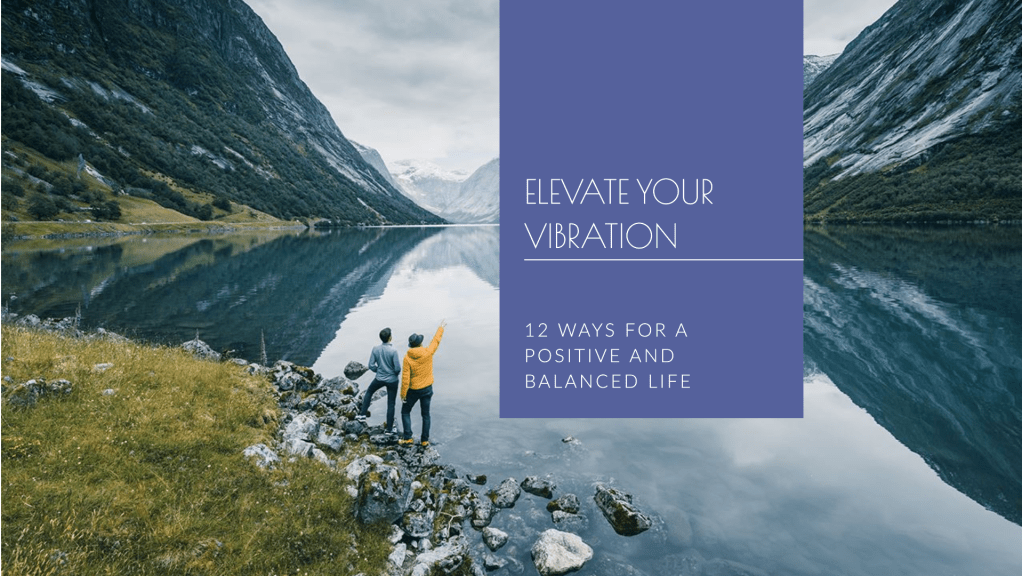
12 Ways to Elevate Your Vibration for a Positive and Balanced Life

Raising your vibration is about aligning your energy with positivity, balance, and inner peace. When you operate at a higher vibrational frequency, you attract positivity, connect more deeply with yourself, and experience an overall sense of well-being. Here are 12 transformative practices to help you elevate your vibration, creating a harmonious, energized life.


1. Practice Daily Gratitude

Gratitude is a powerful way to raise your vibration by shifting focus to the positive aspects of your life. Acknowledging even small blessings can bring joy, which uplifts your entire energy.

  • How to Practice: Each day, write down three things you’re grateful for, focusing on the feeling of gratitude. Reflecting on these moments with appreciation helps create a positive mindset.

2. Nourish Your Body with High-Vibration Foods

The foods we consume have their own energy. Fresh fruits, vegetables, whole grains, and other unprocessed foods carry high vibrational energy, enhancing both your physical and mental well-being.

  • How to Practice: Incorporate more whole foods into your diet, focusing on colorful fruits, leafy greens, and foods rich in antioxidants. Avoid processed foods, which tend to carry lower vibrational energy.

3. Connect with Nature Regularly

Nature’s pure, grounding energy naturally raises your vibration. Time outdoors helps calm the mind, balances energy, and provides a sense of connectedness.

  • How to Practice: Spend at least 10-15 minutes each day in nature. Walk barefoot on grass, sit under a tree, or enjoy the beauty around you to feel grounded and recharged.

4. Practice Forgiveness to Release Negative Energy

Holding onto grudges or resentment lowers your vibration. Practicing forgiveness allows you to release negative energy, freeing up space for love, compassion, and positivity.

  • How to Practice: Reflect on any resentment you may be holding. Visualize releasing it, focusing on the benefits of letting go. This can be a silent practice or one done through journaling.

5. Meditate to Center and Elevate Your Energy

Meditation brings clarity, reduces stress, and raises your energy by aligning your mind with calmness and positivity. It creates a peaceful inner environment conducive to higher vibrations.

  • How to Practice: Dedicate 5-10 minutes daily to meditation. Focus on your breath or use a mantra that resonates with you, like “peace” or “love,” to cultivate calm and elevate your energy.

6. Listen to High-Vibrational Music

Sound has a powerful impact on our mood and energy. High-frequency music, such as 432 Hz or 528 Hz tunes, can calm your mind, clear negativity, and raise your vibrational state.

  • How to Practice: Listen to soothing or uplifting music that resonates with you. Spend time each day listening to calming sounds or songs with positive lyrics.

7. Surround Yourself with Positive Influences

The people and environment around you can affect your vibration. Spending time with those who uplift and inspire you helps maintain a high-energy state, while negative influences can bring you down.

  • How to Practice: Be mindful of the people you spend time with and the media you consume. Choose influences that bring positivity, support, and inspiration into your life.

8. Practice Self-Love and Positive Self-Talk

How you speak to yourself affects your vibrational energy. Embracing self-love and kindness raises your vibration, promoting confidence, resilience, and inner peace.

  • How to Practice: Consciously replace self-critical thoughts with affirmations and positive language. Try affirmations like “I am worthy” or “I radiate love” to reinforce a positive self-image.

9. Engage in Acts of Kindness

Giving and receiving kindness generates positive energy. Acts of kindness—big or small—benefit both the giver and receiver, raising the vibration of everyone involved.

  • How to Practice: Perform small acts of kindness daily, such as helping someone, offering a compliment, or expressing gratitude. Notice how each act lifts your mood and energy.

10. Use Crystals for Energetic Balance

Crystals like amethyst, rose quartz, and clear quartz are known for their high vibrations and balancing effects. Working with crystals can help align your energy with calm and positivity.

  • How to Practice: Keep a crystal nearby or carry it with you. Hold it during meditation or set an intention with it to amplify your energy and keep your vibration high.

11. Declutter Your Space for a Clean Energy Flow

Clutter can create stagnant energy, lowering your vibration. An organized, clean space helps energy flow freely and promotes a calm, positive atmosphere.

  • How to Practice: Set aside time each week to declutter your space, starting with small areas like your desk or bedroom. Clearing physical clutter can help you feel more mentally and emotionally open.

12. Practice Visualization to Manifest Positivity

Visualization allows you to focus on positive outcomes, helping you create a high-vibration mindset. Imagining your goals and dreams helps align your thoughts and energy with what you want to attract.

  • How to Practice: Spend a few minutes each day visualizing positive outcomes. Picture yourself achieving your goals, feeling happy and fulfilled. This practice aligns your vibration with your aspirations.

Conclusion

Elevating your vibration is about cultivating positive energy, releasing negativity, and connecting with practices that nourish your mind, body, and spirit. By adopting even a few of these practices, you can create a balanced, vibrant life that aligns with your highest self. Remember, small actions add up, and as you consistently choose practices that elevate you, your energy will naturally shift to a higher frequency.


For more guidance on living a balanced and high-vibration life, check out my book, The Mindful Executive: https://www.amazon.com/dp/B0D75YJCLW.

15 Types of Self-Care Practices to Nurture Your Mind, Body, and Spirit

Self-care is about more than treating yourself—it’s a commitment to nurturing your well-being in ways that support your mental, physical, and spiritual health. True self-care is a balanced blend of habits and practices that align with your personal needs and values. Here are 15 diverse types of self-care practices to inspire you, each offering unique benefits to your mind, body, and spirit.


1. Physical Movement for Vitality

Engaging in physical activity boosts energy, improves mood, and supports overall health. Movement is a powerful form of self-care that directly benefits both mind and body.

  • How to Practice: Try gentle activities like yoga, walking, or stretching if you’re looking for relaxation, or energizing exercises like running or dance to uplift your mood.

2. Mindful Meditation for Inner Peace

Meditation is a mental practice that promotes clarity and calmness. It allows you to observe your thoughts and feelings without judgment, fostering a sense of inner peace.

  • How to Practice: Dedicate 5-10 minutes each day to mindfulness meditation, focusing on your breath. Allow thoughts to come and go as you bring your attention back to the present.

3. Digital Detox for Mental Clarity

Constant digital engagement can clutter your mind and create stress. Taking intentional breaks from screens helps you reconnect with the present and clear mental clutter.

  • How to Practice: Set a daily or weekly time to unplug from screens. Use this time to read, connect with loved ones, or spend time outdoors.

4. Journaling for Emotional Expression

Writing down your thoughts and feelings helps you process emotions, gain insights, and release negativity. Journaling provides a safe space to explore your inner self.

  • How to Practice: Spend a few minutes each day or week writing about your thoughts, goals, or feelings. Don’t worry about structure—let your words flow freely.

5. Breathwork for Relaxation

Controlled breathing exercises reduce stress, calm the nervous system, and promote mental clarity. Breathwork is a quick, effective tool for managing emotions.

  • How to Practice: Try deep belly breathing or the 4-7-8 technique (inhale for 4, hold for 7, exhale for 8). Repeat for a few cycles to feel grounded and centered.

6. Creative Expression for Joy

Creative activities like painting, writing, or playing music provide an emotional release and bring joy. Creativity allows you to express yourself in ways words cannot.

  • How to Practice: Dedicate time each week for a creative outlet. Approach it playfully, letting go of perfectionism and focusing on the joy of creating.

7. Time in Nature for Grounding

Nature has a grounding effect that helps you reconnect with yourself and reduces stress. Being outdoors promotes mindfulness and emotional well-being.

  • How to Practice: Spend 10-15 minutes outdoors each day, observing your surroundings. Whether it’s a walk in the park or sitting in your backyard, allow nature to calm your mind.

8. Gratitude Practice for Positive Perspective

Reflecting on gratitude shifts your focus from what you lack to what you have, fostering a positive outlook and resilience.

  • How to Practice: Write down three things you’re grateful for each day. Focus on small details that brought joy or peace, reinforcing a sense of abundance.

9. Massage Therapy for Physical Release

Massage relieves tension in the body and promotes relaxation. It’s a way to release stress and reconnect with your body through touch.

  • How to Practice: Schedule a professional massage when possible, or practice self-massage techniques on areas like the neck and shoulders.

10. Herbal Teas for Calmness

Herbal teas like chamomile, lavender, and peppermint provide natural relaxation. Tea rituals are comforting and can help reduce stress and anxiety.

  • How to Practice: Enjoy a calming tea each evening or during stressful times. Savor the flavor and aroma as a form of mindful self-care.

11. Decluttering for Mental Peace

A clean, organized space promotes mental clarity and reduces stress. Decluttering is a form of self-care that improves your environment and your mindset.

  • How to Practice: Set aside time each week to declutter a specific area, such as your desk or bedroom. Focus on creating a space that feels peaceful and organized.

12. Affirmations for Self-Love

Positive affirmations shift your inner dialogue, boosting self-esteem and resilience. They help you build a supportive, loving relationship with yourself.

  • How to Practice: Choose affirmations that resonate with you, like “I am enough” or “I deserve love.” Repeat them daily to reinforce a positive mindset.

13. Setting Boundaries for Emotional Balance

Setting boundaries protects your energy and helps you manage stress. It’s an essential practice for emotional health and self-respect.

  • How to Practice: Identify areas where you feel overextended and set limits. Communicate your boundaries with kindness and clarity, honoring your needs.

14. Sleep Hygiene for Restoration

Quality sleep is crucial for emotional and physical well-being. Good sleep hygiene helps you recharge, improves mood, and boosts mental clarity.

  • How to Practice: Create a relaxing bedtime routine, avoiding screens and caffeine before bed. Aim for 7-8 hours of rest each night for optimal health.

15. Acts of Kindness for Connection

Kindness towards others promotes positive feelings and a sense of connection. Giving back supports both your mental and emotional well-being.

  • How to Practice: Perform a simple act of kindness daily, like offering a compliment, helping someone, or volunteering. These small acts create positive energy and foster connection.

Conclusion

Self-care encompasses a wide range of practices that nurture your mind, body, and spirit. By incorporating these diverse self-care techniques into your routine, you create a holistic foundation for well-being. Choose practices that resonate with you and adapt them to your needs, creating a self-care routine that truly supports your life.


For more insights on self-care and well-being, check out my book, The Mindful Executive: https://www.amazon.com/dp/B0D75YJCLW.