

10 Ways to Balance Your Energy with Everyday Rituals

In our fast-paced world, it’s easy to feel off-balance and disconnected from our inner selves. Our energy gets depleted, scattered, and blocked by stress, unhealthy habits, and lack of mindfulness. Fortunately, you don’t need elaborate techniques to restore your energy and bring balance back into your life. Simple everyday rituals can help realign your mind, body, and spirit, allowing you to feel grounded, centered, and energized. Here are 10 ways to balance your energy through holistic and mindful practices.

1. Morning Grounding Rituals

Start your day by reconnecting with the earth through grounding. Walking barefoot on grass, sand, or soil for just a few minutes can help release negative energy and absorb the earth’s natural, stabilizing energy. This ritual helps balance your root chakra, providing a strong foundation for the rest of the day.

  • Tip: Try starting your morning with a short, mindful walk outside, focusing on the sensations of the ground beneath your feet.

2. Breathwork for Energy Flow

Breath is the bridge between your body and mind, and practicing mindful breathwork can help you balance your energy. Techniques like deep diaphragmatic breathing or alternate nostril breathing (Nadi Shodhana) can release stress, clear blocked energy pathways, and activate your body’s natural healing systems.

  • Tip: Spend 5 minutes practicing slow, deep breathing or alternate nostril breathing before starting your workday for enhanced focus and calm.

3. Crystal Energy Balancing

Crystals have been used for centuries to help balance energy. Different crystals resonate with various chakras and can support emotional, physical, and spiritual healing. Carrying crystals like amethyst for calming energy or citrine for positivity can subtly help balance your energy throughout the day.

  • Tip: Carry a small crystal in your pocket or wear one as jewelry to keep its energy close to your body.

4. Mindful Eating for Balanced Energy

The food we eat plays a significant role in how we feel. Eating mindfully not only nourishes your body but also helps maintain a steady flow of energy. Focus on whole, unprocessed foods rich in nutrients, and try to be fully present while eating—savoring every bite and appreciating the nourishment it provides.

  • Tip: Incorporate grounding foods like root vegetables (carrots, sweet potatoes) and leafy greens into your diet for sustained energy.

5. Use Essential Oils to Reset Your Energy

Aromatherapy is a powerful tool for balancing your energy. Essential oils like lavender can calm overactive energy, while oils like eucalyptus or peppermint can help uplift and refresh. Diffusing oils or applying them to pulse points helps bring your body’s energy back into alignment.

  • Tip: Keep a small roller of essential oils with you, and apply it when you need an energy boost or calming influence.

6. Chakra Meditation

Chakra meditation focuses on aligning and clearing the body’s energy centers. By focusing on each chakra (from the root to the crown), you can remove blockages and restore the free flow of energy throughout your system. This practice brings harmony between your physical, emotional, and spiritual bodies.

  • Tip: Spend 10 minutes meditating on each chakra, visualizing it glowing with light and spinning freely.

7. Hydration Ritual

Water is essential for maintaining energetic balance. Dehydration can block the natural flow of energy and cause sluggishness or fatigue. Drinking water with mindfulness—acknowledging its life-giving properties—helps connect you to the element of water, which is essential for cleansing and balancing.

  • Tip: Add a slice of lemon or cucumber to your water for added purification and refreshment.

8. Sound Healing for Energy Balance

Sound therapy, whether through listening to calming music, Tibetan singing bowls, or tuning forks, has the ability to restore energetic balance. Sound waves influence our brainwaves and can promote deep relaxation, realigning our internal energy.

  • Tip: Play calming music or sound healing tracks during moments of stress or before bed to help harmonize your body’s energy.

9. Create a Sleep Sanctuary

Sleep is when the body and mind naturally restore their energy. A cluttered, overstimulating sleep environment can hinder this process. Creating a sleep sanctuary—complete with soothing colors, dim lighting, and a clean, calm space—helps balance your energy overnight, leaving you refreshed in the morning.

  • Tip: Turn off electronics 30 minutes before bed and use soft lighting to create a calming atmosphere.

10. Daily Gratitude Ritual

Practicing gratitude is one of the simplest yet most powerful ways to balance your energy. When you focus on what you’re grateful for, you naturally raise your vibration and shift your energy to a more positive frequency. This practice opens up your heart chakra and enhances overall emotional well-being.

  • Tip: Keep a gratitude journal and write down three things you are grateful for every night before bed.

Conclusion

Balancing your energy doesn’t require grand changes. Small, mindful rituals can have a profound impact on your overall wellness. Whether it’s through grounding, breathwork, or crystal energy, these everyday practices can help you stay centered, grounded, and energetically aligned. Start with one or two rituals, and gradually build them into your daily routine to create a more balanced, harmonious life.


For more insights on integrating wellness practices into your daily life, check out my book, The Mindful Executive: https://www.amazon.com/dp/B0D75YJCLW.

Biohacking with Nature: Ancient Wisdom Meets Modern Wellness Technology

In a world where the line between technology and health is becoming increasingly blurred, there’s an exciting movement that’s taking wellness to new heights: biohacking. While this might conjure up images of futuristic gadgets and extreme diets, biohacking is also deeply rooted in ancient wisdom. By blending the time-tested practices of holistic health—like herbal remedies, meditation, and energy healing—with cutting-edge wellness technology, you can optimize your body and mind for peak performance. This integration of ancient and modern practices offers a unique path to ultimate well-being.

What Is Biohacking?

At its core, biohacking is the practice of making small, strategic changes to your body and lifestyle to enhance your overall health and well-being. These hacks range from dietary adjustments and sleep optimization to more advanced practices like wearable tech and cold therapy. The beauty of biohacking lies in its flexibility—you can mix and match what works for you, creating a personalized wellness routine.

But what makes it truly powerful is its overlap with holistic wellness, where the aim is not just physical optimization, but balance and harmony within the body.

Ancient Biohacks: The Wisdom of Holistic Practices

Before there were wearable devices or supplements designed to boost cognitive function, ancient cultures had their own ways of optimizing health and longevity. These time-tested practices are now being recognized for their biohacking potential:

  • Ayurveda: This ancient Indian system of medicine emphasizes balance through diet, exercise, and mindfulness. Ayurveda also utilizes adaptogenic herbs, like Ashwagandha, to manage stress—a natural biohack for modern lives.
  • Traditional Chinese Medicine (TCM): Practices like acupuncture, herbal medicine, and Qigong (a form of meditative movement) aim to balance the body’s energy (Qi). These methods work with the body’s natural healing processes, an early form of biohacking.
  • Indigenous Healing: Many indigenous cultures have long practiced natural medicine and healing, from using medicinal plants to incorporating rituals that align the mind, body, and spirit.

These ancient practices laid the foundation for modern biohacking by showing us how to tap into the body’s innate ability to heal and regenerate.

Modern Biohacking: The Tech-Savvy Approach to Wellness

In the digital age, biohacking has evolved into a sophisticated science that leverages technology to track and optimize various aspects of health. Some of the most popular modern biohacks include:

  • Wearable Technology: Devices like the Oura Ring or Fitbit help track your sleep, activity, and even heart rate variability (HRV), giving you real-time insights into your body’s needs. This data allows for personalized adjustments to sleep, fitness, and stress management.
  • Cold Therapy: Popularized by biohackers like Wim Hof, cold exposure (via ice baths or cryotherapy) activates the body’s natural defenses, boosting immunity and improving mental clarity.
  • Nootropics and Supplements: Biohackers often use brain-enhancing supplements, or nootropics, to boost focus, creativity, and mental stamina. These range from natural herbs like Rhodiola to more advanced stacks designed to optimize brain chemistry.

By combining these modern techniques with ancient practices, we create a biohacking system that is both holistic and highly personalized.

Bridging the Gap: How to Combine Ancient and Modern Biohacks

The key to unlocking your body’s full potential is to merge the wisdom of the past with the innovations of today. Here’s how you can integrate both:

  1. Start with the Basics: Mindfulness and Meditation Ancient practices like mindfulness and meditation are essential for grounding your biohacking efforts. By calming the mind and centering the body, you set the foundation for better health. Modern meditation apps like Headspace or Calm can enhance this practice with guided sessions tailored to your needs.
  2. Incorporate Adaptogens and Herbal Remedies Ancient herbal remedies, like those used in Ayurveda and TCM, can be combined with modern supplements to optimize your body’s stress response. Try using ashwagandha or holy basil as part of your daily routine to reduce cortisol levels and enhance mental clarity.
  3. Leverage Technology for Personalized Data Wearable devices allow you to monitor the effects of ancient practices on your health. Use a fitness tracker to see how meditation impacts your heart rate variability, or track your sleep cycles after taking adaptogens. This data-driven approach allows you to fine-tune your biohacking plan.
  4. Try Cold Exposure and Breathwork Cold therapy may sound modern, but it has roots in ancient practices. Indigenous cultures and Tibetan monks have used cold exposure and breathwork for centuries. Start small with cold showers and work your way up to ice baths, combining this practice with modern breathing techniques like those from the Wim Hof Method.
  5. Dietary Optimization with a Holistic Twist Combine intermittent fasting—a modern biohacking practice—with the principles of ancient diets like Ayurveda or TCM. Focus on balancing meals with seasonal foods and including medicinal herbs to enhance digestion and energy levels.

The Future of Biohacking: A Holistic Approach

As wellness continues to evolve, the future of biohacking is heading toward a more holistic approach. By incorporating ancient wisdom into modern wellness practices, we create a more sustainable and balanced way of optimizing health. This integration honors the body’s natural rhythms while leveraging technology to make wellness more accessible and personalized.

Conclusion

Biohacking isn’t just about high-tech gadgets and extreme diets—it’s about harnessing the best of both worlds: ancient wisdom and modern science. By blending practices like Ayurveda, TCM, and Indigenous healing with today’s technological advancements, we can create a powerful synergy that enhances our health, longevity, and overall well-being.

For more insights into the fusion of wellness and leadership, check out my book, The Mindful Executive: https://www.amazon.com/dp/B0D75YJCLW.

The Power of Mind-Body Connection: How Your Thoughts Influence Your Health

In today’s fast-paced world, the mind-body connection has become an essential topic of discussion among health enthusiasts, scientists, and spiritual leaders alike. The idea that our mental state can influence our physical health isn’t new, but it’s gaining more recognition and credibility as research continues to shed light on the profound impact our thoughts, emotions, and mental habits can have on our overall well-being.

1. Understanding the Mind-Body Connection

The mind-body connection is the concept that our thoughts, feelings, beliefs, and attitudes can positively or negatively affect our biological functioning. In other words, our minds have the power to influence our bodies, and vice versa. This connection is evident in everyday experiences — like how stress can lead to a headache or how a positive mindset can improve recovery from illness.

Research has shown that psychological stress can manifest physically, leading to various health problems, including heart disease, digestive issues, and a weakened immune system. Conversely, practices that promote mental well-being, such as mindfulness, meditation, and positive thinking, can enhance physical health and longevity.

2. The Science Behind the Connection

Several studies have explored how the mind-body connection works. For example, the field of psychoneuroimmunology examines how our mental and emotional states affect our immune system. When we’re stressed, our bodies release cortisol, a hormone that, in high levels, can suppress the immune system and increase the risk of disease.

Moreover, neuroplasticity — the brain’s ability to reorganize itself by forming new neural connections — plays a crucial role in how our thoughts and experiences shape our brain structure and function. Meditation and mindfulness practices have been shown to increase gray matter in the brain, improve emotional regulation, and reduce symptoms of anxiety and depression.

3. Practices to Strengthen the Mind-Body Connection

The good news is that there are several ways to enhance the mind-body connection and improve overall health. Here are some effective practices:

  • Mindfulness Meditation: Regular mindfulness meditation can help you become more aware of your thoughts and how they influence your emotions and physical sensations. This practice can reduce stress, improve focus, and enhance emotional resilience.
  • Breathwork: Controlled breathing exercises can help calm the nervous system, reduce stress, and improve mental clarity. Practices like diaphragmatic breathing, box breathing, or alternate nostril breathing are simple yet powerful tools to connect the mind and body.
  • Yoga: Yoga combines physical postures, breath control, and meditation to create a holistic practice that benefits both the mind and body. It has been shown to reduce stress, improve flexibility, and promote a sense of inner peace.
  • Journaling: Writing down your thoughts and feelings can help you process emotions and gain insight into how your mind influences your body. Journaling can also be a therapeutic practice for managing stress and anxiety.
  • Gratitude Practice: Focusing on gratitude can shift your mindset from negativity to positivity, which can have a profound impact on your physical health. Regularly acknowledging what you’re grateful for can improve your mood, boost your immune system, and even improve sleep quality.

4. Real-Life Examples of Mind-Body Healing

Many individuals have experienced profound healing through mind-body practices. For instance, cancer patients who incorporate mindfulness and meditation into their treatment plan often report reduced stress, less pain, and a better quality of life. Athletes, too, use visualization techniques to enhance their performance, demonstrating the powerful connection between the mind and physical capabilities.

5. Integrating Mind-Body Practices into Your Daily Life

It’s not necessary to overhaul your entire routine to benefit from the mind-body connection. Start small by incorporating one or two practices into your daily life:

  • Morning Mindfulness: Begin your day with a few minutes of mindfulness meditation to set a positive tone for the day.
  • Lunchtime Breathing Exercises: Take a few deep breaths before or after lunch to re-center and reduce stress.
  • Evening Journaling: Reflect on your day and jot down any thoughts or feelings that arise, helping you clear your mind before bed.

Conclusion

The mind-body connection is a powerful tool for enhancing overall health and well-being. By understanding and nurturing this connection, we can better manage stress, improve our physical health, and live more balanced, fulfilling lives. Start integrating these practices into your routine today and experience the transformative effects of a healthy mind-body relationship.

Call to Action: Ready to unlock the power of the mind-body connection? Visit our Holistic Wellness Guide for more tips, insights, and practices to help you achieve holistic health and well-being.

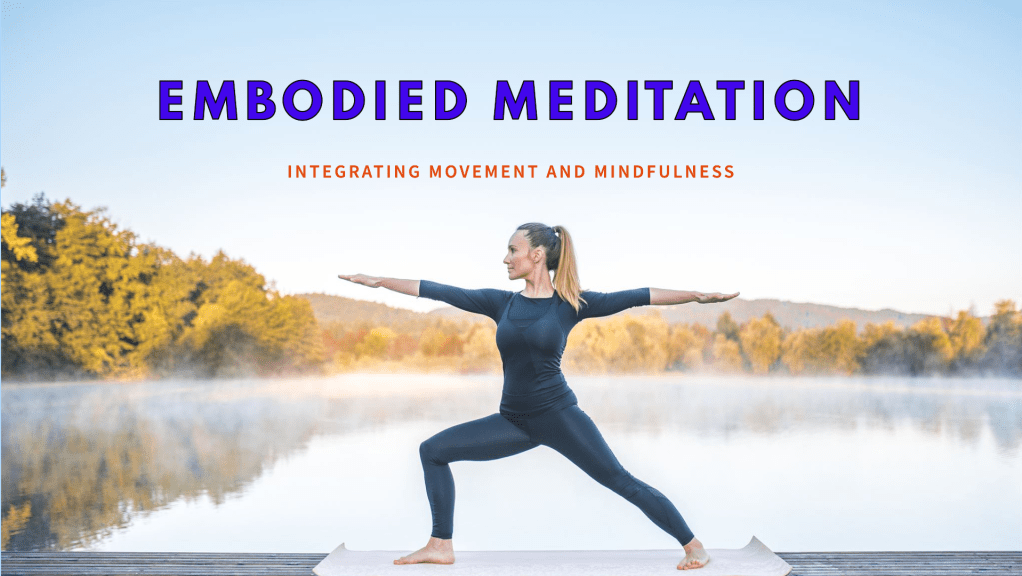
Embodied Meditation: Integrating Movement and Mindfulness for a Deeper Connection to Your Body

In the fast-paced world we live in, finding ways to connect deeply with our bodies and minds has become more essential than ever. Embodied meditation offers a unique approach that bridges the gap between traditional meditation practices and physical movement, allowing us to achieve a profound sense of mindfulness and holistic well-being.

The Concept of Embodied Meditation

Embodied meditation is not just about sitting still and focusing on your breath. It’s about becoming fully present in your body through mindful movement. Whether it’s through yoga, Tai Chi, or simple stretching exercises, embodied meditation encourages you to feel every sensation, notice every tension, and release every stressor held in your body. This practice is rooted in the understanding that our physical body holds emotions, memories, and stress, and by engaging in mindful movement, we can begin to release these stored energies and create a more harmonious state of being.

For example, in yoga, the focus is not only on the physical postures but also on the breath and the flow of energy within the body. Each movement is an opportunity to connect deeper with oneself, to understand the body’s needs, and to cultivate a sense of inner peace. The same principle applies to other forms of embodied meditation, such as Qi Gong, which integrates slow, deliberate movements with breath control and mental focus to promote healing and balance within the body.

Benefits of Embodied Meditation

  1. Enhanced Body Awareness
    • Embodied meditation helps you develop a deeper connection with your body, making you more aware of its signals. This heightened awareness can lead to better posture, reduced pain, and an overall improvement in physical health. As you move, you become more attuned to how your body feels, which can help in identifying areas of tension or discomfort that you may not have noticed otherwise.
  2. Reduction of Stress and Anxiety
    • By focusing on the physical sensations in your body, embodied meditation can help calm the mind and reduce stress. The physical act of moving with intention allows you to release pent-up energy and emotions, which can be particularly effective in managing anxiety and improving mental clarity. For instance, studies have shown that practices like Tai Chi and yoga can significantly reduce levels of cortisol, the stress hormone, in the body.
  3. Improved Emotional Resilience
    • Movement combined with mindfulness helps in processing emotions more effectively. When you engage in embodied meditation, you are not just moving your body; you are also moving through your emotions, allowing them to flow and release naturally. This can lead to greater emotional resilience, as you become better equipped to handle life’s challenges with a calm and centered mindset.
  4. Increased Focus and Mental Clarity
    • Engaging both the mind and body in meditation enhances cognitive function. When you practice embodied meditation, the mind is less likely to wander because it is actively engaged in coordinating movement and breath. This dual focus helps improve concentration, memory, and overall mental sharpness. According to a study published in the journal Frontiers in Psychology, regular practice of mindful movement can lead to significant improvements in attention and cognitive function.
  5. Holistic Health and Well-being
    • Embodied meditation is a holistic practice that benefits not just the mind, but the entire body. By integrating movement into your meditation practice, you are promoting circulation, flexibility, and strength, all of which contribute to overall health and longevity. Moreover, the mindful aspect of this practice ensures that you are not just going through the motions, but truly connecting with your body on a deeper level.

Practical Tips for Embodied Meditation

  1. Start with Simple Movements: Begin with movements you are comfortable with, such as gentle stretching or walking. The key is to focus on the sensations in your body as you move. Notice how your muscles feel, how your breath flows, and how your body responds to each movement.
  2. Incorporate Breath Awareness: Sync your movements with your breath. For example, as you stretch, inhale deeply to expand your body and exhale slowly to release tension. This not only enhances the meditative experience but also helps in regulating your nervous system.
  3. Be Present in Every Moment: It’s easy for the mind to wander, even during movement. If you find yourself lost in thought, gently bring your focus back to your body and the present moment. The more you practice, the easier it will become to stay grounded in your body.
  4. Use Guided Practices: If you’re new to embodied meditation, consider following a guided practice. There are numerous resources available online, such as guided yoga sessions or Tai Chi tutorials, that can help you get started.
  5. Reflect Post-Practice: After your session, take a few minutes to sit quietly and reflect on your experience. Notice any changes in your body, mind, or emotions. Journaling about your practice can also help deepen your awareness and track your progress over time.

Conclusion

Embodied meditation offers a unique path to mindfulness that incorporates the wisdom of the body into the meditative process. By combining movement with mindful awareness, you can deepen your connection to yourself, reduce stress, and enhance your overall well-being. Whether you’re looking to improve your mental clarity, emotional resilience, or physical health, embodied meditation is a powerful practice that can support your holistic journey.

Call to Action

Begin your journey with embodied meditation today and discover the profound benefits of integrating movement with mindfulness. Visit Holistic Wellness Guide for more insights and resources on how to incorporate this practice into your daily life.

#EmbodiedMeditation #Mindfulness #HolisticHealth #MindBodyConnection #StressRelief #Yoga #TaiChi #WellnessJourney #EmotionalResilience #HolisticWellness

Longevity Elixirs: Daily Drinks That Promote a Long and Healthy Life

Incorporating certain beverages into your daily routine can have a profound impact on your longevity and overall health. These drinks are packed with nutrients, antioxidants, and other health-boosting properties that can help you maintain vitality as you age. Here are some daily drinks that can support a long and healthy life:

1. Green Tea

Green tea is celebrated for its high levels of antioxidants, particularly catechins, which are known to reduce the risk of heart disease, improve brain function, and promote fat loss. Drinking green tea regularly can also help with weight management and may reduce the risk of certain cancers.

2. Lemon Water

Starting your day with a glass of lemon water can boost your immune system, thanks to its high vitamin C content. Lemon water also aids digestion, helps detoxify the liver, and keeps your skin glowing. It’s a simple but effective way to kickstart your day with hydration and health benefits.

3. Matcha

Matcha, a finely ground powder of specially grown green tea leaves, offers a more concentrated source of antioxidants compared to regular green tea. It provides a calm energy boost, enhances focus, and supports metabolism. Matcha is also known for its detoxifying properties and ability to protect the liver.

4. Turmeric Tea

Turmeric, a spice known for its anti-inflammatory and antioxidant properties, is the main ingredient in turmeric tea. Regular consumption can help reduce inflammation in the body, improve brain health, and lower the risk of chronic diseases like heart disease and cancer.

5. Bone Broth

Rich in collagen and minerals, bone broth supports joint health, improves skin elasticity, and promotes gut health. It’s also a great source of protein and can be soothing and nourishing, especially when consumed regularly as part of your diet.

6. Kombucha

Kombucha is a fermented tea that’s packed with probiotics, which promote a healthy gut microbiome. It also contains antioxidants and can help with digestion, boost your immune system, and support overall well-being.

7. Ginger Tea

Ginger tea is a powerful drink that can aid digestion, reduce nausea, and fight inflammation. It’s also beneficial for boosting the immune system and promoting cardiovascular health. Drinking ginger tea regularly can help you stay healthy and energized.

Conclusion

Incorporating these drinks into your daily routine can be a simple yet powerful way to enhance your health and longevity. Each of these beverages brings unique benefits that can help you maintain a balanced, healthy lifestyle as you age. Whether it’s a warm cup of green tea in the morning or a soothing ginger tea before bed, these drinks are easy to include in your diet and can contribute significantly to your well-being.

9 Things to Let Go of to Become a Stronger, Happier Person

1. Negative Self-Talk

2. Fear of Failure

  • Description: Fear of failure can paralyze your actions and prevent you from pursuing your goals. Embrace failure as a learning opportunity and a stepping stone to success.
  • Link: Forbes on Embracing Failure

3. Grudges and Resentment

  • Description: Holding onto grudges and resentment weighs you down emotionally. Practice forgiveness to free yourself from the past and focus on the present.
  • Link: Psychology Today on Forgiveness

4. Perfectionism

5. Toxic Relationships

6. Comparison with Others

7. Need for Approval

8. Unhealthy Habits

  • Description: Unhealthy habits such as poor diet, lack of exercise, and inadequate sleep can affect your physical and mental well-being. Adopt a healthier lifestyle for overall happiness.
  • Link: Mayo Clinic on Breaking Unhealthy Habits

9. Fear of Change

  • Description: Fear of change can prevent you from exploring new opportunities. Embrace change as a chance for growth and new experiences.
  • Link: Psychology Today on Embracing Change

Conclusion Letting go of these nine things can lead to a stronger, happier, and more fulfilling life. Focus on building positive habits and nurturing your mental and emotional health.

Call to Action: Start your journey towards a stronger, happier self today by letting go of these limiting factors. Visit Holistic Wellness Guide for more insights and tips on personal growth and happiness.

#PersonalGrowth #Happiness #MentalHealth #SelfImprovement #PositiveLiving #LetGo #HolisticWellness #EmotionalHealth #Wellbeing

7 Signs You Might Need a Magnesium Supplement

Magnesium is a crucial mineral that supports numerous bodily functions, including muscle and nerve function, blood sugar control, and bone health. Despite its importance, many people are unaware they might be deficient in magnesium. Here are seven signs that you might need a magnesium supplement.

1. Muscle Cramps and Spasms

2. Mental Health Issues

  • Description: Magnesium deficiency has been linked to mental health disorders such as anxiety and depression. This is because magnesium is involved in regulating neurotransmitters that send messages throughout the brain and nervous system.
  • Link: Psychology Today on Magnesium and Mental Health

3. Fatigue and Weakness

4. High Blood Pressure

5. Osteoporosis

6. Poor Sleep

7. Migraine Headaches

  • Description: Studies suggest that magnesium deficiency may be linked to migraine headaches. Magnesium can prevent the wave of brain signaling, called cortical spreading depression, which produces the visual and sensory changes typical of a migraine.
  • Link: American Migraine Foundation on Magnesium and Migraines

Conclusion

If you are experiencing any of these symptoms, it might be worth discussing with your healthcare provider whether a magnesium supplement could be beneficial for you. Ensuring adequate magnesium intake can significantly enhance your overall health and well-being.

Call to Action: Learn more about the importance of magnesium and explore supplement options to support your health by visiting Holistic Wellness Guide.

#Magnesium #Health #Wellness #Supplements #MentalHealth #MuscleCramps #Fatigue #BloodPressure #Osteoporosis #Sleep #Migraines

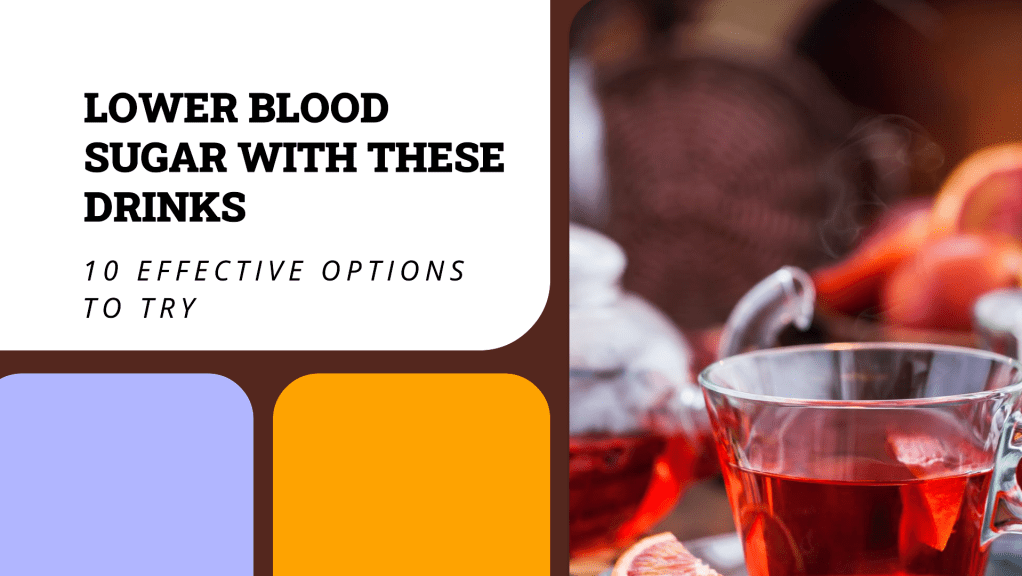
10 Effective Drinks to Lower Blood Sugar Levels

Managing blood sugar levels is crucial for overall health, especially for those with diabetes or pre-diabetes. Incorporating certain drinks into your daily routine can help lower blood sugar levels quickly and effectively. Here are ten healthy drinks and juices that can help manage your blood sugar levels.


1. Green Smoothies

Green smoothies made with leafy greens like spinach, kale, and cucumber are rich in fiber and antioxidants, which help regulate blood sugar levels.

Learn more: Healthline


2. Lemon Water

Lemon water is a refreshing drink that helps control blood sugar levels due to its high vitamin C content and antioxidants.

Discover the benefits: WebMD


3. Herbal Teas

Herbal teas, such as chamomile and hibiscus, have been shown to improve insulin sensitivity and lower blood sugar levels.

Explore more: Mayo Clinic


4. Apple Cider Vinegar Drink

Mixing apple cider vinegar with water and a bit of honey can help lower blood sugar levels and improve insulin sensitivity.

Learn how to make it: Medical News Today


5. Cinnamon Tea

Cinnamon is known for its ability to lower blood sugar levels. A cup of cinnamon tea can be a delicious way to incorporate this spice into your diet.

Read about the benefits: Healthline


6. Bitter Melon Juice

Bitter melon is a traditional remedy for lowering blood sugar levels. Its juice is particularly effective for managing diabetes.

Discover more: Diabetes.co.uk


7. Turmeric Milk

Turmeric has anti-inflammatory properties that help manage blood sugar levels. A warm cup of turmeric milk can be both soothing and beneficial.

Learn how to prepare it: Everyday Health


8. Aloe Vera Juice

Aloe vera juice is not only refreshing but also helps lower blood sugar levels due to its natural compounds.

Explore its benefits: Medical News Today


9. Fenugreek Water

Soaking fenugreek seeds in water overnight and drinking the water in the morning can help lower blood sugar levels.

Read more: WebMD


Call to Action: Incorporate these drinks into your daily routine to help manage your blood sugar levels naturally. For more tips on healthy living, visit Holistic Wellness Guide.

#HealthyLiving #BloodSugarControl #DiabetesManagement #NaturalRemedies #HealthyDrinks #Nutrition #Wellness

The Superpowers of Bell Peppers: Green, Red, and Yellow

Bell peppers, available in vibrant green, red, and yellow varieties, are not just colorful additions to your meals; they are packed with essential nutrients and health benefits. Let’s dive into the nutritional value and benefits of these superfoods, and how you can incorporate them into your diet for a healthier lifestyle.


Nutritional Benefits

1. Rich in Vitamins and Antioxidants

Bell peppers are loaded with vitamins A, C, and E. Red bell peppers, in particular, have the highest amount of vitamin C, which is crucial for boosting your immune system and promoting skin health. The antioxidants in bell peppers help combat oxidative stress and reduce inflammation.

Learn more about the nutritional benefits of bell peppers: Healthline


2. Low in Calories, High in Fiber

Bell peppers are low in calories, making them an excellent addition to any weight loss diet. They are also high in dietary fiber, which aids in digestion and keeps you feeling full longer.

Explore the weight loss benefits of bell peppers: WebMD


3. Supports Eye Health

The high levels of beta-carotene and lutein in bell peppers are beneficial for eye health. These compounds help prevent macular degeneration and cataracts, ensuring that your vision stays sharp as you age.

Discover more about bell peppers and eye health: American Academy of Ophthalmology


4. Promotes Heart Health

Bell peppers contain potassium, which helps regulate blood pressure, and fiber, which reduces cholesterol levels. These factors contribute to better heart health and reduce the risk of cardiovascular diseases.

Learn about heart health and bell peppers: Harvard Health


5. Boosts Immunity

The vitamin C content in bell peppers boosts your immune system, helping your body fight off infections and diseases more effectively. This makes them a great addition to your diet, especially during the cold and flu season.

Read about boosting immunity with bell peppers: Mayo Clinic


How to Incorporate Bell Peppers into Your Diet

1. Salads and Stir-Fries

Add chopped bell peppers to your salads and stir-fries for a crunchy texture and a burst of flavor. They pair well with a variety of vegetables and proteins.

2. Stuffed Bell Peppers

Fill bell peppers with a mixture of quinoa, black beans, corn, and cheese for a nutritious and satisfying meal.

3. Grilled or Roasted

Grill or roast bell peppers to bring out their natural sweetness. They make a delicious side dish or topping for sandwiches and burgers.

4. Smoothies

Blend bell peppers into your smoothies for an extra dose of vitamins and antioxidants. Their mild flavor blends well with fruits like strawberries and oranges.


Call to Action

Add the superpowers of bell peppers to your meals today and enjoy their numerous health benefits. For more healthy eating tips and recipes, visit Holistic Wellness Guide.

#HealthyEating #Superfoods #BellPeppers #Nutrition #Vitamins #WeightLoss #HeartHealth #ImmunityBoost

The Ultimate Evening Workouts for Weight Loss and Better Sleep

Finding the right time to exercise can significantly impact your weight loss journey and sleep quality. While morning workouts are popular, evening workouts have unique benefits. Here are six of the best evening workouts that can help you achieve your fitness goals and improve your sleep.


1. Evening Jogging

Jogging in the evening can help you unwind after a long day. It improves cardiovascular health and burns calories effectively. The cooler evening air can also make jogging more comfortable compared to the heat of the day.

Learn more about the benefits of evening jogging: Healthline


2. Yoga for Relaxation

Practicing yoga in the evening can be incredibly beneficial for both your body and mind. Yoga helps reduce stress, improve flexibility, and prepare your body for restful sleep. Poses like the child’s pose and savasana are perfect for winding down.

Explore evening yoga routines: Yoga Journal


3. Strength Training

Evening strength training can boost your metabolism and promote muscle growth. Exercises like weight lifting, resistance band workouts, and bodyweight exercises are effective ways to build strength and burn calories.

Discover effective strength training exercises: Verywell Fit


4. Cycling

Cycling in the evening is a great cardiovascular workout that can help with weight loss. It’s a low-impact exercise that’s easy on the joints and allows you to enjoy the outdoors or use a stationary bike indoors.

Find cycling tips and benefits: Bicycling


5. Swimming

Swimming is an excellent full-body workout that can be done in the evening to promote relaxation and weight loss. It’s a low-impact exercise that can help improve cardiovascular health and build muscle.

Learn more about the benefits of swimming: Swim England


6. Pilates

Pilates is a great way to improve core strength, flexibility, and posture. Evening Pilates sessions can help reduce stress and tension in your body, making it easier to fall asleep.

Explore Pilates routines: Pilates Foundation


Call to Action

Incorporate these evening workouts into your routine to maximize weight loss and enhance your sleep quality. For more tips and wellness guides, visit Holistic Wellness Guide.

#Fitness #EveningWorkouts #WeightLoss #BetterSleep #Yoga #StrengthTraining #Cycling #Swimming #Pilates #HealthyLiving