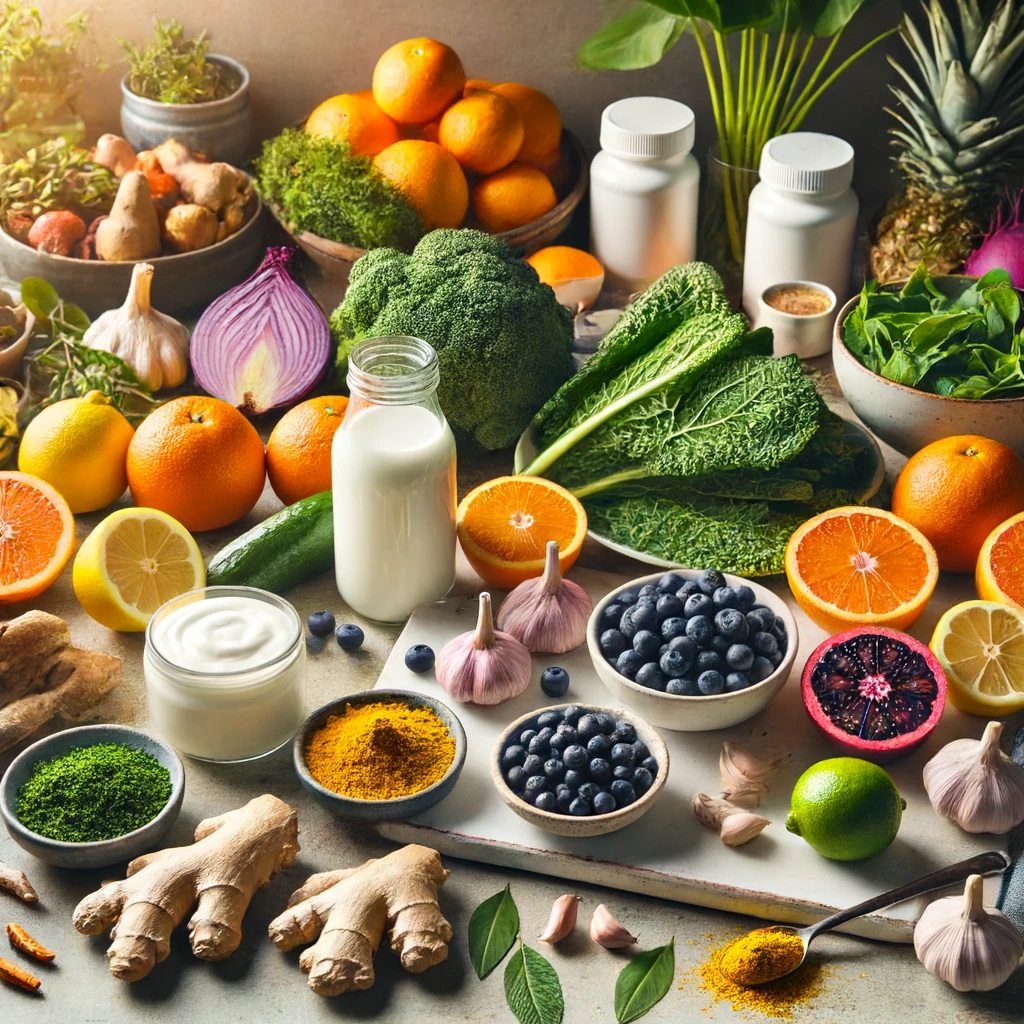
The Superpowers of Bell Peppers: Green, Red, and Yellow

Bell peppers, available in vibrant green, red, and yellow varieties, are not just colorful additions to your meals; they are packed with essential nutrients and health benefits. Let’s dive into the nutritional value and benefits of these superfoods, and how you can incorporate them into your diet for a healthier lifestyle.


Nutritional Benefits

1. Rich in Vitamins and Antioxidants

Bell peppers are loaded with vitamins A, C, and E. Red bell peppers, in particular, have the highest amount of vitamin C, which is crucial for boosting your immune system and promoting skin health. The antioxidants in bell peppers help combat oxidative stress and reduce inflammation.

Learn more about the nutritional benefits of bell peppers: Healthline


2. Low in Calories, High in Fiber

Bell peppers are low in calories, making them an excellent addition to any weight loss diet. They are also high in dietary fiber, which aids in digestion and keeps you feeling full longer.

Explore the weight loss benefits of bell peppers: WebMD


3. Supports Eye Health

The high levels of beta-carotene and lutein in bell peppers are beneficial for eye health. These compounds help prevent macular degeneration and cataracts, ensuring that your vision stays sharp as you age.

Discover more about bell peppers and eye health: American Academy of Ophthalmology


4. Promotes Heart Health

Bell peppers contain potassium, which helps regulate blood pressure, and fiber, which reduces cholesterol levels. These factors contribute to better heart health and reduce the risk of cardiovascular diseases.

Learn about heart health and bell peppers: Harvard Health


5. Boosts Immunity

The vitamin C content in bell peppers boosts your immune system, helping your body fight off infections and diseases more effectively. This makes them a great addition to your diet, especially during the cold and flu season.

Read about boosting immunity with bell peppers: Mayo Clinic


How to Incorporate Bell Peppers into Your Diet

1. Salads and Stir-Fries

Add chopped bell peppers to your salads and stir-fries for a crunchy texture and a burst of flavor. They pair well with a variety of vegetables and proteins.

2. Stuffed Bell Peppers

Fill bell peppers with a mixture of quinoa, black beans, corn, and cheese for a nutritious and satisfying meal.

3. Grilled or Roasted

Grill or roast bell peppers to bring out their natural sweetness. They make a delicious side dish or topping for sandwiches and burgers.

4. Smoothies

Blend bell peppers into your smoothies for an extra dose of vitamins and antioxidants. Their mild flavor blends well with fruits like strawberries and oranges.


Call to Action

Add the superpowers of bell peppers to your meals today and enjoy their numerous health benefits. For more healthy eating tips and recipes, visit Holistic Wellness Guide.

#HealthyEating #Superfoods #BellPeppers #Nutrition #Vitamins #WeightLoss #HeartHealth #ImmunityBoost


Boost Your Metabolism with Ginger Shots: A Natural Way to Support Weight Loss

Ginger shots are a potent, concentrated form of ginger that can offer numerous health benefits, particularly for those looking to boost their metabolism and support weight loss. Here are five compelling reasons to incorporate ginger shots into your daily routine.


1. Enhances Metabolism

Ginger is known for its thermogenic properties, which can help increase your metabolic rate. This means your body burns more calories, even at rest, aiding in weight management and fat loss.

Learn more about the metabolism-boosting benefits of ginger: Healthline


2. Reduces Appetite

Taking a ginger shot before meals can help curb your appetite. Ginger has been shown to reduce feelings of hunger, making it easier to control portion sizes and prevent overeating.

Read about how ginger can help with appetite control: Medical News Today


3. Improves Digestion

Ginger is excellent for digestive health. It can help with the movement of food through the digestive tract, reducing bloating and promoting regular bowel movements. Improved digestion can also aid in weight loss.

Discover the digestive benefits of ginger: WebMD


4. Boosts Immune Function

Ginger shots are packed with antioxidants that help strengthen your immune system. A robust immune system can better support your body in maintaining overall health and managing weight effectively.

Learn how ginger supports immune health: Verywell Health


5. Provides a Natural Energy Boost

The natural compounds in ginger can enhance energy levels without the crash associated with caffeine. Starting your day with a ginger shot can help you feel more awake and ready to tackle your daily activities.

Read more about the energy-boosting properties of ginger: Healthline

Call to Action

Incorporate ginger shots into your daily routine to enjoy these health benefits and support your weight loss journey. For more wellness tips and healthy living advice, visit Holistic Wellness Guide.

#GingerShots #MetabolismBoost #WeightLoss #HealthyLiving #Nutrition #ImmuneBoost #DigestiveHealth #NaturalEnergy

10 Ways to Boost Your Immune System Naturally

1. Eat a Balanced Diet

A diet rich in fruits, vegetables, whole grains, and lean proteins provides essential nutrients that support immune function. Vitamins and minerals, such as vitamin C, vitamin D, zinc, and iron, are crucial for maintaining a healthy immune system. Incorporate a variety of colorful produce to ensure you’re getting a broad range of nutrients.

2. Stay Hydrated

Proper hydration is vital for overall health and can help your immune system function optimally. Water helps in the production of lymph, which carries white blood cells and other immune system cells. Aim to drink at least 8 glasses of water a day and increase your intake if you are active or live in a hot climate.

3. Regular Exercise

Engaging in regular physical activity boosts your immune system and helps your body fight off infections. Exercise promotes good circulation, allowing immune cells and substances to move through the body more effectively. Aim for at least 30 minutes of moderate exercise, such as brisk walking or cycling, most days of the week.

4. Get Adequate Sleep

Quality sleep is essential for a healthy immune system. During sleep, your body produces and releases cytokines, which help fight infection and inflammation. Aim for 7-9 hours of sleep per night and establish a regular sleep routine to improve sleep quality.

5. Manage Stress

Chronic stress can weaken your immune system and make you more susceptible to illness. Practice stress-reducing techniques such as mindfulness, meditation, deep breathing exercises, and yoga. Regular relaxation practices can help maintain a robust immune response.

6. Maintain a Healthy Weight

Being overweight or underweight can affect your immune function. A healthy weight supports your body’s ability to fight off infections. Combine a balanced diet with regular physical activity to achieve and maintain a healthy weight.

7. Avoid Smoking and Limit Alcohol

Smoking and excessive alcohol consumption can suppress your immune system and make you more prone to infections. Quitting smoking and moderating alcohol intake can significantly improve your immune health. Seek support if you need help quitting these habits.

8. Incorporate Probiotics

Probiotics are beneficial bacteria that support gut health and enhance immune function. Foods like yogurt, kefir, sauerkraut, and kimchi are rich in probiotics. A healthy gut microbiome plays a critical role in your immune response.

9. Spend Time Outdoors

Exposure to sunlight helps your body produce vitamin D, which is essential for a healthy immune system. Spend time outdoors each day, aiming for at least 10-30 minutes of sunlight exposure, depending on your skin sensitivity and geographical location.

10. Stay Up-to-Date with Vaccinations

Vaccinations are an effective way to prevent certain infections and boost your immune system. Follow your healthcare provider’s recommendations for vaccinations and stay informed about new vaccines that may benefit you.

Call to Action: Start incorporating these natural strategies into your daily routine to boost your immune system and enhance your overall health. Visit Holistic Wellness Guide for more tips on maintaining a robust immune system.

The Art of Mindful Eating: Nourish Your Body and Soul

Mindful eating is the practice of paying full attention to the experience of eating and drinking, both inside and outside the body. By being mindful during meals, you can improve your relationship with food, enhance digestion, and enjoy your meals more fully. Here’s how to practice mindful eating and its benefits.

1. Slow Down

Eating slowly allows you to savor each bite and recognize when you’re full.

  • Tip: Put your fork down between bites and chew thoroughly.
  • Story: Emily, a busy professional, used to rush through meals. After practicing mindful eating, she found that slowing down helped her enjoy her food more and reduced overeating.

2. Engage Your Senses

Pay attention to the colors, smells, textures, and flavors of your food.

  • Tip: Take a moment to appreciate the presentation of your meal and the aroma before taking your first bite.
  • Story: Raj, a food enthusiast, started engaging his senses while eating. He discovered new flavors and textures, making his meals more enjoyable and satisfying.

3. Listen to Your Body

Tune into your body’s hunger and fullness signals to avoid overeating.

  • Tip: Eat when you’re hungry and stop when you’re satisfied, not stuffed.
  • Story: Lisa, who struggled with weight management, began listening to her body’s signals. She found that eating mindfully helped her maintain a healthy weight and improved her digestion.

4. Avoid Distractions

Focus solely on your meal without the distractions of TV, smartphones, or work.

  • Tip: Create a calm eating environment, free from electronic devices.
  • Story: John, who often ate in front of the TV, decided to eliminate distractions during meals. He noticed a significant improvement in his digestion and a greater appreciation for his food.

5. Practice Gratitude

Expressing gratitude for your food can enhance the mindful eating experience.

  • Tip: Take a moment to appreciate the effort that went into preparing your meal and the nourishment it provides.
  • Story: Sarah, a yoga instructor, incorporated gratitude into her meals. She found that this practice not only made her more mindful but also brought a sense of peace and contentment to her eating habits.

How Min-Jun Boosted His Immunity with a Balanced Diet

Stronger Immunity: How Min-Jun Boosted His Health with a Balanced Diet

Meet Min-Jun: Min-Jun, a 33-year-old office worker from Seoul, often fell sick and had low energy levels. Determined to improve his health, he focused on eating a balanced diet.

Adding Fruits and Vegetables: Min-Jun increased his intake of fruits and vegetables, ensuring he got a variety of vitamins and minerals.

Example: For breakfast, Min-Jun started having a smoothie bowl with spinach, berries, and chia seeds.

Incorporating Lean Proteins: He included lean proteins like chicken, fish, and tofu in his meals to support his immune system.

Example: For lunch, Min-Jun enjoyed a salad with grilled chicken, mixed greens, and avocado.

Staying Hydrated: Min-Jun made a conscious effort to drink more water and stay hydrated throughout the day.

Example: He carried a reusable water bottle and set reminders to drink water regularly.

The Result: With these dietary changes, Min-Jun experienced fewer illnesses and higher energy levels. A balanced diet significantly improved his overall health.

How Jane Transformed Her Health with a Balanced Diet

From Tired to Thriving: How Jane Transformed Her Health with a Balanced Diet

Meet Jane, a busy professional who used to struggle with fatigue, poor digestion, and frequent illness. Through the power of a balanced diet, Jane was able to transform her health and achieve a new level of vitality. In this post, we’ll share Jane’s journey and how incorporating key dietary changes helped her feel better than ever.

Jane’s Story: Jane, a 35-year-old marketing manager, often found herself exhausted by mid-afternoon. Despite trying various energy drinks and supplements, she couldn’t shake the constant fatigue. Her digestion was also a mess, leading to frequent bloating and discomfort. Jane knew she needed to make a change, so she decided to overhaul her diet.

Step 1: Incorporating Whole Foods: Jane started by removing processed foods from her diet and focusing on whole, nutrient-dense foods. She filled her plate with colorful vegetables, fruits, whole grains, and lean proteins. This switch helped stabilize her energy levels throughout the day.

Example: For breakfast, Jane swapped sugary cereals for a smoothie bowl packed with spinach, berries, chia seeds, and almond milk. This nutrient-rich start to her day kept her energized until lunch.

Step 2: Balancing Macronutrients: Understanding the importance of macronutrients, Jane made sure her meals included a balanced mix of carbohydrates, proteins, and fats. This balance helped her feel fuller for longer and provided sustained energy.

Example: For lunch, Jane enjoyed a quinoa salad with grilled chicken, avocado, mixed greens, and a drizzle of olive oil. The combination of protein, healthy fats, and complex carbs kept her satisfied and focused.

Step 3: Staying Hydrated: Jane realized she often mistook dehydration for hunger. She made a conscious effort to drink at least 8 glasses of water a day, which improved her digestion and reduced her cravings.

Example: Jane carried a reusable water bottle with her and set reminders on her phone to take sips throughout the day. She also included hydrating foods like cucumbers and watermelon in her diet.

Step 4: Mindful Eating: To improve her digestion, Jane practiced mindful eating. She took time to chew her food thoroughly, savor each bite, and listen to her body’s hunger and fullness cues.

Example: Instead of eating lunch at her desk, Jane took a break and ate slowly, enjoying her meal without distractions. This practice not only improved her digestion but also made her feel more satisfied with her meals.

Jane’s Transformation: Within a few months, Jane noticed significant improvements in her health. Her energy levels were higher, her digestion was smoother, and she rarely fell ill. Jane’s transformation is a testament to the power of a balanced diet and mindful eating.

Jane’s journey shows that making simple, sustainable changes to your diet can lead to profound health benefits. At Alchemy International, we support individuals in their quest for better health through balanced nutrition and mindful living. Start your own transformation today by incorporating these dietary changes into your routine and experience the positive impact on your well-being.

High-Protein Meal Plan for a Week to Build Muscle

Building muscle requires a diet rich in protein to support muscle repair and growth. Here’s a high-protein meal plan for a week designed to help you build muscle effectively.

Day 1:

Breakfast: Scrambled eggs with spinach and feta cheese Snack: Greek yogurt with berries Lunch: Grilled chicken breast with quinoa and steamed broccoli Snack: Cottage cheese with pineapple Dinner: Baked salmon with sweet potatoes and asparagus

Day 2:

Breakfast: Protein smoothie with whey protein, banana, and almond milk Snack: Handful of almonds Lunch: Turkey and avocado wrap with whole-grain tortilla Snack: Hard-boiled eggs Dinner: Beef stir-fry with bell peppers, onions, and brown rice

Day 3:

Breakfast: Oatmeal with protein powder, chia seeds, and mixed berries Snack: Edamame Lunch: Tuna salad with mixed greens and olive oil dressing Snack: Protein bar Dinner: Chicken thighs with roasted Brussels sprouts and wild rice

Day 4:

Breakfast: Cottage cheese with sliced peaches and a sprinkle of granola Snack: Celery sticks with peanut butter Lunch: Lentil soup with a side of mixed vegetables Snack: String cheese Dinner: Grilled shrimp with quinoa and a side salad

Day 5:

Breakfast: Smoothie bowl with protein powder, spinach, banana, and flax seeds Snack: Roasted chickpeas Lunch: Chicken Caesar salad with a light dressing Snack: Pumpkin seeds Dinner: Pork chops with mashed sweet potatoes and green beans

Day 6:

Breakfast: Whole grain toast with avocado and poached eggs Snack: Protein shake Lunch: Black bean and quinoa salad with lime dressing Snack: Sliced turkey breast Dinner: Baked cod with brown rice and sautéed spinach

Day 7:

Breakfast: Greek yogurt parfait with granola and honey Snack: Mixed nuts Lunch: Grilled tofu with mixed vegetables and farro Snack: Apple slices with almond butter Dinner: Lamb chops with roasted carrots and parsnips

How to Create a Balanced Diet: Tips and Tricks

Nourish Your Body: How to Create a Balanced Diet

Eating a balanced diet is essential for maintaining good health and energy levels. A well-rounded diet provides the necessary nutrients your body needs to function optimally. In this post, we’ll share tips and tricks for creating a balanced diet that supports your overall well-being.

Tip 1: Include a Variety of Foods: Eating a wide range of foods ensures you get all the essential nutrients. Aim to include fruits, vegetables, whole grains, lean proteins, and healthy fats in your meals.

Tip 2: Portion Control: Portion control helps prevent overeating and ensures you’re getting the right amount of nutrients. Use smaller plates, and pay attention to serving sizes to avoid consuming too much.

Tip 3: Eat Plenty of Fruits and Vegetables: Fruits and vegetables are rich in vitamins, minerals, and fiber. Aim to fill half your plate with fruits and vegetables at each meal.

Tip 4: Choose Whole Grains: Whole grains are more nutritious than refined grains. Opt for whole-grain bread, brown rice, quinoa, and oats instead of white bread, white rice, and other refined grains.

Tip 5: Include Lean Proteins: Protein is essential for muscle repair and growth. Choose lean sources such as chicken, turkey, fish, beans, lentils, and tofu.

Tip 6: Limit Added Sugars and Salt: Excess sugar and salt can lead to health problems such as obesity and high blood pressure. Read labels and choose foods with lower amounts of added sugars and sodium.

Tip 7: Stay Hydrated: Drinking enough water is crucial for overall health. Aim for at least eight glasses of water a day, and limit sugary drinks and alcohol.

Tip 8: Plan Your Meals: Meal planning helps you make healthier choices and avoid last-minute unhealthy options. Plan your meals and snacks for the week, and prepare what you can in advance.

Creating a balanced diet is a key component of a healthy lifestyle. By following these tips and tricks, you can ensure you’re nourishing your body with the nutrients it needs. At Alchemy International, we believe in the power of a balanced diet to support overall wellness. Start incorporating these practices into your routine and enjoy the benefits of better health.

How Carlos Improved His Heart Health with a Mediterranean Diet

Heart-Healthy Living: How Carlos Improved His Heart Health with a Mediterranean Diet

Meet Carlos: Carlos, a 50-year-old engineer from Madrid, was concerned about his heart health after a family history of cardiovascular disease. He decided to adopt a Mediterranean diet to improve his health.

Switching to Healthy Fats: Carlos replaced saturated fats with healthy fats like olive oil, nuts, and avocados.

Example: Carlos used olive oil in his cooking and added a handful of nuts to his salads for added nutrients.

Incorporating Fresh Vegetables: He increased his intake of fresh vegetables and fruits, aiming for a colorful variety in every meal.

Example: For lunch, Carlos enjoyed a salad with mixed greens, tomatoes, cucumbers, and a drizzle of olive oil.

Adding Whole Grains: Carlos swapped refined grains for whole grains like brown rice, quinoa, and whole wheat bread.

Example: He replaced white rice with quinoa in his favorite dishes, providing more fiber and nutrients.

The Result: With these dietary changes, Carlos noticed improved energy levels and better heart health markers. The Mediterranean diet helped him feel more vibrant and healthy.

5 Superfoods to Boost Your Immune System

Power Up Your Immunity: 5 Superfoods to Boost Your Immune System

A strong immune system is essential for maintaining good health and warding off illnesses. One of the best ways to support your immune system is through a nutrient-rich diet. In this post, we’ll highlight five superfoods that can help boost your immunity and keep you feeling your best.

Superfood 1: Berries: Berries, such as blueberries, strawberries, and raspberries, are packed with antioxidants, vitamins, and fiber. These nutrients help protect your cells from damage and support a healthy immune response. Berries are also delicious and versatile, making them easy to incorporate into your diet.

How to Enjoy:

  • Add fresh berries to your morning yogurt or oatmeal.
  • Blend them into smoothies.
  • Enjoy as a snack on their own or with a handful of nuts.

Superfood 2: Garlic: Garlic has been used for centuries for its medicinal properties. It contains compounds like allicin that have been shown to boost the immune system and fight off infections. Incorporating garlic into your meals can provide a flavorful way to enhance your health.

How to Enjoy:

  • Add minced garlic to salad dressings and marinades.
  • Include garlic in your favorite soups and stews.
  • Roast whole garlic cloves and spread on whole-grain toast.

Superfood 3: Spinach: Spinach is rich in vitamins A, C, and E, as well as antioxidants and beta carotene, all of which are essential for immune function. This leafy green is also low in calories and high in fiber, making it a nutritious addition to any meal.

How to Enjoy:

  • Add fresh spinach to salads and sandwiches.
  • Sauté spinach with a bit of olive oil and garlic.
  • Blend spinach into smoothies for a nutrient boost.

Superfood 4: Almonds: Almonds are a great source of vitamin E, an antioxidant that helps protect your cells from damage. They also provide healthy fats, protein, and fiber, making them a satisfying and nutritious snack.

How to Enjoy:

  • Snack on a handful of almonds between meals.
  • Add chopped almonds to your morning cereal or yogurt.
  • Use almond butter as a spread on whole-grain toast or fruit slices.

Superfood 5: Turmeric: Turmeric is a powerful anti-inflammatory spice that has been used in traditional medicine for centuries. Its active compound, curcumin, has been shown to enhance immune function and reduce inflammation. Incorporating turmeric into your diet can provide a flavorful way to boost your health.

How to Enjoy:

  • Add turmeric to soups, stews, and curries.
  • Mix turmeric into scrambled eggs or tofu.
  • Make a soothing turmeric tea with hot water, lemon, and honey.

Incorporating these superfoods into your diet can help strengthen your immune system and improve your overall health. At Alchemy International, we believe in the power of natural ingredients to support wellness. Try adding these superfoods to your meals and experience the benefits of a boosted immune system.