

The Mind-Body Connection: How Your Thoughts Directly Impact Your Physical Health

The ancient wisdom “as above, so below” takes on profound meaning when we explore the intricate relationship between our mental and physical states. The mind-body connection isn’t just a philosophical concept—it’s a scientifically proven reality that can transform how we approach health and healing.

Understanding the Science Behind Mind-Body Medicine

Your thoughts, emotions, and beliefs create measurable changes in your body’s chemistry. When you experience stress, anxiety, or negative emotions, your brain releases cortisol and adrenaline, triggering inflammation and compromising your immune system. Conversely, positive thoughts and emotions flood your system with beneficial hormones like serotonin, dopamine, and oxytocin, promoting healing and vitality.

Research from Harvard Medical School demonstrates that chronic stress can literally rewire your brain, affecting memory, decision-making, and emotional regulation. Meanwhile, practices like meditation and mindfulness create positive neuroplasticity, strengthening neural pathways associated with calm, focus, and resilience.

The Physical Manifestations of Mental States

Your body serves as a mirror for your inner world. Persistent worry often manifests as digestive issues, tension headaches, or insomnia. Suppressed anger may appear as inflammation, autoimmune conditions, or chronic pain. Fear and anxiety frequently show up as respiratory problems, heart palpitations, or muscle tension.

This isn’t to suggest that all physical ailments stem from mental causes, but rather to recognize the powerful influence our psychological state has on our physical well-being. Traditional Chinese Medicine and Ayurveda have understood this connection for millennia, treating the person as a whole rather than isolated symptoms.

Practical Ways to Harness Your Mind-Body Connection

Daily Mindfulness Practice Begin each day with five minutes of conscious breathing. This simple practice activates your parasympathetic nervous system, reducing stress hormones and promoting healing. Focus on deep, slow breaths, allowing your belly to expand with each inhale.

Emotional Awareness and Processing Create space to acknowledge and process your emotions rather than suppressing them. Journaling, meditation, or speaking with a trusted friend can prevent emotional energy from becoming trapped in your physical body.

Positive Visualization Spend time each day visualizing your body in perfect health. See your immune system strong and vibrant, your organs functioning optimally, and your energy flowing freely. Your subconscious mind doesn’t distinguish between vividly imagined experiences and reality, making visualization a powerful healing tool.

Gratitude Practice Cultivate genuine appreciation for your body and its incredible capabilities. Thank your heart for beating, your lungs for breathing, and your immune system for protecting you. This practice shifts your energy from criticism to celebration, promoting healing at the cellular level.

Movement as Medicine Choose physical activities that bring you joy rather than punishment. Whether it’s dancing, walking in nature, or gentle yoga, movement that feels good creates positive associations in your nervous system, enhancing both mental and physical well-being.

The Role of Belief in Healing

Your beliefs about your health significantly impact your healing capacity. The placebo effect demonstrates that believing in recovery can trigger real physiological changes, even without active treatment. Conversely, nocebo effects show how negative expectations can worsen symptoms or create new ones.

Examine your health beliefs honestly. Do you see your body as fragile or resilient? Do you believe in your capacity to heal, or do you feel powerless over your health? Shifting limiting beliefs to empowering ones can dramatically accelerate your healing journey.

Creating a Holistic Healing Environment

Your external environment influences your internal state. Surround yourself with beauty, whether through plants, art, music, or natural light. These elements signal safety to your nervous system, promoting relaxation and healing.

Equally important is your social environment. Supportive relationships boost immune function, while toxic relationships create chronic stress. Prioritize connections that nourish your soul and set boundaries with those that drain your energy.

Integrating Mind-Body Practices into Daily Life

Start small and build consistency. Choose one practice that resonates with you—perhaps morning meditation, evening gratitude, or midday breathing exercises. As this becomes habit, gradually add other elements.

Remember that healing isn’t linear. Your body may need time to release old patterns and integrate new ones. Be patient and compassionate with yourself throughout this process.

The Future of Holistic Health

As conventional medicine increasingly recognizes the mind-body connection, we’re seeing exciting developments in integrative care. Hospitals now offer meditation programs, doctors prescribe nature therapy, and research validates ancient healing practices.

This shift represents a return to treating humans as complete beings rather than collections of symptoms. By embracing the mind-body connection in your own life, you become part of this healing revolution.

Your thoughts are powerful medicine. Use them wisely, and watch as your entire being transforms from the inside out. The journey to optimal health begins not just with what you put in your body, but with what you allow in your mind.


For deeper insights into transforming your relationship with health and wellness through mindful practices, explore “The Path to Wellness: A Journey of Self-Discovery and Healing” – a comprehensive guide to creating lasting change in your well-being journey.


Herbal Healers: 12 Underrated Plants That Boost Your Mind, Mood & Immunity

Herbal Healers: 12 Underrated Plants That Boost Your Mind, Mood & Immunity

In our search for wellness, we often overlook nature’s original pharmacy — herbs. These plants have been used for thousands of years, and yet many powerful healers remain tucked away in dusty kitchen cabinets or unfamiliar apothecaries. But as we move toward more natural, holistic living, it’s time to rediscover their quiet magic.

You don’t need an entire herbalist’s garden — just the right allies for your mind, mood, and immune system. Below are 12 underrated (but incredibly potent) herbs that belong in your wellness toolkit.


🌿 1. Holy Basil (Tulsi)

Tulsi isn’t just sacred in Indian tradition — it’s also an adaptogen, helping your body regulate stress.
Benefits: Calms the nervous system, supports adrenal health, enhances focus.
Try it in: Tulsi tea or capsules.


🌼 2. Lemon Balm

This citrus-scented herb is known for its calming and mood-lifting properties.
Benefits: Reduces anxiety, improves sleep, aids digestion.
Try it in: Tea or essential oil for diffusing.


🌸 3. Passionflower

A gorgeous vine that helps the overthinking mind take a break.
Benefits: Eases insomnia, reduces restlessness and racing thoughts.
Try it in: Tincture before bed.


🌰 4. Ashwagandha

One of Ayurveda’s most popular adaptogens, but still underused in everyday routines.
Benefits: Stabilizes mood, reduces cortisol, supports energy.
Try it in: Capsules or as a powder in warm milk (Moon milk).


🍵 5. Schisandra Berry

Used in Traditional Chinese Medicine for thousands of years, it’s a five-flavor fruit for full-body harmony.
Benefits: Improves focus, liver detox, endurance.
Try it in: Herbal blends or tinctures.


🍄 6. Reishi Mushroom

Technically a fungus, but a powerhouse for immune and spiritual health.
Benefits: Strengthens immunity, improves sleep, supports emotional resilience.
Try it in: Reishi powder or tea.


🧡 7. Rhodiola Rosea

The mental clarity herb you didn’t know you needed.
Benefits: Enhances focus, reduces brain fog, boosts mood.
Try it in: Capsules or tincture form.


💚 8. Gotu Kola

Known as the “herb of longevity” in Ayurveda and Chinese Medicine.
Benefits: Enhances memory, supports circulation, reduces anxiety.
Try it in: Tea or capsules.


🌾 9. Nettle Leaf

So much more than a spring tonic — it’s a nutritional powerhouse.
Benefits: Strengthens immunity, reduces inflammation, provides iron and minerals.
Try it in: Soups, teas, or dried powder.


🍃 10. Peppermint

Common, yes — but incredibly effective when used correctly.
Benefits: Boosts energy, relieves tension headaches, aids digestion.
Try it in: Fresh tea or diluted essential oil for temples.


🌺 11. Blue Vervain

A nervous system tonic that calms the mind-body loop.
Benefits: Relieves nervous exhaustion, improves sleep, clears mental tension.
Try it in: Tea or tincture.


🍇 12. Elderberry

You’ve seen it in immune syrups, but there’s more to it.
Benefits: High in antioxidants, supports immune response, fights colds.
Try it in: Elderberry syrup or lozenges.


🌱 How to Start Using These Herbal Allies

  1. Start Slow – Introduce 1–2 herbs at a time.
  2. Know Your Body – Some herbs are warming, others cooling. Tune in.
  3. Work With the Seasons – Reishi in winter, Tulsi in stressful phases, Lemon Balm in summer.
  4. Go Organic – Always choose high-quality, pesticide-free herbs.
  5. Listen – Your body will tell you what’s working.

🌿 Final Thoughts: Nature Knows

Herbs don’t shout. They don’t promise overnight results. But they restore balance quietly, day by day.
They speak the language of rhythm, rest, and realignment — and your body understands it.

So, next time you feel overwhelmed, tired, foggy, or unwell — look to the earth. It’s been whispering healing all along.


For more rituals, insights, and plant-powered wisdom — check out my book:
👉 The Mindful Executive

The Power of Mindful Eating: How to Build a Healthy Relationship with Food

In a world of fast food, distracted meals, and diet culture, we often eat mindlessly, missing the true experience of food. Mindful eating is about slowing down, tuning in to your body, and creating a healthy, enjoyable relationship with food.

Mindful eating isn’t about restricting or counting calories—it’s about awareness, balance, and nourishment. By practicing intentional eating, you can improve digestion, reduce stress, and develop a positive connection with food.

Let’s explore how to practice mindful eating and transform your relationship with food.


1. What Is Mindful Eating?

Mindful eating is being fully present while eating—not rushing, not distracted, but truly experiencing food with all senses.

🔬 The Science of Mindful Eating:

  • Studies show it reduces binge eating and emotional eating.
  • It improves digestion by activating the parasympathetic nervous system (rest & digest mode).
  • Helps regulate hunger and fullness cues, preventing overeating.

✔️ Mindful eating is about nourishment, not restriction.

  • Pro Tip: Slowing down your eating can reduce calorie intake naturally without dieting.

2. Eat Without Distractions

Most people eat while multitasking—watching TV, scrolling, or working. This disconnects you from your body’s natural hunger cues.

✔️ How to Practice:

  • Turn off screens while eating.
  • Sit at a table, not your desk or couch.
  • Focus on the texture, taste, and aroma of your food.
  • Pro Tip: Eating without distractions naturally reduces overeating.

3. Listen to Your Body’s Hunger & Fullness Cues

Your body knows when it’s hungry and when it’s full—but distractions make it easy to ignore these signals.

✔️ How to Practice:

  • Before eating, ask: Am I actually hungry, or just bored/stressed?
  • Eat until satisfied, not stuffed—use the 80% full rule.
  • Notice how different foods make you feel.
  • Pro Tip: True hunger builds gradually, while emotional hunger comes on suddenly.

4. Slow Down & Chew Thoroughly

Fast eating = poor digestion + overconsumption. Slowing down helps your body absorb nutrients better.

✔️ How to Practice:

  • Put your fork down between bites.
  • Chew each bite at least 20 times.
  • Take deep breaths between bites to stay mindful.
  • Pro Tip: Digestion begins in the mouth—chewing properly prevents bloating and discomfort.

5. Enjoy & Appreciate Your Food

Mindful eating means finding joy in every bite—no guilt, no shame, just appreciation.

✔️ How to Practice:

  • Engage all senses—notice the colors, smells, and textures of your food.
  • Express gratitude before meals.
  • Choose foods that nourish AND satisfy you.
  • Pro Tip: Viewing food as fuel, pleasure, and nourishment creates a healthier mindset.

6. Identify Emotional Eating Triggers

Many people eat not out of hunger, but out of stress, boredom, or sadness. Mindfulness helps break this cycle.

✔️ How to Practice:

  • Pause before eating—ask, “Why am I eating right now?”
  • Find non-food ways to cope with emotions (walking, journaling, meditation).
  • Create a healthy eating environment—no eating in bed, no stress-eating.
  • Pro Tip: If you’re not physically hungry, food won’t fix the problem—find the root cause.

7. Balance, Not Perfection

Mindful eating is about balance—not restricting, not obsessing, just making conscious choices.

✔️ How to Practice:

  • Eat whole, nutrient-rich foods most of the time, but allow room for treats.
  • Ditch the “good” vs. “bad” food mindset—all food has a place.
  • Enjoy indulgences without guilt—one meal won’t ruin progress.
  • Pro Tip: Food should be a source of nourishment, not stress.

Conclusion

Mindful eating is about awareness, appreciation, and balance—not dieting or restriction. By slowing down, listening to your body, and finding joy in food, you can create a healthier relationship with eating.

Try one mindful eating habit today and notice the difference!


For more holistic wellness insights, check out my book, The Mindful Executive: https://www.amazon.com/dp/B0D75YJCLW.

Transform Your Health with Breathwork Techniques

Breathing is something we do automatically, but did you know that how you breathe can directly impact your stress levels, energy, immunity, and mental clarity? Breathwork, or conscious breathing, is a scientifically-backed practice that enhances physical, emotional, and mental well-being. From boosting oxygen levels to calming the nervous system, breathwork is a powerful, free, and accessible tool that can transform your health.

Let’s dive into the science behind breathwork, its benefits, and simple breathing techniques to incorporate into your daily life.


1. The Science of Breathwork: How It Affects the Body

Breathing is more than just oxygen exchange—it influences every system in the body.

  • Oxygen & CO2 Balance: Proper breathing ensures an optimal oxygen-carbon dioxide balance, which is key for energy production and brain function.
  • Nervous System Regulation: Deep breathing activates the parasympathetic nervous system, reducing stress and anxiety.
  • Detoxification: 70% of the body’s toxins are expelled through breathing! Proper breathwork improves detox and cellular function.
  • Heart Rate & Blood Pressure: Slow breathing reduces heart rate variability, stabilizing blood pressure and promoting cardiovascular health.
  • Pro Tip: Even one minute of deep breathing can lower cortisol levels and improve mental clarity.

2. The Benefits of Conscious Breathwork

Breathwork has been studied for its profound impact on physical and emotional health.

✔️ Reduces Stress & Anxiety – Lowers cortisol and soothes the nervous system.
✔️ Enhances Lung Capacity – Strengthens lung function for better endurance.
✔️ Boosts Immunity – Supports cellular oxygenation and detox.
✔️ Improves Focus & Clarity – Increases oxygen to the brain for sharper thinking.
✔️ Aids Sleep & Relaxation – Slows heart rate and promotes deep sleep.

  • Pro Tip: Morning breathwork boosts energy, while evening breathwork promotes calm.

3. 5 Powerful Breathwork Techniques for Different Needs

💨 1. Box Breathing (Best for Focus & Stress Relief)

  • How to Practice:
    • Inhale for 4 seconds, hold for 4 seconds, exhale for 4 seconds, hold for 4 seconds.
    • Repeat for 5 minutes for instant calm and clarity.
  • Best Time to Use: Before meetings, during stress, or when feeling overwhelmed.

🌊 2. 4-7-8 Breathing (Best for Relaxation & Sleep)

  • How to Practice:
    • Inhale for 4 seconds, hold for 7 seconds, exhale for 8 seconds.
    • Repeat 4-6 times before bed to relax.
  • Best Time to Use: Before sleep or during high-stress moments.

🔥 3. Bhastrika (Best for Energy & Mental Clarity)

  • How to Practice:
    • Inhale deeply, then forcefully exhale through the nose in quick bursts.
    • Continue for 30 seconds, rest, and repeat.
  • Best Time to Use: Morning or mid-afternoon when energy dips.

🌿 4. Alternate Nostril Breathing (Best for Balance & Calmness)

  • How to Practice:
    • Close the right nostril, inhale through the left; close the left nostril, exhale through the right.
    • Repeat for 5 minutes to restore balance.
  • Best Time to Use: Morning or during emotional stress.

💭 5. Deep Belly Breathing (Best for Anxiety & Digestion)

  • How to Practice:
    • Place one hand on your belly, inhale deeply through the nose, feeling the belly expand.
    • Exhale slowly through the mouth, feeling the belly fall.
  • Best Time to Use: Anytime you feel stressed or need a reset.
  • Pro Tip: Experiment with different techniques to see what works best for you.

4. How to Integrate Breathwork Into Your Daily Routine

Breathwork is simple to incorporate into your morning, work, and evening routines.

☀️ Morning: Energize your day with Bhastrika or Box Breathing.
💻 Work Breaks: Use Alternate Nostril or Box Breathing for stress relief.
🌙 Evening: Relax with 4-7-8 or Deep Belly Breathing before sleep.

  • Pro Tip: Set reminders on your phone to take breathing breaks throughout the day.

5. Breathwork and Emotional Healing

Breathwork isn’t just about physical health—it helps release stored emotions and trauma.

🧘‍♀️ Conscious Breathing Helps:
✔️ Process suppressed emotions.
✔️ Increase self-awareness and clarity.
✔️ Support emotional resilience during tough times.

  • Pro Tip: Combine breathwork with journaling or meditation for deeper healing.

Conclusion

Your breath is a powerful, built-in tool for healing, focus, and emotional balance. By practicing breathwork regularly, you can reduce stress, improve sleep, and boost energy—all in just a few minutes a day. Try one technique today, and experience the difference mindful breathing can make!


For more mindfulness insights, check out my book, The Mindful Executive: https://www.amazon.com/dp/B0D75YJCLW.

Master Holistic Time Management for Productivity

In our quest for productivity, it’s easy to forget that time management is not just about checking tasks off a list—it’s about creating a life that feels balanced and meaningful. Holistic time management combines traditional productivity techniques with mindfulness and self-care, ensuring that your time is spent in alignment with your values and well-being. Let’s explore how you can master holistic time management to balance productivity and wellness seamlessly.


1. Define Your Priorities with Purpose

Productivity starts with clarity. Knowing your priorities helps you focus on what truly matters.

  • How to Practice:
    • Identify your top 3-5 life priorities (e.g., family, health, career, personal growth).
    • Break these priorities into actionable, time-specific goals.
  • Pro Tip: Use a weekly reflection ritual to reassess and realign your priorities.

2. Embrace the Power of Single-Tasking

Multitasking may seem efficient, but it often leads to stress and decreased focus. Single-tasking helps you work with intention.

  • How to Practice:
    • Focus on one task at a time, setting a timer for 25-30 minutes of dedicated work.
    • Eliminate distractions by silencing notifications and clearing your workspace.
  • Pro Tip: Try the Pomodoro Technique to balance focus and breaks effectively.

3. Incorporate Time for Self-Care

Productivity should never come at the expense of your well-being. Scheduling self-care ensures you stay energized and focused.

  • How to Practice:
    • Dedicate time each day for activities that nurture your mind and body, like exercise, meditation, or reading.
    • Block off “non-negotiable self-care time” in your calendar.
  • Pro Tip: Treat self-care as an essential task, not an optional one.

4. Use the 80/20 Rule

The Pareto Principle suggests that 80% of results come from 20% of efforts. Focus on the most impactful tasks to maximize productivity.

  • How to Practice:
    • At the start of each day, identify the top two or three tasks that will create the greatest impact.
    • Prioritize these tasks over smaller, less significant ones.
  • Pro Tip: Review your completed tasks weekly to identify what made the biggest difference.

5. Practice Time Blocking for Balance

Time blocking is a powerful tool for structuring your day and ensuring balance between work, rest, and play.

  • How to Practice:
    • Divide your day into blocks of time dedicated to specific activities, like focused work, exercise, or family time.
    • Stick to your schedule as closely as possible while allowing flexibility for unexpected events.
  • Pro Tip: Color-code your blocks for visual clarity (e.g., blue for work, green for self-care).

6. Schedule Downtime for Reflection

Rest and reflection are essential components of holistic time management. Taking breaks helps prevent burnout and fosters creativity.

  • How to Practice:
    • Build small breaks into your day, such as 5-minute stretches or a 10-minute walk.
    • Dedicate 30 minutes weekly to reflect on your progress and adjust your goals.
  • Pro Tip: Use your downtime to practice mindfulness or gratitude.

7. Set Boundaries to Protect Your Time

Without boundaries, your schedule can quickly become overwhelmed with demands that don’t align with your priorities.

  • How to Practice:
    • Learn to say no to requests that don’t serve your goals or well-being.
    • Communicate your boundaries clearly and respectfully to others.
  • Pro Tip: Use phrases like, “I’d love to help, but I don’t have the capacity right now.”

8. Minimize Digital Distractions

Technology can be a significant time-waster if not managed mindfully. Reducing digital distractions helps you stay focused and present.

  • How to Practice:
    • Set specific times to check emails and social media.
    • Use apps like Freedom or Focus@Will to limit screen time during work hours.
  • Pro Tip: Create a tech-free zone or time period each day to fully unplug.

9. Align Your Schedule with Your Energy Cycles

Understanding your natural energy patterns allows you to plan tasks when you’re at your peak performance.

  • How to Practice:
    • Observe your energy levels throughout the day and identify when you feel most alert and focused.
    • Schedule high-priority tasks during your peak energy times and lighter tasks during lulls.
  • Pro Tip: Experiment with adjusting your schedule until it feels aligned with your rhythm.

10. Celebrate Small Wins

Recognizing and celebrating your accomplishments fosters motivation and a positive mindset.

  • How to Practice:
    • At the end of each day, write down one or two wins, no matter how small.
    • Reward yourself for completing significant tasks, like enjoying a favorite snack or taking a relaxing break.
  • Pro Tip: Use a gratitude journal to reflect on your progress and accomplishments.

Conclusion

Holistic time management isn’t about doing more—it’s about doing what matters in a way that honors your well-being. By prioritizing your values, focusing on impactful tasks, and incorporating self-care into your schedule, you can create a balanced, fulfilling life. Start small, stay consistent, and let holistic time management guide you toward greater productivity and wellness.


For more strategies on living mindfully and achieving balance, check out my book, The Mindful Executive: https://www.amazon.com/dp/B0D75YJCLW.

Creating Sacred Spaces at Home for Mindfulness and Renewal

Your home is more than just a place to live—it can be a sanctuary that nurtures your mind, body, and spirit. Creating a sacred space within your home helps you reconnect with yourself, find peace, and recharge from life’s demands. Whether it’s a meditation corner, a cozy reading nook, or an entire room dedicated to self-care, a sacred space is a powerful tool for mindfulness and renewal. Let’s explore how to design a sacred space that reflects your needs and supports your holistic well-being.


1. Choose the Right Location

The foundation of a sacred space is its location. This area should feel private, quiet, and inviting.

  • How to Practice:
    • Identify a space that feels peaceful, like a corner of your bedroom, a window seat, or a spare room.
    • Ensure the area is free from distractions and clutter.
  • Pro Tip: If space is limited, consider a portable sacred space using a tray or small basket with essential items.

2. Declutter to Create Mental Clarity

A clutter-free environment promotes focus and calm. Removing unnecessary items from your sacred space allows you to breathe and feel grounded.

  • How to Practice:
    • Remove items that don’t serve a purpose in your sacred space.
    • Keep only meaningful or functional objects that align with your intention.
  • Pro Tip: Incorporate storage solutions like baskets or shelves to keep the space organized.

3. Incorporate Natural Elements

Nature has a grounding effect that promotes relaxation and harmony. Adding natural elements enhances the energy of your sacred space.

  • How to Practice:
    • Include plants, fresh flowers, crystals, or natural materials like wood and stone.
    • Position your space near a window to let in natural light and fresh air.
  • Pro Tip: Choose low-maintenance plants like succulents or snake plants for ease of care.

4. Use Calming Colors

Colors have a profound impact on mood and energy. Opt for soothing tones that encourage relaxation and mindfulness.

  • How to Practice:
    • Choose soft hues like blues, greens, and neutrals to create a calming atmosphere.
    • Incorporate color through cushions, rugs, or wall art.
  • Pro Tip: Avoid overly bright or bold colors that may feel overstimulating.

5. Add Comfortable Seating

Comfort is essential in a sacred space, allowing you to relax and focus without distractions.

  • How to Practice:
    • Use a soft chair, floor cushion, or yoga mat for seating.
    • Add blankets or throws for extra warmth and coziness.
  • Pro Tip: Test different seating options to find what feels best for your body.

6. Personalize with Meaningful Items

Your sacred space should reflect your personality and intentions. Adding meaningful objects makes the space uniquely yours.

  • How to Practice:
    • Include items like photos, journals, or keepsakes that inspire positive emotions.
    • Use symbols of your spiritual or wellness practices, like candles, incense, or a singing bowl.
  • Pro Tip: Rotate objects periodically to keep the space feeling fresh and inspiring.

7. Enhance with Scent and Sound

Engaging your senses can elevate your sacred space, making it more immersive and calming.

  • How to Practice:
    • Use essential oils, candles, or incense to create a soothing aroma.
    • Add a small speaker for meditation music, nature sounds, or affirmations.
  • Pro Tip: Experiment with scents like lavender, sandalwood, or eucalyptus for relaxation.

8. Create a Ritual for Your Space

Establishing a ritual helps you connect with your sacred space and create a sense of intention.

  • How to Practice:
    • Begin each session by lighting a candle, taking a deep breath, or saying a mantra.
    • Use the space for activities like journaling, meditation, or yoga.
  • Pro Tip: Dedicate specific times each day to visit your sacred space, creating a consistent routine.

9. Make It Dynamic and Flexible

Your sacred space should grow with you, adapting to your changing needs and intentions.

  • How to Practice:
    • Reassess the space regularly to ensure it still aligns with your goals.
    • Add or remove items based on your evolving practices or preferences.
  • Pro Tip: Treat your sacred space as a living area that reflects your current state of mind.

10. Protect the Energy of Your Space

Maintaining positive energy in your sacred space ensures it remains a source of peace and renewal.

  • How to Practice:
    • Avoid bringing stress or negativity into the space.
    • Regularly cleanse the area with sage, palo santo, or sound healing.
  • Pro Tip: Set boundaries with others to keep your space private and respected.

Conclusion

A sacred space is more than just a physical area—it’s a sanctuary for your soul. By designing a space that reflects your intentions, you create a powerful tool for mindfulness, relaxation, and renewal. Whether large or small, your sacred space can become a haven of peace in your daily life. Start crafting your sanctuary today, and experience the profound benefits of having a dedicated place for self-care and reflection.


For more tips on mindfulness and intentional living, check out my book, The Mindful Executive: https://www.amazon.com/dp/B0D75YJCLW.

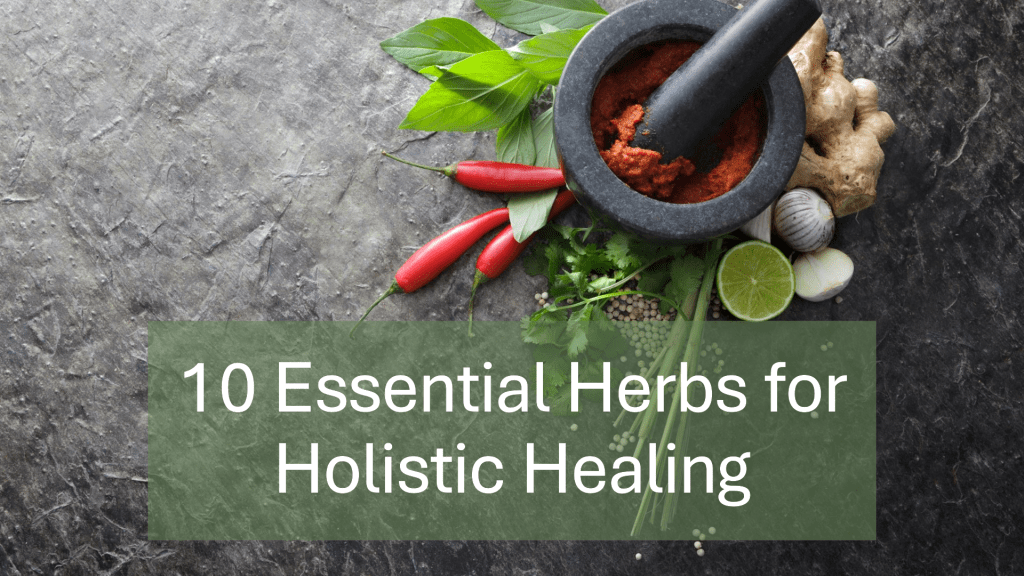
10 Essential Herbs for Holistic Healing and How to Use Them

For centuries, herbs have been used as powerful tools in holistic healing, offering natural remedies for various ailments and promoting overall wellness. Whether it’s calming the mind, boosting the immune system, or reducing inflammation, certain herbs hold incredible potential for enhancing our health. Here are 10 essential herbs for holistic healing and how you can incorporate them into your daily routine.

1. Ashwagandha: The Stress Reliever

Known as an adaptogen, Ashwagandha helps the body manage stress by reducing cortisol levels and balancing the nervous system. It’s commonly used to improve mental clarity and support relaxation.

  • How to Use: Add Ashwagandha powder to smoothies, teas, or take it as a supplement capsule to combat stress and improve focus.

2. Turmeric: The Anti-Inflammatory Hero

Turmeric is rich in curcumin, a compound known for its powerful anti-inflammatory and antioxidant properties. It’s great for reducing inflammation, boosting immunity, and supporting joint health.

  • How to Use: Add turmeric to soups, curries, or make a golden turmeric latte for an anti-inflammatory boost.

3. Chamomile: The Calming Herb

Chamomile is well known for its calming effects, making it an excellent herb for reducing anxiety, aiding digestion, and promoting restful sleep.

  • How to Use: Brew chamomile tea before bed to unwind and improve sleep quality.

4. Holy Basil: The Adaptogenic Wonder

Also known as Tulsi, Holy Basil is revered for its ability to balance the body’s systems and promote physical and emotional well-being. It’s particularly beneficial for reducing stress and enhancing immune function.

  • How to Use: Drink Holy Basil tea in the morning to enhance mental clarity and promote relaxation.

5. Ginger: The Digestive Soother

Ginger has been used for centuries to relieve digestive issues, reduce nausea, and support immune health. It’s a warming herb that can help stimulate circulation and reduce inflammation.

  • How to Use: Add fresh ginger to your tea, smoothies, or stir-fry for digestive support and to boost immunity.

6. Echinacea: The Immune Booster

Echinacea is widely known for its immune-boosting properties, particularly for fighting off colds and flu. It stimulates the immune system and helps the body recover faster from illness.

  • How to Use: Drink Echinacea tea during cold season or take it as a supplement at the onset of symptoms.

7. Lavender: The Relaxation Herb

Lavender is famous for its soothing properties, helping to relieve stress, anxiety, and insomnia. It’s also used to ease headaches and muscle tension.

  • How to Use: Add a few drops of lavender essential oil to your bath, or use it in a diffuser for a calming atmosphere.

8. Peppermint: The Energizer

Peppermint is great for promoting focus and relieving headaches, while also supporting digestion. Its cooling effect makes it perfect for soothing upset stomachs and enhancing alertness.

  • How to Use: Drink peppermint tea to ease indigestion, or inhale peppermint essential oil for a quick energy boost.

9. St. John’s Wort: The Mood Booster

Known for its antidepressant properties, St. John’s Wort is often used to treat mild to moderate depression, improve mood, and reduce anxiety. It’s also used to relieve nerve pain.

  • How to Use: Take St. John’s Wort in capsule form, or brew it as tea to support emotional well-being.

10. Milk Thistle: The Liver Detoxifier

Milk Thistle is prized for its liver-protecting properties, as it helps detoxify and regenerate liver cells. It’s commonly used to support liver function and improve digestion.

  • How to Use: Drink milk thistle tea or take it as a supplement to promote liver detox and improve overall digestion.

Conclusion

Incorporating these powerful herbs into your daily life is a simple, natural way to support your holistic wellness journey. From stress relief and better digestion to immune boosting and inflammation reduction, each of these herbs offers unique benefits to help you feel your best. Try adding one or more of these herbs to your routine and experience the healing power of nature firsthand.


For more insights into holistic wellness practices, check out my book, The Mindful Executive: https://www.amazon.com/dp/B0D75YJCLW.

Longevity Elixirs: Daily Drinks That Promote a Long and Healthy Life

Incorporating certain beverages into your daily routine can have a profound impact on your longevity and overall health. These drinks are packed with nutrients, antioxidants, and other health-boosting properties that can help you maintain vitality as you age. Here are some daily drinks that can support a long and healthy life:

1. Green Tea

Green tea is celebrated for its high levels of antioxidants, particularly catechins, which are known to reduce the risk of heart disease, improve brain function, and promote fat loss. Drinking green tea regularly can also help with weight management and may reduce the risk of certain cancers.

2. Lemon Water

Starting your day with a glass of lemon water can boost your immune system, thanks to its high vitamin C content. Lemon water also aids digestion, helps detoxify the liver, and keeps your skin glowing. It’s a simple but effective way to kickstart your day with hydration and health benefits.

3. Matcha

Matcha, a finely ground powder of specially grown green tea leaves, offers a more concentrated source of antioxidants compared to regular green tea. It provides a calm energy boost, enhances focus, and supports metabolism. Matcha is also known for its detoxifying properties and ability to protect the liver.

4. Turmeric Tea

Turmeric, a spice known for its anti-inflammatory and antioxidant properties, is the main ingredient in turmeric tea. Regular consumption can help reduce inflammation in the body, improve brain health, and lower the risk of chronic diseases like heart disease and cancer.

5. Bone Broth

Rich in collagen and minerals, bone broth supports joint health, improves skin elasticity, and promotes gut health. It’s also a great source of protein and can be soothing and nourishing, especially when consumed regularly as part of your diet.

6. Kombucha

Kombucha is a fermented tea that’s packed with probiotics, which promote a healthy gut microbiome. It also contains antioxidants and can help with digestion, boost your immune system, and support overall well-being.

7. Ginger Tea

Ginger tea is a powerful drink that can aid digestion, reduce nausea, and fight inflammation. It’s also beneficial for boosting the immune system and promoting cardiovascular health. Drinking ginger tea regularly can help you stay healthy and energized.

Conclusion

Incorporating these drinks into your daily routine can be a simple yet powerful way to enhance your health and longevity. Each of these beverages brings unique benefits that can help you maintain a balanced, healthy lifestyle as you age. Whether it’s a warm cup of green tea in the morning or a soothing ginger tea before bed, these drinks are easy to include in your diet and can contribute significantly to your well-being.

7 Signs You Might Need a Magnesium Supplement

Magnesium is a crucial mineral that supports numerous bodily functions, including muscle and nerve function, blood sugar control, and bone health. Despite its importance, many people are unaware they might be deficient in magnesium. Here are seven signs that you might need a magnesium supplement.

1. Muscle Cramps and Spasms

2. Mental Health Issues

  • Description: Magnesium deficiency has been linked to mental health disorders such as anxiety and depression. This is because magnesium is involved in regulating neurotransmitters that send messages throughout the brain and nervous system.
  • Link: Psychology Today on Magnesium and Mental Health

3. Fatigue and Weakness

4. High Blood Pressure

5. Osteoporosis

6. Poor Sleep

7. Migraine Headaches

  • Description: Studies suggest that magnesium deficiency may be linked to migraine headaches. Magnesium can prevent the wave of brain signaling, called cortical spreading depression, which produces the visual and sensory changes typical of a migraine.
  • Link: American Migraine Foundation on Magnesium and Migraines

Conclusion

If you are experiencing any of these symptoms, it might be worth discussing with your healthcare provider whether a magnesium supplement could be beneficial for you. Ensuring adequate magnesium intake can significantly enhance your overall health and well-being.

Call to Action: Learn more about the importance of magnesium and explore supplement options to support your health by visiting Holistic Wellness Guide.

#Magnesium #Health #Wellness #Supplements #MentalHealth #MuscleCramps #Fatigue #BloodPressure #Osteoporosis #Sleep #Migraines

10 Effective Drinks to Lower Blood Sugar Levels

Managing blood sugar levels is crucial for overall health, especially for those with diabetes or pre-diabetes. Incorporating certain drinks into your daily routine can help lower blood sugar levels quickly and effectively. Here are ten healthy drinks and juices that can help manage your blood sugar levels.


1. Green Smoothies

Green smoothies made with leafy greens like spinach, kale, and cucumber are rich in fiber and antioxidants, which help regulate blood sugar levels.

Learn more: Healthline


2. Lemon Water

Lemon water is a refreshing drink that helps control blood sugar levels due to its high vitamin C content and antioxidants.

Discover the benefits: WebMD


3. Herbal Teas

Herbal teas, such as chamomile and hibiscus, have been shown to improve insulin sensitivity and lower blood sugar levels.

Explore more: Mayo Clinic


4. Apple Cider Vinegar Drink

Mixing apple cider vinegar with water and a bit of honey can help lower blood sugar levels and improve insulin sensitivity.

Learn how to make it: Medical News Today


5. Cinnamon Tea

Cinnamon is known for its ability to lower blood sugar levels. A cup of cinnamon tea can be a delicious way to incorporate this spice into your diet.

Read about the benefits: Healthline


6. Bitter Melon Juice

Bitter melon is a traditional remedy for lowering blood sugar levels. Its juice is particularly effective for managing diabetes.

Discover more: Diabetes.co.uk


7. Turmeric Milk

Turmeric has anti-inflammatory properties that help manage blood sugar levels. A warm cup of turmeric milk can be both soothing and beneficial.

Learn how to prepare it: Everyday Health


8. Aloe Vera Juice

Aloe vera juice is not only refreshing but also helps lower blood sugar levels due to its natural compounds.

Explore its benefits: Medical News Today


9. Fenugreek Water

Soaking fenugreek seeds in water overnight and drinking the water in the morning can help lower blood sugar levels.

Read more: WebMD


Call to Action: Incorporate these drinks into your daily routine to help manage your blood sugar levels naturally. For more tips on healthy living, visit Holistic Wellness Guide.

#HealthyLiving #BloodSugarControl #DiabetesManagement #NaturalRemedies #HealthyDrinks #Nutrition #Wellness