

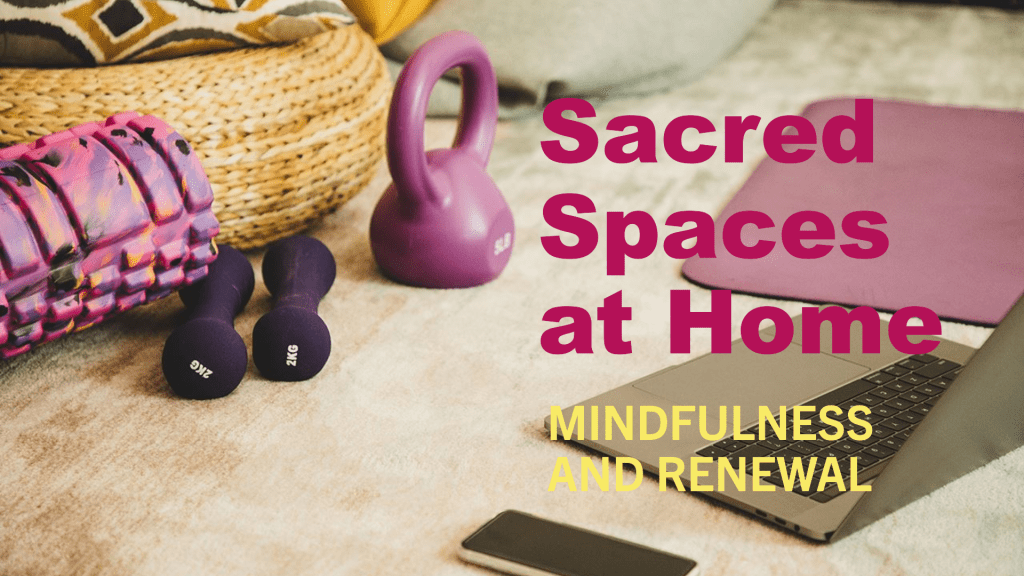
Your home is more than just a place to live—it can be a sanctuary that nurtures your mind, body, and spirit. Creating a sacred space within your home helps you reconnect with yourself, find peace, and recharge from life’s demands. Whether it’s a meditation corner, a cozy reading nook, or an entire room dedicated to self-care, a sacred space is a powerful tool for mindfulness and renewal. Let’s explore how to design a sacred space that reflects your needs and supports your holistic well-being.
1. Choose the Right Location
The foundation of a sacred space is its location. This area should feel private, quiet, and inviting.
- How to Practice:
- Identify a space that feels peaceful, like a corner of your bedroom, a window seat, or a spare room.
- Ensure the area is free from distractions and clutter.
- Pro Tip: If space is limited, consider a portable sacred space using a tray or small basket with essential items.
2. Declutter to Create Mental Clarity
A clutter-free environment promotes focus and calm. Removing unnecessary items from your sacred space allows you to breathe and feel grounded.
- How to Practice:
- Remove items that don’t serve a purpose in your sacred space.
- Keep only meaningful or functional objects that align with your intention.
- Pro Tip: Incorporate storage solutions like baskets or shelves to keep the space organized.
3. Incorporate Natural Elements
Nature has a grounding effect that promotes relaxation and harmony. Adding natural elements enhances the energy of your sacred space.
- How to Practice:
- Include plants, fresh flowers, crystals, or natural materials like wood and stone.
- Position your space near a window to let in natural light and fresh air.
- Pro Tip: Choose low-maintenance plants like succulents or snake plants for ease of care.
4. Use Calming Colors
Colors have a profound impact on mood and energy. Opt for soothing tones that encourage relaxation and mindfulness.
- How to Practice:
- Choose soft hues like blues, greens, and neutrals to create a calming atmosphere.
- Incorporate color through cushions, rugs, or wall art.
- Pro Tip: Avoid overly bright or bold colors that may feel overstimulating.
5. Add Comfortable Seating
Comfort is essential in a sacred space, allowing you to relax and focus without distractions.
- How to Practice:
- Use a soft chair, floor cushion, or yoga mat for seating.
- Add blankets or throws for extra warmth and coziness.
- Pro Tip: Test different seating options to find what feels best for your body.
6. Personalize with Meaningful Items
Your sacred space should reflect your personality and intentions. Adding meaningful objects makes the space uniquely yours.
- How to Practice:
- Include items like photos, journals, or keepsakes that inspire positive emotions.
- Use symbols of your spiritual or wellness practices, like candles, incense, or a singing bowl.
- Pro Tip: Rotate objects periodically to keep the space feeling fresh and inspiring.
7. Enhance with Scent and Sound
Engaging your senses can elevate your sacred space, making it more immersive and calming.
- How to Practice:
- Use essential oils, candles, or incense to create a soothing aroma.
- Add a small speaker for meditation music, nature sounds, or affirmations.
- Pro Tip: Experiment with scents like lavender, sandalwood, or eucalyptus for relaxation.
8. Create a Ritual for Your Space
Establishing a ritual helps you connect with your sacred space and create a sense of intention.
- How to Practice:
- Begin each session by lighting a candle, taking a deep breath, or saying a mantra.
- Use the space for activities like journaling, meditation, or yoga.
- Pro Tip: Dedicate specific times each day to visit your sacred space, creating a consistent routine.
9. Make It Dynamic and Flexible
Your sacred space should grow with you, adapting to your changing needs and intentions.
- How to Practice:
- Reassess the space regularly to ensure it still aligns with your goals.
- Add or remove items based on your evolving practices or preferences.
- Pro Tip: Treat your sacred space as a living area that reflects your current state of mind.
10. Protect the Energy of Your Space
Maintaining positive energy in your sacred space ensures it remains a source of peace and renewal.
- How to Practice:
- Avoid bringing stress or negativity into the space.
- Regularly cleanse the area with sage, palo santo, or sound healing.
- Pro Tip: Set boundaries with others to keep your space private and respected.
Conclusion
A sacred space is more than just a physical area—it’s a sanctuary for your soul. By designing a space that reflects your intentions, you create a powerful tool for mindfulness, relaxation, and renewal. Whether large or small, your sacred space can become a haven of peace in your daily life. Start crafting your sanctuary today, and experience the profound benefits of having a dedicated place for self-care and reflection.
For more tips on mindfulness and intentional living, check out my book, The Mindful Executive: https://www.amazon.com/dp/B0D75YJCLW.









 Holistic Wellness Guide