

Digital Detox for Mental Clarity: Reclaiming Your Peace in a Hyperconnected World

In our always-on digital age, the average person checks their phone 96 times daily and spends over seven hours staring at screens. While technology has brought incredible conveniences, it’s also created an unprecedented level of mental overwhelm, anxiety, and disconnection from our inner wisdom. The solution isn’t abandoning technology entirely—it’s learning to create healthy boundaries that restore mental clarity and inner peace.

The Hidden Cost of Digital Overwhelm

Your brain wasn’t designed to process the constant stream of information, notifications, and stimulation that modern devices provide. This digital overload triggers your stress response, flooding your system with cortisol and keeping you in a perpetual state of fight-or-flight.

Research from the University of California, Irvine reveals that it takes an average of 23 minutes to regain focus after a digital interruption. When you consider how often we’re interrupted throughout the day, it becomes clear why so many people struggle with concentration, decision fatigue, and mental fog.

The blue light emitted by screens disrupts your circadian rhythm, interfering with melatonin production and compromising sleep quality. Poor sleep then creates a cascade of health issues, from weakened immunity to increased inflammation and emotional instability.

Signs You Need a Digital Detox

Your body and mind are constantly sending signals about digital overwhelm. Common signs include feeling anxious when separated from your phone, experiencing phantom vibrations, struggling to focus on single tasks, feeling mentally exhausted despite minimal physical activity, and having difficulty falling asleep or staying asleep.

You might notice increased irritability, a constant sense of urgency, or feeling like you’re always “on” without ever truly relaxing. These symptoms indicate that your nervous system is stuck in overdrive, desperately needing the reset that only digital boundaries can provide.

The Neuroscience of Digital Addiction

Social media platforms and apps are deliberately designed to trigger dopamine release, creating addictive patterns similar to gambling. Each notification, like, or comment provides a small hit of pleasure, training your brain to crave more digital stimulation.

This constant dopamine seeking disrupts your brain’s natural reward system, making it harder to find satisfaction in simple, present-moment experiences. Activities that once brought joy—reading a book, having a conversation, enjoying nature—may feel boring or insufficient compared to the artificial highs of digital engagement.

Creating Your Personal Digital Detox Plan

Start with Awareness Begin by tracking your current digital habits without judgment. Use built-in screen time features or apps to understand exactly how much time you’re spending on various platforms. Many people are shocked to discover they’re spending 3-5 hours daily on social media alone.

Establish Sacred Spaces and Times Designate your bedroom as a phone-free zone to protect your sleep and create a peaceful sanctuary. Keep devices out of reach during meals to foster mindful eating and meaningful connections. Consider implementing a “no phones” rule during the first hour after waking and the hour before bed.

Practice Gradual Reduction Rather than going cold turkey, gradually reduce your digital consumption. Start by removing social media apps from your phone’s home screen, requiring intentional effort to access them. Turn off non-essential notifications, keeping only truly urgent ones like calls or important messages.

Replace Digital Habits with Nourishing Activities Nature abhors a vacuum, so fill the space left by reduced screen time with activities that genuinely nourish your soul. This might include meditation, journaling, reading physical books, taking walks, practicing yoga, cooking, gardening, or engaging in creative pursuits.

The Mental Clarity Benefits

Within just a few days of implementing digital boundaries, most people notice improved focus and concentration. Without constant interruptions, your brain can engage in deeper thinking and creative problem-solving. You may find that solutions to challenges arise more naturally when your mind has space to wander and process.

Sleep quality typically improves within a week, leading to better mood regulation, increased energy, and enhanced immune function. Many people report feeling more present in their relationships and more connected to their own thoughts and feelings.

Mindful Technology Use

The goal isn’t to eliminate technology but to use it intentionally rather than compulsively. Before picking up your device, pause and ask: “What am I hoping to accomplish?” This simple question can prevent mindless scrolling and help you use technology as a tool rather than an escape.

Set specific times for checking email and social media rather than allowing these activities to interrupt your day randomly. Batch similar digital tasks together to minimize context switching and preserve mental energy for more important activities.

Creating Digital-Free Rituals

Develop morning and evening routines that don’t involve screens. Begin your day with meditation, journaling, or gentle movement rather than immediately diving into news and notifications. End your evening with reading, gratitude practice, or calming activities that prepare your mind for restorative sleep.

Consider implementing regular digital sabbaths—designated periods where you completely disconnect from devices. This might be a few hours weekly or an entire day monthly, allowing your nervous system to fully reset and your creativity to flourish.

The Ripple Effects of Digital Wellness

As you create healthier relationships with technology, you’ll likely notice positive changes extending beyond personal mental clarity. Your relationships may deepen as you become more present with loved ones. Your productivity may increase as you focus on fewer things with greater attention.

You might rediscover hobbies and interests that digital distractions had crowded out. Many people find that reducing screen time naturally leads to increased physical activity, better nutrition choices, and greater connection with nature.

Building Long-Term Digital Wellness

Sustainable digital wellness requires ongoing attention and adjustment. Technology continues evolving, and new platforms constantly compete for your attention. Regular check-ins with your digital habits help ensure your boundaries remain effective and aligned with your values.

Remember that digital detox isn’t about perfection—it’s about progress. Some days you’ll use technology more than intended, and that’s perfectly normal. The key is returning to your intentional practices without self-judgment.

In our hyperconnected world, the ability to disconnect has become a superpower. By reclaiming control over your digital consumption, you’re not just improving your mental clarity—you’re modeling healthy boundaries for others and contributing to a more mindful, present world.

Your attention is your most precious resource. Invest it wisely, and watch as your mental clarity, creativity, and sense of peace naturally flourish in the space you create.


For deeper insights into transforming your relationship with health and wellness through mindful practices, explore “The Path to Wellness: A Journey of Self-Discovery and Healing” – a comprehensive guide to creating lasting change in your well-being journey.

Why You’re Tired All the Time: 9 Hidden Energy Leaks You Didn’t Know About

You eat well, get decent sleep, even try to squeeze in a walk or two—but the fatigue never fully lifts. Sound familiar? That low-grade exhaustion you carry might not be about sleep at all. It could be about invisible energy leaks you haven’t spotted yet.

Energy isn’t just physical—your body, mind, and nervous system are constantly managing it. And without realizing it, you’re likely spending vital energy in places that don’t replenish you. Let’s shine a light on the hidden culprits.

1. Decision Fatigue Every choice you make—what to wear, what to eat, how to respond—costs mental energy. If your days begin with 15 micro-decisions, your brain is already drained by noon. Create systems. Wear the same go-to breakfast. Automate the little things. Save energy for what matters.

2. Low-Grade Anxiety You’ve Normalized You may not feel panicked, but your nervous system might still be stuck in “on” mode—checking your phone, expecting a late-night work email, scanning social media. It’s silent energy theft. Try regular nervous system resets: breathwork, cold water on your face, or 10 minutes without any input.

3. Overly Cluttered Spaces A messy room, overflowing inbox, or chaotic desktop doesn’t just look bad—it forces your brain to process more than it should. Visual clutter = cognitive fatigue. Create pockets of calm. Even one clean drawer can be an energy anchor.

4. Poor Light Hygiene Fluorescent office lighting. Blue light before bed. Dim mornings. Your circadian rhythm needs proper lighting cues to function. Start your day with real sunlight. Dim your lights in the evening. Let your biology do its job.

5. Unprocessed Emotions Stuffed-down emotions don’t disappear—they just quietly deplete you. Suppressed anger, sadness, or guilt hangs around in the body like background apps draining your phone battery. Journaling, safe conversations, or even a good cry can reboot your internal state.

6. Negative Self-Talk Your brain believes what you tell it. If your inner voice is constantly whispering, “you’re not doing enough,” “you’re falling behind,” or “what’s the point?”—your body responds by tightening, defending, and burning energy. Replace those phrases with more truthful ones: “I’m adapting,” “I’m learning,” “I’m enough for today.”

7. Multitasking We think it makes us efficient, but it actually fragments attention and burns through mental fuel. Shifting from task to task drains more than just time—it creates cognitive friction. Single-task. Be present. Feel how your brain stops buzzing when you give something your full focus.

8. Low-Quality Relationships Energy vampires are real. Spending time with people who criticize, complain, or emotionally dump without boundaries? That’s a leak. Choose relationships that recharge. Protect your peace like it’s sacred—because it is.

9. Lack of Joy This one stings. If there’s no pleasure, no creative expression, no laughter in your days, you’ll run dry—even if you’re “doing all the right things.” Joy isn’t optional. It’s fuel. Schedule it. Protect it. Prioritize what makes you feel alive.


You don’t need more sleep—you need less drain. Energy isn’t something you magically get—it’s something you protect, manage, and recover.

Take inventory. Which of these 9 leaks feel familiar? Start by sealing just one. You might be surprised how much vitality returns when you stop giving it away.

For deeper lifestyle shifts, check out my book: The Mindful Executive

The Mind-Body Connection: How Your Thoughts Directly Impact Your Physical Health

The ancient wisdom “as above, so below” takes on profound meaning when we explore the intricate relationship between our mental and physical states. The mind-body connection isn’t just a philosophical concept—it’s a scientifically proven reality that can transform how we approach health and healing.

Understanding the Science Behind Mind-Body Medicine

Your thoughts, emotions, and beliefs create measurable changes in your body’s chemistry. When you experience stress, anxiety, or negative emotions, your brain releases cortisol and adrenaline, triggering inflammation and compromising your immune system. Conversely, positive thoughts and emotions flood your system with beneficial hormones like serotonin, dopamine, and oxytocin, promoting healing and vitality.

Research from Harvard Medical School demonstrates that chronic stress can literally rewire your brain, affecting memory, decision-making, and emotional regulation. Meanwhile, practices like meditation and mindfulness create positive neuroplasticity, strengthening neural pathways associated with calm, focus, and resilience.

The Physical Manifestations of Mental States

Your body serves as a mirror for your inner world. Persistent worry often manifests as digestive issues, tension headaches, or insomnia. Suppressed anger may appear as inflammation, autoimmune conditions, or chronic pain. Fear and anxiety frequently show up as respiratory problems, heart palpitations, or muscle tension.

This isn’t to suggest that all physical ailments stem from mental causes, but rather to recognize the powerful influence our psychological state has on our physical well-being. Traditional Chinese Medicine and Ayurveda have understood this connection for millennia, treating the person as a whole rather than isolated symptoms.

Practical Ways to Harness Your Mind-Body Connection

Daily Mindfulness Practice Begin each day with five minutes of conscious breathing. This simple practice activates your parasympathetic nervous system, reducing stress hormones and promoting healing. Focus on deep, slow breaths, allowing your belly to expand with each inhale.

Emotional Awareness and Processing Create space to acknowledge and process your emotions rather than suppressing them. Journaling, meditation, or speaking with a trusted friend can prevent emotional energy from becoming trapped in your physical body.

Positive Visualization Spend time each day visualizing your body in perfect health. See your immune system strong and vibrant, your organs functioning optimally, and your energy flowing freely. Your subconscious mind doesn’t distinguish between vividly imagined experiences and reality, making visualization a powerful healing tool.

Gratitude Practice Cultivate genuine appreciation for your body and its incredible capabilities. Thank your heart for beating, your lungs for breathing, and your immune system for protecting you. This practice shifts your energy from criticism to celebration, promoting healing at the cellular level.

Movement as Medicine Choose physical activities that bring you joy rather than punishment. Whether it’s dancing, walking in nature, or gentle yoga, movement that feels good creates positive associations in your nervous system, enhancing both mental and physical well-being.

The Role of Belief in Healing

Your beliefs about your health significantly impact your healing capacity. The placebo effect demonstrates that believing in recovery can trigger real physiological changes, even without active treatment. Conversely, nocebo effects show how negative expectations can worsen symptoms or create new ones.

Examine your health beliefs honestly. Do you see your body as fragile or resilient? Do you believe in your capacity to heal, or do you feel powerless over your health? Shifting limiting beliefs to empowering ones can dramatically accelerate your healing journey.

Creating a Holistic Healing Environment

Your external environment influences your internal state. Surround yourself with beauty, whether through plants, art, music, or natural light. These elements signal safety to your nervous system, promoting relaxation and healing.

Equally important is your social environment. Supportive relationships boost immune function, while toxic relationships create chronic stress. Prioritize connections that nourish your soul and set boundaries with those that drain your energy.

Integrating Mind-Body Practices into Daily Life

Start small and build consistency. Choose one practice that resonates with you—perhaps morning meditation, evening gratitude, or midday breathing exercises. As this becomes habit, gradually add other elements.

Remember that healing isn’t linear. Your body may need time to release old patterns and integrate new ones. Be patient and compassionate with yourself throughout this process.

The Future of Holistic Health

As conventional medicine increasingly recognizes the mind-body connection, we’re seeing exciting developments in integrative care. Hospitals now offer meditation programs, doctors prescribe nature therapy, and research validates ancient healing practices.

This shift represents a return to treating humans as complete beings rather than collections of symptoms. By embracing the mind-body connection in your own life, you become part of this healing revolution.

Your thoughts are powerful medicine. Use them wisely, and watch as your entire being transforms from the inside out. The journey to optimal health begins not just with what you put in your body, but with what you allow in your mind.


For deeper insights into transforming your relationship with health and wellness through mindful practices, explore “The Path to Wellness: A Journey of Self-Discovery and Healing” – a comprehensive guide to creating lasting change in your well-being journey.

Herbal Healers: 12 Underrated Plants That Boost Your Mind, Mood & Immunity

Herbal Healers: 12 Underrated Plants That Boost Your Mind, Mood & Immunity

In our search for wellness, we often overlook nature’s original pharmacy — herbs. These plants have been used for thousands of years, and yet many powerful healers remain tucked away in dusty kitchen cabinets or unfamiliar apothecaries. But as we move toward more natural, holistic living, it’s time to rediscover their quiet magic.

You don’t need an entire herbalist’s garden — just the right allies for your mind, mood, and immune system. Below are 12 underrated (but incredibly potent) herbs that belong in your wellness toolkit.


🌿 1. Holy Basil (Tulsi)

Tulsi isn’t just sacred in Indian tradition — it’s also an adaptogen, helping your body regulate stress.
Benefits: Calms the nervous system, supports adrenal health, enhances focus.
Try it in: Tulsi tea or capsules.


🌼 2. Lemon Balm

This citrus-scented herb is known for its calming and mood-lifting properties.
Benefits: Reduces anxiety, improves sleep, aids digestion.
Try it in: Tea or essential oil for diffusing.


🌸 3. Passionflower

A gorgeous vine that helps the overthinking mind take a break.
Benefits: Eases insomnia, reduces restlessness and racing thoughts.
Try it in: Tincture before bed.


🌰 4. Ashwagandha

One of Ayurveda’s most popular adaptogens, but still underused in everyday routines.
Benefits: Stabilizes mood, reduces cortisol, supports energy.
Try it in: Capsules or as a powder in warm milk (Moon milk).


🍵 5. Schisandra Berry

Used in Traditional Chinese Medicine for thousands of years, it’s a five-flavor fruit for full-body harmony.
Benefits: Improves focus, liver detox, endurance.
Try it in: Herbal blends or tinctures.


🍄 6. Reishi Mushroom

Technically a fungus, but a powerhouse for immune and spiritual health.
Benefits: Strengthens immunity, improves sleep, supports emotional resilience.
Try it in: Reishi powder or tea.


🧡 7. Rhodiola Rosea

The mental clarity herb you didn’t know you needed.
Benefits: Enhances focus, reduces brain fog, boosts mood.
Try it in: Capsules or tincture form.


💚 8. Gotu Kola

Known as the “herb of longevity” in Ayurveda and Chinese Medicine.
Benefits: Enhances memory, supports circulation, reduces anxiety.
Try it in: Tea or capsules.


🌾 9. Nettle Leaf

So much more than a spring tonic — it’s a nutritional powerhouse.
Benefits: Strengthens immunity, reduces inflammation, provides iron and minerals.
Try it in: Soups, teas, or dried powder.


🍃 10. Peppermint

Common, yes — but incredibly effective when used correctly.
Benefits: Boosts energy, relieves tension headaches, aids digestion.
Try it in: Fresh tea or diluted essential oil for temples.


🌺 11. Blue Vervain

A nervous system tonic that calms the mind-body loop.
Benefits: Relieves nervous exhaustion, improves sleep, clears mental tension.
Try it in: Tea or tincture.


🍇 12. Elderberry

You’ve seen it in immune syrups, but there’s more to it.
Benefits: High in antioxidants, supports immune response, fights colds.
Try it in: Elderberry syrup or lozenges.


🌱 How to Start Using These Herbal Allies

  1. Start Slow – Introduce 1–2 herbs at a time.
  2. Know Your Body – Some herbs are warming, others cooling. Tune in.
  3. Work With the Seasons – Reishi in winter, Tulsi in stressful phases, Lemon Balm in summer.
  4. Go Organic – Always choose high-quality, pesticide-free herbs.
  5. Listen – Your body will tell you what’s working.

🌿 Final Thoughts: Nature Knows

Herbs don’t shout. They don’t promise overnight results. But they restore balance quietly, day by day.
They speak the language of rhythm, rest, and realignment — and your body understands it.

So, next time you feel overwhelmed, tired, foggy, or unwell — look to the earth. It’s been whispering healing all along.


For more rituals, insights, and plant-powered wisdom — check out my book:
👉 The Mindful Executive

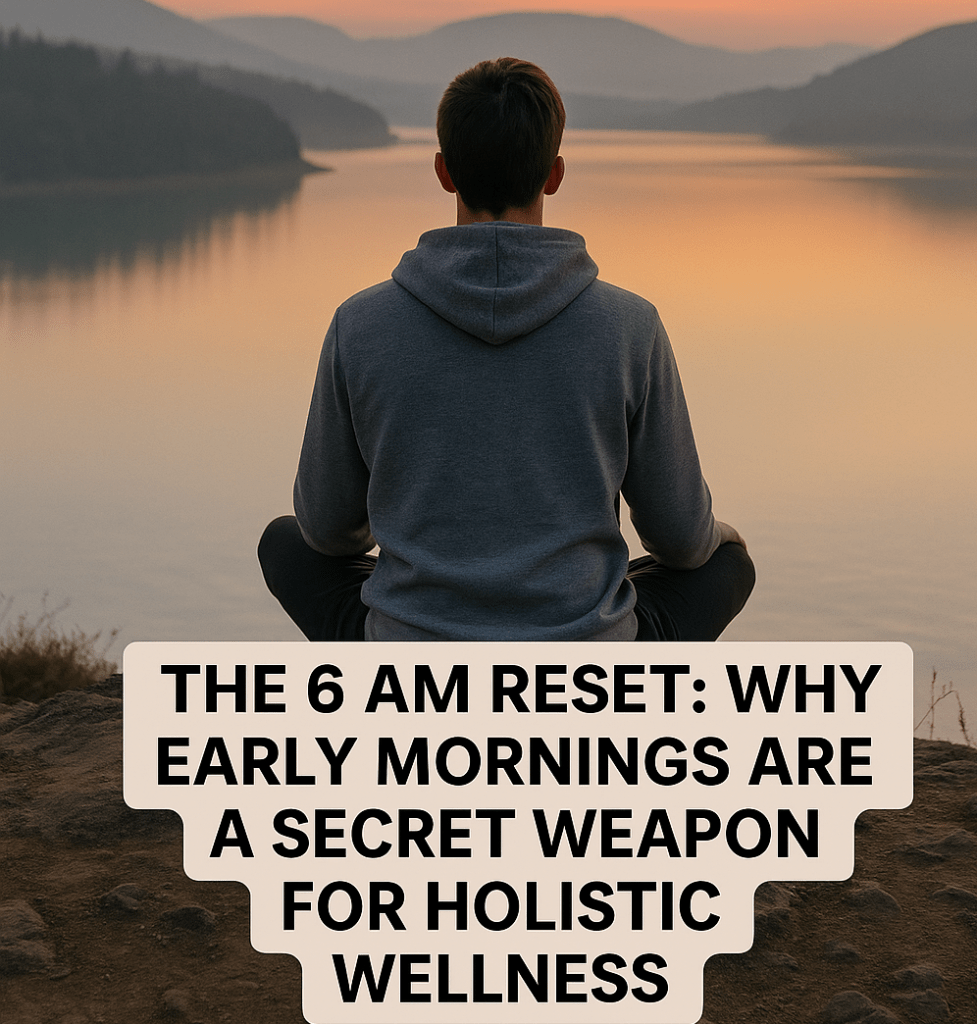
The 6 AM Reset: Why Early Mornings Are a Secret Weapon for Holistic Wellness

There’s a quiet magic to the world at 6 AM. The streets are still, the sky blushes with the first rays of light, and the world hasn’t started shouting at you yet. It’s in that silence that you can hear yourself again — your breath, your thoughts, your truth.

If you’re serious about living a holistic lifestyle, rewiring your day to begin earlier might be the missing link. It’s not just productivity hacks or discipline talk — waking up at 6 AM (or earlier) aligns your mind, body, and energy with natural rhythms that modern life has largely forgotten.

Let’s explore why the 6 AM reset is more than a morning — it’s a revolution in how you live.


🌞 1. Aligns You With the Circadian Rhythm

Waking up early naturally syncs your body with the earth’s cycle — something Ayurveda, Traditional Chinese Medicine, and even modern neuroscience agree on.
Your cortisol levels peak early in the morning, preparing your body to wake up and move. Ignoring this rhythm causes sluggishness, brain fog, and disrupted hormones.

Holistic Tip: Wake up with the sunlight, not your smartphone. Open a window, let the light in, and let your body feel nature’s clock again.


🧘‍♀️ 2. The Stillness is Sacred

Before the world starts demanding things from you, early mornings offer peace. This stillness is perfect for:

  • Meditation
  • Journaling
  • Gratitude practices
  • Mindful stretching or yoga

Your mind is most impressionable in the early morning. What you feed it — peace or panic — sets the tone for the entire day.


🫖 3. Morning Rituals Build Emotional Resilience

Having a 6 AM ritual grounds you. Whether it’s sipping warm lemon water, reading something inspiring, or doing breathwork — the consistency builds emotional security.

Why it works: Rituals reduce decision fatigue and activate the parasympathetic nervous system, keeping your mood more stable.

Bonus Practice: Try a simple Ayurvedic routine:

  • Wake up
  • Scrape tongue
  • Drink warm water
  • Lightly oil your skin (Abhyanga)
  • Move gently
  • Breathe deeply

🧠 4. Your Brain Loves Mornings

Research shows that your brain’s prefrontal cortex is most active in the early hours. That means:

  • Clearer thinking
  • Stronger willpower
  • More focus

For creatives, this is gold. For busy professionals, it’s uninterrupted flow. For parents, it’s your time before the house wakes up.


🥗 5. Better Choices Flow From Better Starts

When your morning is rushed, you’re in survival mode. When your morning is nourishing, your decisions all day improve.
You’re more likely to:

  • Eat cleaner
  • Say no to things that don’t serve you
  • Stay present
  • Avoid unnecessary conflict

The Science: Dopamine circuits respond positively to a sense of control and predictability, especially early in the day.


🛏️ 6. It Improves Sleep Quality

Ironically, waking up early helps you sleep better — but only when it’s done with consistency and intention.
Your body craves rhythm. Going to bed early and waking early reinforces melatonin production, improves sleep cycles, and reduces insomnia.

Sleep tip: Unwind without screens for 1 hour before bed. Journal or listen to calming music instead.


🧭 How to Start the 6 AM Reset (Even If You’re Not a Morning Person)

  1. Move Your Wake Time Back Gradually – 15 minutes earlier every 3 days.
  2. Create a Beautiful Reason to Wake Up – A new book, a walk, morning tea.
  3. Design a Simple Routine You Love – Keep it cozy, not complex.
  4. Stick to the Same Sleep-Wake Schedule (Even on Weekends!)
  5. Don’t Reach for Your Phone First Thing – Delay dopamine until after you’ve checked in with yourself.

✨ The 6 AM Shift Is a Lifestyle, Not a Rule

This isn’t about forcing yourself to rise early with shame. It’s about reclaiming the beginning of your day as yours. It’s sacred. It’s transformational.

Start slowly. Respect your current routine. But if you give it a few weeks, the benefits — clarity, creativity, calmness — will be impossible to ignore.


For more insights on building mindful routines and personal transformation, check out my book:
👉 The Mindful Executive

Unlock the Power of Breathwork for Healing

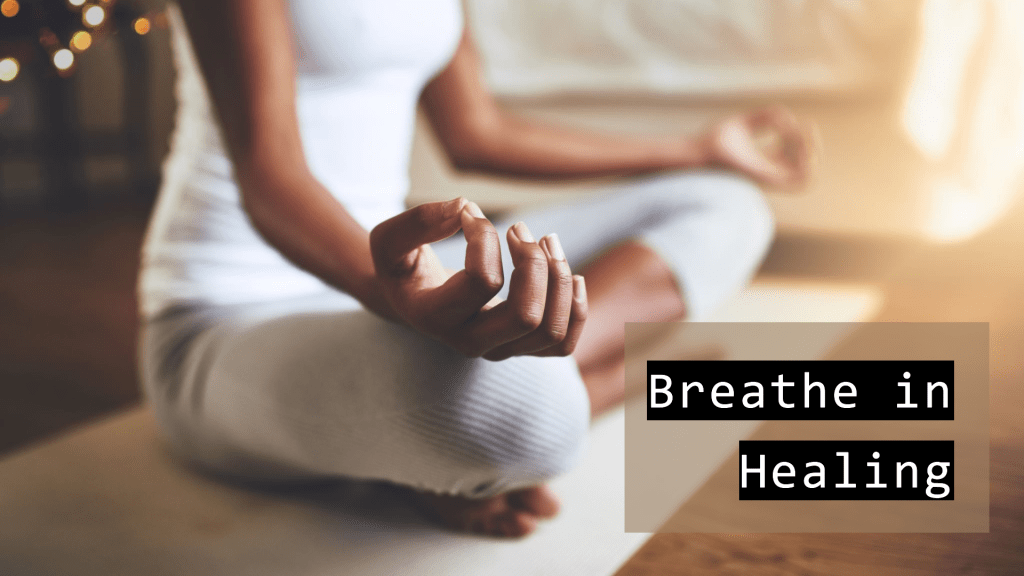
Breathing is something we do automatically, yet most of us do it wrong—shallow, fast, and disconnected from our body. But what if we told you that breathwork is one of the most powerful tools for healing, reducing stress, and boosting mental clarity?

Ancient practices like pranayama (yogic breathing), diaphragmatic breathing, and controlled breath techniques have been used for centuries to regulate emotions, enhance energy levels, and improve overall well-being. Science is now confirming that how you breathe affects your nervous system, brain function, and even immunity.

Let’s explore how breathwork can heal your mind and body—and simple techniques you can try today!


1. The Science Behind Breathwork

Your breath is the bridge between your mind and body—when controlled, it can calm or energize you.

🔬 What Breathwork Does:
✔️ Activates the Parasympathetic Nervous System – Promotes relaxation and reduces stress.
✔️ Lowers Cortisol – Helps with anxiety, depression, and emotional balance.
✔️ Increases Oxygen Flow – Boosts focus, energy, and mental clarity.
✔️ Improves Lung Capacity – Enhances endurance and respiratory health.

  • Pro Tip: Just one minute of deep breathing lowers heart rate and relaxes the nervous system.

2. 5 Powerful Breathwork Techniques to Try

🧘‍♂️ 1. Diaphragmatic Breathing (Best for Stress & Anxiety Relief)
This technique activates the vagus nerve, signaling deep relaxation.

✔️ How to Practice:

  • Sit or lie down, place one hand on your belly.
  • Inhale deeply through your nose, feeling your belly expand.
  • Exhale slowly through your mouth.
  • Pro Tip: Practice for 5 minutes daily to calm your nervous system.

🔥 2. The 4-7-8 Breath (Best for Sleep & Relaxation)
This breath slows down brain activity and prepares you for rest.

✔️ How to Practice:

  • Inhale for 4 seconds, hold for 7 seconds, exhale for 8 seconds.
  • Repeat for 4 rounds.
  • Pro Tip: Use this before bed to fall asleep faster.

🌊 3. Box Breathing (Best for Focus & Stress Management)
Used by Navy SEALs, this method improves concentration and emotional control.

✔️ How to Practice:

  • Inhale for 4 seconds, hold for 4 seconds, exhale for 4 seconds, hold for 4 seconds.
  • Repeat for 1-2 minutes.
  • Pro Tip: Try this before a big presentation or stressful event.

4. Breath of Fire (Best for Energy & Mental Clarity)
A rapid breathing technique that stimulates the brain and increases alertness.

✔️ How to Practice:

  • Inhale and exhale quickly through the nose, keeping the pace rapid.
  • Engage your diaphragm, allowing short, forceful breaths.
  • Pro Tip: Do this for 30 seconds in the morning for an instant energy boost.

🌬️ 5. Alternate Nostril Breathing (Best for Emotional Balance & Clarity)
Balances the left and right brain hemispheres, promoting inner calm and focus.

✔️ How to Practice:

  • Close your right nostril, inhale through the left.
  • Close your left nostril, exhale through the right.
  • Alternate for 5 minutes.
  • Pro Tip: Use this to reduce anxiety or prepare for meditation.

3. How to Incorporate Breathwork Into Daily Life

✔️ Morning: Start your day with Breath of Fire for energy.
✔️ Before Work: Use Box Breathing to boost focus.
✔️ Midday Reset: Try Diaphragmatic Breathing for stress relief.
✔️ Before Bed: Use 4-7-8 breathing for deep sleep.

  • Pro Tip: Set a reminder to pause and breathe mindfully throughout the day.

4. The Benefits of Long-Term Breathwork Practice

✔️ Reduced Anxiety & Stress – Helps regulate emotions and calm the nervous system.
✔️ Better Sleep – Lowers cortisol, helping with insomnia.
✔️ Stronger Immune System – Increases oxygenation, promoting cell health.
✔️ Enhanced Focus & Memory – Improves cognitive function.
✔️ Emotional Stability – Helps process and release trapped emotions.

  • Pro Tip: Breathwork is a free, powerful tool—use it daily for lifelong benefits.

Conclusion

Breathwork is one of the simplest and most effective ways to improve mental, emotional, and physical well-being. By learning how to control your breath, you can control your stress, energy, and overall health.

Start with just one technique today—your mind and body will thank you!


For more holistic wellness insights, check out my book, The Mindful Executive: https://www.amazon.com/dp/B0D75YJCLW.

The Power of Mindful Eating: How to Build a Healthy Relationship with Food

In a world of fast food, distracted meals, and diet culture, we often eat mindlessly, missing the true experience of food. Mindful eating is about slowing down, tuning in to your body, and creating a healthy, enjoyable relationship with food.

Mindful eating isn’t about restricting or counting calories—it’s about awareness, balance, and nourishment. By practicing intentional eating, you can improve digestion, reduce stress, and develop a positive connection with food.

Let’s explore how to practice mindful eating and transform your relationship with food.


1. What Is Mindful Eating?

Mindful eating is being fully present while eating—not rushing, not distracted, but truly experiencing food with all senses.

🔬 The Science of Mindful Eating:

  • Studies show it reduces binge eating and emotional eating.
  • It improves digestion by activating the parasympathetic nervous system (rest & digest mode).
  • Helps regulate hunger and fullness cues, preventing overeating.

✔️ Mindful eating is about nourishment, not restriction.

  • Pro Tip: Slowing down your eating can reduce calorie intake naturally without dieting.

2. Eat Without Distractions

Most people eat while multitasking—watching TV, scrolling, or working. This disconnects you from your body’s natural hunger cues.

✔️ How to Practice:

  • Turn off screens while eating.
  • Sit at a table, not your desk or couch.
  • Focus on the texture, taste, and aroma of your food.
  • Pro Tip: Eating without distractions naturally reduces overeating.

3. Listen to Your Body’s Hunger & Fullness Cues

Your body knows when it’s hungry and when it’s full—but distractions make it easy to ignore these signals.

✔️ How to Practice:

  • Before eating, ask: Am I actually hungry, or just bored/stressed?
  • Eat until satisfied, not stuffed—use the 80% full rule.
  • Notice how different foods make you feel.
  • Pro Tip: True hunger builds gradually, while emotional hunger comes on suddenly.

4. Slow Down & Chew Thoroughly

Fast eating = poor digestion + overconsumption. Slowing down helps your body absorb nutrients better.

✔️ How to Practice:

  • Put your fork down between bites.
  • Chew each bite at least 20 times.
  • Take deep breaths between bites to stay mindful.
  • Pro Tip: Digestion begins in the mouth—chewing properly prevents bloating and discomfort.

5. Enjoy & Appreciate Your Food

Mindful eating means finding joy in every bite—no guilt, no shame, just appreciation.

✔️ How to Practice:

  • Engage all senses—notice the colors, smells, and textures of your food.
  • Express gratitude before meals.
  • Choose foods that nourish AND satisfy you.
  • Pro Tip: Viewing food as fuel, pleasure, and nourishment creates a healthier mindset.

6. Identify Emotional Eating Triggers

Many people eat not out of hunger, but out of stress, boredom, or sadness. Mindfulness helps break this cycle.

✔️ How to Practice:

  • Pause before eating—ask, “Why am I eating right now?”
  • Find non-food ways to cope with emotions (walking, journaling, meditation).
  • Create a healthy eating environment—no eating in bed, no stress-eating.
  • Pro Tip: If you’re not physically hungry, food won’t fix the problem—find the root cause.

7. Balance, Not Perfection

Mindful eating is about balance—not restricting, not obsessing, just making conscious choices.

✔️ How to Practice:

  • Eat whole, nutrient-rich foods most of the time, but allow room for treats.
  • Ditch the “good” vs. “bad” food mindset—all food has a place.
  • Enjoy indulgences without guilt—one meal won’t ruin progress.
  • Pro Tip: Food should be a source of nourishment, not stress.

Conclusion

Mindful eating is about awareness, appreciation, and balance—not dieting or restriction. By slowing down, listening to your body, and finding joy in food, you can create a healthier relationship with eating.

Try one mindful eating habit today and notice the difference!


For more holistic wellness insights, check out my book, The Mindful Executive: https://www.amazon.com/dp/B0D75YJCLW.

Mastering the Art of Letting Go for Inner Peace

Holding onto stress, negativity, and emotional baggage can feel like carrying a heavy weight. Whether it’s past failures, difficult relationships, or everyday worries, letting go is essential for inner peace and well-being.

But letting go isn’t about ignoring problems—it’s about freeing yourself from emotional burdens that no longer serve you. It’s a skill that, when practiced regularly, can lead to more clarity, joy, and a lighter heart.

Let’s explore the art of letting go, how it benefits you, and practical ways to release stress and negative energy.


1. Understand Why Holding On Causes Stress

Emotions are energy in motion, and when we hold onto negative experiences, they stay stuck in our mind and body.

🔬 The Science Behind Letting Go:

  • Chronic stress weakens immunity and increases inflammation.
  • Rumination (overthinking) is linked to anxiety and depression.
  • Emotional suppression creates tension in the body, leading to physical discomfort.

✔️ Letting go isn’t about forgetting—it’s about making peace with the past.

  • Pro Tip: The longer you hold onto stress, the more it impacts your health—release it before it becomes a habit.

2. Release Emotional Baggage with Journaling

Writing your emotions onto paper helps you process and release them.

✔️ How to Practice:

  • Free-write your thoughts without judgment.
  • Write a letter to yourself or someone you need to forgive, then tear it up.
  • Keep a worry journal—list your worries, then release them mentally.
  • Pro Tip: Journaling for just 5 minutes a day can reduce anxiety and improve emotional clarity.

3. Practice Deep Breathing to Release Stress

Your breath controls your nervous system—breathing deeply signals safety and calm.

✔️ How to Practice:

  • Try the 4-7-8 breathing method: Inhale for 4 sec, hold for 7 sec, exhale for 8 sec.
  • Take long exhales—they activate the body’s relaxation response.
  • Pair breathwork with music or essential oils for extra relaxation.
  • Pro Tip: Exhaling deeply = physically releasing stress from the body.

4. Let Go of Perfectionism & Control

Holding onto the need to control everything leads to frustration and anxiety.

✔️ How to Practice:

  • Accept that some things are outside your control.
  • Replace “I have to do this perfectly” with “I will do my best, and that is enough.”
  • Allow space for mistakes—they’re part of growth.
  • Pro Tip: Control what you can (your reactions) and let go of what you can’t (external circumstances).

5. Physically Release Negative Energy

Emotions don’t just stay in your mind—they get stored in the body.

✔️ How to Practice:

  • Shake out tension by moving your body (yoga, stretching, walking).
  • Try dancing to uplifting music to shift your mood.
  • Take a cold shower to refresh your energy.
  • Pro Tip: Even five minutes of movement helps reset your nervous system.

6. Set Healthy Boundaries & Let Go of Toxicity

You don’t have to carry other people’s negativity.

✔️ How to Practice:

  • Limit time with people who drain your energy.
  • Say no to things that don’t align with your well-being.
  • Protect your peace by choosing where you invest your energy.
  • Pro Tip: Letting go of toxic energy creates space for peace and joy.

7. Use Affirmations to Rewire Your Mindset

Words are powerful tools for shifting thoughts.

✔️ How to Practice:

  • Repeat: “I let go of what no longer serves me.”
  • Say: “I am at peace with my past.”
  • Write: “I release stress and welcome calm.”
  • Pro Tip: Affirmations work best when spoken with deep emotion and belief.

8. Find Joy in the Present Moment

Letting go is easier when you focus on the now, not the past or future.

✔️ How to Practice:

  • Practice mindfulness—fully experience small moments (e.g., sipping tea, feeling the breeze).
  • Engage in hobbies that bring you joy.
  • Meditate for even two minutes a day to center yourself.
  • Pro Tip: Joy is in the present moment—don’t let stress take it away.

Conclusion

Letting go doesn’t mean ignoring problems—it means choosing peace over stress, acceptance over control, and joy over resentment. By using simple practices like journaling, breathwork, movement, and affirmations, you can release negative energy and welcome more calm, balance, and happiness into your life.

What’s one thing you’re ready to let go of today? Start now and feel the freedom!


For more mindfulness insights, check out my book, The Mindful Executive: https://www.amazon.com/dp/B0D75YJCLW.

The Science of Emotional Resilience: How to Stay Strong in Difficult Times

The Science of Emotional Resilience: How to Strengthen Your Mind and Heart

Introduction

Life is unpredictable—challenges, setbacks, and stress are inevitable. But what separates those who thrive in adversity from those who struggle? The answer lies in emotional resilience—the ability to adapt, recover, and grow from challenges.

Emotional resilience isn’t something you’re just born with—it’s a skill you can build. Backed by psychology and neuroscience, resilience helps you handle stress, navigate emotions, and maintain inner balance. Let’s explore how to cultivate emotional strength for a more peaceful and fulfilling life.


1. What Is Emotional Resilience and Why Does It Matter?

Emotional resilience is the ability to stay strong and balanced in difficult situations.

🔬 The Science Behind Resilience:

  • Neuroplasticity: Your brain can rewire itself to handle stress better.
  • Cortisol Regulation: Resilient people recover faster from stress because their bodies manage cortisol more effectively.
  • Emotional Intelligence: Resilience is linked to higher self-awareness and better emotional regulation.

✔️ Benefits of Emotional Resilience:

  • Reduces stress, anxiety, and emotional burnout.
  • Improves problem-solving skills and adaptability.
  • Strengthens mental and emotional well-being.
  • Pro Tip: Resilience isn’t about avoiding emotions—it’s about processing them in a healthy way.

2. Build Self-Awareness: Understand Your Emotional Triggers

Resilient people are aware of their emotions and know how to navigate them mindfully.

✔️ How to Practice:

  • Pay attention to your emotional triggers—what situations stress you out the most?
  • Journal about your feelings instead of suppressing them.
  • Pause before reacting—observe your emotions without judgment.
  • Pro Tip: When feeling overwhelmed, ask yourself: “What is this emotion teaching me?”

3. Reframe Negative Thoughts: Train Your Brain for Positivity

Resilient people don’t deny problems—they shift perspective and focus on solutions.

✔️ How to Practice:

  • Catch negative thoughts and ask, “Is this thought helping me?”
  • Reframe setbacks as learning experiences (e.g., “This challenge is helping me grow”).
  • Practice self-compassion—speak to yourself like you would a friend.
  • Pro Tip: Try gratitude journaling—shifting focus to what’s going well strengthens resilience.

4. Strengthen Emotional Regulation with Breathwork & Mindfulness

Calming your nervous system helps you respond instead of react.

✔️ How to Practice:

  • Use the 4-7-8 breathing technique when stressed (Inhale 4 sec, hold 7 sec, exhale 8 sec).
  • Meditate for 5-10 minutes daily to improve emotional awareness.
  • Engage in grounding exercises (e.g., feel your feet on the ground, take deep breaths).
  • Pro Tip: Practicing mindfulness daily strengthens emotional resilience over time.

5. Develop a Strong Support System

Resilience doesn’t mean handling everything alone—it’s about knowing when to seek support.

✔️ How to Practice:

  • Surround yourself with positive, uplifting people.
  • Open up to someone you trust instead of bottling up emotions.
  • Set boundaries with people who drain your energy.
  • Pro Tip: Strong relationships boost resilience and happiness. Invest in them!

6. Build Healthy Coping Mechanisms

Instead of unhealthy coping (like overworking or emotional eating), adopt positive stress-management habits.

✔️ How to Practice:

  • Move your body—exercise releases mood-boosting chemicals.
  • Engage in creative activities like journaling, painting, or playing music.
  • Spend time in nature—outdoor time reduces stress hormones.
  • Pro Tip: Resilient people prioritize self-care instead of waiting for burnout.

7. Find Meaning and Purpose

Resilience is easier when you have a strong sense of purpose.

✔️ How to Practice:

  • Identify your core values—what truly matters to you?
  • Set meaningful goals that align with your passions.
  • Engage in activities that give you a sense of fulfillment (volunteering, learning, personal growth).
  • Pro Tip: Purpose fuels resilience, motivation, and inner strength.

Conclusion

Emotional resilience isn’t about avoiding struggles—it’s about handling them with strength and grace. By practicing self-awareness, mindfulness, healthy coping strategies, and positive relationships, you can train your mind to bounce back faster from challenges.

Start small—choose one resilience-building habit today, and see how it transforms your emotional well-being!


For more mindfulness insights, check out my book, The Mindful Executive: https://www.amazon.com/dp/B0D75YJCLW.

Transform Your Morning with Self-Care Strategies

The way you start your morning sets the tone for the rest of your day. If you wake up rushed, stressed, and reactive, chances are the rest of your day will follow the same pattern. But when you start with intention, self-care, and mindfulness, you create a foundation of balance, focus, and well-being.

A self-care morning routine doesn’t have to be long or complicated—it just needs to be intentional. Let’s explore how to build a morning routine that nourishes your mind, body, and spirit for a more productive and peaceful day.


1. Wake Up with Awareness (No Phone First Thing!)

The first thing you do in the morning affects your mood, mindset, and energy levels.

  • How to Practice:
    ✔️ Avoid checking your phone immediately (no emails or social media!).
    ✔️ Take a few deep breaths and set an intention for the day.
    ✔️ Stretch your body before getting out of bed.
  • Pro Tip: Try waking up with natural light or a sunrise alarm clock for a gentler start.

2. Hydrate and Nourish Your Body

After hours of sleep, your body needs hydration and fuel to wake up properly.

  • How to Practice:
    ✔️ Start with a glass of warm lemon water to hydrate and boost digestion.
    ✔️ Have a nutrient-rich breakfast—include protein, fiber, and healthy fats.
    ✔️ Avoid caffeine first thing—opt for herbal tea or a smoothie before coffee.
  • Pro Tip: Adding sea salt to your morning water replenishes electrolytes naturally.

3. Move Your Body (Even for 5 Minutes!)

A little movement wakes up your muscles and brain, improving circulation and energy.

  • How to Practice:
    ✔️ Stretch or do gentle yoga for 5-10 minutes.
    ✔️ Try a quick walk or sun exposure for a morning boost.
    ✔️ Do a few minutes of breathwork to oxygenate your body.
  • Pro Tip: Morning movement releases dopamine and serotonin, setting a positive tone for the day.

4. Practice Mindfulness & Mental Clarity

Taking a few moments for mental self-care improves focus and emotional resilience.

  • How to Practice:
    ✔️ Meditate for 5-10 minutes (guided or silent).
    ✔️ Write down 3 things you’re grateful for.
    ✔️ Set an affirmation for the day (e.g., “I am calm and focused”).
  • Pro Tip: Use a gratitude journal to track positive moments over time.

5. Plan Your Day with Intention

Instead of jumping into reactive mode, take control of your schedule.

  • How to Practice:
    ✔️ Identify your top 3 priorities for the day.
    ✔️ Schedule time for self-care, breaks, and focused work.
    ✔️ Visualize a successful, peaceful day before starting work.
  • Pro Tip: Use time-blocking to ensure balance between productivity and self-care.

6. Create a Ritual You Enjoy

Your morning routine should feel refreshing, not forced. Find something that brings you joy.

✔️ Read a few pages of an inspiring book.
✔️ Listen to uplifting music or a podcast.
✔️ Enjoy your morning tea or coffee slowly.

  • Pro Tip: Consistency is key—even a 10-minute routine makes a difference!

Conclusion

A self-care morning routine isn’t about perfection—it’s about creating space for balance and intention. Whether you have 10 minutes or an hour, starting your day mindfully improves your mood, focus, and energy.

Start tomorrow with just one change, and see how it transforms your day!


For more mindfulness insights, check out my book, The Mindful Executive: https://www.amazon.com/dp/B0D75YJCLW.