
Why You’re Tired All the Time: 9 Hidden Energy Leaks You Didn’t Know About

You eat well, get decent sleep, even try to squeeze in a walk or two—but the fatigue never fully lifts. Sound familiar? That low-grade exhaustion you carry might not be about sleep at all. It could be about invisible energy leaks you haven’t spotted yet.

Energy isn’t just physical—your body, mind, and nervous system are constantly managing it. And without realizing it, you’re likely spending vital energy in places that don’t replenish you. Let’s shine a light on the hidden culprits.

1. Decision Fatigue Every choice you make—what to wear, what to eat, how to respond—costs mental energy. If your days begin with 15 micro-decisions, your brain is already drained by noon. Create systems. Wear the same go-to breakfast. Automate the little things. Save energy for what matters.

2. Low-Grade Anxiety You’ve Normalized You may not feel panicked, but your nervous system might still be stuck in “on” mode—checking your phone, expecting a late-night work email, scanning social media. It’s silent energy theft. Try regular nervous system resets: breathwork, cold water on your face, or 10 minutes without any input.

3. Overly Cluttered Spaces A messy room, overflowing inbox, or chaotic desktop doesn’t just look bad—it forces your brain to process more than it should. Visual clutter = cognitive fatigue. Create pockets of calm. Even one clean drawer can be an energy anchor.

4. Poor Light Hygiene Fluorescent office lighting. Blue light before bed. Dim mornings. Your circadian rhythm needs proper lighting cues to function. Start your day with real sunlight. Dim your lights in the evening. Let your biology do its job.

5. Unprocessed Emotions Stuffed-down emotions don’t disappear—they just quietly deplete you. Suppressed anger, sadness, or guilt hangs around in the body like background apps draining your phone battery. Journaling, safe conversations, or even a good cry can reboot your internal state.

6. Negative Self-Talk Your brain believes what you tell it. If your inner voice is constantly whispering, “you’re not doing enough,” “you’re falling behind,” or “what’s the point?”—your body responds by tightening, defending, and burning energy. Replace those phrases with more truthful ones: “I’m adapting,” “I’m learning,” “I’m enough for today.”

7. Multitasking We think it makes us efficient, but it actually fragments attention and burns through mental fuel. Shifting from task to task drains more than just time—it creates cognitive friction. Single-task. Be present. Feel how your brain stops buzzing when you give something your full focus.

8. Low-Quality Relationships Energy vampires are real. Spending time with people who criticize, complain, or emotionally dump without boundaries? That’s a leak. Choose relationships that recharge. Protect your peace like it’s sacred—because it is.

9. Lack of Joy This one stings. If there’s no pleasure, no creative expression, no laughter in your days, you’ll run dry—even if you’re “doing all the right things.” Joy isn’t optional. It’s fuel. Schedule it. Protect it. Prioritize what makes you feel alive.


You don’t need more sleep—you need less drain. Energy isn’t something you magically get—it’s something you protect, manage, and recover.

Take inventory. Which of these 9 leaks feel familiar? Start by sealing just one. You might be surprised how much vitality returns when you stop giving it away.

For deeper lifestyle shifts, check out my book: The Mindful Executive
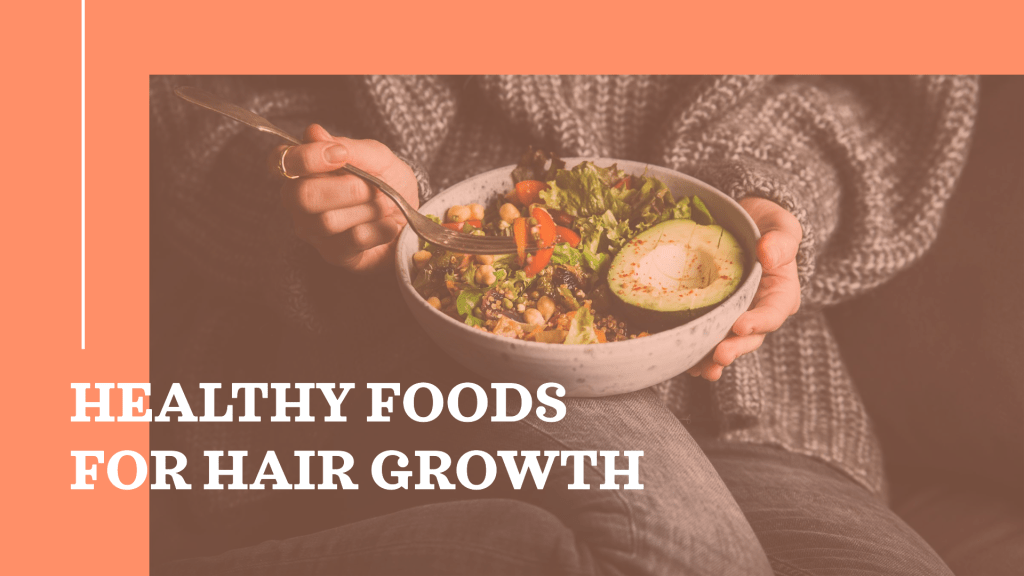
9 Foods That Naturally Boost Hair Growth

Achieving healthy and luscious hair often starts from within. Incorporating the right foods into your diet can significantly impact your hair health. Here are nine foods that can naturally help in hair growth.


1. Spinach

Rich in iron, vitamins A and C, and protein, spinach is a powerhouse for hair health. Iron deficiency is a common cause of hair loss, and spinach provides a good amount of this essential mineral.

Learn more about spinach and hair health: Healthline


2. Sweet Potatoes

Sweet potatoes are loaded with beta-carotene, which the body converts into vitamin A. This vitamin promotes the production of sebum, which helps keep hair healthy.

Explore the benefits of sweet potatoes: WebMD


3. Eggs

Eggs are a great source of protein and biotin, both of which are essential for hair growth. Biotin, in particular, is known to improve hair’s keratin infrastructure.

Read about eggs and hair growth: Medical News Today


4. Berries

Berries are packed with beneficial compounds and vitamins that promote hair growth. They contain vitamin C, which has strong antioxidant properties that protect hair follicles from damage.

Discover more about the benefits of berries: Healthline


5. Avocados

Avocados are high in healthy fats and vitamin E, which can promote hair growth. Vitamin E helps improve blood circulation and supports the follicles.

Learn about avocados and hair health: Medical News Today


6. Nuts

Nuts like almonds and walnuts are rich in vitamin E, zinc, and fatty acids, which can enhance hair health. They also provide a good amount of B vitamins, which are crucial for hair growth.

Read more about nuts and hair growth: Healthline


7. Seeds

Seeds such as flaxseeds and chia seeds provide omega-3 fatty acids, which are essential for hair growth. They also contain antioxidants and other nutrients that support hair health.

Explore the benefits of seeds: Medical News Today


8. Fish

Fatty fish like salmon and mackerel are rich in omega-3 fatty acids, which can boost hair growth. These fish are also excellent sources of protein, selenium, and vitamin D3.

Discover more about the benefits of fish: WebMD


9. Legumes

Legumes like beans and lentils are packed with protein, iron, zinc, and biotin, all of which are essential for hair growth. They are a great plant-based source of these nutrients.

Learn about legumes and hair health: Healthline

Call to Action

Incorporate these foods into your daily diet to naturally boost hair growth and maintain healthy locks. For more tips on maintaining a balanced and nutritious diet, visit Holistic Wellness Guide.

#HairGrowth #HealthyHair #NaturalHairCare #Nutrition #Wellness #HealthyEating #HairCareTips

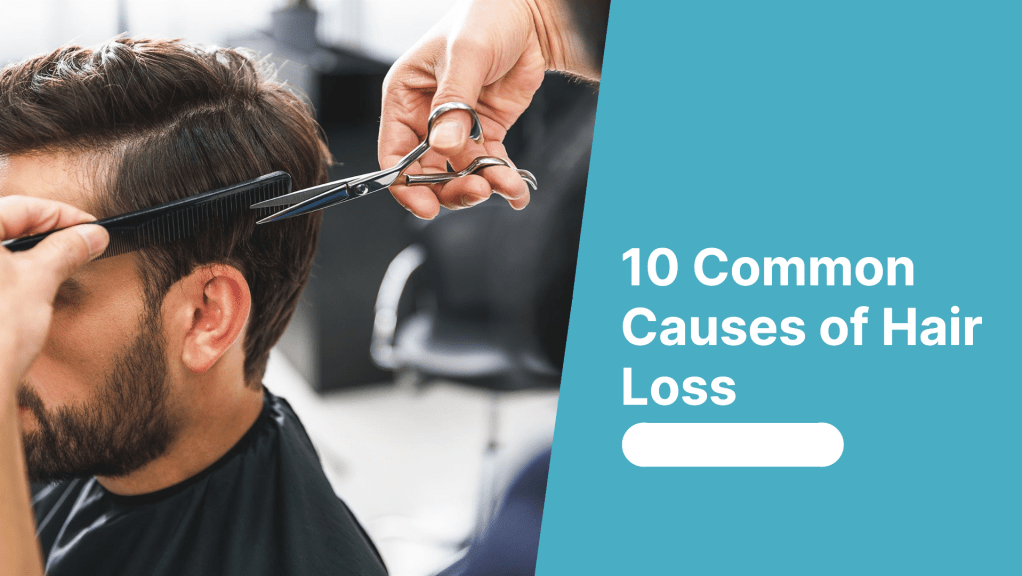
Understanding Hair Loss: The 10 Most Common Causes

Hair loss can be distressing, but understanding the underlying causes can help you take appropriate steps to address it. Here are the ten most common causes of hair loss and what you can do about them.


1. Genetics

Genetic factors play a significant role in hair loss. Androgenetic alopecia, also known as male or female pattern baldness, is the most common cause of hair loss and is inherited from your parents.

Benefits of Early Detection:

  • Allows for early intervention
  • Helps in managing expectations
  • Provides options for treatment and prevention

Learn more about genetic hair loss: American Academy of Dermatology


2. Hormonal Changes

Hormonal imbalances can lead to hair loss. Conditions such as thyroid disorders, pregnancy, menopause, and polycystic ovary syndrome (PCOS) can cause hair thinning and loss.

Benefits of Managing Hormonal Health:

  • Stabilizes hair growth
  • Improves overall health
  • Reduces stress and anxiety

Discover more about hormonal hair loss: WebMD


3. Stress

Chronic stress can lead to hair loss conditions like telogen effluvium, where hair follicles enter a resting phase and fall out prematurely.

Benefits of Stress Management:

  • Promotes healthy hair growth
  • Enhances mental well-being
  • Improves overall health

Learn stress management techniques: Mayo Clinic


4. Poor Diet

A diet lacking essential nutrients, such as vitamins, minerals, and proteins, can weaken hair and lead to hair loss.

Benefits of a Balanced Diet:

  • Strengthens hair follicles
  • Improves overall health
  • Enhances hair texture and growth

Explore a hair-friendly diet: Healthline


5. Medical Conditions

Medical conditions like alopecia areata, lupus, and diabetes can cause hair loss. These conditions often require medical diagnosis and treatment.

Benefits of Medical Intervention:

  • Identifies underlying health issues
  • Provides targeted treatment
  • Prevents further hair loss

Find out more about medical-related hair loss: National Institute of Arthritis and Musculoskeletal and Skin Diseases


6. Medications

Certain medications, including those for cancer, arthritis, depression, heart problems, and high blood pressure, can cause hair loss as a side effect.

Benefits of Consulting with Healthcare Providers:

  • Adjusts medications if necessary
  • Provides alternative treatments
  • Manages side effects effectively

Learn about medication-induced hair loss: American Academy of Family Physicians


7. Environmental Factors

Exposure to pollutants, harsh weather conditions, and chemicals can weaken hair and lead to hair loss.

Benefits of Protecting Hair:

  • Maintains hair health
  • Prevents damage
  • Enhances hair appearance

Discover tips for protecting your hair: Harvard Health


8. Hair Treatments and Styling

Frequent use of chemical treatments, heat styling, and tight hairstyles can damage hair and lead to hair loss.

Benefits of Gentle Hair Care:

  • Prevents breakage
  • Maintains hair strength
  • Promotes healthy growth

Explore gentle hair care practices: Dermatology Times


9. Aging

As we age, hair naturally becomes thinner and more prone to falling out.

Benefits of Age-Appropriate Hair Care:

  • Maintains hair volume
  • Enhances hair texture
  • Reduces breakage

Learn more about age-related hair loss: Cleveland Clinic


10. Smoking

Smoking can damage hair follicles and reduce blood flow to the scalp, leading to hair loss.

Benefits of Quitting Smoking:

  • Improves hair health
  • Enhances overall health
  • Reduces hair thinning

Find resources to quit smoking: Smokefree.gov

Call to Action

Understanding the causes of hair loss can help you take proactive steps to address and prevent it. Visit Holistic Wellness Guide for more tips on maintaining healthy hair and overall well-being.

#HairLoss #HairCare #GeneticHairLoss #StressRelief #HealthyDiet #MedicalConditions #HairHealth #WellnessJourney

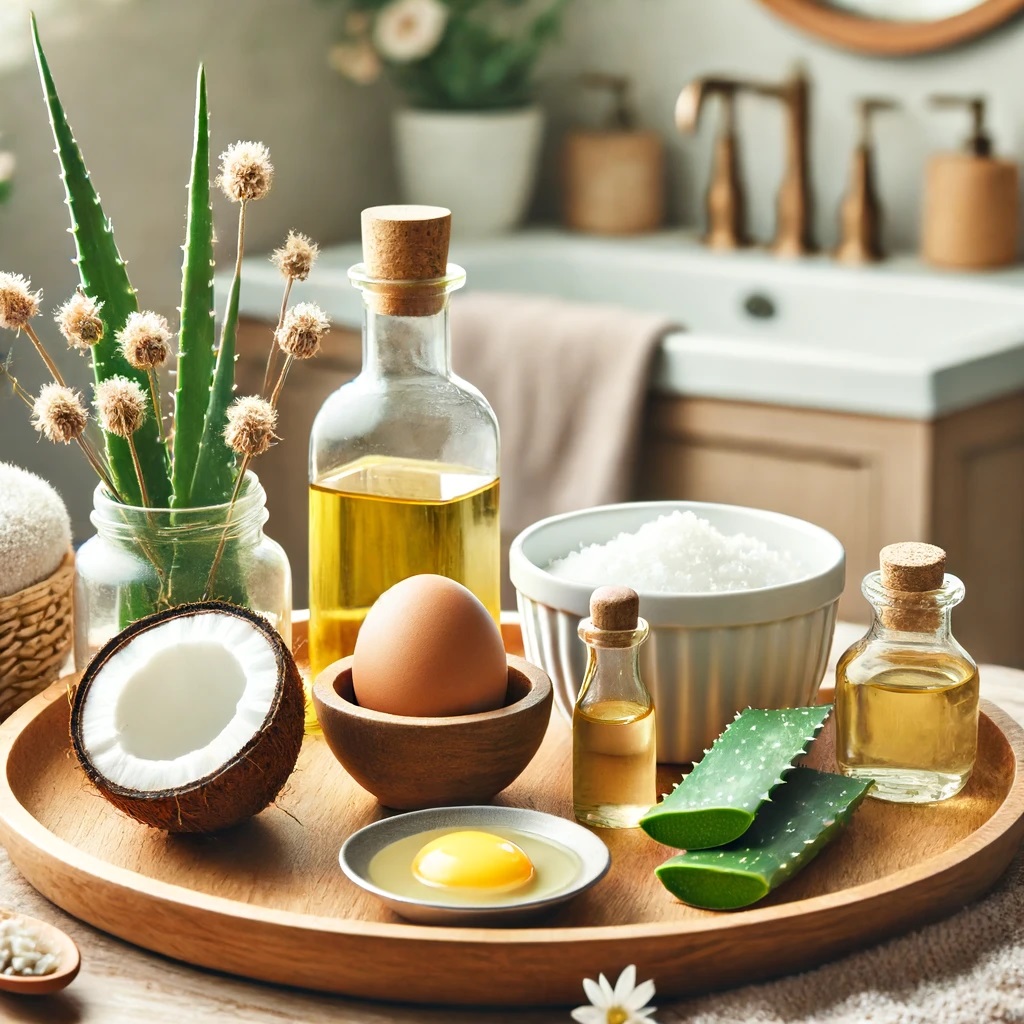
Natural Remedies for Hair Health

Healthy hair starts with natural, nourishing treatments that promote growth and shine.

1. Coconut Oil Hair Mask

  • Ingredients: 2 tablespoons coconut oil
  • Instructions: Warm the coconut oil and apply it to your hair from roots to tips. Leave for 30 minutes before washing out.
  • Maya, an environmentalist, preferred natural products for her hair care routine. She tried a coconut oil hair mask and was amazed at the results. Her hair became shinier and softer. Maya now swears by this mask, using it once a week for healthy, lustrous hair.

2. Aloe Vera and Lemon Scalp Treatment

  • Ingredients: 2 tablespoons aloe vera gel, 1 teaspoon lemon juice
  • Instructions: Mix aloe vera gel with lemon juice and massage into the scalp. Leave for 20 minutes before rinsing.
  • Rahul, a fitness trainer, faced issues with dandruff and an itchy scalp. He started using an aloe vera and lemon scalp treatment. The natural remedy soothed his scalp and significantly reduced dandruff, allowing him to feel more confident at work and in social settings.

3. Egg Yolk and Olive Oil Conditioner

  • Ingredients: 1 egg yolk, 2 tablespoons olive oil
  • Instructions: Whisk together egg yolk and olive oil. Apply to hair and leave for 30 minutes before washing out.
  • Nina, a university professor, was concerned about her thinning hair. She found a recipe for an egg yolk and olive oil conditioner. After a few weeks of use, she noticed her hair felt thicker and stronger. Nina now enjoys her rejuvenated hair and recommends this natural conditioner to her colleagues.