

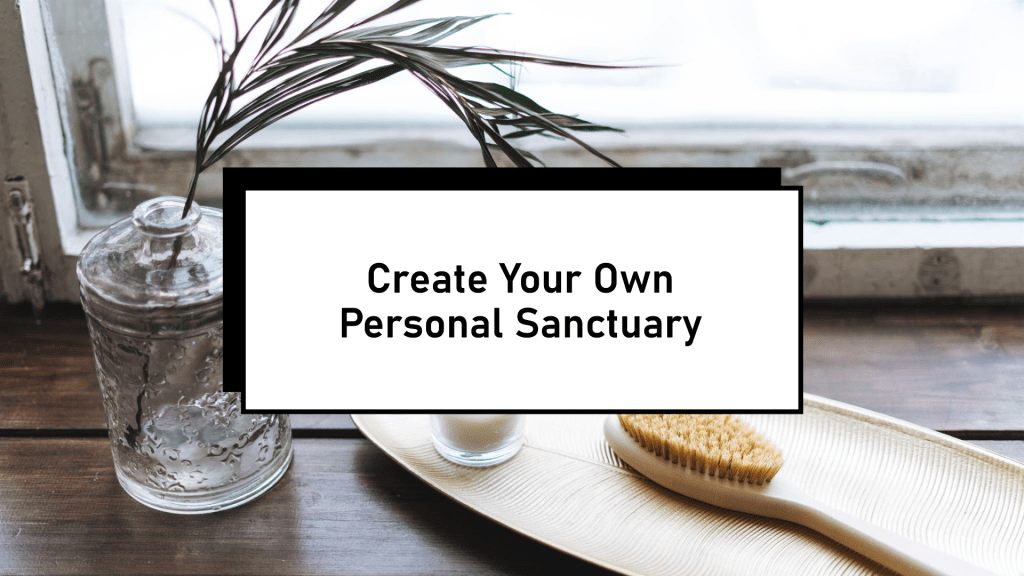
In a world filled with constant noise and demands, creating a personal sanctuary at home offers a space to escape, reflect, and rejuvenate. A sanctuary is more than just a quiet room; it’s a personalized space designed to nurture your mind, body, and spirit. By mindfully crafting this space, you create an environment that promotes relaxation, clarity, and peace. Here’s how you can transform a part of your home into a sanctuary that reflects your needs and helps you unwind.
1. Choose the Right Space
Creating a sanctuary doesn’t require a large room—it can be a cozy corner, a nook, or even a small balcony. The key is to find a spot that feels comfortable and private, away from distractions.
- How to Create It: Look for a quiet, low-traffic area in your home. This could be a corner in your bedroom, a window seat, or a spare room. Make sure it’s a space where you feel safe and undisturbed.
2. Incorporate Calming Colors
The colors in your sanctuary can have a significant impact on your mood. Soft, neutral, and natural shades are ideal for creating a serene atmosphere, as they promote relaxation and reduce mental clutter.
- How to Create It: Choose colors like soft blues, greens, or earthy tones. You can incorporate these colors with paint, throws, cushions, or even wall art that reflects the natural world.
3. Use Natural Light for Healing Energy
Natural light has a positive impact on mood and energy. A sanctuary that embraces sunlight will naturally feel more alive and welcoming, boosting your mental and emotional well-being.
- How to Create It: Place your sanctuary near a window to allow in natural light. If that’s not possible, use soft, warm lighting or candles to create a similar effect.
4. Add Elements from Nature
Nature has a calming effect on the mind and body. Adding natural elements like plants, stones, or wooden decor can create a grounded, peaceful environment.
- How to Create It: Include potted plants, fresh flowers, or a small indoor water fountain to bring nature indoors. Even a bowl of pebbles or shells can evoke a sense of calm.
5. Incorporate Comfortable Seating
Comfort is essential for a sanctuary, so choose seating that encourages you to relax and unwind. Whether it’s a soft armchair, floor cushions, or a hammock, comfort is key.
- How to Create It: Choose seating that supports relaxation, like a cozy chair or a floor cushion you can sink into. Add blankets or throws for extra warmth and comfort.
6. Surround Yourself with Meaningful Objects
Your sanctuary should reflect your personal style and values. Surround yourself with items that have meaning to you, whether they’re photos, keepsakes, or books that inspire peace.
- How to Create It: Include objects that bring positive memories or inspiration, like a favorite book, a framed quote, or a piece of art. Avoid clutter; aim for a few meaningful items that evoke a sense of calm.
7. Incorporate Soothing Sounds
Sound can shape the energy of a space. Soft music, nature sounds, or even a small tabletop fountain can create a tranquil ambiance in your sanctuary.
- How to Create It: Play calming music, such as nature sounds, binaural beats, or instrumental tunes. A small water fountain can also create soothing white noise, bringing a sense of natural tranquility to the space.
8. Use Aromatherapy for Calming Scents
Aromatherapy is a powerful way to elevate the ambiance of your sanctuary. Scents like lavender, eucalyptus, and chamomile are known for their calming effects.
- How to Create It: Use essential oil diffusers, candles, or incense to fill your sanctuary with a calming aroma. Choose scents that help you feel relaxed, and rotate them based on your mood or needs.
9. Create a Space for Reflection
A sanctuary is a perfect place for reflection, journaling, or meditation. Having a dedicated space for these practices helps create a routine of mindfulness and introspection.
- How to Create It: Set up a small table or shelf with a journal, favorite books, or meditation tools. Consider adding a comfortable floor cushion for seated meditation or a soft throw blanket to wrap around yourself.
10. Embrace Minimalism for Clarity
Clutter can disrupt the sense of peace in a sanctuary. Minimalism encourages a clear, open space that allows you to focus and relax without unnecessary distractions.
- How to Create It: Keep only the essentials in your sanctuary. Avoid clutter and choose furniture or decor with simple, clean lines. Clear away items that don’t add to the space’s purpose of peace and renewal.
11. Include Soft Textures for Comfort
Soft, cozy textures help create a cocoon-like feeling in your sanctuary. Textures like wool, cotton, and linen can make the space feel warm and inviting.
- How to Create It: Add soft blankets, fluffy cushions, or a cozy rug to make your sanctuary a warm, comfortable retreat. Consider mixing textures to add depth and warmth.
12. Establish Boundaries to Protect Your Space
To truly benefit from your sanctuary, set boundaries that protect it as a place for peace and relaxation. By reserving this space for intentional moments, you keep its energy pure and positive.
- How to Create It: Let others know that this space is reserved for personal time. Limit distractions by leaving your phone or electronics outside the sanctuary. Use this space only for calming activities, such as reading, meditating, or resting.
Conclusion
Creating a personal sanctuary at home doesn’t require extensive renovations or a lot of space. It’s about designing an environment that supports relaxation, clarity, and inner peace. By crafting a sanctuary tailored to your unique needs, you create a safe haven that nurtures your well-being and provides a retreat from the demands of daily life. Start small, personalize the space, and make it a sacred spot that brings you comfort and joy.
For more insights on creating balance and peace in your life, check out my book, The Mindful Executive: https://www.amazon.com/dp/B0D75YJCLW.
 Holistic Wellness Guide