

Happiness is a universal pursuit, yet achieving it can sometimes feel elusive. However, scientific research has uncovered several proven strategies that can help enhance joy and overall well-being. In this blog post, we’ll explore these strategies and provide practical tips to incorporate them into your daily life for a more fulfilling and joyful existence.
Gratitude Practice
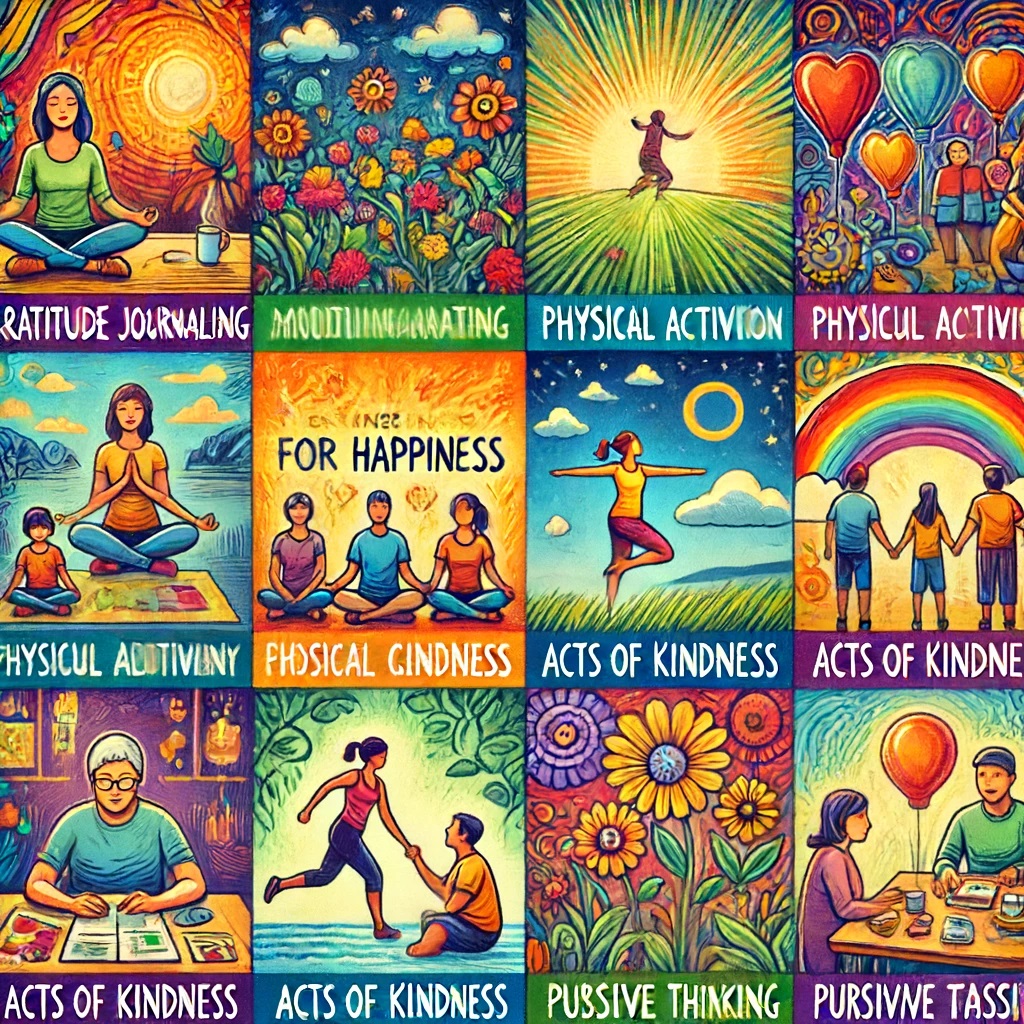
Gratitude is a powerful emotion that can significantly boost happiness. Studies have shown that regularly expressing gratitude can improve mood, increase resilience, and strengthen relationships. To incorporate gratitude into your daily routine, start a gratitude journal. Each day, write down three things you are grateful for. This simple practice can shift your focus from what you lack to what you have, fostering a sense of appreciation and contentment.
Positive Relationships
Strong social connections are crucial for happiness. Building and maintaining positive relationships with family, friends, and colleagues can provide emotional support, increase feelings of belonging, and enhance overall life satisfaction. Make time to nurture your relationships by scheduling regular catch-ups, engaging in meaningful conversations, and showing appreciation for the people in your life. For example, organize a weekly family dinner or a monthly outing with friends to strengthen your bonds.
Mindfulness and Meditation
Mindfulness and meditation practices can help reduce stress, increase self-awareness, and promote emotional well-being. Research has shown that regular mindfulness meditation can enhance focus, improve mood, and reduce symptoms of anxiety and depression. To start, find a quiet place, sit comfortably, and focus on your breath. When your mind wanders, gently bring it back to your breath. Apps like Headspace and Calm offer guided meditations that can help you develop a consistent practice.
Acts of Kindness
Performing acts of kindness can boost happiness by fostering a sense of connection and purpose. Small gestures, such as helping a neighbor, volunteering, or simply offering a kind word, can make a big difference in someone else’s life and your own. Challenge yourself to perform one act of kindness each day. For instance, pay for someone’s coffee, help a colleague with a task, or write a thank-you note to express your appreciation.
Physical Activity
Regular physical activity is not only beneficial for your physical health but also for your mental well-being. Exercise releases endorphins, which are natural mood lifters. Aim for at least 30 minutes of moderate exercise most days of the week. Choose activities you enjoy, such as walking, dancing, swimming, or playing a sport. For example, start your day with a morning jog, join a local dance class, or take evening walks in your neighborhood.
Pursuing Meaningful Goals
Setting and pursuing meaningful goals can provide a sense of purpose and direction in life. When your goals align with your values and passions, achieving them can bring a deep sense of fulfillment. Break your goals into manageable steps and celebrate your progress along the way. For instance, if your goal is to learn a new skill, such as playing an instrument or speaking a new language, set aside dedicated time each week to practice and track your improvement.
Cultivating Optimism
Optimism is the ability to focus on the positive aspects of life and expect good things to happen. Cultivating optimism can enhance resilience, improve health, and increase happiness. Practice reframing negative thoughts into positive ones. For example, instead of thinking, “I can’t do this,” shift your mindset to, “This is challenging, but I can learn and grow from it.” Surround yourself with positive influences and inspirational content to reinforce an optimistic outlook.
Engaging in Hobbies and Interests
Participating in activities you enjoy can bring joy and satisfaction to your life. Hobbies and interests provide opportunities for creativity, relaxation, and social interaction. Make time for activities that excite and engage you, whether it’s painting, gardening, reading, or playing a musical instrument. For example, join a book club, take up a new hobby, or dedicate a weekend afternoon to a creative project.
Sleep and Relaxation
Adequate sleep and relaxation are essential for maintaining mental and physical health. Lack of sleep can negatively impact mood, cognitive function, and overall well-being. Aim for 7-9 hours of sleep each night and establish a relaxing bedtime routine to improve sleep quality. Techniques such as deep breathing, progressive muscle relaxation, or reading a book can help you unwind and prepare for a restful night’s sleep.
 Holistic Wellness Guide